10 Dishwashing Errors That Experts Warn You About
Most of us wash dishes on autopilot. A little soap, quick scrub, rinse, and we assume everything is clean.
But in reality, many everyday habits during dishwashing are surprisingly ineffective. Using too much soap, washing in the wrong order, or relying on very hot water can actually leave residue or bacteria behind.
Kitchen hygiene experts often point out that simple mistakes—like using a dirty sponge or not rinsing properly—can spread germs instead of removing them. And because these habits feel normal, most people never realize they’re doing anything wrong.
The good news is that fixing these mistakes is easy. A few small changes can make your dishes cleaner, your routine faster, and your kitchen more hygienic.
In this guide, I’ll walk you through 10 common dishwashing mistakes many people make without realizing it.
Before we get into them, think about this for a moment:
Is your current dishwashing routine actually cleaning your dishes—or just making them look clean?
1. Not Scraping or Pre-Rinsing Food Particles
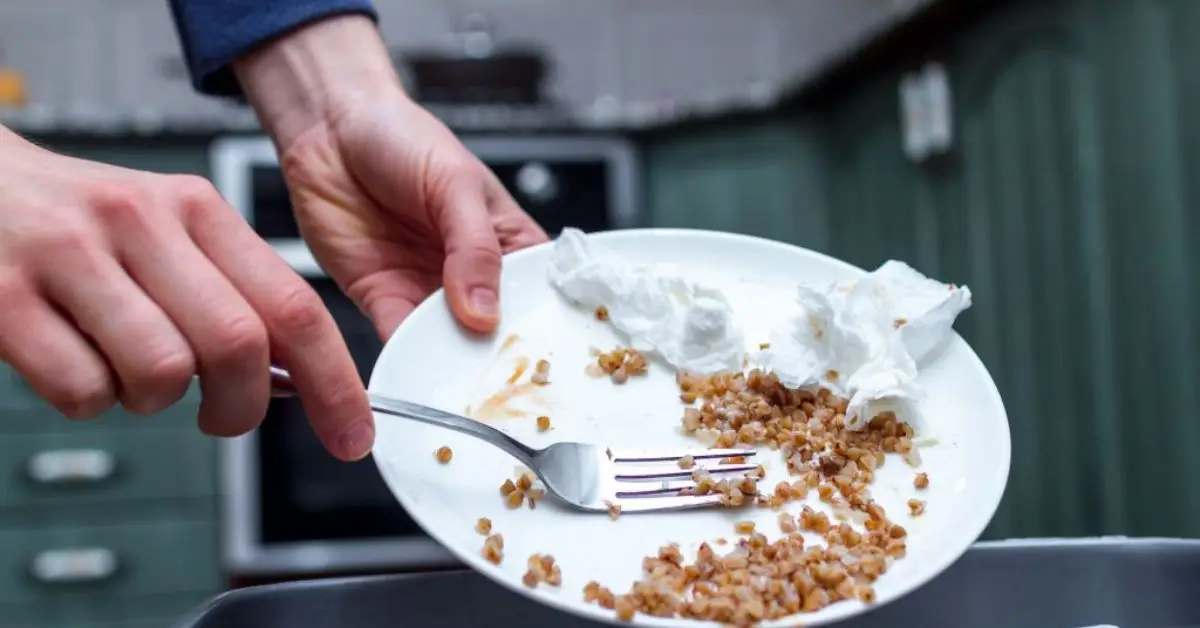
I see this mistake in almost every kitchen. People drop plates straight into the sink without removing leftover food, thinking the soap will handle everything.
But soap doesn’t work well on large food scraps. When pieces of food stay on the plate, they mix with grease and quickly dirty the sink water. That means every new dish you wash goes into already dirty water.
Over time, this creates problems like:
- Grease spreading to other dishes
- Bad sink odors after washing
- Clogged dishwasher filters or drains
- Extra scrubbing later
You don’t need to rinse every dish under running water. That actually wastes water. What works better is a quick scrape into the trash or compost before placing the dish in the sink.
It’s a small habit, but it keeps your washing water cleaner and makes the whole process easier.
2. Washing Too Soon or Too Late — The Timing Mistake
Most people fall into one of two habits.
Some wash dishes immediately after eating. Others leave everything in the sink overnight and deal with it the next morning.
Both can cause issues.
If you wash too soon, sticky sauces and starches haven’t loosened yet, which makes scrubbing harder. But if dishes sit too long, food dries out and bacteria can start building on damp surfaces.
You’ll often see people online debating whether soaking dishes overnight helps or just makes things worse. In reality, the best approach is somewhere in between.
A simple routine that usually works best:
- Scrape food off right after eating
- Let stubborn residue soak for 10–15 minutes
- Wash dishes before food completely dries
This small timing change can save a lot of effort later.
3. Using Too Much (or Too Little) Dish Soap
A lot of people assume more soap means cleaner dishes, so they pour a large amount into the sink.
But that usually backfires.
Too much soap creates excess foam and can leave a thin film on plates and glasses. Too little soap, on the other hand, may struggle to break down grease.
Kitchen hygiene experts often point out that overusing soap is a common mistake. The Prevention dishwashing mistakes guide explains that excess soap can leave residue on dishes and make rinsing less effective.
Here’s a simple rule I usually recommend for hand washing:
- Small sink → ½ teaspoon soap
- Medium sink → 1 teaspoon soap
- Large sink → 1–2 teaspoons soap
Modern dish soaps are concentrated, so you rarely need more than a small amount.
If you notice endless bubbles, cloudy glasses, or slippery plates, there’s a good chance you’re using more soap than your dishes actually need.
4. Wrong Temperature Settings — Hot vs Warm vs Cold
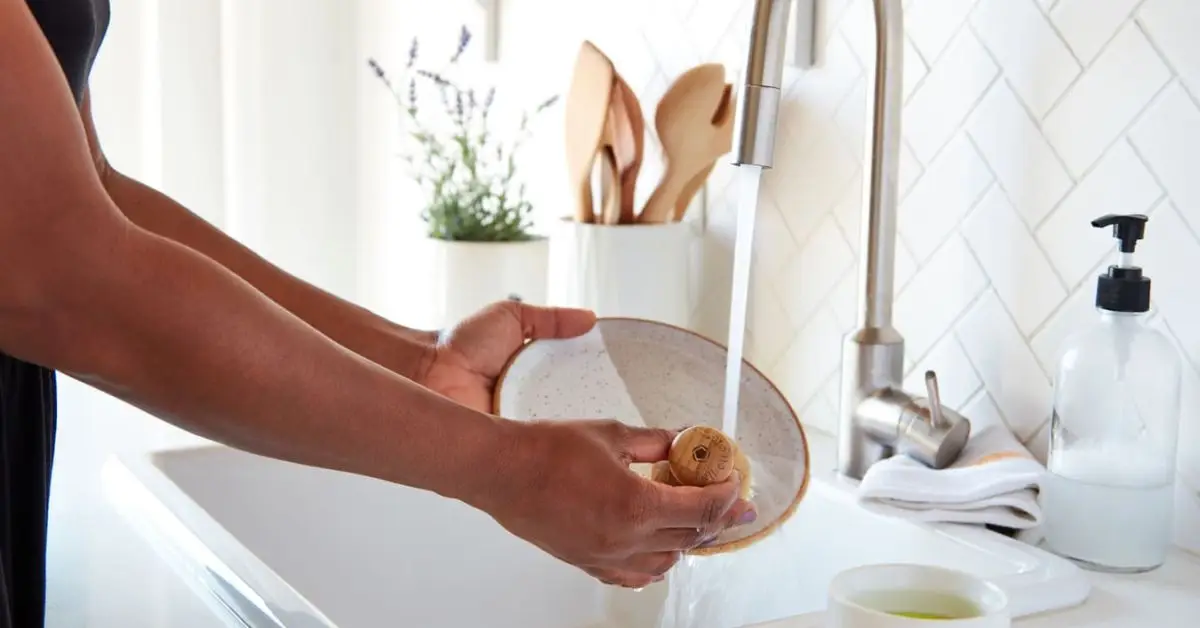
Many people believe the hotter the water, the cleaner the dishes. I used to think the same.
But extremely hot water doesn’t always improve cleaning. When washing by hand, water that’s too hot can actually make grease spread and make some food residues stick harder to dishes.
Warm water usually works best. It helps break down grease while allowing dish soap to do its job properly. Cold water, on the other hand, struggles with oils and fats.
Here’s a simple guideline I usually follow:
- Warm water → best for everyday dishwashing
- Hot water → useful for greasy pans
- Cold water → good for quick rinsing or delicate items
Interestingly, this whole topic even sparked a social media debate. In a viral TikTok story covered by People, a woman said her roommates claimed that hand-washed dishes weren’t getting clean enough, which started a big discussion about proper dishwashing habits and techniques.
It’s a good reminder that temperature alone isn’t what makes dishes clean. The right soap, proper scrubbing, and good rinsing matter more. If you’re ever unsure whether an item should actually be washed by hand or cleaned in the dishwasher, this guide on the 1 kitchen item that belongs in the dishwasher, not the sink explains when using the dishwasher can be the better choice.
5. Washing in Random Sequence Instead of a Smart Order
Most people just grab whatever dish is closest and start washing.
But the order actually makes a big difference.
If you start with greasy pans, the sink water quickly fills with oil and food residue. After that, every glass or plate you wash goes into dirty water.
I always follow a simple sequence that keeps things cleaner:
- Glasses and cups first
- Lightly used bowls and plates next
- Utensils after that
- Cooking tools and spatulas
- Greasy pots and pans last
This order works because the cleanest items go first and the dirtiest ones go last.
The result? Cleaner water, faster washing, and less scrubbing.
6. Forgetting Problem Spots (Corners, Undersides, Handles)
When most people wash dishes, they focus on the obvious areas — the center of the plate or the inside of the bowl.
But grime often hides in places we overlook.
Some of the most commonly missed spots include:
- Undersides of plates
- Cup handles where fingers touch
- Edges of forks and spoons
- Corners of square containers
- Rims and grooves on lids
I’ve seen many people realize this only after finding sticky spots later.
A simple trick I use is rotating the dish while scrubbing. That quick movement naturally makes you clean the edges, underside, and handles without missing anything.
Small details like this make a big difference in keeping dishes truly clean.
7. Not Rinsing Thoroughly — Leaving Soap Film Behind
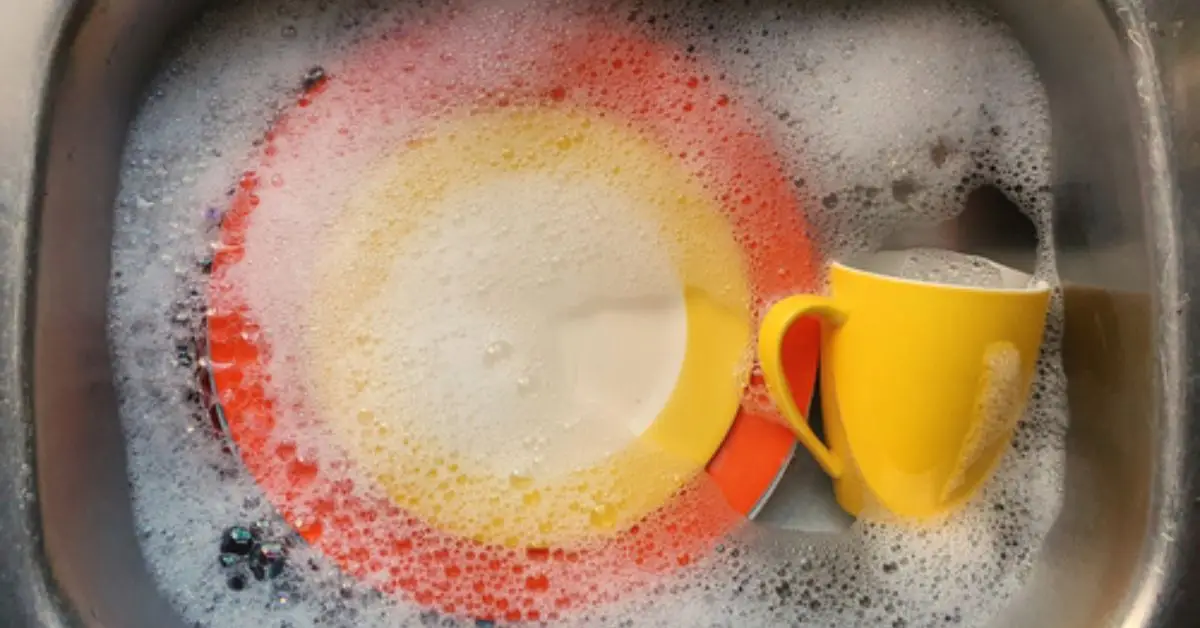
Scrubbing gets most of the attention, but rinsing is just as important.
If dishes aren’t rinsed properly, a thin layer of soap can remain on the surface. You might not always see it, but you’ll notice the effects.
Soap residue often causes:
- Cloudy glasses
- Slippery plates
- Odd taste in drinks or food
- White streaks on dark dishes
I always make sure every dish gets a proper rinse under clean running water.
A quick check helps too. After rinsing, run your fingers across the dish. If it still feels slippery, there’s probably soap left behind.
Taking a few extra seconds here ensures your dishes aren’t just visually clean — they’re actually ready to use.
8. Air-Drying in Damp Conditions
Many people think once the dishes are washed, the job is done. But how you dry them matters more than most people realize.
Air-drying is usually the safest option, but it only works well when the environment is dry and well-ventilated. If dishes sit in a damp kitchen or crowded rack, moisture can stay trapped on surfaces.
That leftover moisture can lead to problems like:
- Musty smell on dishes
- Bacteria growing on wet surfaces
- Water spots on glasses
- Mold forming on dish racks or mats
What works better is creating airflow while drying. I usually make sure of a few simple things:
- Leave space between dishes in the rack
- Keep the rack near airflow or a window
- Empty the rack once dishes are fully dry
- Clean the dish rack regularly
Drying isn’t just the final step — it’s what keeps dishes hygienic after washing.
9. Poor Dishwasher Loading — Blocking Spray Arms
A lot of people load their dishwasher based on what fits, not how the machine actually cleans.
But dishwashers rely on rotating spray arms that shoot water around the machine. If dishes block those spray arms, the water simply can’t reach everything.
Common loading mistakes include:
- Large pans blocking spray arms
- Bowls facing sideways instead of downward
- Overcrowding racks
- Putting tall items in the wrong rack
A better approach is to think about water movement inside the dishwasher. It’s also important to remember that not every kitchen item should go into the dishwasher. Some materials can warp or crack, which is why experts recommend checking this list of 7 items you should never put in the dishwasher before loading your machine.
- Place plates facing the center
- Keep large cookware on the sides
- Leave space between items
- Avoid stacking bowls inside each other
Following proper loading patterns makes a big difference. The Finish dishwasher loading guide also emphasizes that correct placement helps water reach every surface and improves cleaning results.
Sometimes dishes come out dirty not because the dishwasher is weak — but because the loading pattern blocks the cleaning process.
10. Ignoring Dishwasher Maintenance (Filter, Gasket, Salt)
Many people expect their dishwasher to clean perfectly for years without any maintenance.
But like any kitchen appliance, it needs occasional care. Keeping the space around your appliances clean matters too. These 7 genius ways to clean under your fridge, stove, and dishwasher without moving them can help prevent hidden dirt buildup in areas most people forget to check.
One of the most overlooked parts is the dishwasher filter. This small component catches food particles during the wash cycle. If it isn’t cleaned regularly, those particles start circulating back onto dishes.
I usually recommend checking a few key parts every few weeks:
- Filter — rinse and remove trapped food
- Door gasket — wipe to prevent mold buildup
- Spray arms — check for clogged holes
- Dishwasher salt or rinse aid — refill when needed
When these parts stay clean, the dishwasher works more efficiently and dishes come out noticeably cleaner.
Ignoring maintenance often leads to cloudy glasses, strange odors, or dishes that still feel greasy after washing.
Extra Mistakes You Didn’t Know You Were Making
Beyond the obvious mistakes, there are a few small habits that quietly affect dish cleanliness.
These often go unnoticed because they feel completely normal.
Here are a few I see often:
Using the same sponge for too long
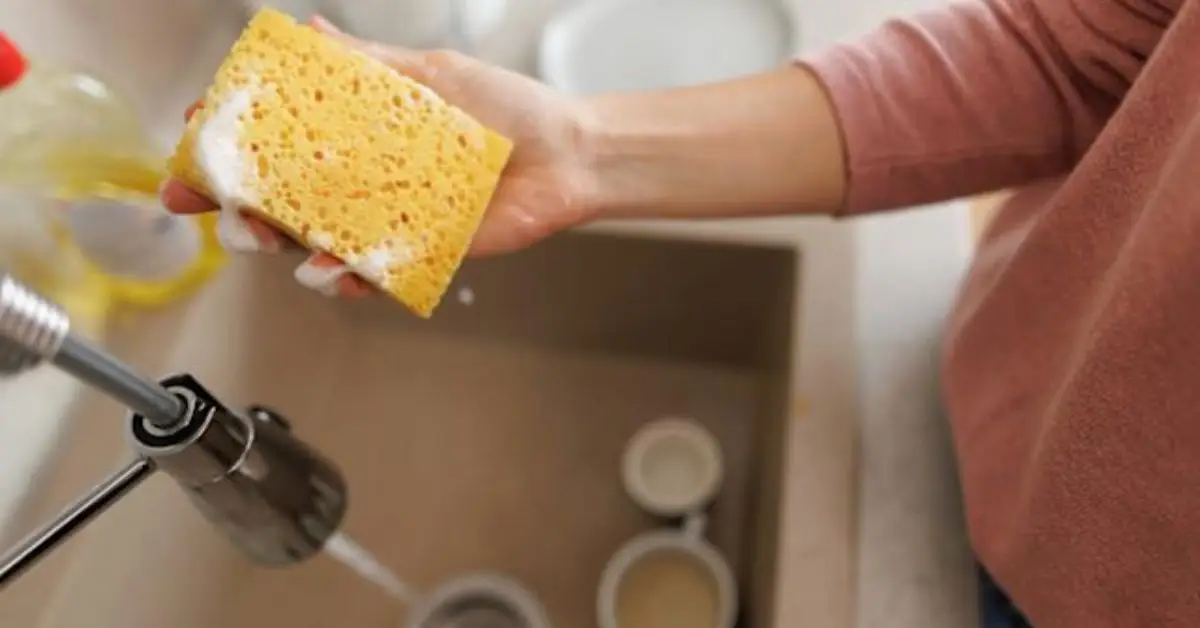
Sponges trap moisture and food particles, which can allow bacteria to grow quickly. Replacing or sanitizing them regularly makes a big difference.
Cross-contamination from cutting boards
Sometimes people wash cutting boards and dishes together after preparing raw meat or vegetables. If the board isn’t cleaned properly first, bacteria can spread to other dishes.
Using the wrong cleaning cloth
Traditional dishcloths hold moisture longer than microfiber cloths. When they stay wet all day, they can start smelling and spreading bacteria.
Small tools like sponges and cloths can affect hygiene just as much as soap or water.
Dishwashing Myths That Could Be Ruining Your Routine
A lot of dishwashing habits come from things we’ve heard for years. The problem is that many of them aren’t actually true.
Here are a few common myths I still hear in kitchens.
Myth: Hot water kills bacteria instantly
Hot water helps remove grease, but the temperature used during hand washing usually isn’t high enough to fully sanitize dishes.
Myth: More soap means cleaner dishes
Too much soap often leaves residue and makes rinsing harder.
Myth: Pre-rinsing every dish is necessary
In many cases, scraping food is enough. Over-rinsing can waste a surprising amount of water.
Food safety guidance also points out that proper scrubbing and rinsing matter more than extreme water temperature, as explained in kitchen hygiene advice from the CDC food safety guidelines.
Once you separate myths from real practices, dishwashing becomes simpler — and much more effective.
Create a Dishwashing Routine That Saves Time and Water
Dishwashing becomes frustrating when there’s no system. I’ve noticed that when people follow a simple routine, the whole process becomes faster and uses less water.
You don’t need complicated rules. Just a few small habits can make a big difference.
A simple weekly deep-clean routine
Once a week, I recommend doing a quick kitchen cleanup that keeps everything hygienic:
- Clean the dish rack and drain tray
- Replace or sanitize your sponge
- Wipe the sink edges and faucet
- Check the dishwasher filter if you use one
These small steps prevent odor, grease buildup, and bacteria.
A quick morning vs evening routine
Breaking dishwashing into two small routines also helps:
Morning routine:
- Put away dry dishes from the rack
- Rinse any cups or breakfast dishes immediately
Evening routine:
- Scrape leftover food from plates
- Wash dishes in the correct order
- Leave space between dishes while drying
This keeps dishes from piling up and makes cleaning easier.
Simple water-saving habits
Many people unknowingly waste water while washing dishes. A few adjustments can reduce that:
- Don’t keep the tap running the whole time
- Fill the sink for washing instead of constant rinsing
- Scrape food instead of rinsing it off first
- Only run the dishwasher when it’s full
These small changes save water and also make dishwashing faster.
Your Dishwashing Checklist for Hassle-Free Cleanups
If you remember just a few things from this guide, let it be this simple checklist.
Before washing:
- Scrape food from dishes
- Avoid letting dishes sit too long
While washing:
- Use warm water and the right amount of soap
- Wash dishes in the correct order
- Don’t forget edges, handles, and undersides
After washing:
- Rinse thoroughly to remove soap
- Let dishes dry with good airflow
- Keep sponges and dish racks clean
Following these small habits makes a big difference in how clean your dishes actually get.
I’m curious about your routine too.
Which dishwashing mistake surprised you the most? Or do you have a trick that makes dishwashing easier in your kitchen?
Share your thoughts in the comments. Your experience might help someone else improve their routine.
And if you enjoy practical home improvement and everyday living tips like this, you can find more helpful guides on Build Like New, where we regularly share smart solutions for making your home cleaner, simpler, and more efficient.
Disclaimer: This article is for general informational purposes only. Dishwashing practices may vary depending on kitchen appliances, products, and household needs. Always follow the manufacturer’s instructions for your dishwasher, cleaning products, and kitchen equipment.