9 Genius Cookbook Storage Ideas to Keep Your Kitchen Organized
If you love cooking, chances are you also love collecting cookbooks. I know I do. One book for baking, another for quick dinners, maybe a few from your favorite chefs or cuisines you want to explore.
But here’s what usually happens.
Slowly, those cookbooks start taking over your kitchen counters. One sits near the coffee machine, another stays open beside the stove, and a few more end up stacked in random corners. Before you realize it, the space you actually need for cooking starts disappearing.
I’ve seen this in a lot of kitchens — even well-organized ones. Cookbooks are useful, inspiring, and often sentimental. But if they’re not stored properly, they quietly turn into clutter.
The good news is you don’t have to hide them away or stop buying them.
You just need smarter ways to store and organize cookbooks so they stay easy to reach without crowding your workspace. With a few clever storage ideas, you can keep your counters clean while still keeping your favorite recipes close.
In this guide, I’ll share 9 practical ways to store cookbooks without cluttering your kitchen counters, whether you have a small kitchen or plenty of space.
Before jumping into the storage ideas, let’s start with something important that most people overlook — understanding your cookbook collection first.
Understanding Your Cookbook Collection First

Before you start rearranging shelves or buying storage tools, I suggest taking a moment to understand your cookbook collection. I’ve noticed that most people skip this step, but it actually makes organizing much easier.
Not every cookbook needs to sit in your kitchen. Some you use often, some only occasionally, and a few might just have sentimental value.
Start by quickly sorting your books into simple groups:
- Everyday cookbooks you use frequently
- Specialty books like baking, grilling, or holiday recipes
- Large reference cookbooks that you open once in a while
- Sentimental or gifted books you want to keep
- Rarely used books that don’t need to stay in the kitchen
When you look at your collection this way, it becomes clear which books deserve easy access and which ones can be stored elsewhere.
Why Categorizing Matters
When you categorize your cookbooks first, you avoid crowding your kitchen with books you rarely touch.
This step helps you decide:
- Which cookbooks should stay visible and easy to grab
- Which ones can go on higher shelves or storage spaces
- Which books can be kept outside the kitchen entirely
Professional organizers often recommend grouping cookbooks before organizing them so your storage system actually fits how you cook. You can see this approach discussed in Homes & Gardens.
The “Use Frequency” Rule
A simple rule I like to follow is the use frequency rule.
Ask yourself: How often do I actually use this cookbook?
- Weekly use → keep it close to your cooking area
- Occasional use → store it on a shelf or cabinet nearby
- Rarely used → move it to another room or storage spot
This keeps your kitchen practical while still letting you keep the books you enjoy.
Once you understand your collection, it becomes much easier to find smart storage spots — starting with one of the most overlooked spaces in a kitchen: vertical wall space.
1 — Turn Vertical Space Into a Cookbook Gallery
One of the easiest ways to store and organize cookbooks without cluttering your counters is to start using vertical space.
Many kitchens have empty walls that could easily hold a few cookbooks. When you store books vertically, you free up counter space and turn your cookbooks into part of the kitchen decor.
Floating Shelves Above Counters
Floating shelves are a simple and practical solution. I like them because they keep cookbooks visible while keeping counters clear.
You can install a small shelf above an unused wall area and place your most-used books there.
This works well for:
- Cookbooks you use every week
- Beautiful hardcover books you want to display
- Small collections of 4–6 books
A pair of bookends or a small plant can also make the shelf look neat and intentional.
Tall Kitchen Cabinets With Adjustable Shelving
If you have tall cabinets or a pantry, you can dedicate one section just for cookbooks.
Adjustable shelves are helpful because cookbooks come in different sizes. You can easily create enough space for both thick and thin books.
A simple way to organize them:
- Middle shelves → frequently used cookbooks
- Upper shelves → rarely used books
- Lower shelves → heavier or larger cookbooks
This keeps your kitchen organized while making sure your favorite recipes are always easy to reach. When you’re storing cookbooks inside cabinets, it’s also a good idea to keep those cabinets clean and grease-free so your books don’t absorb kitchen residue. Here’s a helpful guide on the right way to clean wood kitchen cabinets and remove sticky grease.
2 — Use Bookends to Create Mini Culinary Displays
Sometimes the easiest solution is also the most practical. If you like keeping a few cookbooks on your counter, bookends can help you store them neatly without making the space look messy.
Instead of stacking books randomly, bookends hold them upright and create a small, organized display. I often suggest this if you only keep 3–5 frequently used cookbooks near your cooking area.
Decorative Bookends (Themes, Metals, Wood)
Bookends come in many styles, so you can easily match them with your kitchen design.
For example, you could use:
- Wooden bookends for a warm, rustic kitchen
- Metal bookends for a modern or minimalist space
- Themed bookends shaped like fruits, utensils, or animals
The goal is simple — keep your cookbooks organized while making them look intentional rather than cluttered.
Pair With Plants or Kitchen Tools
You can also turn your cookbook storage into a small decorative corner.
Try placing your cookbooks between bookends and adding a few simple elements around them, such as:
- A small herb plant
- A ceramic utensil holder
- A wooden cutting board behind the books
This combination makes your cookbooks feel like part of the kitchen design instead of something that’s just sitting on the counter.
3 — Install a Sliding Cookbook Rail or Rack

Another clever idea that many kitchens overlook is using a cookbook rail or rack.
Unlike shelves, rails take very little space and can fit in areas that normally stay unused.
Mounted Under Cabinets or on Pantry Doors
You can install a slim rail:
- Under upper cabinets
- Inside pantry doors
- Along a narrow wall
These rails hold cookbooks upright and keep them easy to grab while cooking. They work especially well for smaller or medium-sized cookbooks.
Many home organization guides also recommend wall-mounted racks for compact kitchens because they make use of spaces that usually go unused. You can see similar storage suggestions in Food52.
The biggest advantage here is that you’re adding storage without sacrificing counter space.
4 — Store Cookbooks in Non-Kitchen Zones
Not every cookbook needs to stay inside the kitchen.
If your kitchen is small, moving some cookbooks to nearby areas can instantly reduce clutter while keeping the books accessible.
Dedicated Cookbook Shelf in Dining Area or Pantry
A small shelf in the dining area or pantry can work perfectly for cookbooks.
This setup helps you:
- Free up valuable counter space
- Keep your cookbooks organized in one place
- Still access them easily while planning meals
You can organize these shelves by cuisine, cooking style, or how often you use the books.
Repurpose a Bookshelf in Living Space
If you have a larger cookbook collection, you might even store them on a bookshelf in your living room.
Cookbooks often have beautiful covers and colorful spines, so they blend well with other books and decor.
I’ve seen many people create a small culinary bookshelf that includes:
- Cookbooks
- Food magazines
- Recipe binders
- A few decorative kitchen items
This approach keeps your kitchen less crowded while still celebrating your love for cooking.
5 — Go Digital With a Companion Tablet Stand
One practical way to reduce cookbook clutter is by using a tablet or e-reader in the kitchen. I’ve seen many home cooks move some of their recipes to digital devices so they don’t need to keep every cookbook on the counter.
You don’t have to replace your books completely. The idea is simply to keep the recipes you use most in a digital format while storing the physical books elsewhere.
Scanning Old Favorites Into a Tablet or E-Reader
If you have cookbooks you rarely open but still love certain recipes from, you can scan or photograph those pages and save them on your tablet.
You could organize them into folders like:
- Quick weekday dinners
- Baking recipes
- Holiday dishes
- Family favorites
This keeps your favorite recipes easy to access without storing every book in your kitchen.
Best Stands for Kitchen Use (Spill-Proof)
If you’re using a tablet while cooking, a good stand makes things much easier.
Look for a stand that is:
- Non-slip so it stays stable on the counter
- Easy to wipe clean if food splashes on it
- Adjustable so you can read recipes comfortably
A tablet stand lets you follow recipes hands-free while keeping your cooking space clear.
6 — Use Baskets and Bins for Hidden Storage
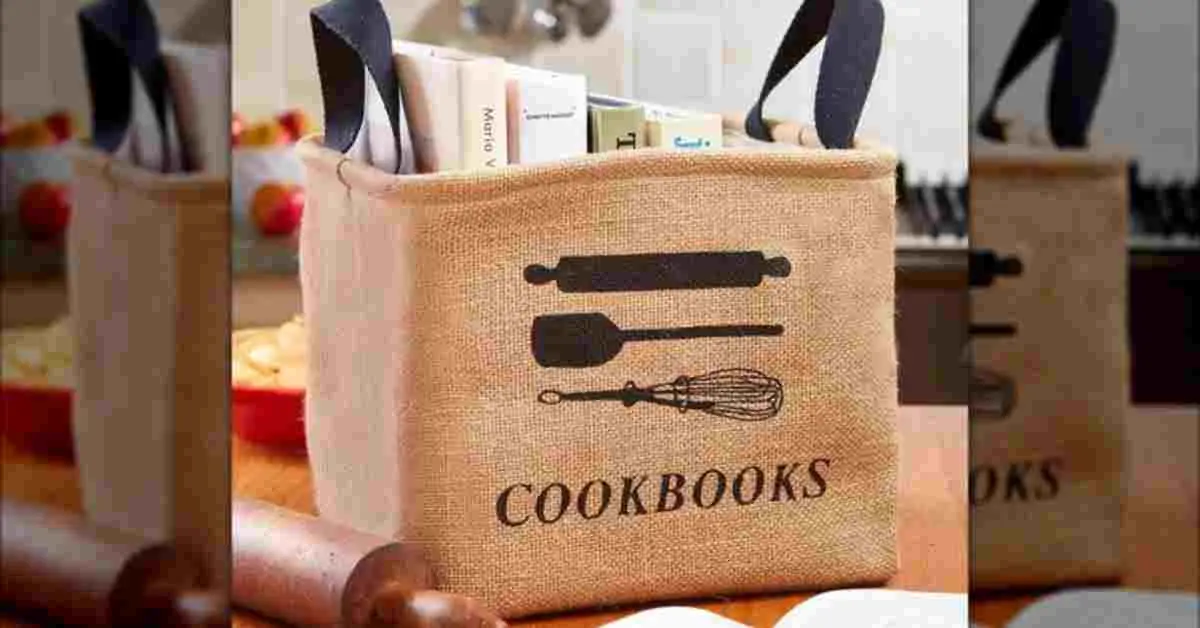
If you prefer a cleaner look in your kitchen, baskets and storage bins can help hide cookbook clutter.
I often recommend this because it’s simple, affordable, and flexible. You don’t need to install shelves or racks — you just create a dedicated place for the books.
Labeled Baskets on Pantry Shelves
Pantry shelves often have unused space that can easily hold a basket of cookbooks.
You can organize them by:
- Cuisine type (Italian, Asian, baking)
- Cooking category (desserts, quick meals)
- Frequency of use
Adding a small label also helps you find the book you want quickly. Since cookbooks stored in pantry areas can collect dust or food residue over time, keeping the space clean matters too. These kitchen cleaning hacks with hydrogen peroxide can help you keep your cooking and storage areas fresh and hygienic.
Rolling Bins Under Counters
Another helpful idea is using rolling storage bins under lower cabinets or counters.
These bins work well because you can:
- Slide them out easily when you need a cookbook
- Store multiple books without stacking them awkwardly
- Keep your kitchen counters completely clear
It’s a simple system that works especially well in smaller kitchens.
7 — Repurpose Furniture for Cookbook Storage
Sometimes the best storage ideas come from furniture you already have at home.
Instead of buying new shelves, you can repurpose small furniture pieces to store your cookbooks in a creative way.
Vintage Crates as Shelf Dividers
Wooden crates can work surprisingly well for organizing cookbooks.
You can place them on shelves or counters to create small compartments that keep books upright and easy to access.
They’re useful for:
- Separating books by category
- Storing recipe magazines
- Adding a rustic design element to your kitchen
Repurposed Bar Cart for Rotating Favorites
A small bar cart can also become a mobile cookbook station.
Instead of drinks and glasses, you can use the shelves to store:
- Your most-used cookbooks
- Recipe binders
- Small kitchen tools
Since the cart has wheels, you can move it closer when cooking and roll it away when you want your kitchen to feel more open.
8 — Use Magnetic Strips for Small Cookbooks or Pages
Here’s a trick that many kitchens overlook but can be extremely helpful while cooking.
Magnetic strips or clips allow you to keep a recipe visible on the wall so it doesn’t take up counter space.
Kitchen Wall Magnetic Cookbook Clips
You can install a magnetic strip or use strong magnetic clips to hold:
- Recipe cards
- Printed recipe pages
- Small cookbooks
This keeps your recipe open and easy to read while you cook.
It’s especially useful when your hands are messy and you don’t want to keep touching your cookbook. And while organizing your cooking area, it also helps to know which kitchen tools should actually go in the dishwasher instead of the sink. This guide explains the one kitchen item that belongs in the dishwasher, not the sink.
9 — Seasonal Rotation and Archive Boxes
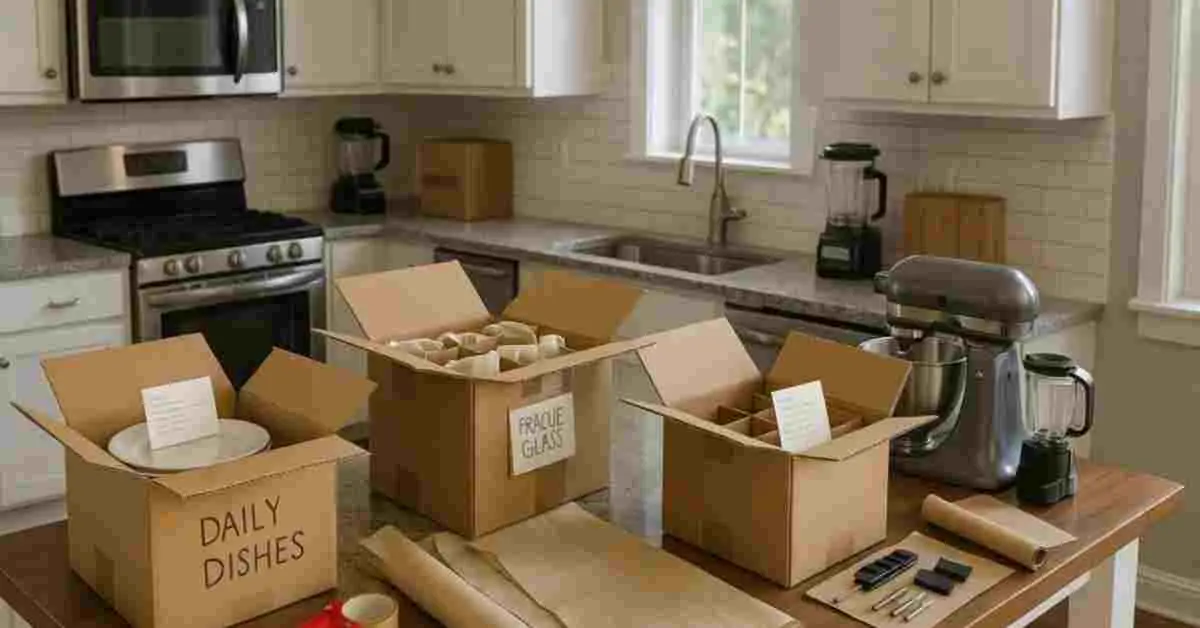
If you own many cookbooks, keeping all of them in your kitchen all year isn’t always necessary.
A simple rotation system can help you keep the kitchen organized while still keeping your books.
Archive Rarely Used Cookbooks in Labeled Boxes
Cookbooks you rarely use can be stored safely in labeled boxes.
You might place these boxes in:
- A pantry cabinet
- A storage shelf
- A nearby closet
Keeping them archived prevents unnecessary clutter in your cooking space.
Rotate Seasonal Cookbooks to the Front
Another useful habit is rotating cookbooks based on the season.
For example:
- Summer: grilling and fresh recipes
- Fall: comfort meals and baking
- Holiday season: festive and dessert cookbooks
This way your most relevant cookbooks stay accessible while the rest stay neatly stored.
In fact, some home-organization experts note that cookbooks can even get damaged when stored in humid kitchen cabinets, which is why rotating and storing them in drier areas can help preserve them longer, as mentioned in Real Simple.
Smart Tips to Maintain Cookbook Organization Long-Term
Organizing your cookbooks once feels great, but the real challenge is keeping them organized over time. I’ve noticed that without a simple system, books slowly start piling up again on counters and shelves.
A few small habits can make sure your kitchen stays clutter-free without constant reorganizing.
Quick Rule: “One In, One Out” Policy
One rule I personally recommend is the one in, one out policy.
Whenever you bring a new cookbook home, choose one book that you no longer use and move it out of the kitchen.
This simple habit helps you:
- Prevent shelves from getting overcrowded
- Keep only the cookbooks you actually enjoy using
- Maintain a balanced and manageable collection
It’s a small rule, but over time it keeps your storage system from falling apart.
Regular Reviews Each Quarter
Another helpful habit is doing a quick cookbook review every few months.
You don’t need to spend hours organizing. Just take a few minutes and ask yourself:
- Which cookbooks did I use recently?
- Which ones stayed untouched?
- Are any books taking up space unnecessarily?
Moving rarely used books to storage or another room keeps your kitchen organized without feeling restrictive.
What to Do With Cookbooks You No Longer Need
Once you start organizing, you’ll probably find a few cookbooks you don’t really need anymore. That’s completely normal.
Instead of letting them collect dust, you can give those books a second life.
Donate to Community Centers or Friends
Donating cookbooks is a great way to help others while decluttering your kitchen.
You could give them to:
- Local libraries
- Community centers
- Cooking clubs
- Friends or family who enjoy cooking
Many people love discovering new recipes, and your unused cookbook might become someone else’s favorite.
Sell Online or Trade Options
If some of your cookbooks are in good condition, you could also sell or trade them online.
Many home cooks sell cookbooks through:
- Online marketplaces
- Local community groups
- Second-hand book platforms
This not only clears your kitchen space but can also earn you a little extra money.
Bonus: Where to Find Inspiration for Cookbook Storage
If you want even more creative ideas, the internet is full of real kitchens and clever storage solutions.
I often suggest exploring platforms where people share their actual home setups.
Pinterest Boards and Instagram Reels
Pinterest and Instagram are great places to find visual inspiration.
You’ll see ideas like:
- Stylish cookbook shelves
- Small kitchen storage hacks
- Minimalist cookbook displays
- DIY shelving projects
Seeing real kitchens often sparks ideas you may not have considered before.
Final Takeaway: Keep Cookbooks Accessible and Clutter-Free
Cookbooks are more than just recipe collections. For many of us, they hold memories, inspiration, and favorite meals we love to make again and again.
But keeping them organized makes a huge difference in how your kitchen feels and functions.
When you:
- Use smart storage ideas
- Keep only the books you actually use
- Rotate or store the rest properly
Your kitchen stays clean, practical, and enjoyable to cook in.
If you found these ideas helpful, I’d love to hear from you.
How do you store your cookbooks at home?
Share your favorite storage tip in the comments — your idea might help another reader solve the same problem.
And if you enjoy practical home improvement and organization guides like this, you can explore more helpful tips on Build Like New.
Disclaimer: The information in this article is for general home organization and kitchen storage guidance only. Storage methods may vary depending on your kitchen layout, available space, and personal preferences. Always choose solutions that are safe, practical, and suitable for your home environment.