Say Goodbye to Kitchen and Bathroom Ants With Simple Tricks
You know that moment when you’re about to enjoy a cup of coffee in the morning and you spot a tiny trail of ants marching across your kitchen counter? I’ve been there, and it’s more than just annoying—it’s a sign that your kitchen or bathroom has become a magnet for these persistent little invaders. Over the years, I’ve learned that ants aren’t just random pests; they’re smart, relentless, and drawn to very specific things: moisture, crumbs, and any gap that gives them easy access.
In this guide, I’m going to walk you through what actually attracts ants to these spaces, the simple habits that keep them away, and some practical, real-world tips you won’t usually find in generic “ant prevention” articles. By the time you’re done reading, you’ll know exactly how to keep your kitchen and bathroom off-limits to ants—and keep your mornings and routines stress-free.
Understand Ant Behavior and What They’re Looking For
Before you start cleaning or spraying, it helps to understand why ants are even showing up in your kitchen and bathroom. Once you see things from their perspective, preventing them becomes way easier.
What Attracts Ants Indoors
I’ve noticed that ants are drawn to a few very specific things. If you can remove these attractants, half your battle is already won:
- Moisture hotspots – leaky pipes, damp sinks, or standing water are irresistible to them.
- Food residue and crumbs – even tiny bits left on counters or floors give ants a free meal.
- Sweet residues – sugar spills, juice drops, and even pet food can become a major lure.
By focusing on these, you’re not just cleaning randomly—you’re targeting what actually invites ants inside.
How Ants Travel: Pheromone Trails and Entry Paths
Here’s something most people miss: ants don’t wander randomly. They leave pheromone trails that guide the colony straight to food. They also exploit tiny gaps or cracks around plumbing, tiles, or windows. Once you know their routes, it’s easier to block them before they even enter.
Kitchen Prevention — Real Daily Habits That Stop Ants
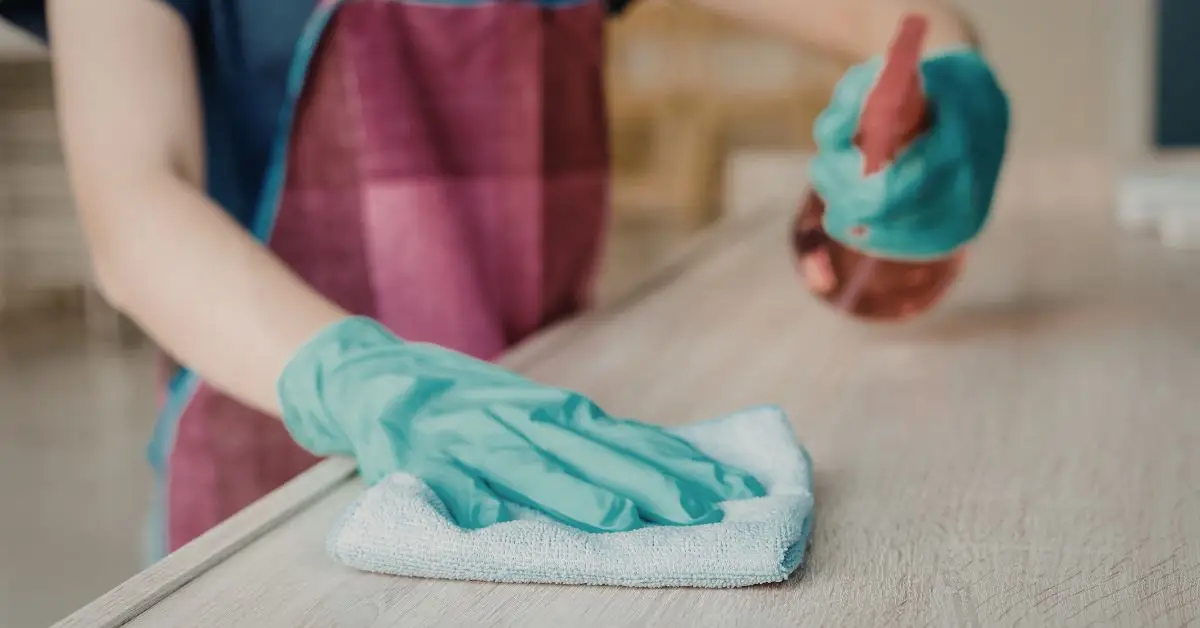
If you ask me, prevention beats constant spraying. Small daily habits make a huge difference:
Daily Cleaning Routines That Matter
- Wipe counters immediately after prepping food.
- Sweep or mop to remove crumbs from floors.
- Wash dishes without letting them pile up.
These steps remove the signals ants follow. I’ve found that skipping even one of these can invite them back quickly.
Don’t Let Food Call Ants Inside
- Store dry goods in airtight containers.
- Seal pet food and treats after each use.
Keeping food sealed means ants have nothing to track or smell, making your kitchen far less attractive. If you’re dealing with more than just ants and notice other pests like gnats in your kitchen, I also found a quick trick to clear a pantry full of gnats overnight that really works.
Moisture Control
- Fix drips under sinks or from pipes.
- Wring out damp sponges and wipe dry the sink area.
Moisture is a key attractant, so keeping surfaces dry reduces their interest dramatically.
Structural Checks for Ant Entry
- Inspect cracks around counters, tiles, and appliances.
- Seal gaps or crevices where ants could sneak in.
Even tiny gaps can act as highways for ants, so sealing them proactively really pays off. For more tips on sealing entry points and keeping ants away, you can check out Martha Stewart’s guide on preventing ants in your kitchen and bathroom—it has a few simple strategies I use myself.
Bathroom Ant Prevention — Targeting Moisture and Access
Bathrooms are tricky because ants are drawn more to moisture than food. If you treat your bathroom like a mini moisture zone, you can cut off most of their incentives to enter.
Keep It Dry
- Ventilate the bathroom after showers to reduce humidity.
- Wipe and dry areas around sinks, tubs, and drains.
Moisture is a magnet for ants, so making the space less hospitable is your first line of defense.
Tackle Hidden Food and Scent Sources
- Check for toothpaste drops or soap scum, especially near sinks.
- Keep toiletries tidy to remove lingering scents ants can track.
Even non-food residues can attract ants. Community discussions on Reddit confirm that these subtle attractants are often overlooked by homeowners.
Seal Entry Points Around Plumbing
- Caulk gaps around pipes and fixtures.
- Inspect walls for unseen cracks or holes.
Sealing these entry points ensures ants can’t use plumbing as a bridge to the rest of your home.
Natural Repellents and DIY Barrier Sprays
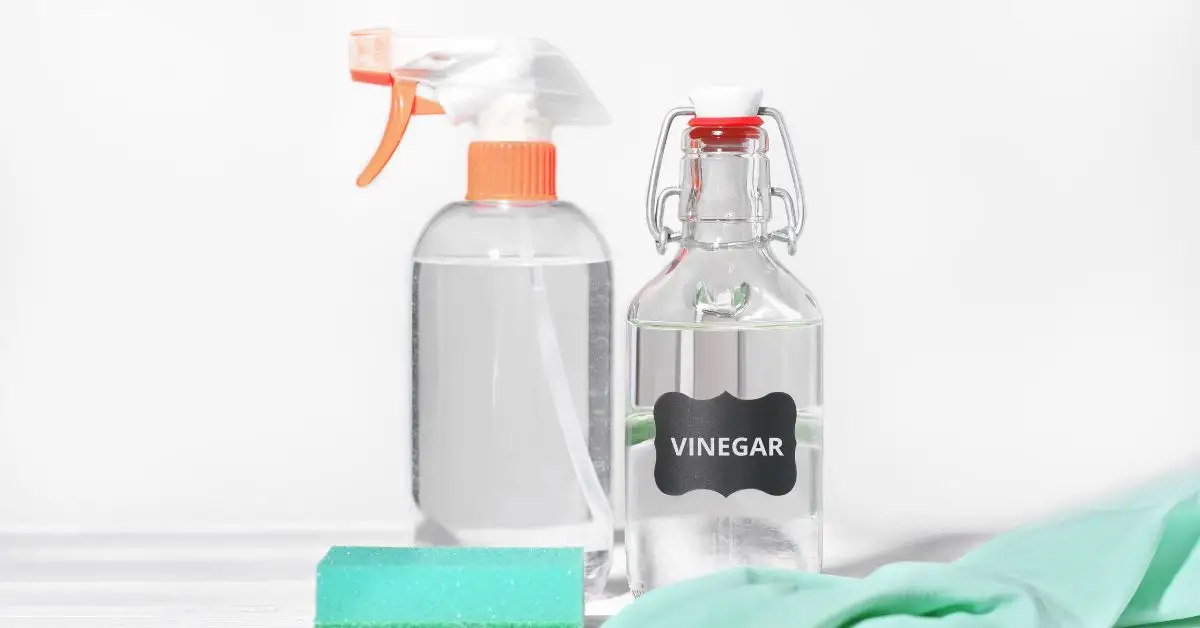
Once you’ve handled moisture and entry points, natural repellents are a safe and effective way to add another layer of protection. I use these myself because they’re simple, practical, and surprisingly effective.
Vinegar and Lemon Spray
- Mix equal parts vinegar or lemon juice with water.
- Spray along ant trails and entry points.
This disrupts pheromone trails, making your kitchen and bathroom less attractive to ants. For a more detailed guide, you can check The Spruce’s guide on natural ant repellents—it covers vinegar, citrus, and other simple home solutions.
For more home-friendly solutions, I also use a few of these natural ant killer sprays that really work without toxic chemicals, which are perfect if you want to avoid harsh chemicals.
Essential Oils That Ants Avoid
- Peppermint, eucalyptus, or tea tree oils work best.
- Mix with water and spray near problem areas.
The strong scent naturally deters ants while keeping your home smelling fresh.
Household Powders and Mixes
- Cinnamon, coffee grounds, or baking soda sprinkled along ant paths.
These low-toxicity solutions give you a variety of options that are safe around kids and pets.
When to Use Borax or Commercial Baits
- Borax traps work by being carried back to the colony, gradually eliminating it.
- Always follow safety precautions when using around children or pets.
Knowing why and how borax works makes it far more effective than just randomly placing baits.
Routine Maintenance for Long‑Term Prevention
Even after you’ve tackled moisture, sealed entry points, and set up natural repellents, maintaining your defenses is key. Ant prevention isn’t a one-time chore—it’s a habit.
Seasonal Checklists
- Spring/Summer: Check for moisture build-up around sinks, tubs, and counters.
- Winter: Inspect and reseal cracks around tiles, windows, and plumbing.
Ant activity changes with the seasons, so proactive maintenance keeps issues minimal and prevents surprises. Just like maintaining your kitchen and bathroom to prevent ants, planting disease-resistant trees that thrive with minimal effort around your home can reduce outdoor ant attractants and other pests naturally.
How to Monitor and Adapt Your Strategy
- Track any new ant trails or sightings.
- Adjust cleaning, sealing, or repellent routines when ants reappear.
By observing patterns, you learn ant behavior in your own home and stay one step ahead.
Common Mistakes Homeowners Make
Even the best efforts can fail if you unknowingly make a few common errors. I’ve seen it happen, and Reddit threads confirm these pitfalls:
- Spraying chemicals or DIY solutions without cleaning the pheromone trails first—ants just follow the same route.
- Sealing gaps or cracks without checking for trapped ants inside walls, which can lead to infestations behind surfaces.
- Ignoring even a single attractant, like a small food spill or damp sponge—one overlooked source can undo all your prevention efforts.
Learning from these mistakes helps you stop ants effectively rather than chasing them endlessly.
Safety Notes and When to Call a Professional
Some situations need caution or expert help. Here’s how I approach it:
- Use natural deterrents safely—avoid over-concentrating essential oils and keep borax out of reach of kids and pets.
- If ants keep returning despite your efforts, or if the infestation spreads behind walls or plumbing, it’s time to bring in a professional.
For expert guidance on ant behavior and when infestations require professional help, I often refer to PestWorld’s guide on where ants hide. It explains common hiding spots, prevention strategies, and safe control practices that I follow myself.
Closing Summary: A Preventive Mindset
If you take one thing away from this guide, let it be this: preventing ants is about habits, awareness, and consistency—not just quick sprays or one-off fixes. By understanding what attracts ants, controlling moisture, sealing entry points, and using safe natural repellents, you create a home that’s inhospitable to these persistent invaders.
The real secret is repetition. Checking for new trails, keeping surfaces clean, and adjusting your routines over time ensures your kitchen and bathroom stay ant-free all year round. Think of it like training your home—small daily actions add up to a big long-term payoff.
I’d love to hear from you: what strategies have worked in your home, or which tip are you excited to try first? Drop a comment below and share your experience!
And if you want more home maintenance and preventive tips like this, be sure to check out Build Like New for expert advice, guides, and step-by-step solutions to keep your home running smoothly.
Disclaimer: The tips and information in this article are for general home prevention purposes. They are not a substitute for professional pest control advice. If you have a severe or persistent ant infestation, consult a licensed pest control expert.