12 Storage Unit Mistakes: Items You Must Never Keep
Storing your stuff in a storage unit might seem like a simple solution when you’re running out of space at home. I’ve helped countless people figure out what’s safe to store and what’s a disaster waiting to happen, and trust me—there are things you’d never guess can ruin a unit. You might think a sealed box of snacks is harmless, or that keeping old furniture is fine, but the truth is, some items can cause mold, pests, fires, or even legal trouble.
In this article, I want to walk you through the 12 things you should never keep in a storage unit, with real reasons why, practical tips to protect your belongings, and a few insider secrets I’ve learned over the years. By the end, you’ll know exactly what to avoid so your storage experience stays stress-free.
1. Perishable Food and Pantry Items
I’ve seen it happen more times than I can count—someone stores a box of canned beans or bags of pet food, thinking it’s perfectly safe, and comes back weeks later to find a rodent buffet waiting. Even sealed pantry staples can attract pests or start to spoil, and the smell alone can ruin everything around it.
Here’s what I’d never put in a storage unit:
- Canned or dry goods
- Snacks and candy
- Pet food
- Baking supplies
Even seemingly harmless kitchen items like baking supplies or small appliances can cause problems if stored improperly—check this guide on how to safely use your oven’s bottom drawer for storage for practical tips before moving kitchen items to your unit.
These items might seem harmless, but in a storage setting, pests and mold are the real threats. To understand more about why food is such a no-go, Martha Stewart has a detailed guide on items to never keep in a storage unit that’s worth checking.
2. Flammable, Combustible, and Hazardous Materials
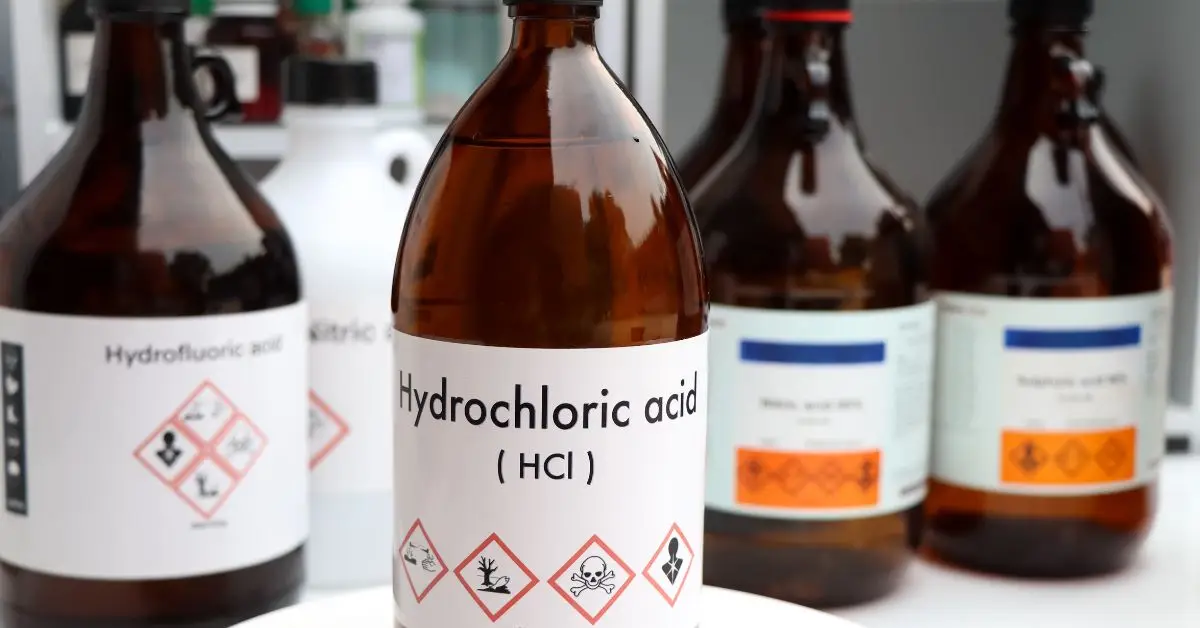
You might think a little paint or a propane tank is fine to store, but these are serious fire and chemical hazards. Facilities usually have strict rules against them, and your insurance won’t cover an accident caused by them.
Things you should absolutely avoid:
- Gasoline and propane tanks
- Paint, solvents, and chemicals
- Fireworks
- Bleach and pesticides
If you’re thinking about storing any chemicals, don’t. It’s not worth the risk of fire, explosion, or legal headaches.
3. Living Things and Organic Materials
I know it seems obvious, but some people try to stash plants, seeds, or even small animals. I’ve seen plants wilt into a soggy mess and attract bugs or mold, creating a chain reaction that ruins nearby boxes.
What to avoid here:
- Live animals or insects
- Houseplants or seeds
- Any perishable organic material
Even if it seems small and harmless, organic matter introduces moisture and decay—problems you don’t want in your storage unit.
4. Weapons, Ammunition, and Explosives
I can’t stress this enough: storing weapons or explosives isn’t just unsafe—it’s illegal in many cases. Storage facilities explicitly prohibit these items to protect everyone and avoid liability.
Examples of what not to store:
- Firearms and ammunition
- Fireworks or explosives
- Any heavy or dangerous weapons
If you own guns or other hazardous equipment, keep them at home in proper safes or seek specialized storage designed for these items. Even a single spark can turn a unit into a disaster.
5. Irreplaceable Valuables and Sentimental Keepsakes
If you’ve ever looked through an old photo album or pulled out a family heirloom, you know some things just can’t be replaced. Storing these in a unit—even a climate-controlled one—can be risky. Humidity, temperature swings, and even theft can turn priceless memories into heartbreak.
Items I personally would never store:
- Family photos and albums
- Important documents like birth certificates or wills
- Heirlooms and antiques
- Sentimental keepsakes
A safe approach is to keep these at home in a monitored environment or digitize important documents and photos. Homes and Gardens has a solid guide on items that shouldn’t be stored that covers this perfectly.
6. Money, Securities, and Personal Identity Documents

You might think a storage unit is a good temporary vault, but trust me—it isn’t. Units lack the security of a bank or safe deposit box, and losing cash, passports, or certificates can be devastating both financially and emotionally.
Here’s what I’d never leave in a unit:
- Cash or coins
- Stocks, bonds, or financial certificates
- Passports and social security cards
- Any personal ID documents
Even if the unit seems secure, the risk of theft or environmental damage is real. I always advise keeping these at home in a fireproof safe or in a bank vault.
7. Damp, Wet, or Moisture-Prone Items
Moisture is silent but deadly for storage. I’ve seen a single damp jacket ruin an entire box of clothing or a piece of furniture, spreading mold and mildew that’s expensive to clean.
Avoid storing:
- Wet or damp clothes, towels, or bedding
- Outdoor gear that hasn’t fully dried
- Wooden furniture that hasn’t been treated or dried
Simple fixes make a huge difference: always dry items completely and use moisture absorbers in your unit. If you’re finding yourself overwhelmed with items you shouldn’t store, you might also want to explore clever downsizing secrets to boost storage without losing style, so you can keep only what truly matters before heading to a unit. Insights from All Star Storage emphasize how moisture spreads quickly and silently—something most people underestimate.
8. Electronics and Items With Batteries
I get why people store old gadgets, but electronics are extremely sensitive to heat, cold, and humidity. Batteries can leak, overheat, or even catch fire, and climate swings can fry delicate circuits.
Things I’d never store without careful prep:
- Laptops, tablets, and smartphones
- Small appliances and home electronics
- Devices with batteries (remote controls, toys, gadgets)
If you must store electronics, use a climate-controlled unit and remove batteries before packing. Bubble wrap, original boxes, or airtight containers can help protect your devices for the long haul.
9. Scented and Leak‑Prone Toiletries
You might think that keeping your toiletries or cosmetics in a sealed bottle makes them safe, but storage units aren’t always kind to everyday products. Temperature changes can cause bottles to crack or leak, and strong scents can attract pests that quickly turn your unit into a problem zone.
Items to keep out of your unit:
- Perfumes and colognes
- Shampoos, conditioners, and body wash
- Lotion and liquid cosmetics
- Any product that could leak or stain
A small leak might seem harmless at first, but it can ruin cardboard boxes, papers, and even electronics nearby. I always suggest packing these at home or carrying them with you instead.
10. Liquids and Aerosols

Liquids and aerosols are deceptively risky. Even a partially full container can expand or contract with temperature swings, causing spills. Aerosols are pressurized, and if they rupture, they can cause fire hazards or damage everything around them.
Some key examples:
- Spray paint or hairspray
- Cleaning solutions
- Cooking oils or specialty liquids
- Partially full drink bottles
Remember, empty containers aren’t always safe either. Temperature changes can still stress the material and cause cracks, so it’s better to avoid storing any liquids or pressurized cans.
11. Vehicles and Machinery Without Proper Prep
I know a lot of people think their car, motorcycle, or lawnmower can just be parked in a unit temporarily—but fluids and batteries make this risky. Gas, oil, and coolant can leak and cause corrosion, while batteries can degrade or even explode in extreme temperatures.
Items that need careful attention:
- Cars, motorcycles, or ATVs
- Lawnmowers and small engines
- Any machinery with fuel, oil, or batteries
If you absolutely must store machinery, proper prep is essential: drain fluids, remove batteries, and consider a unit designed for vehicles. Otherwise, it’s a recipe for damage and expensive headaches.
12. Illegal or Unregistered Items
This one is critical: some things are just not allowed legally in a storage unit. Storing stolen property, unregistered vehicles, or illegal goods can lead to serious legal consequences, not to mention voiding your storage contract.
Items to avoid entirely:
- Stolen or suspicious property
- Unregistered vehicles or trailers
- Controlled substances or illegal materials
Even if you think no one will notice, facilities have strict policies and the law can catch up. It’s not worth the risk, so always play it safe and store only items you’re legally allowed to own and move.
When Storage Unit Rules Vary
I’ve noticed that one person’s “safe to store” item can be another’s disaster, simply because not all storage units are created equal. Climate-controlled units, local laws, and the rules written into your rental contract all affect what’s allowed. That means what’s prohibited in one facility might be fine elsewhere—but you can’t assume anything.
A few tips to navigate this:
- Always read your facility’s contract carefully.
- Ask staff about climate control, insurance coverage, and prohibited items.
- Consider local laws—some states have stricter rules on certain chemicals or items.
Understanding these differences upfront saves you headaches later and keeps your belongings safe. Before you pack everything away, it’s also smart to check out 7 home storage spots experts say you must avoid and what to do instead; this helps you identify hidden risks at home and keeps your storage unit from becoming a disaster.
Actionable Tips Before You Rent a Storage Unit
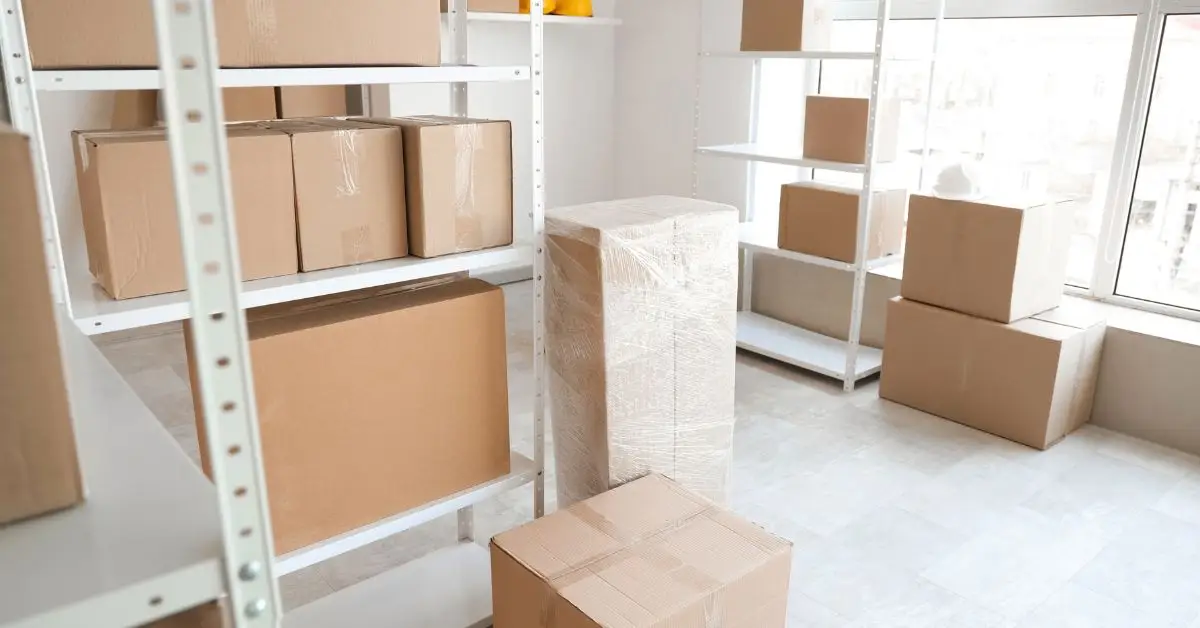
Now that you know what not to store, here’s how to protect your items and make the most of your unit:
- Check facility policies and insurance coverage — Don’t rely on assumptions; confirm what’s allowed and what isn’t.
- Use climate-controlled units for sensitive items — Electronics, paper documents, and certain furniture last much longer in stable temperatures.
- Pack properly with breathable containers — Cardboard boxes, plastic bins, and moisture absorbers go a long way in preventing mold and mildew.
- Inventory and label everything — You’ll save time and prevent accidental damage when you need to retrieve items.
- Consider alternatives for risky items — If it’s too valuable, sensitive, or hazardous, think about donating, disposing, or finding specialized storage instead.
Following these steps will help you sleep easy knowing your things are safe.
Protect Your Belongings and Stay Informed
At the end of the day, storage isn’t just about putting boxes somewhere—it’s about protecting your valuables and making smart decisions. I hope walking through these 12 items gave you clarity on what to avoid.
If you have experiences or questions about storage units—what worked, what went wrong, or tips you’ve learned—I’d love for you to share in the comments below. And for more practical guides, storage hacks, and advice on keeping your home organized, visit Build Like New for step-by-step insights you can trust.
Disclaimer: This article is for informational purposes only. Storage rules, laws, and safety guidelines can vary by location and facility. Always check with your storage provider and follow local regulations before storing any items.