Stop Using Cold Water to Wash Dishes — Here’s What Happens to Your Kitchen Hygiene
I used to think rinsing my dishes in cold water was no big deal. After all, soap should do the work, right? But over the years, I’ve learned the hard way that cold water isn’t just less effective—it can actually leave your dishes greasy, let bacteria linger, and even strain your hands if you’re washing a lot.
You might not notice it at first, but every plate, cup, or pan you wash in cold water is a tiny risk for leftover food residue, odors, and germs. In this article, I’ll show you why cold water fails, how it impacts your health and hygiene, and simple ways to get sparkling clean dishes every time. By the end, you’ll never look at your kitchen sink the same way again.
The Science Behind Cold Water Dishwashing: What Your Sink Can’t Tell You
I didn’t realize it at first, but washing dishes with cold water isn’t just “less clean”—it actually changes the way your soap works. If you want to see a list of the most common dishwashing mistakes people make, check out 10 Things You’re Doing Wrong When Washing Dishes — it complements these tips perfectly. Here’s what happens when you skip the warm water:
How Cold Water Impacts Grease and Food Residue
- Grease doesn’t break down: Cold water makes fats and oils cling to your plates instead of letting soap dissolve them.
- Sticky film builds up: Even if your dishes look clean, that invisible residue can trap odors and bacteria.
- More scrubbing, less effective: You end up spending extra effort, and still, some food particles remain.
The Detergent Activation Problem (Why Soaps Don’t Work Well)
- Soap molecules are designed to interact better at warmer temperatures. Cold water slows this process.
- Detergents don’t emulsify oils fully, which means your “clean” dishes may still harbor grease.
- Over time, washing in cold water can dull your cookware and glasses because leftover residues stick.
Bacteria, Foodborne Illness, and Cross‑Contamination Risks
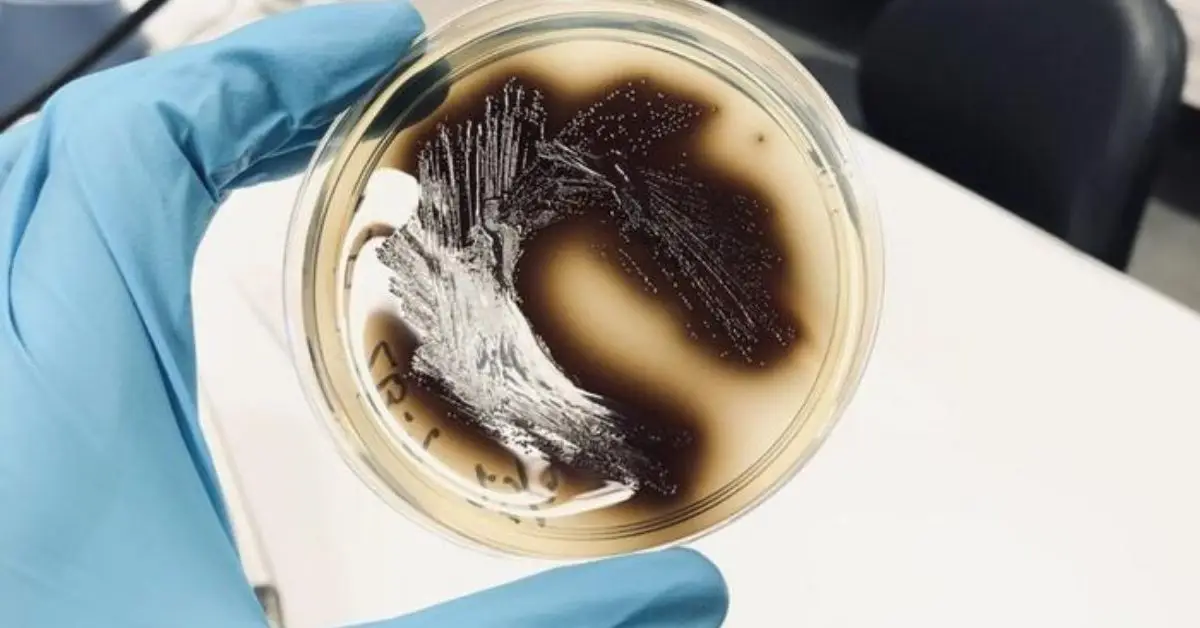
Once I realized cold water leaves residue, I started thinking about what else survives — bacteria. This is where it gets serious:
What Pathogens Survive Cold Washes (and Why It Matters)
- Salmonella, E. coli, and other germs can cling to plates if they’re not washed in sufficiently warm water.
- Cold water alone won’t kill these microbes, even with soap. Leaving dirty dishes sitting overnight can worsen the bacteria problem we discussed earlier — read more in Why Leaving Dishes in the Sink Overnight Is Riskier Than You Think for a deeper dive.
- Skipping warm water regularly increases your chance of unnoticed contamination.
Who’s Most at Risk
- Children and babies: Their immune defenses are still developing, so even tiny leftovers can cause illness.
- Elderly family members: Aging weakens immunity, making it harder to fight foodborne pathogens.
- Anyone with a compromised immune system: For them, dishwashing mistakes can quickly turn into health issues.
And here’s something most people don’t think about until they feel it themselves — cold water doesn’t just make dishes less sanitary, it can affect your body when you’re washing for any length of time. As an orthopedist warns, cold water exposure during chores can trigger joint discomfort and muscle strain, especially for people with circulation issues.
Washing dishes in warm water isn’t just about sparkle — it’s about safety and comfort. By making this simple switch, you’re protecting yourself and your loved ones while making the chore easier on your body.
Cold Water and Your Hands: Muscles, Joints, and Long‑Term Strain
I didn’t really connect the dots between the water temperature at my sink and the way my hands felt after doing a load of dishes — until one day my fingers were stiff and achy for hours afterward. Washing dishes in cold water doesn’t just affect cleanliness; it affects your body too.
Cold Water’s Impact on People With Circulation Issues (e.g., Raynaud’s)
- Joint strain over time: Cold water causes your muscles and joints to tense up, and repeated exposure can lead to ongoing soreness.
- Circulation problems: If you already struggle with poor circulation or conditions like Raynaud’s, cold water pulls blood away from your extremities and makes your hands go numb or painful.
- Numbness and discomfort: For some, this isn’t just annoying — it’s an actual physical reaction that can linger long after you’ve left the sink.
This is one of those kitchen facts most people never think about, but once you feel it yourself, it’s hard to ignore. Your hands deserve better than cold torture every day.
Not All Dishes Are Equal: When Cold Water Is Acceptable
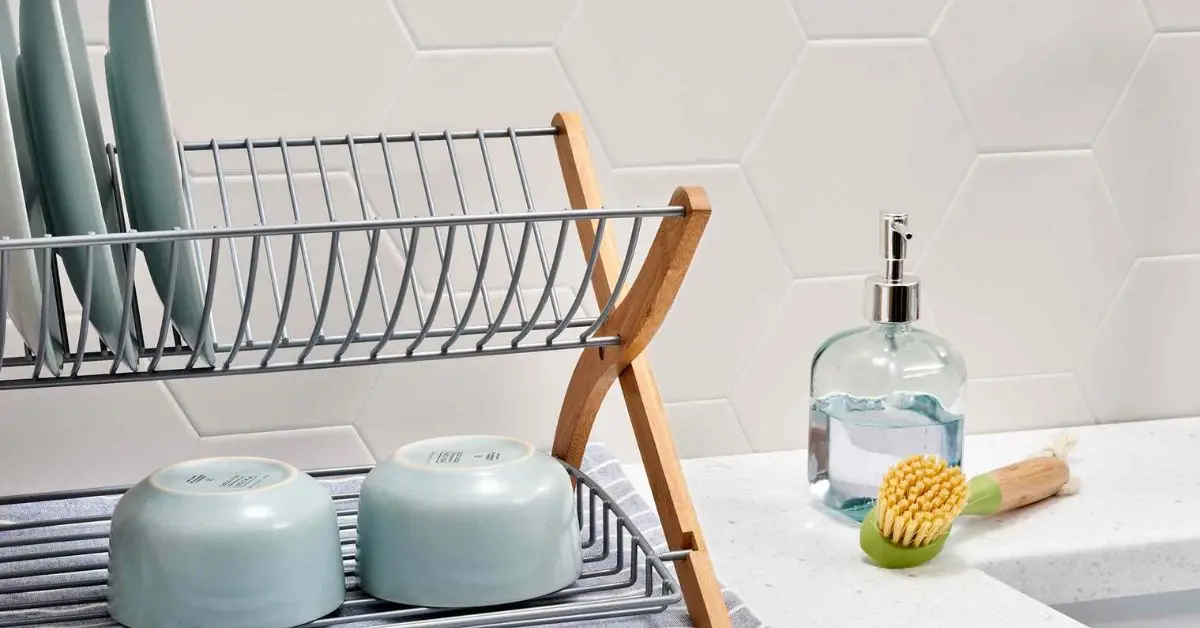
Let me be clear: I’m not saying you should never touch cold water in your sink again. There are times it’s totally fine — it’s just about knowing when and why.
Lightly Soiled Items and Quick Rinses
- Quick pre‑rinses: If a glass or plate only has crumbs or a light film, a swift cold‑water rinse can be enough.
- Low‑grease dishes: Items that haven’t seen meat, oil, or sticky sauces usually come clean without hot water.
- Energy and water savings: Using cold water occasionally for the simplest jobs can save energy without putting hygiene at risk.
The Role of Dish Soap Quality and Technique
- Better detergents work in cooler water: Some modern soaps are formulated to perform even in lower temperatures — but they work best with warmth.
- Technique matters: If you’re using a good scrub and rinse process, cold water can clean basics — but it won’t do what warm water does for sanitization and grease removal.
- Not a substitute: Cold water shouldn’t be your go‑to for everything, especially not for pots, pans, and plates with dried food residue.
If you ever read up on dishwashing temperatures and common mistakes, The Spruce explains why using cold water — especially with poor technique — often means your dishes never get truly clean.
How to Wash Dishes the Right Way Every Time
After realizing all the pitfalls of cold water, I started paying closer attention to how I wash dishes — not just the water temperature, but the entire process. It turns out that a few small adjustments make a huge difference.
Optimal Water Temperature (Warm vs Hot Explained)
- Warm water is key: Around 110–120°F (43–49°C) is ideal for breaking down grease without scalding your hands.
- Hot water is situational: Hotter water can sanitize better, but it’s not always necessary and can damage delicate items.
- Why cold fails: As we covered, cold water leaves soap less effective and grease sticking behind.
Order of Washing, Tools That Matter, and Sanitizing Tips
- Wash in order: Start with glasses and lightly soiled items, then move to plates and cookware, finishing with greasy pans.
- Use the right tools: A good sponge or brush can make even cold water more effective, but it’s still no substitute for proper warmth.
- Sanitize occasionally: For baby bottles, cutting boards, or heavily soiled dishes, a quick hot water soak or dishwasher sanitize cycle ensures safety. For extra hygiene and tough stains, you can try some proven cleaning hacks — see 10 Kitchen Cleaning Hacks with Hydrogen Peroxide That Actually Work for simple ways to boost your dishwashing routine.
Following these tips has made washing dishes faster, easier, and far more reliable. Southern Living has a detailed guide on proper dishwashing methods that helped me fine-tune my routine.
Cold Water Dishwashing: Common Myths Busted
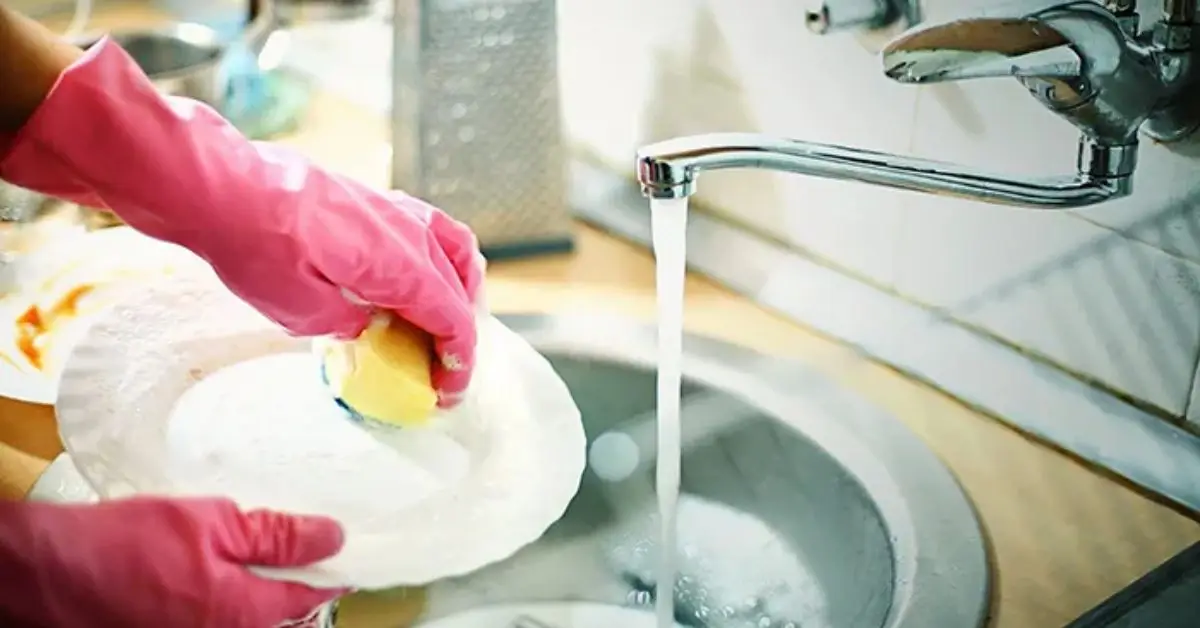
Even after reading all the guides, I kept hearing myths about cold water. Let’s set the record straight.
“Cold Water Saves Energy” — True or False?
- Partially true: Cold water uses less energy than hot, but only if you’re washing very lightly soiled dishes occasionally.
- False for full loads: For greasy or protein-heavy dishes, the extra scrubbing and re-washing can actually waste more water and energy.
“Soap Does All the Work” — What You Need to Know
- Soap helps, but doesn’t replace heat: Cold water prevents detergent from fully activating, leaving behind grease and bacteria.
- Technique matters: Proper scrubbing and rinsing are essential — even the best soap can’t do it all.
Fact-checking these common beliefs makes your dishwashing smarter and safer, not just more convenient. Busting these myths also gives your family peace of mind — you know your dishes are truly clean, not just looking clean.
Your Dishwashing Checklist: From Cold Mistake to Clean Mastery
I know changing habits in the kitchen can feel overwhelming, so I’ve broken it down into simple steps you can apply today. This checklist keeps you from falling back into old cold-water habits while making dishwashing faster, safer, and more effective.
Simple Steps You Can Apply Today
- Always start with warm water: Even a slightly warm rinse activates soap and removes grease better than cold.
- Sort dishes by type and soil: Glasses and lightly soiled plates first, pots and pans last.
- Use proper tools: A sponge, brush, or scrub pad suited for each dish type prevents leftover residue.
- Rinse thoroughly: Don’t just swipe — make sure soap and debris are fully gone.
What to Change First for Biggest Impact
- Switch to warm water for all dishes that have grease or protein residue.
- Adjust your washing order so the dirtiest items don’t contaminate the clean ones.
- Pay attention to your hands — if you notice stiffness or discomfort, warm water helps prevent strain.
Following these small adjustments immediately improves both cleanliness and safety.
When You Might Still Use Cold Water (But Safely)
Not every dish requires warm water. Cold water can work in a few limited scenarios if you’re smart about it:
- Lightly soiled plates and glasses: Quick rinses with cold water are fine.
- High-quality dish soap: Some modern detergents are designed to work in cooler temperatures.
- Minimal contact time: Avoid prolonged scrubbing in cold water to protect your hands and joints.
This nuance helps you save energy and time while still keeping hygiene standards high.
Conclusion
Washing dishes in cold water might seem harmless, but it affects cleanliness, health, and even your comfort. By understanding why cold water fails, adjusting your temperature, and following a smart washing sequence, you can get sparkling dishes without extra effort — and protect your hands and your family’s health.
I’d love to hear from you: have you ever noticed cold water leaving your dishes greasy or your hands sore? Share your experience in the comments below!
For more practical tips on creating smart, safe, and efficient home routines, visit my website: Build Like New — your go-to place for building better habits at home.
Disclaimer: This article is for informational purposes only. The advice shared here is based on general research and expert sources, but it is not a substitute for professional medical, health, or safety guidance. Always use your judgment and consult a professional if you have specific health or medical concerns.