6 Home Mess Details Pro Organizers Can’t Ignore
I’ve spent years walking into homes that feel “just a little messy” and quickly spotting the patterns most people don’t notice. You might think a cluttered countertop or a pile of laundry is just part of everyday life—but professional organizers see these as clues. Every pile, misaligned drawer, or “invisible” pile of mental tasks tells a story about habits, systems, and where your home’s energy is getting stuck.
In this article, I’m going to share the six things organizers always spot first when they enter a messy home—and more importantly, what you can do about them. You’ll learn how to spot the hidden problems yourself, and I’ll show practical fixes that actually stick, not just temporary tidying hacks. By the end, you won’t just understand the mess—you’ll know how to prevent it from taking over your space again.
Thing #1: Piles That Don’t Have a Home
I’ll be honest—when I walk into a home, the first thing my eyes go to isn’t the floor or the couch. It’s the piles. Mail stacked on the counter, un-sorted paperwork, clothes left on chairs—these aren’t just small annoyances.
They’re a clear signal that your home doesn’t have a strong system in place. Piles form because there’s no “home” for your items, and over time, what starts as a small stack quickly becomes overwhelming. Sometimes you just need a temporary home for items while you organize—if you’re struggling to find space, here are 10 smart places to tuck away mess when cleaning isn’t an option.
Here’s what you can do:
- Create a Home for Everything: Assign a specific place for each type of item. Mail goes in a designated tray, clothes get a hamper, and papers have a filing spot.
- Daily 5-Minute Pile Reset: Spend five minutes at the end of the day returning items to their home. You’ll be surprised how much clutter disappears with just this tiny habit.
- Use Practical Tools: Label bins, vertical sort trays, or stackable baskets can make it easier to maintain order without overcomplicating things.
Pro organizers often say that invisible clutter is the first thing that eats up a home’s space and energy. For example, this Good Housekeeping article on professional organizer tips shares how simple sorting systems can make your daily life feel lighter and more manageable.
Thing #2: Storage That Hides Problems Instead of Solving Them
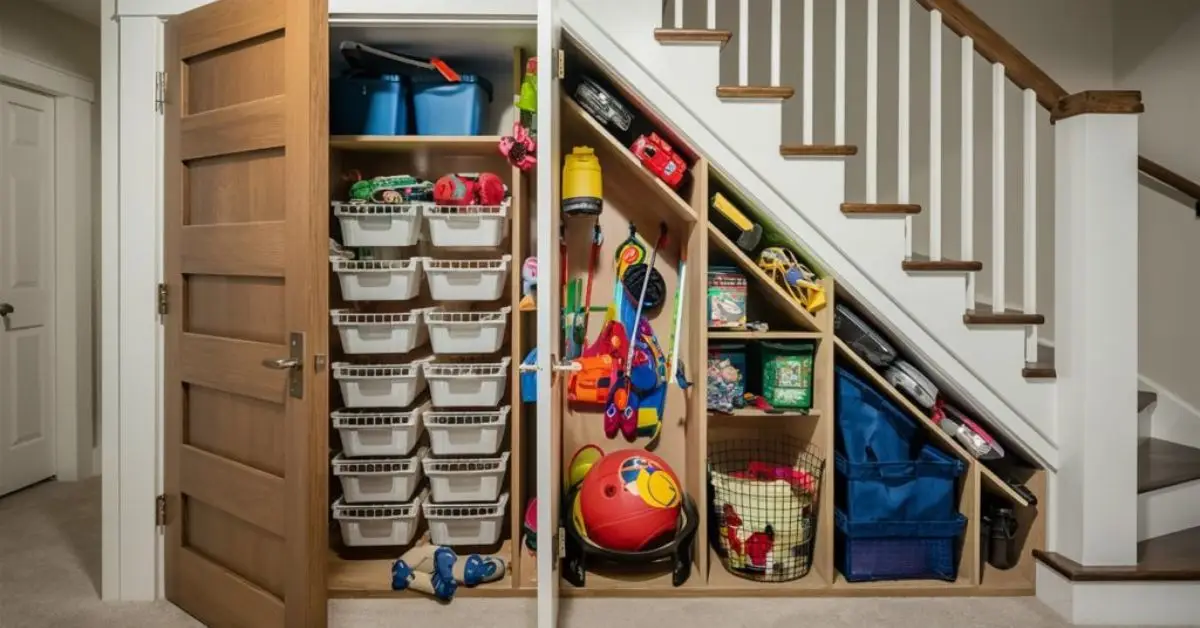
You might think that adding more bins or baskets automatically makes a space organized—but that’s where most people go wrong. I’ve seen it countless times: overflowing bins that always end up back at zero, or storage spaces that double as dumping grounds. Storage without a system is just clutter camouflage—it hides the problem instead of fixing it. To keep storage spaces like mudrooms from becoming dumping grounds, I recommend a few daily habits—here are 5 daily mudroom habits that keep winter mess under control.
Here’s how I approach it:
- Purpose-Based Storage: Every container should have a clear role. Ask yourself, “What goes in here, and how often will I access it?”
- One In, One Out Rule: To prevent overflow, make it a habit to remove one item whenever you add a new one.
- Set Storage Metrics: Keep track of capacity and usage frequency. If a bin gets filled every week, it’s time to rethink its purpose or expand the system.
By focusing on function over looks, you’ll notice your home feels calmer—and items actually stay where they belong. You’ll spend less time digging through piles and more time enjoying your space.
Thing #3: Surface Clutter That Blocks Function
When I enter a home, I rarely start with the floor. Instead, my eyes go straight to surfaces—countertops, nightstands, coffee tables. These areas tell me how someone lives day to day. A few random items here and there may seem harmless, but cluttered surfaces actually decrease usability and subtly increase stress.
Here’s how you can tackle it:
- The 3-Zone Surface Rule: Divide each surface into three categories—Keep, Donate, and Relocate. This makes decisions fast and keeps things manageable.
- 10-Minute Surface Reset: Set a timer daily or every few days to clear high-traffic surfaces. It only takes ten minutes, but the difference is dramatic.
- High-Traffic Surface Checklist: For kitchen counters, nightstands, and coffee tables, ask:
- Is this item used daily? → Keep
- Is this item useful but rarely? → Relocate
- Is this item unnecessary? → Donate
By focusing on surfaces, you’re addressing the spaces that directly affect your routines and comfort. For more expert insight on what professional organizers immediately notice in messy homes, this Homes and Gardens guide highlights practical examples and real-life tips to keep surfaces functional and clutter-free.
Thing #4: Misaligned Zones in Everyday Spaces
One thing I notice that almost no other article explains in depth is zoning. Zoning is about making sure each space supports the activities that happen there. When items live far from where you use them, life gets unnecessarily complicated: kitchen gadgets buried in a cupboard far from prep areas, shoes dumped by the door instead of a landing zone, or kids’ school stuff scattered across rooms. If your entryway often becomes a dumping ground, I’ve shared 5 must-have products to transform it from messy to inviting that actually work for daily use.
Here’s how to fix misaligned zones:
- Map Zones Room by Room: Walk through your home and note where items are used versus where they’re stored. Identify friction points.
- Simple Repositioning: Move items closer to where they belong. For example, mugs near the coffee machine, keys near the front door.
- Mini Case Study: Before—kitchen utensils stored in drawers across the room, morning routine slowed by constant searching. After—utensils moved next to prep station, morning prep time reduced by 50%.
Zoning isn’t about perfection; it’s about making your home work for you rather than you working around your home. Properly aligned zones save time, reduce frustration, and make daily routines feel effortless.
Thing #5: Invisible Clutter — Tasks You Keep in Your Head
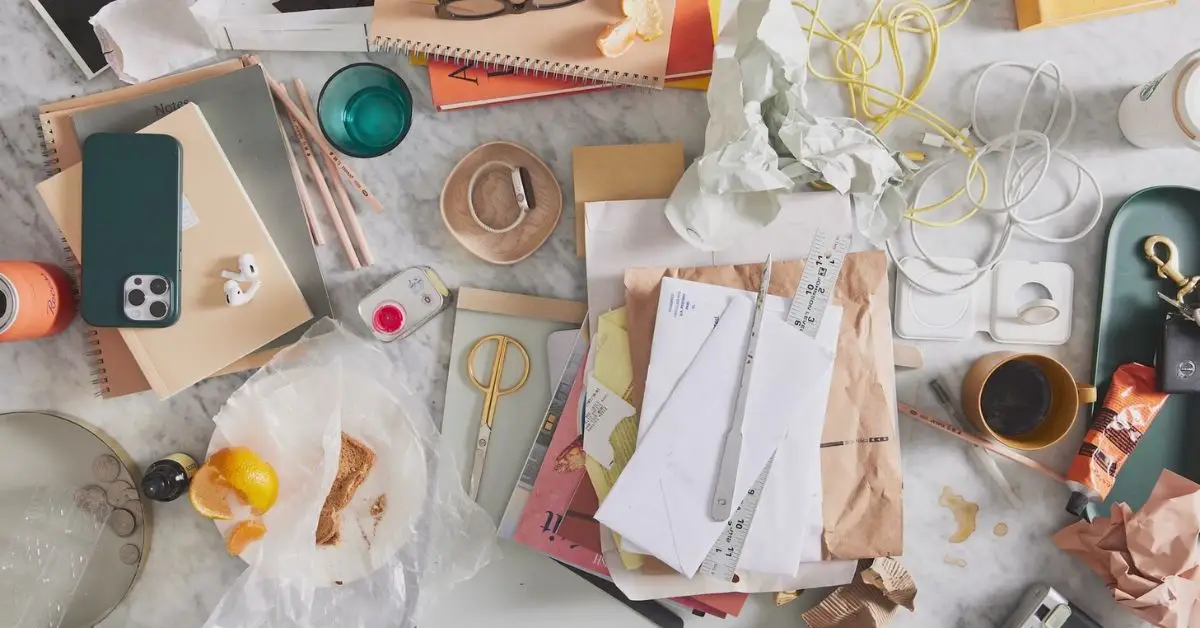
Here’s something most people don’t realize: clutter isn’t always physical. Mental clutter—unfinished tasks, to-dos floating in your head, or decisions you keep postponing—can create just as much chaos. Professional organizers spot this immediately because it’s often the hidden reason why physical mess keeps coming back.
Here’s how I deal with invisible clutter:
- Capture Systems: Write things down. Use notes, apps, or a whiteboard to get mental tasks out of your head.
- Daily/Weekly Review: Spend a few minutes each day or week reviewing your lists. Decide what’s urgent, what can wait, and what can be removed.
- Productivity Frameworks: Applying methods like Getting Things Done helps structure your mental tasks so they don’t spill over into your physical space.
Research even shows that cognitive load from clutter can reduce focus and productivity. For a deep dive on how clutter affects your brain and simple ways to manage mental overload, check out this Harvard Business Review article on cognitive load and clutter.
Thing #6: Broken Habits Behind Surface Problems
Physical mess is often a mirror of behavior patterns. Professional organizers look beyond what’s in plain sight to identify the habits that keep clutter cycling through your home. Understanding these patterns is where real change begins.
Here’s what I focus on with clients:
- Procrastination Triggers: Items left because tackling them feels daunting.
- Decision Fatigue Spots: Surfaces overloaded with choices—like a drawer stuffed with miscellaneous tools—lead to chaos.
- “Just in Case” Mentality: Holding onto things you might someday need, even if they rarely get used.
Here’s how to start changing these habits:
- Habit Stacking: Attach a tidying task to an existing habit. For example, clear your nightstand every night after brushing your teeth.
- 2-Minute Tidy Rule: If it takes less than two minutes to put something away, do it immediately.
- Accountability Loops: Partner with a friend or family member to check in and stay consistent.
By addressing the habits behind the mess, you’re not just tidying—you’re creating a home that maintains itself. Small, consistent changes make the biggest difference.
Quick Diagnostic Checklist
Sometimes, seeing your clutter in one place makes the problem—and solution—much clearer. That’s why I recommend a quick diagnostic checklist for your home.
- Printable / Copyable Checklist: Note the six things we’ve covered—piles, storage issues, surface clutter, misaligned zones, invisible clutter, and broken habits.
- Score Yourself: Give each area a Red (needs attention), Yellow (some issues), or Green (good) rating.
- Next Steps Based on Score:
- Red: Tackle this area first—pick one small actionable step.
- Yellow: Maintain daily habits and review weekly.
- Green: Celebrate your wins but stay consistent.
This simple snapshot lets you see patterns, prioritize fixes, and stay motivated without feeling overwhelmed.
Common Myths About Clutter Professionals Reject

It’s easy to get misled by what “everyone says” about organizing. Here’s what pros know that most guides miss:
- Myth 1: More Containers = More Organization
Containers can help—but without a system, they just hide clutter. Too many bins can make things harder to find. - Myth 2: Minimalism is the Only Solution
You don’t need to throw everything away. Organizing is about function, not fitting a particular aesthetic. - Myth 3: Organizing is One-Time Work
Clutter doesn’t disappear overnight. Professionals focus on sustainable habits so your home stays orderly.
Understanding these myths gives you the freedom to create a home that works for you, not for someone else’s idea of perfect.
Closing Thought: Mindset Shift That Changes Everything
Here’s the truth: organizing isn’t a one-time event—it’s a habit. The small, consistent steps you take each day have a compounding effect.
- Start with just one action from the checklist today.
- Focus on creating systems that match your lifestyle, not forcing yourself into someone else’s method.
- Remember, the goal isn’t a perfect home—it’s a home that works for you.
I’d love to hear from you: What’s your biggest clutter challenge right now? Share your thoughts in the comments below. And if you want more practical tips, tools, and step-by-step guides for transforming your space, visit my website at Build Like New. Let’s make your home feel lighter, clearer, and truly yours.
Disclaimer: This article is for informational purposes only. The tips and strategies shared reflect professional organizing practices and personal experience, but results may vary depending on your home, habits, and lifestyle. Always use your judgment when applying any organizational methods.