How to Get Your Shower Doors Sparkling Clean Using Vinegar
I don’t know about you, but there’s nothing more frustrating than stepping into the shower and seeing those streaky, cloudy doors staring back at me. I’ve tried every spray, scrub, and miracle cleaner under the sun—and most of the time, it feels like I’m just moving the grime around.
Over the years, I discovered one simple trick that consistently works: vinegar. Yes, the same stuff sitting in your kitchen cabinet. It’s cheap, non-toxic, and surprisingly effective at cutting through soap scum and mineral buildup that makes glass doors look dull.
In this guide, I want to show you exactly how to clean your shower doors with vinegar so they sparkle every time, without spending hours scrubbing or buying expensive products. I’ll also share the little tweaks and expert tips that most guides miss—so you can get results fast and keep them that way.
By the end of this, you won’t just have clean doors—you’ll understand why this method works and how to make it stick long-term. Ready to finally enjoy streak-free glass? Let’s dive in.
Why Everyone Struggles With Shower Doors
I’ve been there—standing in front of my shower doors, scrubbing and wiping, only to find streaks, cloudiness, or stubborn soap scum still clinging to the glass. And no matter what cleaner I used, it often felt like the grime was winning.
Here’s the reason why:
- Soap scum – When soap mixes with minerals in water, it forms a stubborn, cloudy film on your glass.
- Hard water stains – Calcium and magnesium deposits can leave spots that feel impossible to remove.
- Mineral buildup – Over time, minerals bond to the glass surface, creating that etched, dull look.
Most commercial cleaners only work on the surface. They might remove some residue, but often leave streaks or fail to dissolve the buildup completely. That’s why even after “cleaning,” your doors can look worse than before.
Now, here’s a quick myth-buster: vinegar isn’t just another DIY hack. Its acetic acid naturally reacts with alkaline deposits, breaking down soap scum and minerals in a way many store-bought cleaners can’t. That’s why I started trusting this simple kitchen ingredient—and it’s consistently saved me time and frustration.
When Vinegar Works Best — and When It Doesn’t
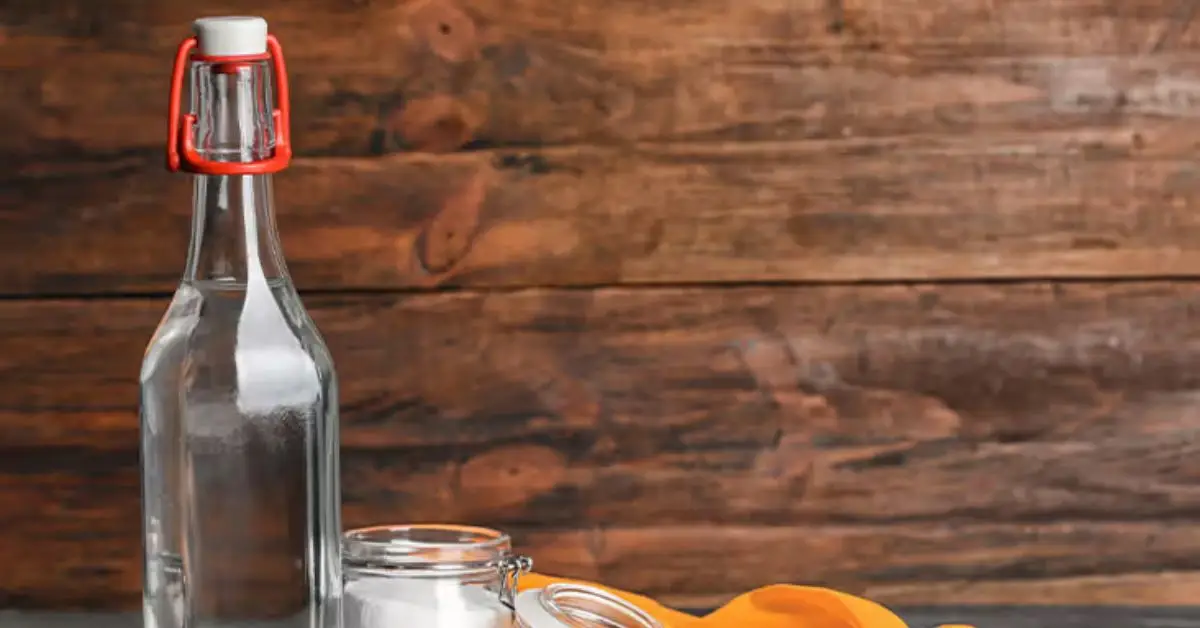
Before you grab a bottle of vinegar, it’s worth figuring out whether it’s right for your doors. Using it blindly can lead to wasted effort—or worse, damage.
Best cases for vinegar cleaning:
- Regular soap scum buildup – Perfect for doors you clean weekly or monthly.
- Light to moderate hard water spots – Vinegar gently dissolves mineral streaks without harsh chemicals.
- Routine maintenance – A quick spray and wipe can prevent buildup from getting out of hand.
Limitations you should know:
- Etched or permanent mineral cloudiness – Vinegar can’t reverse deep etching.
- Natural stone surfaces like marble or granite – Acidic vinegar may damage or discolor these materials. For guidance on safe cleaning, I often refer to the tips shared by Rosenberry Rooms.
Knowing these boundaries saves you from unnecessary scrubbing and ensures your glass doors come out sparkling without surprises.
The Simple Vinegar Hack — Step‑by‑Step
This is where it gets real. You know why vinegar works (from earlier), and now I’ll walk you through exactly how I use it so my shower doors actually look clean instead of just “less dirty.”
What You’ll Need
Before you start, gather:
- White distilled vinegar (5% acetic acid) — the cleaning star
- Distilled water — prevents new spots from minerals
- Spray bottle — for even application
- Microfiber cloths — soft and streak‑free
- Non‑abrasive sponge or soft scrubbing tool — gentle yet effective
- Squeegee — for the final shine
Having these ready means you won’t stop halfway to improvise, which often leads to streaks or wasted time.
Step‑By‑Step Instructions
- Prep doors & ventilation: Make sure the glass is dry before spraying. A dry surface helps the vinegar solution cling and do its job. I always turn on the fan or crack a window so the smell dissipates quickly — it just makes the process more comfortable.
- Mix the vinegar solution: Combine equal parts of white distilled vinegar and distilled water in your spray bottle. This balance is strong enough to tackle grime but gentle enough for regular use.
- Spray thoroughly and wait: Mist the entire surface generously and let it work for 5–15 minutes depending on how much buildup you’re facing. As explained in this Martha Stewart shower door cleaning guide, vinegar breaks down soap residue and mineral streaks without toxic chemicals.
- Gentle scrubbing motion: Using your soft sponge or microfiber cloth, scrub from top to bottom in small circles. You’re not trying to grate cheese here — a light but firm touch gets the best results.
- Rinse with distilled water: Flush everything away with distilled water. Tap water can leave new spots, so this step keeps you from undoing your hard work.
- Dry with a squeegee and cloth: This final move makes all the difference. Squeegee from top to bottom, then buff with your cloth until the glass gleams.
Proven Enhancements for Tough Stains
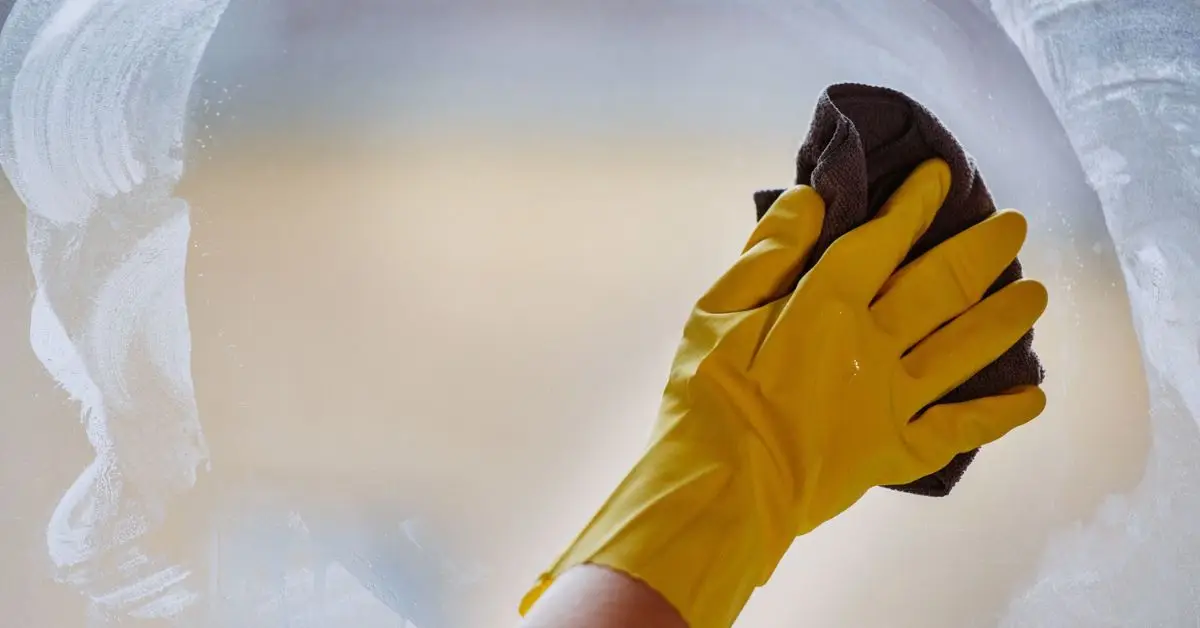
Sometimes the standard vinegar spray isn’t enough, especially if your doors have been neglected or the buildup is stubborn. Over the years, I’ve learned a few tweaks that really make a difference.
Heated Vinegar Technique
- Warming the vinegar slightly (just lukewarm, never boiling) speeds up the chemical reaction, breaking down mineral deposits faster.
- I usually pour it into a heat-safe container, let it warm for a few minutes, and then spray. It’s subtle, but it saves a lot of scrubbing.
Vinegar + Dawn Dish Soap Boost
- Adding a few drops of Dawn dish soap to your vinegar solution tackles greasy, clingy soap scum that won’t budge.
- Social posts and cleaning forums confirm this combo works wonders on tough spots.
Baking Soda Fizz Action
- For really stubborn grime, sprinkle baking soda on the glass, then spray the vinegar solution over it.
- The fizzing action combines gentle abrasion with chemical lift, making scrubbing much easier.
- A Reddit tip suggests warming the vinegar first before combining—it increases the effectiveness on tough buildup.
These tweaks are what separates “okay” results from sparkling, streak-free glass. Most guides just stop at spraying, but these methods give a professional-level clean without expensive products.
Prevent It From Getting Dirty Again
Cleaning is only half the battle—if you don’t prevent buildup, you’ll be scrubbing again next week. Here’s what I do to keep my doors shining:
Daily Habits That Matter
- Squeegee after every shower – It might seem minor, but it prevents water and soap from forming new deposits.
- Ventilation matters – Run the fan or open a window to reduce moisture and mold risk. Proper airflow isn’t just about streak-free glass; if it’s overlooked, it can contribute to bathroom mold. Learn more about this one shower mistake that could be causing bathroom mold and how to prevent it.
Weekly Maintenance Rituals
- I do a light vinegar spray once a week to prevent soap scum from settling.
- Reddit users often recommend alternatives like lemon or mild dish soap if you want variety, and using distilled water keeps spots from returning. When you’re tackling tough shower cleaning, don’t forget that the floor can get just as grimy—here are 10 genius ways to clean a pebble shower floor that actually work to keep the whole shower sparkling.
A few minutes spent consistently prevents hours of scrubbing later—and makes your shower doors feel brand new every day.
Safety & Surface Compatibility
Even though vinegar is natural and effective, it’s not safe for every surface. Over the years, I’ve learned a few rules to avoid damaging your doors or surrounding hardware.
- Avoid natural stone – Marble, granite, and other stone surfaces can etch or discolor if exposed to vinegar. Stick to glass, chrome, or stainless steel.
- Protect metal tracks and hardware – Vinegar can corrode certain metals over time. I always cover or rinse any metal parts after spraying.
- Control the smell – Vinegar has a strong odor, but good ventilation solves most of it. I also sometimes add a few drops of essential oil to the solution for a fresher scent.
Following these precautions keeps your glass shining without surprises and ensures your cleaning routine is safe and reliable.
Mistakes to Avoid
Even with the right technique, small missteps can undo all your work. Here are the biggest mistakes I see—and used to make myself:
- Using straight vinegar without rinsing – Leaving undiluted vinegar on the glass can leave streaks or a lingering smell.
- Cleaning in direct sunlight – The solution dries too quickly, leaving streaks and spots. I always work with indirect light or early in the day.
- Using abrasive pads – Scrubbing with rough sponges or steel wool scratches the glass. A soft microfiber cloth or sponge is all you need.
If you’ve been cleaning regularly but still see stubborn limescale, check out one common shower cleaning mistake that could be making limescale worse to make sure you’re not repeating it.
Being aware of these common errors makes your cleaning more efficient and ensures your doors stay pristine longer.
When to Call It — and What That Means
Sometimes, no matter how carefully you follow the steps, DIY cleaning reaches its limits. Knowing when to stop can save you frustration and prevent damage.
- Signs of etched glass vs. removable buildup – If the glass remains cloudy or feels rough even after thorough cleaning, it may be permanently etched rather than just covered in mineral deposits.
- Safety of aggressive methods – Avoid harsh chemicals, power tools, or abrasive scrubbing that could crack or scratch the glass. At this point, professional help or replacement is the safer option.
Understanding these limits ensures you don’t waste time or risk damaging your shower doors—a detail most guides forget to mention.
Optional: Related Household Uses for Vinegar
Once you see how versatile vinegar can be, you might start noticing other spots in your home that could benefit:
- Shower grout and tracks – A quick vinegar spray can prevent mold and grime buildup.
- Shower head mineral buildup – Soaking your shower head in vinegar removes calcium deposits and improves water flow.
- Bathroom fixtures – Faucets and drains respond well to a gentle vinegar rinse, keeping metal shiny and free of deposits.
Adding these small touches can make your whole bathroom feel like new, without extra expense or harsh chemicals.
Closing Thought
Vinegar is more than just a kitchen staple—it’s a natural, effective, and affordable way to get your shower doors sparkling. With a little technique and the tips we’ve covered, you can say goodbye to streaks, soap scum, and frustration.
If you found this guide helpful, I’d love to hear from you! Drop a comment below to share your own vinegar hacks or questions. And for more practical home cleaning and renovation tips, check out Build Like New—your go-to place for keeping everything in your home looking and feeling brand new.
Disclaimer: The tips and methods in this article are for general cleaning purposes. Results may vary depending on your shower door material and condition. Always test solutions on a small area first, and consult a professional if you’re unsure about surface safety or stubborn damage.