6 Cheap and Easy Ways to Upgrade Your Entryway Into a Mudroom
I still remember the first time I tried to keep my entryway organized—and failed. Shoes piled up, backpacks strewn across the floor, and every rainy day felt like a mini disaster waiting to happen. That’s when I realized a proper mudroom isn’t just a fancy feature in big homes—it’s a lifesaver for anyone who wants a functional, clutter-free entryway.
Creating your own mudroom doesn’t have to mean a full renovation or spending a fortune. In fact, with a few smart, affordable tweaks, you can turn even a small entryway into a space that’s practical, organized, and surprisingly inviting. I’m going to walk you through six easy ways to do exactly that—solutions I’ve tested, that work in real homes, and won’t break the bank.
By the end of this, you’ll see how a little planning, some creative storage ideas, and a few simple updates can make your entryway feel like a true mudroom—one that actually helps your day start and end a little smoother.
1. Upgrade Your Entryway with Multi-Functional Storage
If your entryway is anything like mine used to be, clutter probably feels like it multiplies overnight. Shoes, backpacks, jackets—they all seem to claim their own corner. The easiest way I’ve found to fight this chaos is to start with multi-functional storage. You don’t need a big budget or a full remodel; a few smart pieces can make a world of difference.
Here’s what I recommend:
- Build or buy a small bench with hidden storage – I use mine to stash shoes, umbrellas, and seasonal gear. It keeps the floor clear and gives me a spot to sit while putting on shoes.
- Add cubbies or baskets – These are perfect for everyday items like backpacks, hats, and gloves. I like grouping them by person so everyone knows where their stuff goes.
- Wall-mounted hooks or a pegboard – Coats, jackets, and reusable bags stay off the floor but are easy to grab when you head out the door.
I got the idea from a few trusted home design sites like Better Homes & Gardens, which showcase practical, affordable ways to organize entryways. Using these strategies makes a small space feel like it finally works for you instead of against you. Professional organizers often notice the same entryway mistakes that cause clutter—here are 6 things they always spot first in messy homes and what you can do about them.
2. Maximize Vertical Space
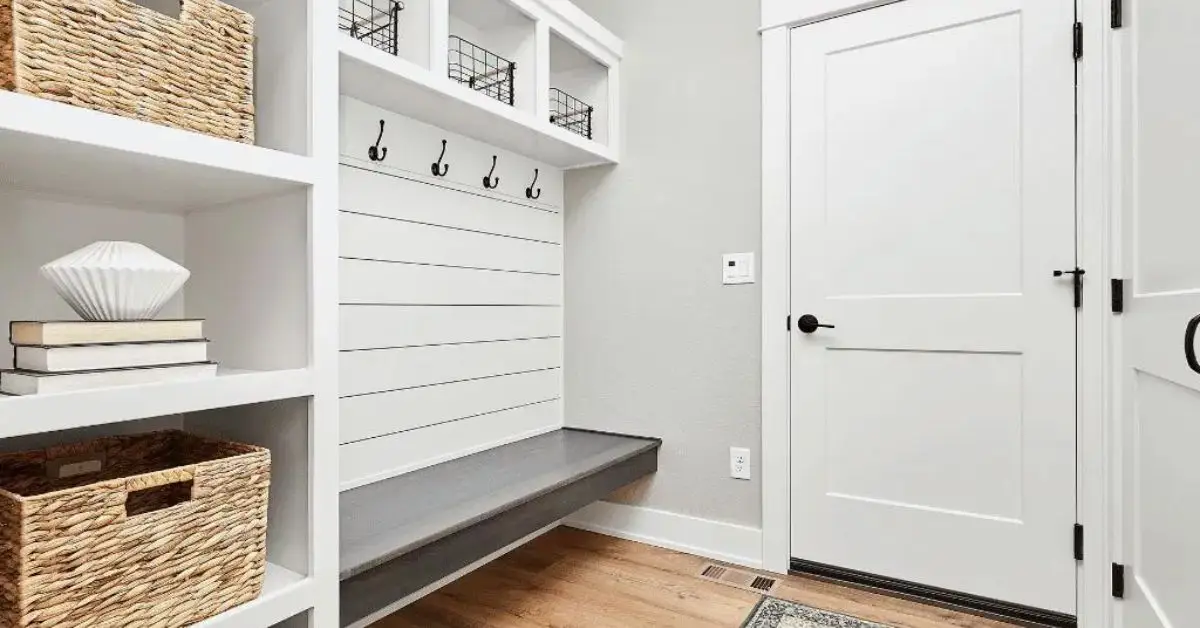
Even a tiny entryway can function like a mudroom if you use vertical space wisely. I used to waste so much room on the floor, only to realize my walls could do half the work. Here’s what I did:
- Install floating shelves – Great for baskets, small bins, or decorative storage that also keeps essentials handy.
- Use hooks at different heights – Kids’ coats at the bottom, adult jackets higher up. It keeps everything within reach without cluttering the floor.
- Add a narrow shelf for keys, mail, or small essentials – I like to keep a small tray here so nothing important gets lost on the way out the door.
Most guides show only horizontal storage, but using the walls frees up your walking space and makes even the smallest entryway feel organized and open.
3. Add Affordable Protective Flooring
One thing I learned quickly is that even the best storage won’t help if your floors are constantly a mess. Mud, snow, and spilled drinks can turn your entryway into a nightmare in minutes. The trick is to protect the floor without spending a fortune.
Here’s what I do:
- Use washable runner rugs or inexpensive vinyl mats – They catch dirt and water while being easy to throw in the wash. I keep one near the door for shoes and boots, and it makes a huge difference.
- Install peel-and-stick tiles or adhesive floor protectors – For a more permanent solution, these are simple to apply and remove, and they take the worry out of muddy days.
- Rotate seasonally – I swap rugs and mats based on the weather to keep things functional and clean-looking all year. To keep your rugs, mats, and floors looking clean through winter, check out these 7 winter cleaning hacks to remove salt stains from boots, carpets, and floors.
For some great examples of budget-friendly floor protection ideas, check out Frills & Drills. Their tips really show how you can make a space practical without spending a lot.
4. DIY Mail & Drop Zones
Even after organizing shoes and coats, I noticed clutter always found its way to my entryway in the form of mail, keys, and random gadgets. That’s when I started building small, dedicated drop zones—and it completely changed how the space works.
Here’s how I set mine up:
- Small wall-mounted mail organizers or corkboards – Everything from letters to bills now has a place, so it doesn’t end up on the bench or floor.
- Dedicated tray for keys, sunglasses, and daily essentials – I keep one near the door, and it saves me from the morning scramble.
- Customize with cheap materials – Wooden crates, thrifted trays, or even a painted box can be repurposed into a functional organizer.
I got a lot of inspiration from The DIY Playbook, which shows easy DIY setups that anyone can replicate. Having a simple drop zone makes the mudroom actually work for your daily life.
5. Affordable Lighting & Mirrors
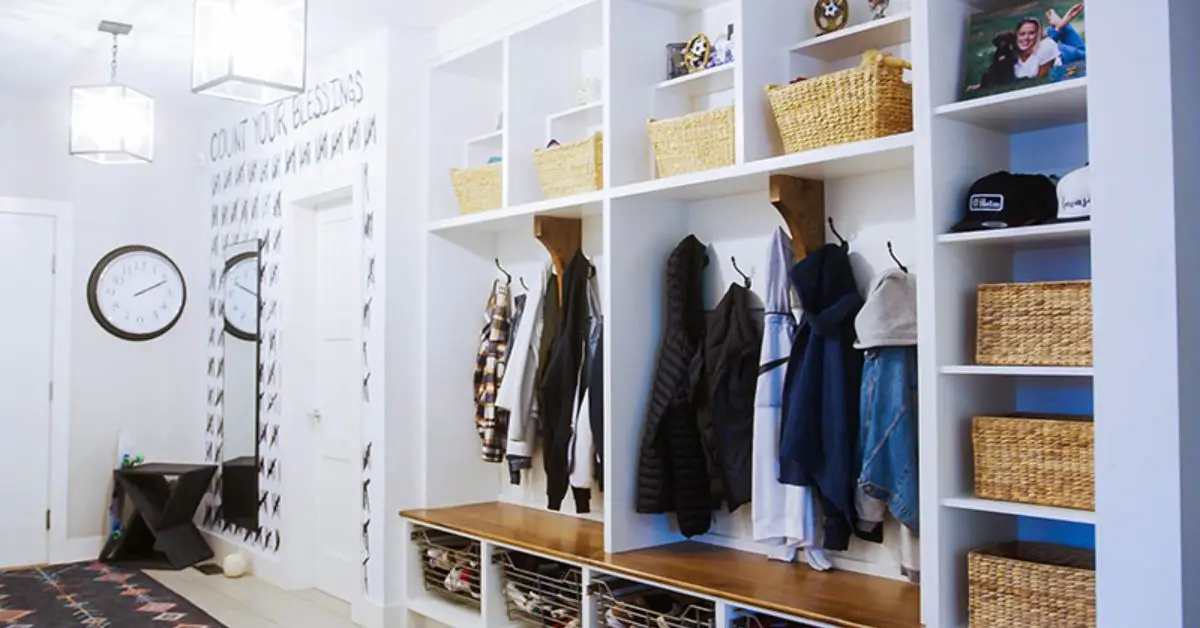
One thing I noticed in most entryway guides is that lighting and mirrors are often an afterthought—but they make a huge difference. A dark, cramped space can feel messy no matter how organized it is. Adding a little light and a well-placed mirror can completely change how your entryway feels.
Here’s what works for me:
- Add LED strip or plug-in wall lights – They brighten the space instantly without any complicated wiring. I like positioning them near the bench and hooks so the area is well-lit at all times.
- Mount a mirror – Not just for checking your outfit before heading out, a mirror makes even the smallest entryway feel larger and more open.
- Combine lighting with hooks or small shelves – You can have a dual-purpose setup where a small shelf holds mail or keys, and an overhead light keeps everything visible.
This simple combo of light and reflection keeps the space functional while giving it a polished look, even if your entryway is on the smaller side.
6. Style on a Budget
A mudroom doesn’t have to be purely functional—it can be inviting too, without costing a fortune. I used to worry that style meant spending hundreds on décor, but small, thoughtful touches can make a big impact.
Here’s how I do it:
- Paint or wallpaper – A fresh coat of paint or a small accent wall can completely transform the mood of the space without a huge budget.
- Affordable decorative baskets, labels, and trays – Grouping items in matching containers makes the entryway look intentional, not cluttered.
- Combine function with style – I use color-coded storage for each family member or swap décor seasonally; it keeps things organized and adds personality.
Many guides show only pretty photos without explaining how to do this affordably, but these small, budget-friendly updates make your mudroom both functional and welcoming.
Quick Maintenance Tips
Even the best mudroom setup can lose its charm if it isn’t maintained, but the good news is that keeping it functional doesn’t have to be a chore. I’ve found that a few simple habits go a long way:
- Daily clutter sweep – Take just 5 minutes each day to put shoes, bags, and coats back in their spots. It keeps the space usable and prevents small messes from turning into big headaches.
- Seasonal reset for shoes, coats, and gear – Swap out boots for sandals in summer, or rotate winter jackets and scarves in fall. It keeps the mudroom organized year-round.
- Cleaning routines for mats and benches – Wipe down surfaces weekly and wash rugs or mats as needed. A little upkeep prevents dirt buildup and keeps the space looking fresh.
These small steps make your entryway feel like a real mudroom every day, without feeling overwhelming. If you want to make sure your mudroom stays clutter-free all season, these 5 daily mudroom habits that keep winter mess under control can make a huge difference.
Conclusion
Transforming your entryway into a functional, inviting mudroom doesn’t have to cost a fortune. With multi-functional storage, vertical solutions, protective flooring, a dedicated drop zone, smart lighting, and thoughtful style, you can create a space that actually works for your daily life.
I’d love to hear from you—what’s the biggest challenge in your entryway, and which of these tips are you excited to try first? Share your thoughts in the comments below!
And if you want more practical, budget-friendly home transformation ideas, check out Build Like New for guides, tips, and step-by-step projects that help you make your home both beautiful and functional.
Disclaimer: The tips and suggestions in this article are for general informational purposes only. Results may vary based on your space, materials, and personal circumstances. Always follow safety guidelines when doing DIY projects.