Is Garage Storage Safe for Paint? Home Experts Explain
I’ve always wondered about the best way to store leftover paint after a weekend project. You might be in the same boat—cans stacked in the garage, unsure if they’ll survive the summer heat or winter freeze. It’s tempting to just leave them there, but garages aren’t as harmless as they look.
In this article, I’ll walk you through what experts say, what can go wrong, and the practical steps you can take to keep your paint usable and safe. By the end, you’ll know exactly whether your garage is a friend or a foe to your paint stash—and how to handle it without guessing.
Defining the Problem
When it comes to storing paint, most of us automatically think, “The garage should be fine, right?” I get it—I’ve done the same thing. But let’s break down why people actually toss paint into the garage:
- Leftover paint from projects: That half-full can seems like a goldmine for touch-ups later.
- Seasonal projects: You buy paint for summer projects and want it ready for next year.
- Bulky storage space: Garages are convenient because they often have room that closets or basements don’t. If you want to make space and improve storage conditions, check out this guide on 7 garage items to clear out after winter.
Now, what does “safe storage” really mean? In my experience, it’s not just about keeping the can closed. Safe storage ensures:
- Usability: You can still stir and apply the paint without clumps or separation.
- Stability: Temperature swings don’t ruin the chemical integrity.
- No hazards: You’re not creating fire risks or chemical dangers in your home.
Is Garage Storage Acceptable?
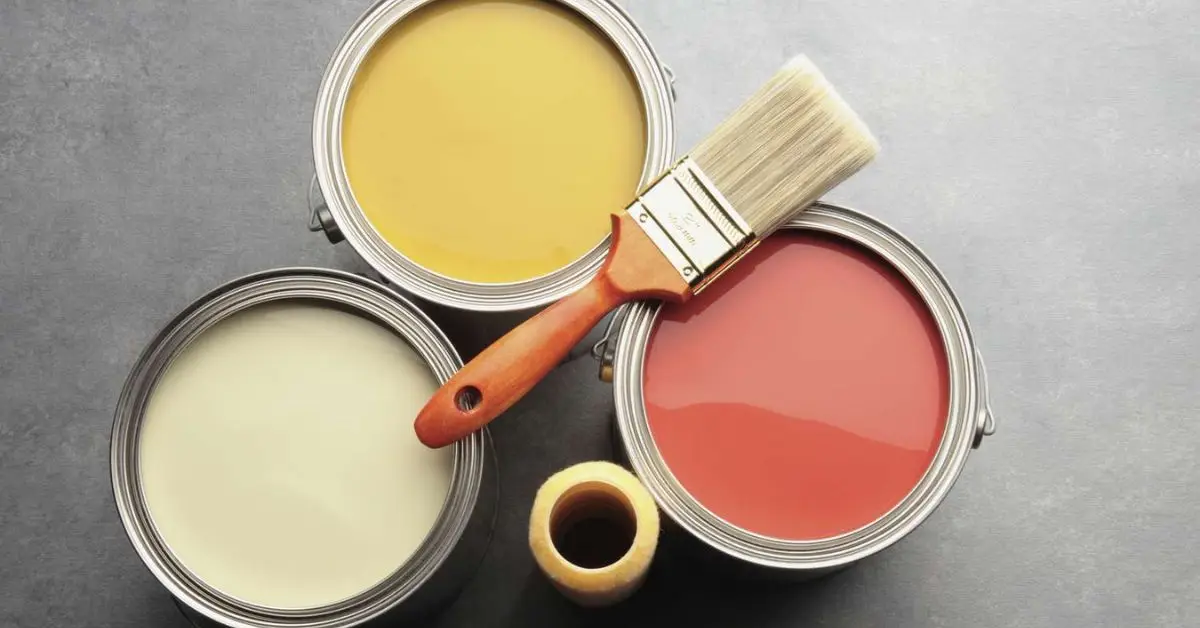
I’ve talked to painters and checked multiple industry notes, and here’s the takeaway: storing paint in a garage can work, but only if you follow certain rules. Professionals often point out:
- Keep cans off the concrete floor to avoid temperature swings and moisture damage.
- Don’t stack cans more than two or three high—risk of leaks increases.
- Monitor seasonal extremes; garages can hit scorching heat in summer or freeze in winter.
Manufacturer Recommendations
If you want the safest bet, nothing beats going straight to trusted sources. For example, Martha Stewart’s guide on storing paint highlights the key precautions you should take when using your garage as storage: Can You Store Paint in Your Garage?. Some points that stood out for me:
- Always keep paint cans sealed and upright.
- Avoid temperature extremes—heat or freezing can ruin the paint.
- Organize cans to prevent tipping or leaks.
Temperature and Humidity: The Critical Factors
If you’ve ever opened a paint can after a hot summer, you know it can look and smell…off. I’ve learned the hard way that garage climate isn’t just about comfort—it directly affects whether your paint is usable or ruined.
Effects of Heat on Paint
- Extreme heat speeds up chemical reactions inside the can, causing the paint to thicken or even separate.
- Prolonged exposure can shorten the shelf life dramatically, meaning that “good” paint today might be unusable in months.
- Oil-based paints are especially sensitive; latex paints handle heat slightly better but aren’t immune.
Effects of Cold and Freezing
- Water-based paints like latex can freeze, leading to clumps, separation, and a ruined texture.
- Even if you thaw the paint, its performance can be compromised, leaving uneven finishes when applied.
Humidity, Condensation, and Rust
- Moisture in a garage can cause the metal cans to rust, potentially creating leaks.
- Condensation inside the can can dilute paint and alter its consistency.
- Elevated humidity accelerates degradation, especially for latex paints.
Risk Assessment: What Can Go Wrong If You Store Paint in a Garage
Safety Risks
- Paint fumes are flammable, so storing several cans in a hot garage could create a fire hazard. To learn more about other risks, read 7 hidden fire hazards lurking in your garage that could make paint storage even more dangerous.
- Some paints fall under local fire codes for flammable liquids; ignoring this can void insurance claims.
- Spills or leaks increase risk of accidental exposure or environmental contamination.
Quality Risks
- Paint can separate, develop lumps, or expire faster than expected.
- Even if the lid looks sealed, the integrity can be compromised by temperature swings.
- Poor storage can waste money and leave you frustrated with unusable paint.
Legal/Insurance Considerations
- Many homeowner insurance policies have clauses about storing flammable liquids.
- If a fire occurs and paint storage contributed, claims could be denied.
- It’s always smart to check your insurer’s official guidelines—Olympus Insurance highlights common storage mistakes and potential risks if you ignore them.
Best Practices for Storing Paint in Your Garage

Conditions That Make Garage Storage Work
If you decide your garage can work as a storage spot, there are a few practical steps I always follow to protect paint quality and safety.
Temperature Control Solutions
- Use insulation or weather-stripping to reduce extreme temperature swings.
- Consider a small climate-controlled unit or fan to circulate air in summer.
- Avoid placing paint cans near heaters or direct sunlight.
Organization and Safety
- Elevate cans off the floor using shelves or pallets to prevent moisture damage.
- Keep cans away from walls to avoid condensation contact.
- Clearly label every can with date and color, and always ensure lids are tightly sealed.
Secondary Containment
- Place cans in trays or shallow bins to catch any drips or leaks.
- This protects your floor and reduces cleanup if a can fails unexpectedly.
Alternatives to Garage Storage (When It’s Not a Good Fit)
Sometimes, no matter how careful you are, your garage just isn’t ideal. For a list of items that shouldn’t be in your garage—and what to do instead—see 10 things you should never store in your garage and what to do instead. I’ve found it’s better to consider alternatives before risking a ruined can:
Basement/Closet with Stable Temps
- Cooler, insulated areas inside your home maintain a more consistent temperature than most garages.
- Less exposure to sunlight, frost, or heat extremes keeps paint usable longer.
Dedicated Storage Cabinet
- A sealed metal or plastic cabinet designed for flammable liquids adds safety.
- Keeps paint away from kids, pets, and accidental spills.
Community Hazardous Waste Programs
- Some communities offer temporary storage or recycling programs for old or excess paint.
- They’re an option if you have leftover paint you won’t use soon.
- For guidance, you can check The Spruce article on items stored in the wrong place, which explains why garages aren’t always ideal for paint and other household items.
Common Myths and Misconceptions About Paint Storage
When I first started storing paint, I believed a few common myths—many people do. Let’s clear them up:
- “Paint lasts forever” – Unfortunately, all paint has a shelf life. Even unopened cans can degrade over time.
- “If the lid looks sealed, it’s fine” – A sealed lid doesn’t guarantee the paint inside hasn’t separated or thickened.
- “Latex paint can survive freezing” – Freezing can ruin the consistency and usability of latex paints.
Quick Reference: How to Check If Paint Is Still Good
Here’s a practical method I use to quickly assess whether paint is still usable:
- Visual cues: Check for separation, mold, or clumps. A uniform color and texture is a good sign.
- Smell test: A sour or strong chemical odor indicates the paint has gone bad.
- Stir and consistency check: Stir thoroughly; the paint should be smooth, not lumpy or watery.
Summary
Let’s wrap up the main points I’ve learned and shared:
- When it’s okay: Garages can work if temperature, humidity, and organization are managed carefully.
- What to avoid: Don’t leave cans on cold concrete, near heaters, or in direct sunlight. Watch for leaks and expired paint.
- Best storage practices: Elevate cans, label them, seal lids tightly, and consider alternatives like basements, closets, or dedicated cabinets when possible.
I’d love to hear from you! How do you store leftover paint? Have you ever had a garage disaster—or found a storage hack that works? Share your experience in the comments below.
Also, for more hands-on tips and practical home improvement advice, check out my website: Build Like New. You’ll find guides, checklists, and expert advice for keeping your projects smooth and stress-free.
Disclaimer: The information provided in this article is for general guidance only. Always follow manufacturer instructions and local safety regulations when storing paint. The author is not responsible for damage, injury, or loss resulting from paint storage decisions.