7 Things Experts Say You Should Remove From Your Garage After Winter
Winter is finally letting go, and if your garage is anything like mine, it’s probably still holding onto snow shovels, half-empty bags of ice melt, and random boxes you barely remember. I’ve learned over the years that a cluttered garage isn’t just annoying—it can make finding what you actually need harder, create safety hazards, and even cost you time and money.
In this post, I’m going to walk you through seven specific items I recommend clearing out after winter, backed by expert tips and practical advice, so you can reclaim your space and start spring feeling organized. By the end, you’ll not only have a cleaner garage but a system that helps prevent the mess from creeping back next season.
Why Decluttering Your Garage After Winter Makes a Difference
If you’re like me, the garage can quickly turn into a catch-all during winter. Snow shovels, salt bags, and winter gear pile up, leaving little room to actually use the space. I’ve noticed that the longer I wait, the harder it becomes to move around—and that’s when small hazards can turn into accidents.
The Cost of Winter Clutter
Clutter doesn’t just look messy—it impacts how your garage functions. Here’s what I’ve seen over the years:
- Lost space: You can’t park your car or access tools easily.
- Safety risks: Items stacked too high or hidden behind snow gear can fall or trip you.
- Wasted time: You spend more time hunting for what you actually need.
Getting rid of these seasonal items isn’t just about aesthetics—it’s about making your garage usable again.
Seasonal Storage vs. Hoarding — What Experts Say
I reached out to a few professional organizers and scoured social posts to see how they handle post-winter cleanups.
You don’t need to keep everything from last winter. A little planning now saves you stress later. For guidance on what’s truly worth keeping versus tossing, I like following tips from experts at The Spruce — they break it down in a practical, no-nonsense way.
How to Approach a Post-Winter Garage Declutter (Step-by-Step)
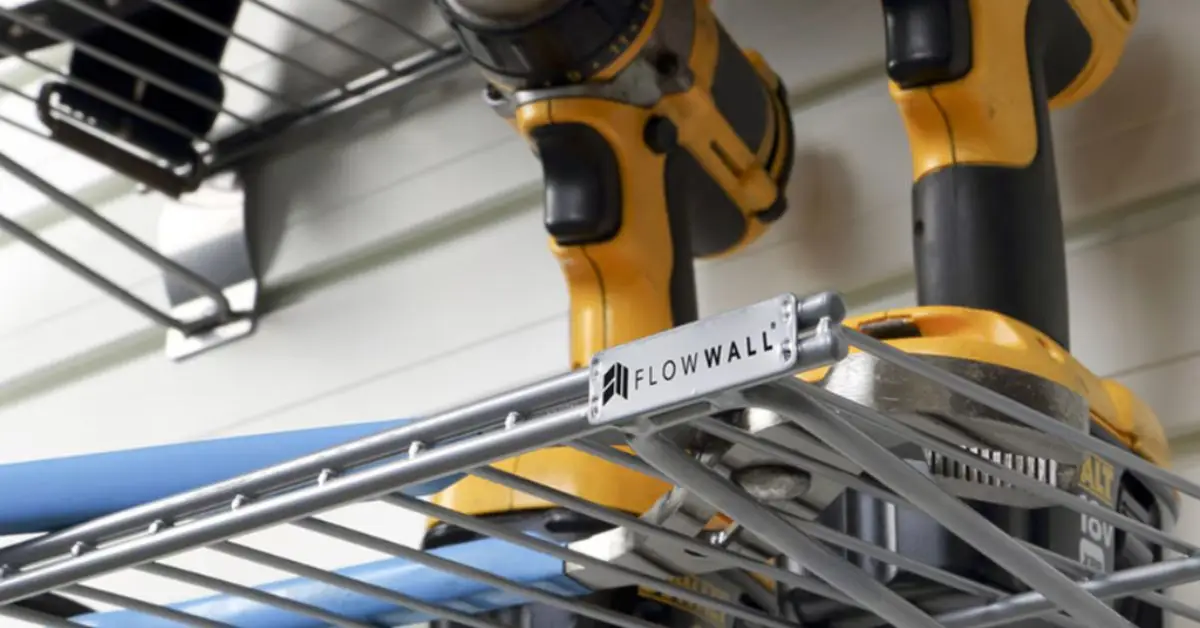
Before jumping in, I always start with a clear plan. Trust me, it makes the process faster and less overwhelming. Here’s my go-to approach:
Quick Pre‑Sort Method (Keep / Donate / Trash / Recycle)
I like setting up four zones in my garage before touching anything:
- Keep: Items I genuinely use or need for next winter.
- Donate: Gear or tools still in good condition but no longer useful to me.
- Trash: Broken or unsafe items that can’t be repaired.
- Recycle: Materials that can be processed responsibly.
This simple system gives you a visual sense of progress and keeps you motivated. Just like decluttering your garage, I’ve shared 3 simple steps to declutter your clothes and take control of your closet—these small routines can make a big difference in keeping your home organized year-round.
Safety First — Tools and Supplies You’ll Need
Before diving in, I always gather:
- Sturdy gloves
- Trash and recycling bins
- Boxes for donations
- Cleaning supplies for dust, mud, or leftover salt
Having these ready not only speeds up the cleanup but keeps you from injuring yourself on old, sharp, or rusty items.
Item #1 — Rusted or Broken Snow Removal Tools
Winter does a number on your shovels and ice scrapers. If they’re bent, rusted, or have cracked handles, it’s time to let them go.
I’ve tripped over my own broken tools more than once, and I know how dangerous a cluttered garage can become. Beyond safety, these tools take up space you could use for spring gear or even just parking your car comfortably.
Item #2 — Old Ice Melt and Chemical De‑icers
Leftover ice melt from last winter can lose effectiveness or even become hazardous if stored too long. I always check expiration dates and smell the bags—if it’s off, it’s out.
Safe Disposal Tips
Here’s what I do to stay safe and eco-friendly:
- Keep chemicals in their original containers.
- Take them to your local hazardous waste facility.
- Never pour them down drains or onto the lawn.
For official guidelines, the EPA provides clear instructions on handling and disposing of chemicals safely. Following these rules prevents accidents and protects your driveway and local waterways.
Item #3 — Worn Out Winter Tires
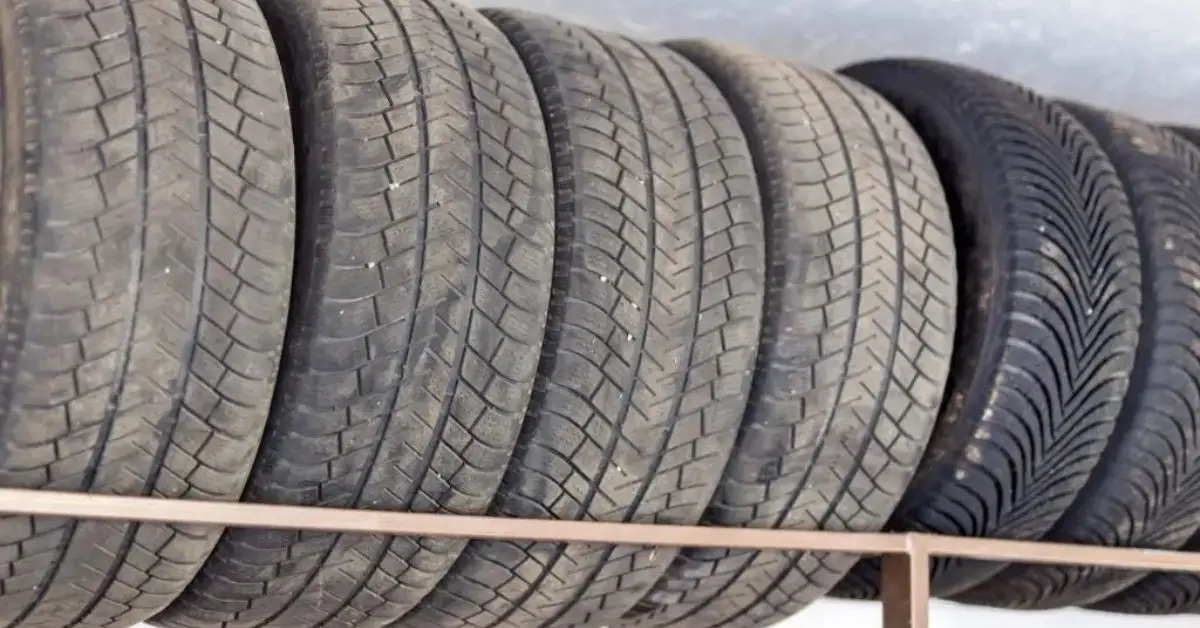
Tires take up a surprising amount of space in my garage. Old, bald, or damaged tires aren’t just clutter—they’re unsafe to reuse.
Best Practices for Tire Storage or Recycling
I’ve found a few options that work well:
- Donate lightly worn tires to local charities or community centers.
- Recycle old tires at dedicated recycling centers.
- Store seasonal tires off the ground, stacked vertically, in a cool, dry area.
Pro tip: Many local tire shops accept old tires for recycling, saving you a trip to a dump. Check your city’s recycling page for programs near you.
Item #4 — Old or Damaged Outdoor Furniture Covers
I used to keep every furniture cover “just in case,” only to find them ripped or mildewed by spring. They don’t belong in your garage if they can’t protect anything anymore.
When to Repair vs. When to Toss
Here’s my quick rule:
- Repair: Small tears or missing ties can be fixed with a sewing kit.
- Toss: Covers with mold, large holes, or worn-out fabric aren’t worth saving.
- Donate: If it’s still usable but no longer needed, consider giving it to a friend or charity.
Item #5 — Expired Lawn & Garden Chemicals
After winter, I always check my fertilizers, weed killers, and pesticides. Chemicals degrade over time, and using them can be ineffective or even harmful. Some can react dangerously if mixed or stored improperly.
Disposal & Local Regulations
Here’s my routine for staying safe:
- Keep all products in their original containers.
- Label anything leftover clearly with expiration dates.
- Take expired or unused chemicals to your local hazardous waste collection site.
- Never pour chemicals down the drain, on the lawn, or in the trash.
Item #6 — Broken Bicycles or Sports Gear
Old bicycles, skis, or sports equipment tend to accumulate because we think we might fix or use them “someday.” I’ve learned that most of these items just take up space and create clutter.
Options: Repair, Donate, or Recycle
Here’s how I handle it:
- Repair: Only if it’s a favorite or high-value item. Small fixes like inflating tires or replacing cables can save it.
- Donate: Local youth programs or community centers often accept gently used gear.
- Recycle: Metal frames, worn-out plastic parts, and helmets can often go to specialized recycling centers.
Item #7 — Miscellaneous Forgotten Boxes and Containers
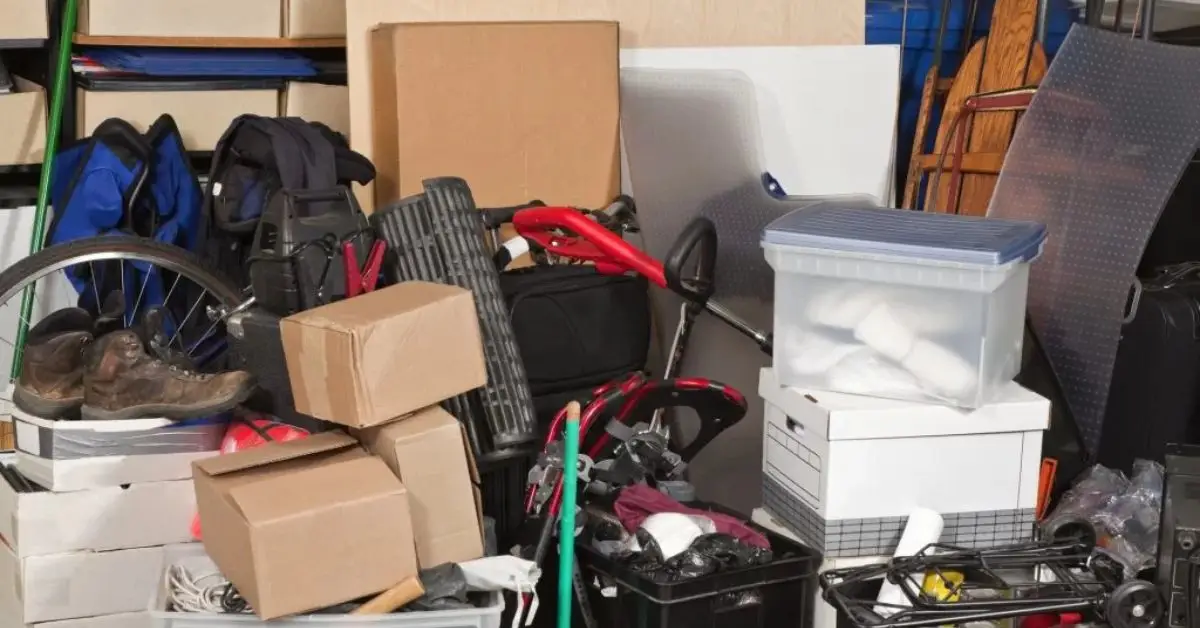
These are the boxes we shove in a corner during winter and forget about. I call it the “junk pile.” Left unchecked, it’s where clutter multiplies.
How to Quickly Assess What’s Worth Keeping
Here’s my quick system:
- Open each box: Don’t just glance—really check the contents.
- Ask yourself: Have I used this in the past year? Will I use it next season?
- Sort into zones: Keep, Donate, Trash, Recycle.
- Label properly: If it’s worth keeping, label it clearly with season or category. For a fast, practical way to handle those forgotten boxes and miscellaneous items, the 10-10 Decluttering Method can make sorting through clutter much easier and less stressful.
For a practical guide on evaluating and clearing out these kinds of items, I like the tips from Martha Stewart’s post on garage decluttering. Her advice is straightforward, and it helps you tackle the “junk pile” without feeling overwhelmed.
Bonus: Items You Might Keep (But Should Re‑Evaluate)
Not everything in your garage needs to be tossed. Some items are worth keeping—but only if you give them a careful second look. I like to call this my “re-evaluate” zone.
Seasonal Sports Equipment
- Skis, sleds, and winter balls often sit untouched for months.
- Keep only what you realistically use or plan to use next season.
- Consider donating items that are still in good condition but no longer spark joy. If you’re thinking ahead about seasonal cleanups or even moving, I also cover 3 things you must declutter before moving and what to do with them—the same principles apply when tackling your garage clutter.
Functional Storage Bins
- Plastic bins can be lifesavers—but check for cracks or broken lids.
- Label bins clearly with contents and season to prevent rediscovering “mystery boxes” next winter.
Heirloom Tools You Use Occasionally
- Some old tools have sentimental or occasional practical value.
- Keep them, but organize them neatly and store them in a designated spot.
- Ask yourself if they truly justify the space—they shouldn’t create clutter.
Expert Tips to Prevent Clutter Next Winter
I’ve learned from professional organizers that small systems now save huge headaches later.
Best Storage Hacks From Professional Organizers
- Use wall-mounted racks for shovels, skis, and bikes.
- Group similar items together in labeled bins.
- Keep a seasonal rotation checklist—what comes out in winter goes back in spring.
Scheduling Seasonal Declutter Days
- Set a reminder in early spring and late fall.
- Treat it like a mini-project rather than an overwhelming chore.
- Involve family or friends—two people make it faster and less stressful.
Quick Checklist
Here’s a simple summary you can stick on your fridge or keep on your phone:
- Rusted or broken snow tools → Trash/Recycle
- Old ice melt and chemicals → Dispose safely
- Worn out winter tires → Donate or recycle
- Damaged furniture covers → Repair or toss
- Expired lawn/garden chemicals → Hazardous waste drop-off
- Broken bicycles/sports gear → Repair, donate, or recycle
- Forgotten boxes → Sort into Keep/Donate/Trash/Recycle
- Seasonal sports gear → Re-evaluate
- Functional storage bins → Inspect & label
- Heirloom tools → Organize & store
Conclusion
Decluttering your garage after winter doesn’t have to be overwhelming. If you follow these steps, focus on the items that matter, and use practical organization strategies, you’ll reclaim space, reduce stress, and even prevent future messes.
I’d love to hear from you—what’s the biggest challenge you face when cleaning out your garage? Drop a comment below and share your tips. And if you want more expert-backed home improvement and organization guides, check out Build Like New for resources, ideas, and inspiration to make your spaces work better for you.
Disclaimer: This article is for informational purposes only. Always follow local regulations and manufacturer instructions when disposing of chemicals, tools, or tires. Build Like New is not responsible for any injury or damage resulting from actions taken based on this guide.