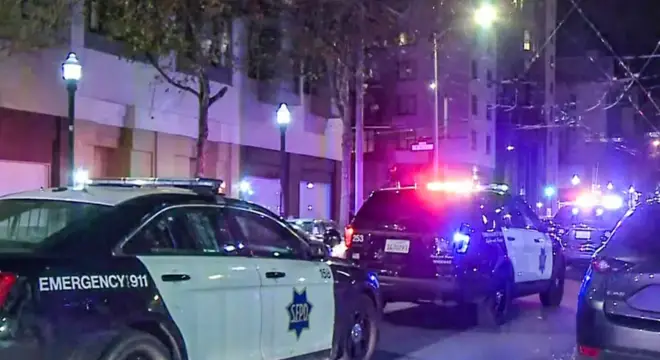
Detroit High Speed Crash Into House Leads To Dangerous Fire
I’ve seen a lot of crash reports over the years, but this one hits differently. A speeding car didn’t just lose control on a Detroit street it ended up inside someone’s home and within moments, everything was on fire.
If you’re thinking this sounds unreal, you’re not alone. Most people expect accidents to stay on the road.
But here, one split second decision turned a normal Sunday afternoon into a disaster for an entire family.
What stands out to me isn’t just the crash it’s how quickly things escalated. A sideswipe, a loss of control, a direct hit into a house, and then a gas meter ignites. Just like that, a home is gone.
And the uncomfortable question you should be asking yourself is simple. If this can happen on a quiet residential street in Detroit, how far removed are you from something like this happening near you?
Before we go deeper, I want you to think about this one thing. Do you really feel safe inside your home when traffic is just a few feet away?
What Happened on Detroit’s West Side That Sunday Afternoon

WXYZ-TV Detroit | Channel 7
I want you to picture a normal Sunday around 4 PM. A quiet residential street near Puritan and Harlow. Nothing unusual, just everyday life.
Then suddenly, everything shifts.
As reported by ClickOnDetroit, a driver in his 20s was speeding through the area. He sideswiped another car, lost control, and within seconds, crashed straight into a house.
That alone is shocking. But what happened next made it worse.
The car hit a gas meter. And almost instantly, a fire broke out. There was no gap, no time to react. One mistake turned into a full-blown emergency in seconds.
When you look at incidents like this, it’s not just about a crash. It’s about how quickly things can spiral when speed and a residential setting come together.
The Moment Everything Changed — Car Inside the House
This is the part that makes it hard to ignore.
There was actual doorbell camera footage showing the car inside the house just before the fire spread. When something like this is captured on camera, it removes any doubt.
You can clearly imagine how sudden and violent the impact was.
Witnesses also said something important. The car was moving so fast that it went airborne.
That tells you everything about the speed involved. Cars don’t lift off the ground in normal situations. High speed, impact angle, and loss of control all come together to create that kind of force.
I’ve seen similar crash patterns before, and it usually points to one thing reckless speed in a place where there’s no room for error.
You can see how similar high-speed crashes have played out in other cases too, like this detailed breakdown of a deadly crash in Antioch where a car slammed into a home and power poles.
Neighbors Turned Rescuers Within Seconds
What stands out to me here is not just the crash, but how people reacted.
A neighbor, Rochelle Tucker, came outside after her daughter heard the noise. Instead of freezing, she moved toward the scene and saw the car inside the house.
The driver was still inside. And the car was already catching fire.
At that moment, a group of men nearby ran in and pulled him out. No delay, no second thought. Just immediate action.
That’s what made the difference.
Because when fire is involved, seconds are everything. If they had waited even a little longer, the outcome could have been very different.
Why the Crash Triggered a Fire So Quickly
You might be wondering why the fire started so fast.
The answer is simple. The car hit a gas meter.
When that happens, gas can leak instantly. And if there’s even a small spark, it can ignite right away. In crashes like this, sparks can come from metal impact, engine heat, or friction.
According to safety insights often highlighted by National Fire Protection Association, gas-related fires after structural impact can escalate within seconds.
So this wasn’t just bad luck. It was a high-risk combination that led to a rapid fire.
Speeding in Residential Areas — A Growing Risk
This is where I want you to pause and think.
The exact speed hasn’t been confirmed, but witnesses said it was extremely high. And honestly, a car doesn’t go airborne unless the speed is far beyond what’s safe for a neighborhood street.
Residential areas are not designed for that kind of driving. Homes are close to the road. People are outside. Reaction time is limited.
So when someone speeds in that environment, the risk isn’t just to other drivers. It’s to homes, families, and anyone nearby.
Situations like this are often used to show real risks, like in this case where a mock crash at a high school highlighted how dangerous impaired driving can be near homes.
And incidents like this make one thing clear.
I keep noticing more real-time discussions and quick updates around these kinds of incidents lately, especially from local community circles where people share similar cases happening in their own areas.
You don’t have to be on a highway to face a high-speed crash. It can happen right outside your house.
The Family’s Loss — More Than Just Property Damage
When I read that the family was “left with nothing,” I didn’t take it lightly.
Put yourself in that position for a second.
Your home is not just a structure. It’s your daily life, your comfort zone, everything you rely on. And in this case, it was gone within minutes.
The fire didn’t just damage walls. It forced the family out instantly. No time to think, no time to save anything.
And then comes the part most people underestimate.
Even if you have insurance, it doesn’t mean everything is simple. In many cases, homeowners insurance does cover fire damage, but what actually gets covered and what doesn’t can be more complicated than people expect.
If you want to understand the reality, this breakdown on Investopedia explains what homeowners insurance really covers and where gaps can exist.
So when people say “insurance will take care of it,” it’s not always that straightforward.
There are delays, limits, and a lot of stress in between.
What Happens to the Driver Now
At first, it sounds simple. The driver was given a careless driving ticket.
But I don’t think it ends there.
When a crash causes this level of damage, the legal and financial consequences usually go deeper. A ticket is just the immediate action.
After that, liability becomes the bigger issue.
- Who pays for rebuilding the home
- Who covers temporary living costs
- What happens if insurance doesn’t fully cover everything
These situations often involve both auto and home insurance, and that’s where things can get complicated fast.
Because policies don’t always align perfectly.
So even though the official action seems small right now, the long-term impact on the driver could be significant.
Could This Happen to Any Homeowner

This is the question I think you should actually think about.
Because it’s easy to assume this is rare. Something extreme that won’t happen near you.
But incidents like this are not as uncommon as people believe.
Cars crashing into homes happens more often than you hear about, especially in areas where houses sit close to the road and speed isn’t controlled properly.
In fact, there have even been cases where multiple vehicles ended up near residential structures, like this incident where a multi-vehicle crash pushed a modular home into a highway median.
So yes, it can happen.
And while you can’t control how someone else drives, you can reduce your risk.
Simple steps like adding barriers, using heavy landscaping, or creating more distance from the road can help. They won’t stop every situation, but they can reduce the damage.
At the end of the day, this incident leaves you with one real question.
Have you ever looked at your home and thought about how exposed it really is to the road outside?
What This Incident Really Tells You
This wasn’t just a crash. One mistake led to a house fire and a family losing everything within minutes.
It shows how fast things can go wrong, especially in residential areas where people feel safe.
So think about your area for a second. Are people driving responsibly, or have you seen risky behavior like this before?
Drop your thoughts in the comments. Your input might help others stay more aware.
And if you want simple, practical insights on home safety and smart planning, you can check out Build Like New.
And if you like staying updated on real incidents like this along with practical home safety insights, you can also follow along on X and join the conversation on our Facebook community.
I regularly share updates there that don’t always make it into full articles.
Disclaimer: This content is based on initial reports and available information. Details may change as more updates come in. It is meant for awareness, not professional advice.