Oldham County Home Catches Fire After Lightning Strike
A quiet Monday night in Oldham County turned terrifying when severe storms moved through the area and lightning struck a home in Prospect.
According to North Oldham Fire Chief Jim Sohan, the fire was reported around 7 p.m. on Harbor View Court.
By the time crews arrived, flames had already burned through the roof, which later collapsed onto the second floor and then down to the first.
What stands out to me is how fast this happened. One lightning strike turned into a major fire that took 46 firefighters to control. Thankfully, everyone inside escaped and no injuries were reported.
For homeowners, this is more than a local fire report. It is a reminder that severe weather can become personal in seconds.
When storms hit, the real danger is not always outside your window. Sometimes, it starts right above your head.
Timeline of the Oldham County Home Fire Incident
If you were in Oldham County that evening, you likely felt how quickly things escalated. Between 7 and 9 p.m., a strong line of storms pushed through the region.
Heavy rain, lightning, and strong winds created the kind of environment where one strike can change everything.
Around 7 p.m., a call came in about a house fire on Harbor View Court. As reported by WHAS11, the homeowner had already connected the dots.
Lightning had struck the house, and he did what most people hesitate to do. He called 911 immediately.
Fire crews arrived within about 15 minutes, which is a solid response time. But here is the reality you need to understand. Fire does not wait. By the time crews reached the scene, flames had already moved across the roof.
What makes this incident stand out is how fast the fire spread. It burned from one side of the house to the other across the roof before firefighters could fully control it.
That kind of spread is not something most homeowners expect from a lightning strike.
What Happened Inside the House After the Lightning Strike
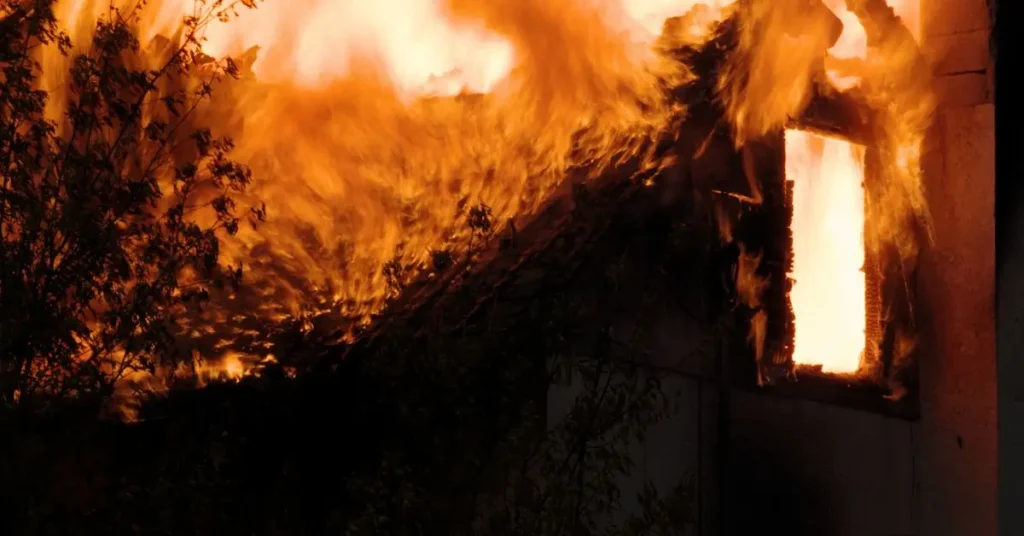
Once the roof caught fire, the structure began to fail. The roof eventually collapsed, and when that happened, everything underneath was at risk.
The fire did not stay contained in one spot. It traveled across the top of the home, building heat and pressure. This is how lightning fires often behave. They start suddenly and spread in ways that feel almost unpredictable.
After the roof gave way, the second floor collapsed onto the first. At that point, the home lost its internal support. If you picture that moment, you realize how dangerous even a few extra minutes inside could have been.
This is why evacuation timing matters more than anything else in situations like this.
Firefighters Response and Scale of the Emergency
This was not a small incident. It took 46 firefighters to control the fire. That number alone tells you the scale of what they were dealing with.
Even after the flames were brought under control, crews stayed on site overnight. That is something many people do not think about. Fires like this can reignite, especially when the structure is heavily damaged.
The storm conditions made everything more complicated. Wet surfaces, unstable structures, and ongoing weather risks all increase the danger for responders.
Guidance from Lightning Eliminators also highlights that weather driven fires often require extended monitoring because hidden hot spots can flare up hours later.
Were the Residents Safe After the Fire
The most important part of this story is that everyone inside the home made it out safely.
No injuries were reported, which is remarkable considering the level of damage.
Situations like this often depend on early warning systems, just like in this case where smoke alarms helped save a family from a house fire.
When you look at how quickly the fire spread and how the structure collapsed, it could have been very different.
The homeowner’s quick decision to call 911 played a big role here. Acting immediately instead of waiting made a real difference.
If you ever find yourself in a similar situation, hesitation is your biggest risk.
How Severe Storms Triggered Multiple Damages in the Area
This fire was just one part of a much bigger situation. The storm system caused widespread disruption across the region.
Thousands of homes lost power, leaving many families dealing with outages on top of everything else. Multiple trees were reported down, which shows how strong the winds were.
In situations like this, many people rely on quick local updates and alerts to stay aware as conditions keep changing in real time.
At one point, a section of I 264 had to be shut down because a vehicle stalled in standing water. That kind of flooding does not happen in a mild storm.
When you connect all these pieces, you see the bigger picture. This was not just a lightning strike hitting one home. It was a severe weather event that pushed the entire area to its limits.
Why Lightning Strikes Can Destroy Homes So Quickly
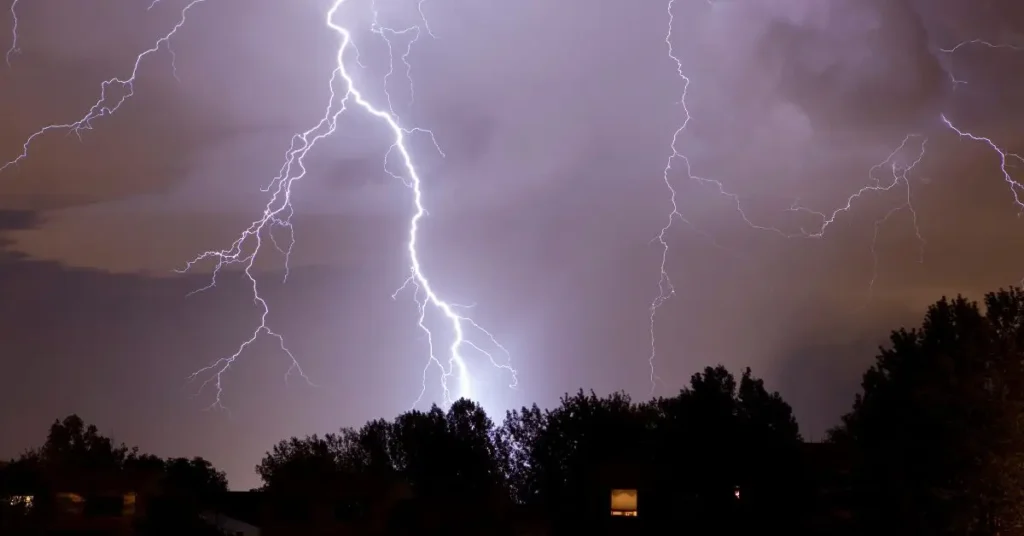
Most people think of lightning as a quick flash and loud noise. What they do not realize is how destructive that single strike can be inside a home.
When lightning hits, the roof is often the first point of impact. Roofing materials can ignite almost instantly, especially if they are dry or layered.
That is why in many cases, like this one, the fire spreads across the top of the house before anyone fully understands what is happening.
In extreme cases, this kind of rapid spread leads to total loss, like when a house fire destroyed an entire home and left a family homeless.
Another risk you might not think about is your electrical system. A lightning strike can send a massive surge through wiring, turning outlets, panels, and even appliances into fire sources.
It is not always the visible flame that causes damage. Sometimes, the real danger is hidden inside walls.
And here is the part that matters most. Fires often spread before firefighters even arrive. Even with a fast response, those first few minutes belong to the fire, not to emergency crews.
According to National Weather Service, lightning can reach temperatures hotter than the surface of the sun, which explains why ignition happens so quickly.
What Homeowners Should Learn From the Oldham County Fire
If you take a step back, this incident is not just about one home. It is a lesson in how fast things can go wrong and what actually saves lives.
The first and biggest takeaway is simple. Call emergency services immediately. The homeowner in this case did not wait or second guess. That decision gave firefighters a head start, even if the fire had already spread.
The second lesson is about evacuation. Everyone inside got out safely, and that did not happen by accident.
Not every story ends this way, as seen in this incident where a grandmother lost everything in a house fire but escaped with her grandson.
Leaving early, before the structure weakens, is what keeps you alive in situations like this.
There is also a hidden risk many people ignore. Lightning fires do not always show themselves right away.
Damage inside walls, ceilings, or wiring can continue to burn quietly before becoming visible. That is why even a small strike should never be taken lightly.
What to Do If Your Home Is Struck by Lightning
If this ever happens to you, your first few minutes matter more than anything else.
Start by getting everyone out of the house immediately. Do not try to investigate the damage or look for the source of the fire. Your safety comes first, always.
Call 911 as soon as you are in a safe place. Even if you do not see flames right away, there could be hidden fire inside the structure. It is not something you can safely handle on your own.
You should also watch for warning signs. Smoke from the attic, burning smells, flickering power, or unusual heat in walls are all red flags. These are signs that something is already wrong, even if it looks calm on the surface.
The biggest mistake people make is assuming they have time. In reality, lightning related fires move faster than most homeowners expect. Acting quickly is not overreacting. It is the only smart move.
Expert Insights on Lightning Fires and Emergency Response
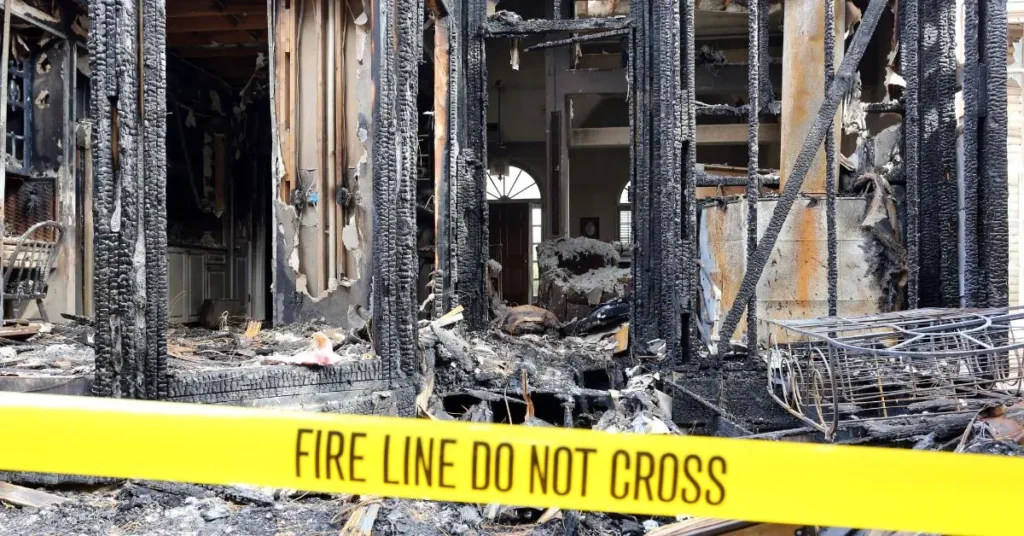
When I look at incidents like this, I always pay close attention to what fire officials actually say on the ground. Their experience often tells you more than any general advice online.
Fire Chief Jim Sohan made it clear that by the time crews arrived, the fire had already burned through the roof from one side to the other.
That kind of spread is not typical for slow burning fires. It shows how aggressive lightning related fires can be right from the start.
From what experts consistently observe, lightning fires spread faster because they do not start small.
The heat from a strike is intense enough to ignite multiple points at once, especially in roofing materials and electrical systems. That means you are not dealing with one fire source. You are dealing with several at the same time.
Another thing many homeowners overlook is what happens after the fire is out. Fire crews in this case stayed overnight to monitor the site.
That is not just precaution. It is necessary. Hidden hot spots inside walls or debris can flare up again hours later.
If you think the danger ends when the flames are gone, that is where most people get it wrong.
Key Takeaways From the Oldham County Lightning Fire Incident
If I had to break this entire incident down into simple lessons for you, it would come down to this.
Lightning is not a rare threat during storms. It is unpredictable and powerful enough to destroy a home within minutes.
Fast action saves lives. Calling emergency services immediately and evacuating without delay made all the difference in this case.
Fires do not always start where you can see them. Hidden damage inside your roof or walls can turn into a major fire before you even realize it.
And finally, storms should never be taken lightly. What feels like routine weather can escalate into a life changing situation very quickly.
If you found this breakdown helpful, I would like to hear from you. Have you ever experienced a lightning strike or severe storm damage at your home? Share your experience in the comments. Your story might help someone else prepare better.
Also, if you want more practical insights on home safety, repairs, and real world incidents like this, you can explore more on Build Like New. I focus on breaking things down in a way that actually helps you make smarter decisions for your home.
If you find these real incident breakdowns useful, you can also follow along on X or be part of the conversation on our Facebook community.
Disclaimer: This content is for informational purposes only. It is not a substitute for professional emergency or safety advice. Always follow guidance from local authorities, fire departments, and emergency services during storms or fire related situations.