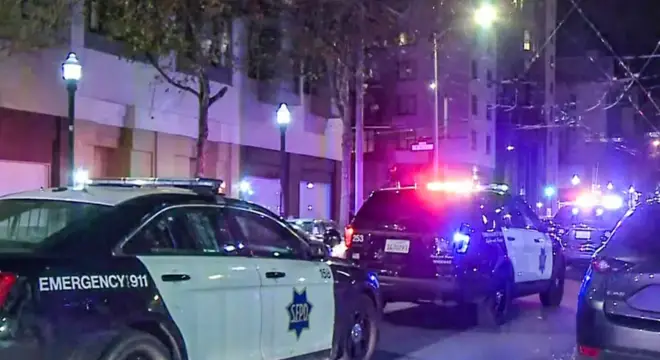
Local Savannah Man Lost in House Fire While Fighting to Save Family Home
It was a little past 11 PM on Tuesday when Doneva Pierce heard the sounds. “Pow, pow, pow,” she recalls. Her grandson ran to her, saying the house was on fire. She thought he was joking.
They joke a lot in the Pierce family. But this wasn’t a joke.
Within moments, flames were climbing the back porch of their home on Runaway Point Road in Savannah, Georgia. Doneva’s brother, Anthony Pierce, 54, grabbed something (she couldn’t tell what) and tried to beat back the fire.
“Come on,” she pleaded. “Materialistic things, we can get that later. With your life, you need that.”
He didn’t come.
What Happened on Runaway Point Road?
Fire crews arrived at the 100 block of Runaway Point Road around 11 PM on May 6, 2026. By then, the flames had already spread through the kitchen and were engulfing the back of the house.
Anthony Pierce, a computer scientist described by his family as “very outgoing, very smart, and gifted,” died trying to save his home. He was found inside.
The fire displaced six people (five adults and one child), all of whom are now staying with relatives while the American Red Cross provides assistance.
His sister still can’t believe it. “It doesn’t seem real,” she told reporters. “It’s been very tiresome, very hurtful, very frustrating.”
The cause of the fire is under investigation by the Georgia State Fire Marshal’s Office, Chatham County Fire Department, and Chatham County Police.
You can read the full coverage on WSAV.
Why People Risk Everything for a House
Anthony Pierce isn’t alone. Every year, people die trying to save homes, belongings, or pets from fires. It’s instinct. It’s attachment. It’s the belief that you can control what’s already out of control.
But fire doesn’t negotiate.
According to national fire statistics, approximately 2,920 people died in home structure fires across the U.S. in 2024. Many of these deaths happened not because people couldn’t escape, but because they went back inside.
Fire doesn’t just stay contained. It spreads. Just like the 3-alarm fire in Stratford that jumped to a neighbor’s home, flames can travel faster than you think, putting entire neighborhoods at risk.
In April 2026, just weeks before Anthony’s death, a man in Michigan died trying to save his family home. In 2018, a Mississippi woman rescued her cats but suffered fatal burns in the process.
Why This Matters: The 2-Minute Rule

A fire can become life-threatening in two minutes. Your home can be fully engulfed in five.
That’s not hyperbole. Modern homes burn faster than older ones because of synthetic materials in furniture, flooring, and insulation.
When a room reaches “flashover” (the point where everything ignites at once), survival inside becomes nearly impossible.
Weather conditions can make things worse. Wind can carry embers across streets, like when fire spread across three streets in Lowell, displacing multiple families in minutes.
Smoke is even deadlier than flames. Most fire deaths are caused by smoke inhalation, not burns. Toxic gases like carbon monoxide can make you unconscious before you even realize you’re in danger.
The death rate is 60% lower in homes with working smoke alarms. Sixty percent. That’s the difference between hearing “pow, pow, pow” and hearing nothing at all.
Many fire survivors share a common thread: they wish they’d known these facts sooner. If you want quick fire safety alerts and home protection tips sent directly to your phone, join our WhatsApp channel where we break down emergency preparedness in simple, actionable steps.
What You Should Do Right Now
Check your smoke alarms. Not next week. Today.
Install alarms inside every bedroom, outside sleeping areas, and on every level of your home. Test them monthly. Replace batteries once a year.
Create a fire escape plan. Two exits from every room. A meeting spot outside. Practice it with your family at least twice a year.
Teach everyone the golden rule: Get out and stay out. If someone is missing, tell the firefighters. Don’t go back in. They have protective gear and breathing equipment. You don’t.
Cooking is the leading cause of house fires in the U.S. Never leave the stove unattended. Keep space heaters three feet away from anything that can burn. Heating equipment needs special attention.
A propane heater fire in Stockton Springs heavily damaged a home, proving that even common heating sources can turn deadly if not properly maintained. Don’t overload electrical outlets.
Have you experienced a close call with a house fire? Or maybe you’ve upgraded your home’s fire safety recently? Share your story in the comments below. Your experience might save someone’s life.
Remembering Anthony Pierce
Anthony Pierce was smart. He was gifted. He was trying to protect what mattered to him.
But no house, no possession, no memory is worth a life.
His family is grieving. They’re processing a loss that “doesn’t seem real.” Six people are displaced, starting over with help from the Red Cross and their community.
The investigation into what caused the fire continues. But the lesson is already clear.
Conclusion
If you take one thing from this tragedy, let it be this: get out and stay out.
Have you checked your smoke alarms this month? Do you have a fire escape plan? Drop a comment below and share your fire safety tips, or ask questions if you’re not sure where to start.
For more home safety tips and rebuilding resources, visit Build Like New because sometimes the best way to honor a life is to protect the ones still living.
Want more home safety updates and rebuilding tips? Follow us on X (@buildlikenew) and join our Facebook community where we share real stories and practical advice that could protect your family.
Disclaimer: This article is for informational purposes only and is based on news reports and fire safety guidelines. For emergencies, always call 911.