Fire Heavily Damages Stockton Springs Home on Station Street, Cause Revealed
A home in Stockton Springs, Maine took serious damage on Saturday evening after a propane wall-mounted heater caught fire. No one was inside at the time, and thankfully, no one was hurt.
But here is the part most people glossed over: the home was empty. The heater was running on its own. And by the time firefighters arrived, the flames had already taken over.
What Happened at 32 Station Street
Crews were called to 32 Station Street around 5:30 p.m. on Saturday. When they arrived, they found heavy fire pouring from a camp-style, two-and-a-half-story home.
The Stockton Springs Fire Department moved fast. They got backup from the Prospect Fire Department and a ranger from the Maine Forest Service. Together, they knocked the fire down before it spread to other structures nearby.
According to WGME, investigators from the Maine State Fire Marshal’s Office confirmed the fire started from a wall-mounted propane heater. It was ruled accidental.
The home suffered extensive damage. No injuries were reported.
The Pattern No One Talks About
This pattern does not always end without loss. In a similar incident in Hamden, a home fire on Grandview Avenue claimed a pet’s life, and in a Wilmington house fire, a woman was found dead after the blaze went unnoticed too long.
The common thread in too many of these cases: no one was home to catch it early.
Maine winters are brutal. Propane heaters in camp-style or seasonal homes are common. But leaving one running in an empty space is one of the riskiest things a homeowner can quietly do.
If home fire incidents across the country are something you follow closely, there is a channel covering these stories regularly with safety context, stay updated here.
What Propane Heater Owners Need to Know
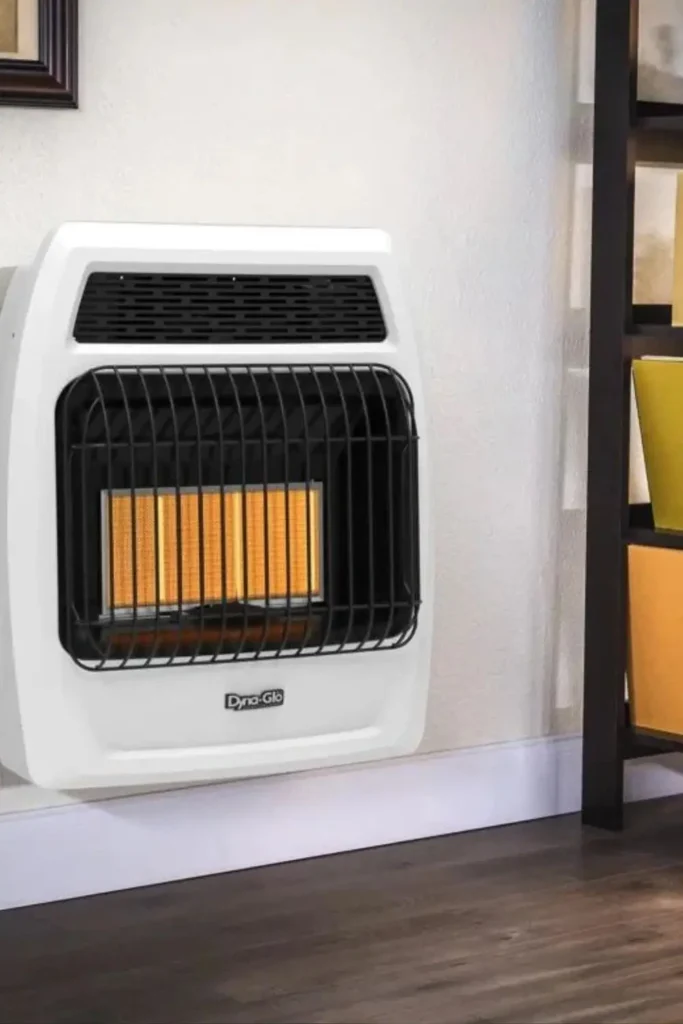
If you heat with propane, whether wall-mounted or portable, a few basics go a long way.
Watch the flame color. Blue is safe. Yellow or orange means something is wrong. Shut it off immediately.
Keep three feet of clearance. Curtains, furniture, old boxes — anything nearby is a risk.
Never leave it running in an unoccupied space. This one fire proves exactly why that rule exists.
Get it inspected annually. Aging hoses, worn valves, and dirty burners cause failures that no one sees coming.
Install smoke and CO detectors. Not just in one room. On every level.
These are not complicated steps. But as this Pepperell mobile home fire showed, when heating safety is ignored, communities are left paying tribute instead of staying prepared.
Have you done a heater check this season? Drop your answer in the comments. It takes 30 seconds and might remind someone else to do the same.
Why This Matters
This fire checks every box of a preventable incident. Unoccupied home. Supplemental propane heat. No one around to notice early warning signs.
And it is more common than people realize.
According to the National Fire Protection Association (NFPA), U.S. fire departments responded to an average of 38,881 home heating equipment fires per year between 2019 and 2023.
Those fires caused 432 deaths, 1,352 injuries, and over $1.1 billion in property damage annually.
Heating equipment is the second leading cause of home fires in the country, accounting for 13% of all residential fires. Fires involving unattended heating equipment cause a disproportionately high share of deaths and injuries.
Final Thought
Nobody plans for a fire. But most heating fires, including this one in Stockton Springs, follow the same pattern: a heater that was ignored, in a space that was empty, with no one there to catch it early.
That is not just bad luck. It is a pattern worth breaking.
If you are working on making your home safer from the ground up, visit Build Like New for practical home improvement and fire safety guidance.
And if you want more stories like this as they happen, follow us on X and join the conversation in our Facebook community.
Disclaimer: This article is for informational purposes only. Always consult a licensed professional for heating equipment inspection, installation, or fire safety guidance.