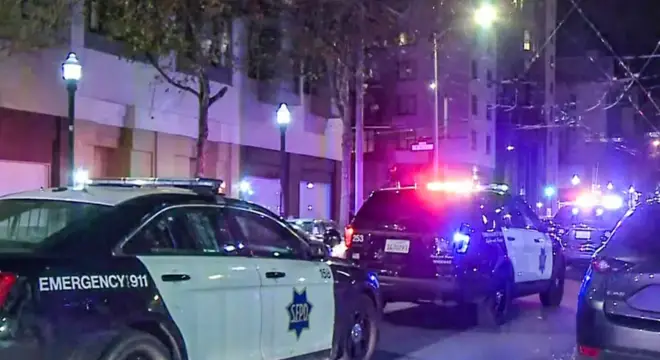
Franklin Woman Arrested in November House Fire Arson Case
I still remember the evening of November 1, 2025, when a fire broke out at a home on Maple Street in Franklin. Around 5:45 p.m., neighbors spotted smoke and flames pouring from the front and left sides of the 2½-story house. Melissa Brown, the sole occupant, was lucky to escape unharmed, and she even declined medical treatment. Tragically, two cats didn’t make it, and the home suffered extensive damage, though no other people were injured.
As I followed the investigation, it became clear that this was no accident. Authorities arrested 48-year-old Melissa Brown and charged her with arson of a dwelling, with the State Police Violent Fugitive Apprehension Section assisting in the process. She was arraigned at Wrentham District Court, and the case now moves through the legal system. If you’re like me, you probably want to understand not just what happened, but why the law treats these cases so seriously—and how the community responds when a fire like this strikes right in someone’s neighborhood.
The Arrest – Melissa Brown Faces Arson Charges
When I first read about the arrest, it made me pause. Melissa Brown, 48, was officially charged with arson of a dwelling. The authorities didn’t take this lightly—her arrest involved the State Police Violent Fugitive Apprehension Section, showing how seriously they treat intentional fires.
She was arraigned at Wrentham District Court, and now the legal process is underway.
Reading statements from State Fire Marshal Jon M. Davine and Franklin Fire Chief Charles Allen, it’s clear that this isn’t just about one person—it’s about protecting residents, pets, and property, and making sure someone who deliberately sets a fire answers for it. For a detailed account of the arrest and official statements, you can check out the full report on Boston 25 News.
Fire Investigation – How Authorities Determined Arson
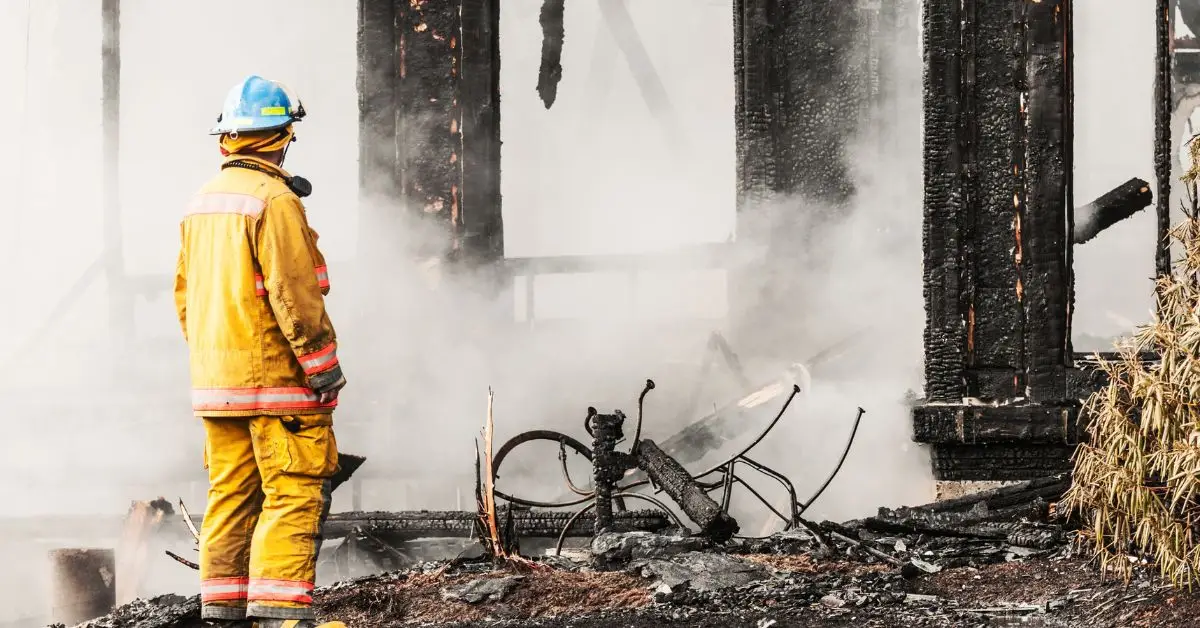
As I looked closer at the Franklin fire, I realized just how thorough fire investigations really are. The State Police Fire & Explosion Investigation Unit led the effort, working alongside the Franklin Fire Department, Franklin Police, and the State Police Crime Lab. Every detail was examined—from burn patterns to hotspots—to determine that this fire was deliberately set.
It’s impressive to see how investigators trace a fire’s origin and progression. In this case, flames moved quickly from the first floor to the second, and multiple hotspots pointed toward the use of accelerants. Understanding these details is exactly what allows authorities to classify a fire as arson with confidence.
If you want to understand how professionals tackle fire investigations, FEMA’s Fire Investigation Guide is an excellent resource. It explains the step-by-step process used to identify arson and teaches the science behind analyzing fire patterns.
Firefighting Efforts and Mutual Aid
When I read about the response to the Maple Street fire, I was struck by how quickly the community came together. Multiple fire departments—from Milford, Medway, Bellingham, Wrentham, Foxborough, Plainville, and Norfolk—rushed to help. The main blaze was knocked down fairly quickly, but firefighters stayed for hours conducting overhaul, making sure no hotspots remained.
It’s easy to forget that fires don’t just burn and vanish—they demand coordination, stamina, and expertise. Seeing so many departments working together reminded me that firefighting is as much about teamwork and planning as it is about bravery. It reminded me of past incidents, like the two-alarm house fire in Virginia Beach where residents had to be evacuated quickly.
Fire Safety Measures and Prevention Tips
After reading about incidents like this, I always think: “What could I do to prevent this from happening to my own home?” Smoke alarms are your first line of defense—they can give you precious minutes to escape. Having a clear evacuation plan and practicing fire drills can make a real difference. And if you have pets, think ahead: know how to get them out safely and quickly. Similar precautions could have helped the family affected in the house fire in Wells River, where quick planning would have reduced chaos and stress.
Preventive actions go beyond alarms—keeping flammable materials away from heat sources, maintaining electrical systems, and even checking your chimney can reduce risks in a single-family home. For a more detailed guide, FEMA’s Home Fire Safety Checklist is a practical resource you can use to protect your household and pets.
For more quick safety tips and updates on home incidents, I often share notes and resources through a WhatsApp channel—something I’ve found really useful for staying prepared.
What “Arson of a Dwelling” Means
When I first looked into the charges against Melissa Brown, I realized many people don’t fully understand what “arson of a dwelling” actually means. In Massachusetts, this charge is taken very seriously—it covers intentionally setting fire to a home, which can put lives, pets, and neighbors at risk. Penalties can be severe, including years in prison, fines, and restitution for damages.
The process after an arrest is methodical. First comes arraignment, where the court formally reads the charges. Then investigators and prosecutors gather evidence, and eventually the case may go to trial. Understanding this process helps you see why law enforcement and the courts treat residential arson with such rigor—it’s not just about one house; it’s about the safety of an entire community. This also reminds me of the San Marcos house fire case, where understanding legal outcomes helped the community respond appropriately.
How Franklin Residents Can Stay Safe

Reading about this fire made me think about what I would do if it happened in my own neighborhood. One of the best ways to stay safe is by getting involved—neighborhood watch programs and fire safety workshops can give you knowledge and resources to respond quickly in emergencies.
It’s also important to know where victims can get help, whether that’s for rebuilding after a fire or just finding emotional support. Being proactive, having a plan, and participating in your community doesn’t just protect your own home—it makes the whole neighborhood safer. For me, that’s the part of these stories that hits hardest: we can all do something to prevent tragedies before they happen.
Reflecting on the Franklin House Fire
Reading about the Maple Street fire and the arrest of Melissa Brown reminds me that fires aren’t just statistics—they affect real people, pets, and entire neighborhoods. It’s easy to scroll past headlines, but taking a moment to understand what happened, how authorities responded, and what lessons we can take away can make a real difference in our own homes and communities.
I hope this story also makes you think about your own fire safety measures, your emergency plans, and how you can support your neighbors. Fires are unpredictable, but preparation, awareness, and community engagement can change the outcome.
I’d love to hear your thoughts: have you ever experienced a close call with a fire, or taken steps to improve safety in your home? Drop a comment below—I read every one. And if you want more practical tips, guides, and advice for building or restoring safe, resilient homes, visit my website, Build Like New, where I share strategies to protect your home and family before disaster strikes.
If you want to stay updated with the latest fire safety tips and real-life home recovery stories, follow me on X and join our Facebook group for discussions and updates.
Disclaimer: The information in this article is for educational and informational purposes only. All facts are based on publicly available reports and official statements. This content is not legal advice, and readers should consult local authorities or professionals for guidance regarding fire safety or legal matters.