Lightning Strike Being Investigated as Possible Cause of Notre Dame Ave. Fire
Tuesday afternoon storms rolled across South Bend, and within minutes firefighters were racing to a home on North Notre Dame Avenue. What started as a routine weather day quickly turned into a fire response after smoke was seen rising from a house near the area’s north side.
Crews from the South Bend Fire Department were dispatched just before 1 p.m. to the 1000 block of North Notre Dame Avenue after reports of flames coming from the attic. When firefighters arrived, smoke was already visible and flames were beginning to break through parts of the roof.
The good news: no one was inside the house at the time, and officials confirmed that no injuries were reported. Fire crews moved quickly and were able to bring the blaze under control in a matter of minutes, preventing the fire from spreading beyond the attic.
But what caught investigators’ attention was the weather. According to fire officials, early signs suggest the blaze may have been sparked by a lightning strike during the afternoon storm, though the cause is still under investigation.
If you live in storm-prone areas, stories like this raise an important question: can lightning really start a house fire?
South Bend Firefighters Contain the Attic Fire Quickly
When I looked into the response timeline, one thing stood out immediately — how fast firefighters acted.
Crews from the South Bend Fire Department were dispatched just before 1 p.m. to the 1000 block of North Notre Dame Avenue after reports of smoke coming from the home. By the time the first unit arrived, smoke was already visible and flames had begun pushing through the roof from the attic.
From what officials shared, the response moved quickly — much like a two-alarm house fire in Virginia Beach where six residents were forced out, showing just how critical a fast response can be. Firefighters were able to get the situation under control in less than ten minutes, which made a major difference in preventing the fire from spreading further into the home.
In cases like this, timing is everything. When a fire starts in an attic, it can spread through wooden framing and insulation very quickly. Because crews responded fast, the damage stayed contained to the attic area, instead of moving through the rest of the house.
Another important detail: no one was inside the home when the fire started, and firefighters confirmed that no injuries were reported. For a residential fire, that’s always the outcome everyone hopes for.
Officials Investigate Lightning Strike as Possible Cause
Now comes the question many people in the neighborhood are asking: what actually started the fire?
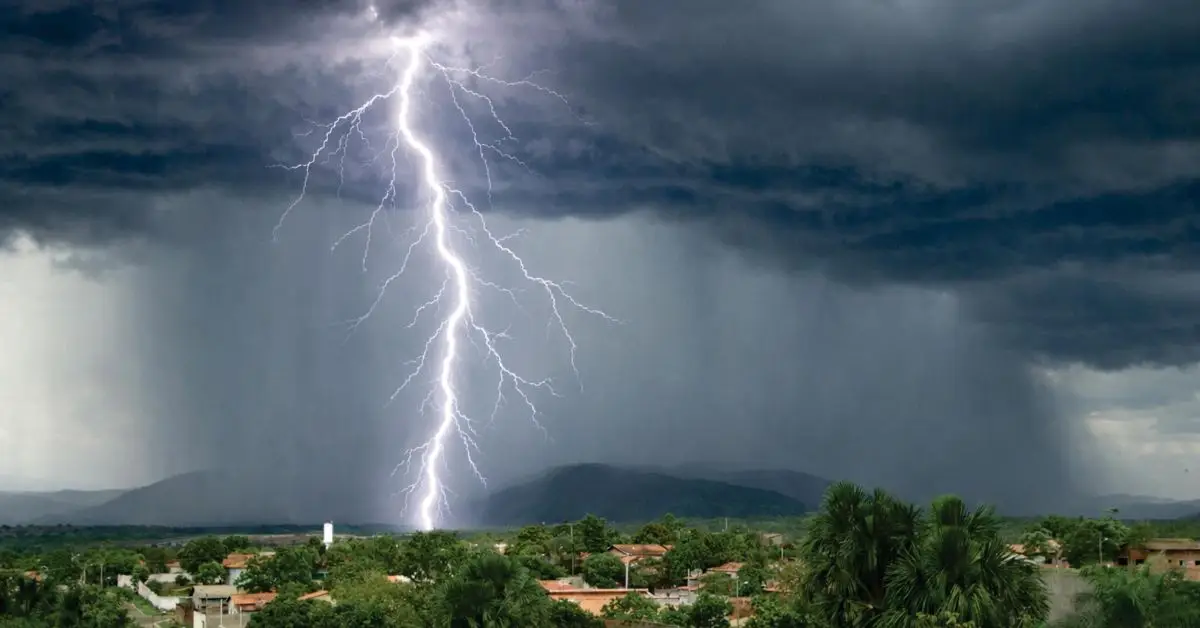
Fire officials say the cause hasn’t been confirmed yet, but early signs point toward lightning. Witnesses in the area reported hearing thunder and seeing lightning around the time smoke started appearing from the roof.
Investigators also looked at storm data from that afternoon. According to reports referenced by WSBT, weather tracking showed lightning activity in the area around the time firefighters were called to the scene. You can see the coverage from the station.
Still, firefighters are being careful not to jump to conclusions. Officials say the investigation is ongoing, and it will take time to determine whether lightning actually struck the home or if another factor triggered the attic fire.
And if you’re like most homeowners, you’re probably wondering the same thing I did while reading the report: can lightning really start a house fire that quickly?
Fire Officials Share Early Findings
I reached out to what officials were saying, and Battalion Chief Matt Willoughby offered some insight that really puts the situation into perspective. He was one of the first to arrive on scene and described the fire as quickly developing in the attic, but noted how the fast response kept the damage contained.
Willoughby also explained why lightning is considered a likely cause. Given the storm conditions that afternoon and multiple witness accounts of thunder and flashes, firefighters are treating a potential lightning strike as the primary lead — though nothing has been confirmed yet.
Beyond the specifics of this fire, he emphasized the importance of community preparedness during storm season. Simple steps like having an evacuation plan, making sure smoke detectors are functioning, and discussing a family meeting place can save lives if a fire starts unexpectedly.
For official severe weather safety tips from a trusted source, you can check out the National Weather Service guidance.
No Injuries Reported in Notre Dame Avenue Fire
When I looked into the human side of the story, the relief was clear: no one was home during the fire, so there were no injuries. That’s something you can feel good about while reading — the quick response by firefighters made a huge difference, even though fires can still displace families, as seen in a Wells River house fire that temporarily left a family of three without a home.
Emergency crews ensured the area was safe, checked for any lingering hazards, and prevented the fire from spreading to nearby homes. If you’re thinking about your own safety plan, seeing how swiftly the South Bend Fire Department acted is a real-life reminder of why preparation matters.
This also shows how small details — like whether anyone is inside — can change the outcome of a fire dramatically, and why being proactive with safety measures isn’t optional.
How Lightning Strikes Can Ignite House Fires
You might not realize it, but lightning isn’t just a spectacular sky show — it can be dangerous for homes too. From what I’ve learned, most lightning-related fires start in places you wouldn’t immediately think about, like attics or rooftops.
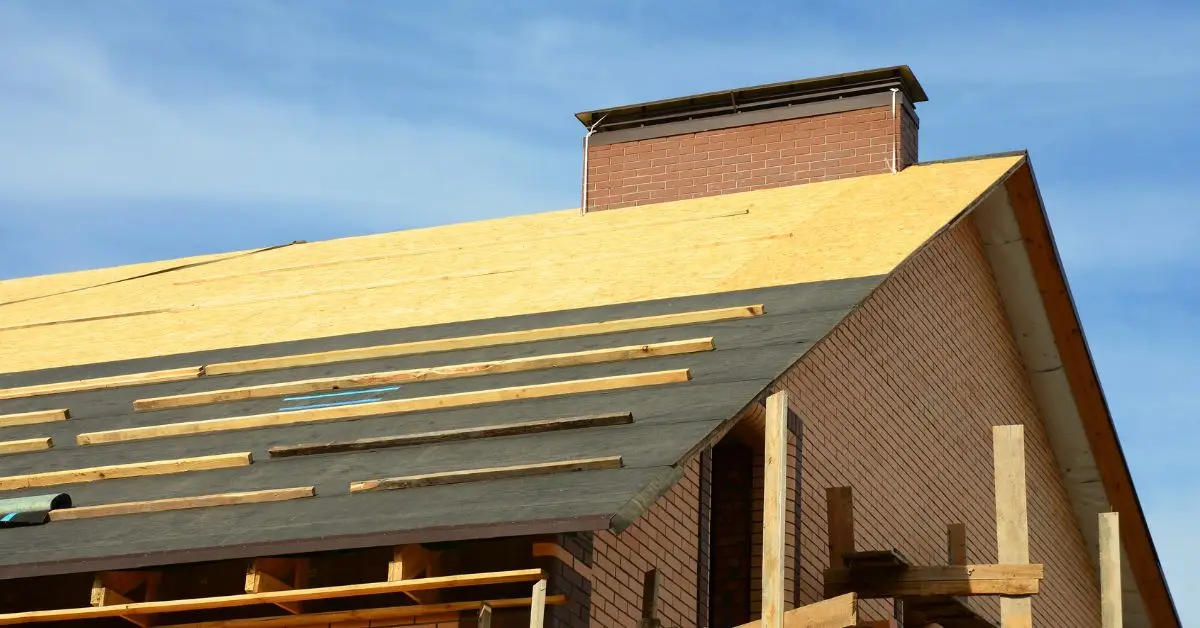
A direct strike on a roof or chimney can generate enough heat to ignite roofing materials. Even if the lightning doesn’t hit directly, electrical surges can travel through wiring and appliances, damaging circuits and creating sparks that start fires. Attics are particularly vulnerable because insulation and wooden framing can catch fire quickly before anyone notices, just like a San Marcos house fire that tragically escalated in minutes and claimed two lives.
Understanding this makes me think differently about storms. You don’t have to live in a high-risk area to be affected — a single strike during a strong storm can be enough to cause a fire in just a few minutes. For a detailed look at lightning-related fire risks, the National Fire Protection Association has a great resource.
Lightning Fire Statistics in the United States
If you’re wondering how often lightning actually starts house fires, the numbers can be surprising. According to national fire safety research, hundreds of fires each year are linked to lightning strikes, and while most cause limited damage, some can destroy entire homes.
Property damage estimates vary, but insurance reports show that attic and roof damage from lightning can run into tens of thousands of dollars, especially if the fire spreads before being contained. Most of these incidents happen during spring and summer storms, when lightning activity is highest across the country.
Knowing these stats makes it clear why preparedness matters. Even if the odds seem low, taking precautions — like surge protectors, attic inspections, and proper lightning protection — can make a real difference when a storm rolls in.
How to Prepare for Lightning and Storm-Related Fires
When I think about this fire on Notre Dame Avenue, one thing is clear: preparation can save your home and your peace of mind. If you live in an area prone to storms, the first step is to create a home evacuation plan. Know where you and your family will meet, and make sure everyone understands what to do if a fire or severe weather strikes.
Next, install and maintain smoke detectors throughout your home. These devices are your first line of defense, especially in attics or areas you don’t check often. I always make it a habit to replace smoke detector batteries whenever daylight saving time changes — it’s a simple routine that could save lives.
Thinking ahead like this doesn’t just protect your property; it gives you confidence during storms, knowing you’ve minimized the risks as much as possible.
Steps to Protect Your Home During Severe Weather
Beyond planning and smoke detectors, there are proactive steps you can take to safeguard your home from lightning strikes. Installing surge protectors can prevent electrical fires caused by sudden surges during a storm.
If you want quick storm safety tips and alerts straight to your phone while preparing your home, there’s a WhatsApp feed I follow that shares real-time advice during severe weather — it’s been surprisingly helpful to stay one step ahead.
If you want to go further, lightning protection systems can redirect strikes away from your roof and wiring. It’s an investment, but it adds an extra layer of security, especially for homes in high-risk areas.
Finally, take a close look at your attic wiring and roofing. Inspect for any loose wires, damaged insulation, or areas where a spark could catch. These small inspections can prevent a small electrical issue from turning into a devastating fire.
Following these steps gives you practical control over your home’s safety, and it’s exactly the kind of preparation that can make a difference if lightning ever strikes nearby.
Why Storm Preparedness Matters for South Bend Residents

If there’s one takeaway from the Notre Dame Avenue fire, it’s this: storms can escalate fast, and your home can become vulnerable in minutes. Being prepared isn’t just about protecting property — it’s about protecting yourself and your family.
By knowing evacuation routes, maintaining smoke detectors, and taking steps to reduce fire risks during storms, you can stay one step ahead of danger. I’ve seen firsthand how quick responses and simple precautions can make the difference between a small incident and a major disaster.
Conclusion
This house fire reminds all of us that even rare events, like lightning strikes, can happen anywhere. Preparing your home, staying aware during storms, and knowing what to do if disaster strikes can save lives and reduce damage.
I’d love to hear from you: Have you ever experienced a storm-related fire or near miss? What precautions do you take at home? Share your thoughts in the comments below — your experience might help someone else stay safe.
For more tips, updates, and discussions on home safety and storm preparedness, you can follow us on X and join our Facebook community — it’s where I share real-time insights and connect with readers like you.
And if you want more practical home safety tips and advice on protecting your property, check out Build Like New for guides, checklists, and expert insights to keep your home safe, strong, and storm-ready.
Disclaimer: This article is for informational purposes only and is not a substitute for professional advice. Always follow official guidance from local authorities, fire departments, and safety organizations during storms or emergencies.