Columbus Firefighters Speak Out About Oil-Based Stain Dangers Following House Fire Linked to Home Improvement Materials
Most people finishing a floor staining project think the hard part is done once the last coat goes on. They pack up, leave the rags in a corner, and call it a day.
That decision nearly cost a Columbus, Indiana family their entire home.
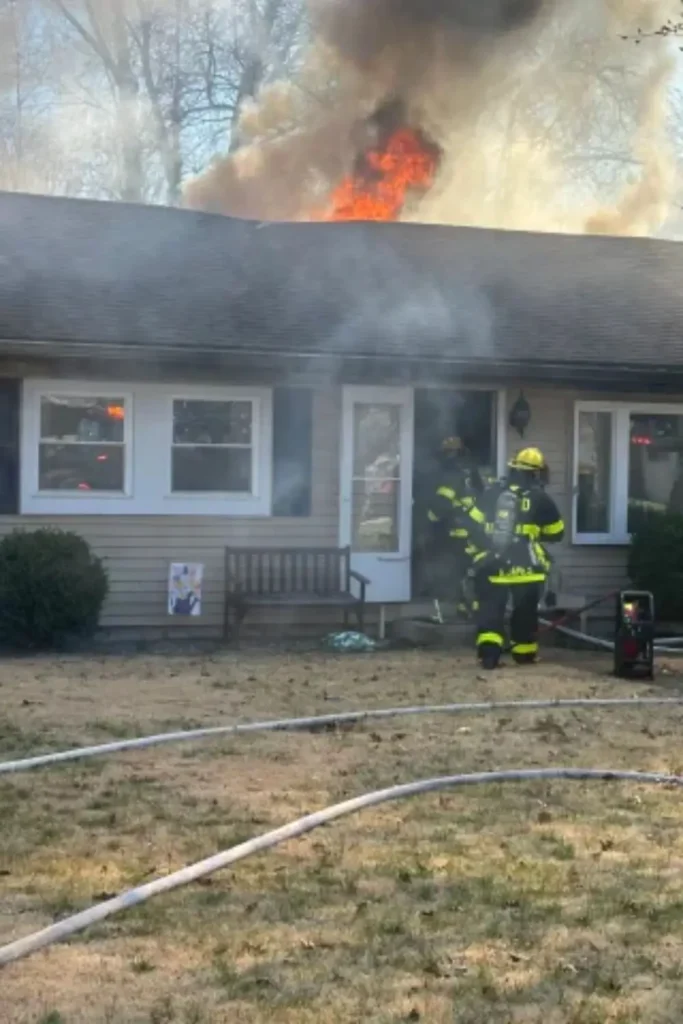
On June 2, 2026, a neighbor spotted smoke coming out of a second-story window on the 3400 block of Riverside Drive. Columbus firefighters arrived around 4:45 p.m. to find the home mid-renovation and already filling with smoke.
They contained the fire to one bedroom, but the heat and smoke damage had already spread through the whole house. Nobody was inside. No injuries reported.
What Started the Fire
Investigators spoke with the property owners after the incident. The bedroom floor had just been stained with an oil-based product. The applicator cloths used during the job were left in the same area where the fire began.
No open flame. No spark. Just rags sitting on a floor.
CFD Fire Marshal Troy Todd explained exactly what happens: oil-based stains and varnishes go through a drying process that triggers a chemical reaction called exothermic oxidation.
That reaction generates serious heat. When the heat gets trapped inside a soaked applicator cloth, it builds up fast. Fast enough to cause the cloth to ignite completely on its own.
“That’s what we see here,” Todd said.
The department’s guidance is clear: soak used rags in water immediately, or seal them in a non-combustible metal container. Do not throw them in a trash can. The full warning from Columbus Fire Department was reported by WTHR News.
Oil-Based Stains Are Not Like Other Products
This is the part most homeowners genuinely do not know.
Water-based stains dry without generating heat. Oil-based stains are a different story. The same drying process that makes them durable and rich-looking is the exact process that makes used rags dangerous. The more saturated the cloth, the more heat the reaction produces.
Products in this category include oil-based stains, linseed oil, varnish, polyurethane, and paint thinner. Everyday items sitting in millions of garages right now, often with used rags folded or piled nearby.
Cleveland Heights, Ohio reported three separate fires from the same cause in June 2026 alone, all tied to renovation projects. This is not a rare one-off. It is a pattern that fire departments across the country deal with every single home improvement season.
If you follow home safety and real estate news as it breaks, WhatsApp channel is worth keeping in your feed for updates like this.
Why This Matters
The numbers behind this are bigger than most people realize.
According to the National Fire Protection Association, an average of 900 home fires every year in the United States are caused specifically by oily rags. The broader category of spontaneous combustion fires accounts for an estimated 14,070 fires annually.
Most of these fires happen between 6 PM and midnight. That is the exact window when homeowners wrap up their projects, leave the supplies behind, and go have dinner. The rags heat up while nobody is watching.
A fire in Agawam, Massachusetts in 2022 started the same way and killed a teenager. Investigators found no working smoke alarms in the home.
In 2024, a three-alarm fire destroyed a home in Newton, Massachusetts during an active renovation. Same cause. Same product category.
The Columbus fire on Riverside Drive was contained quickly because a neighbor was paying attention. Not every family gets that kind of luck.
Key Takeaways
- Fire broke out June 2, 2026 at a home under renovation on Riverside Drive, Columbus, Indiana
- Cause: oil-based stain applicator cloths left in the bedroom where the floor had just been stained
- Fire contained to one bedroom, but smoke and heat damage spread through the entire house
- The chemical process is called exothermic oxidation. No spark or flame needed. The rag self-ignites as the oil dries
- NFPA data: approximately 900 US home fires per year are caused by oily rags
- Do not pile rags, bucket them, or throw them in trash. Submerge in water or seal in a metal container immediately
- Risk products: oil-based stain, linseed oil, varnish, polyurethane, paint thinner
Did you know oil-based stain rags could self-ignite without any flame? A lot of people find out the hard way. Have you ever used these products without knowing the disposal risk? Drop your take in the comments. Genuinely want to know how many people this catches off guard.
Wrapping Up
A bedroom caught fire because of rags left on a freshly stained floor. No spark. No open flame. Just a chemical reaction that most product labels mention in small print and most people never read.
If stories like this are useful to you, Build Like New covers home safety, real estate, and the kind of detail that headline-only coverage tends to skip. Worth bookmarking.
For more as it breaks, follow Build Like New on X (Twitter) and join the conversation on the Facebook community.
Disclaimer: This article is for informational purposes only. All details are based on publicly available reports at the time of publication.