
Can Home Theaters and Game-Day Rooms Really Raise Your Home’s Price?
When I first considered adding a home theater and a game-day setup to my house, I thought it was just about having a cool space to watch movies or cheer on my team. But soon I started asking myself—and anyone who’d listen—one big question: Does this actually increase my home’s value, or am I just spending for fun?
I’ve seen plenty of guides that either gush about the fun factor or throw out generic ROI numbers without context. What I wanted was clarity: real numbers, real buyer behavior, and a sense of whether these upgrades pay off in the long run. In this article, I’m going to walk you through the reality of home theaters and game-day upgrades—what works, what doesn’t, and how to make smart choices that can actually boost your home’s appeal.
By the end, you’ll know exactly when these upgrades make sense and when they’re just lifestyle splurges. And trust me—you’ll see why a few design and planning decisions can make all the difference.
Understanding Home Value: Sale Price vs. Buyer Appeal
When I talk to friends about adding a home theater or a game-day space, I notice a common confusion: we tend to think lifestyle upgrades automatically increase resale value. But here’s the truth—you need to separate sale price from buyer appeal.
- Sale Price Increase: This is the number you actually see on the appraisal or final sale. Not every upgrade translates dollar-for-dollar.
- Buyer Desirability: Sometimes, a cool feature doesn’t add value in dollars but makes your home more attractive to certain buyers. I’ve also noticed that buyers often respond more to practical, everyday upgrades than flashy extras—some of the consistently outperform entertainment-focused upgrades when it comes to resale.
I’ve learned that ROI—return on investment—is key. Just because you spend $20,000 on a theater doesn’t mean your house will instantly be worth $20,000 more. Appraisers focus on the finished space and how it integrates into your home, not the fancy gadgets you’ve installed.
- Finished Space vs. Equipment: A well-built theater room or multipurpose entertainment space counts more than individual screens or sound systems.
- Flexibility Matters: Rooms that can serve multiple purposes—like a theater that can double as a guest room—tend to hold value better.
Understanding these differences helps you make smarter choices before committing to big upgrades. It’s not about avoiding fun—it’s about being strategic so your investment isn’t wasted.
What the Numbers Say About Home Theater ROI
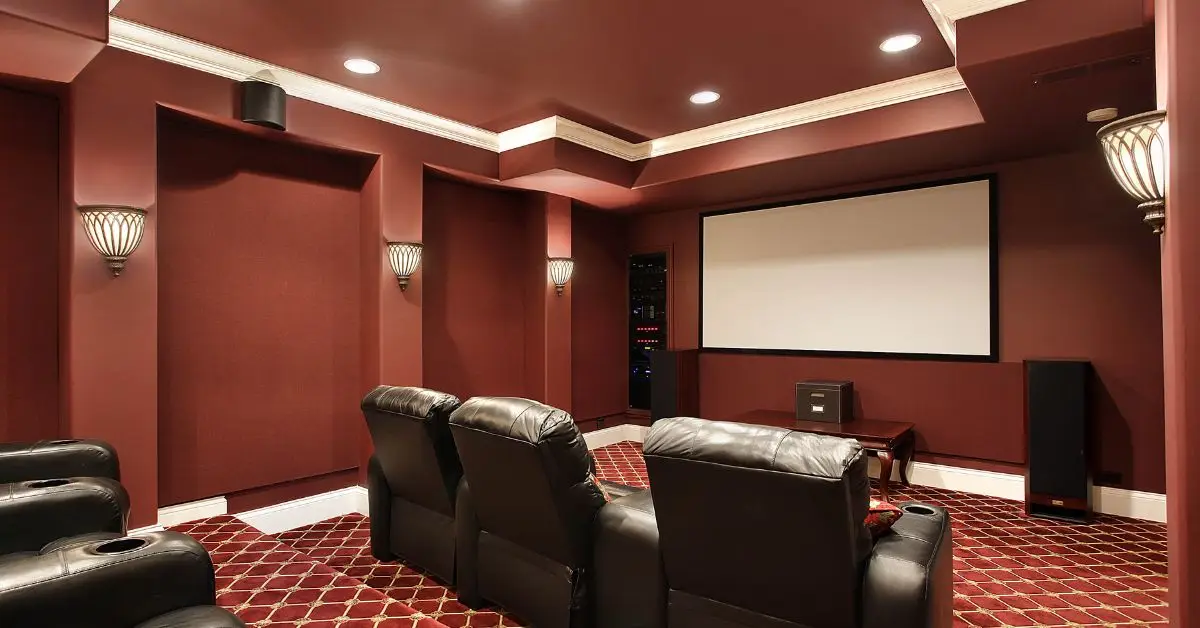
ProjectorScreen.com
I know numbers aren’t always sexy, but they’re what make or break the decision for most homeowners. Here’s what the data shows:
- Typical ROI for Home Theaters: Most sources report an ROI between 50% and 80%, depending on cost, location, and quality of installation. This means if you spend $10,000, you might realistically see $5,000–$8,000 in added value.
- Comparison with Kitchen or Bath Remodeling: Theaters usually don’t outperform kitchens or bathrooms, which often provide higher ROI and broader appeal to buyers. Think of theaters as a “nice-to-have” rather than a must-have. That’s why I always suggest balancing big upgrades with smarter, lower-risk improvements—there are plenty of home upgrades under $1,000 that can improve buyer appeal without putting serious pressure on your budget.
- Market Variation: In luxury neighborhoods, a custom theater or game-day space can tip a sale into a higher price bracket. In mid-range markets, it might just be a fun feature for the next owner.
If you want a detailed breakdown of how home theaters affect property value and see examples across different budgets, I found a helpful resource at Theater Seat Store that walks through realistic ROI scenarios.
Game Rooms, Man Caves, and Entertainment Spaces
When you think beyond a home theater, game-day upgrades can take many forms: a man cave, a sports-themed lounge, or a flexible entertainment space. These areas aren’t just about watching games—they can define how your home feels for you and future buyers.
- Cost Ranges for Game Room Builds: Depending on size, finishes, and tech, you could spend anywhere from $3,000 to $50,000. Knowing this range helps you budget wisely before diving in.
- Adding Square Footage vs. Just Furnishings: A bigger, usable space often adds more resale value than simply buying fancy furniture or equipment. Think of it as investing in a room’s potential, not just its décor.
If you want practical insights on planning and pricing, Home Advisor offers detailed cost breakdowns that can guide your decisions.
Scenarios Where Theaters and Game Spaces Pay Off
Not every home or neighborhood will see the same benefits from a theater or game room. The trick is knowing when these upgrades are worth it.
- Integrating the Space into the Home Layout: A theater or game room that flows naturally from your living areas feels like part of the home rather than an add-on. Multipurpose design—like a theater that doubles as a media room or guest space—can make it more appealing to buyers.
- Targeting the Right Buyer Demographic: These upgrades shine in homes aimed at tech-savvy, entertainment-loving, or luxury buyers. If your neighborhood trends toward young professionals or families who value entertainment spaces, it can be a selling point.
Pitfalls: When Upgrades Hurt or Stall Resale Value

ArtNouveauVision
It’s easy to go overboard, and sometimes what feels like a dream space can actually turn off buyers. I’ve seen a few patterns that consistently cause problems:
- Over-Customization and Personalization: Bright team colors, murals, or themed décor may excite you, but the next buyer could see it as extra work to repaint or redecorate.
- Outdated Technology and Hard-to-Maintain Systems: If the equipment becomes obsolete or breaks frequently, buyers may factor in repair costs rather than value.
- Poor Space Flexibility: Rooms that can’t serve other purposes—like an office or guest room—limit buyer options and reduce overall appeal.
Keeping these pitfalls in mind can save you from investing in features that don’t translate to resale value.
How to Plan an Entertainment Upgrade That Adds Value
If you’re going to spend money on a home theater or game-day space, I want you to do it in a way that actually holds value. The goal isn’t to impress guests for one season—it’s to make choices that still make sense years later when you sell.
Here’s what consistently works.
Focus on Neutral, Flexible Design
I’ve seen too many great spaces lose value because they were built for one person’s taste. Neutral doesn’t mean boring—it means adaptable.
- Stick to neutral wall colors and finishes
- Avoid fixed team branding or themed decor
- Choose layouts that can easily shift into a media room, office, or guest space
When buyers walk in, they should imagine their life there, not feel like they’re stepping into someone else’s passion project.
Invest in Infrastructure First
This is where smart homeowners win. Tech changes fast, but infrastructure lasts.
- Proper soundproofing adds real, lasting value
- Clean wiring and electrical upgrades matter more than flashy screens
- Good lighting design makes the room usable beyond game nights
Even if the next buyer upgrades the tech, they’ll appreciate that the hard work is already done.
Stage and Market It Right When Selling
How you present the space can change how buyers perceive its value.
- Stage it as a multi-use entertainment room, not a niche setup
- Show how easily it converts into another functional room
- Use listing photos that highlight space, lighting, and layout—not just equipment. If resale is even a remote possibility, it helps to think beyond the upgrade itself and focus on the full picture of how to increase your home’s selling value through presentation, pricing, and buyer psychology.
I’ve found solid selling advice on how buyers react to staged entertainment spaces at HomeLight, especially when it comes to positioning these rooms during resale.
What Homeowners Commonly Misunderstand

Let me clear up a few myths I hear all the time—and they’re usually the reason people overspend.
- Myth 1: Expensive upgrades always raise home value
Reality: Cost and value are not the same thing. Buyers don’t reimburse you for personal choices. - Myth 2: More tech equals more value
Reality: Buyers care more about the room than the gadgets inside it. - Myth 3: Appraisers count entertainment upgrades like kitchens
Reality: Appraisers focus on finished, usable space—not luxury equipment.
Once you understand these misconceptions, it becomes much easier to plan upgrades that feel fun and financially smart.
Should You Do These Upgrades? A Balanced Decision Framework
This is where I always pause and ask one simple question: Who am I really doing this for—myself, or the future buyer?
If you plan to stay in your home for years, a home theater or game-day space can absolutely be worth it. You’ll use it, enjoy it, and get real lifestyle value—even if the financial return isn’t perfect. In that case, comfort and enjoyment matter just as much as resale math.
But if selling is on your radar in the next few years, the decision needs more structure. I recommend thinking through it this way:
- Will this space still make sense to someone else?
- Can it be easily reused as a media room, office, or guest room?
- Does the cost fit your neighborhood’s price range?
When upgrades are flexible, well-integrated, and neutrally designed, they tend to support resale—even if they don’t fully pay for themselves. When they’re overly personal or tech-heavy, they usually become lifestyle perks, not investments.
My rule is simple: build for your life first, but don’t block the next buyer’s imagination. That balance is where smart homes win.
If you’ve added a home theater, game room, or entertainment space, I’d love to hear—did it feel worth it to you, especially when resale came into the picture? Drop your experience in the comments.
And if you’re planning upgrades and want practical, no-fluff guidance on building spaces that feel modern and future-proof, explore more insights at Build Like New.
Disclaimer: This article is for informational purposes only and reflects general market trends and homeowner experiences. Actual home value impact can vary based on location, property condition, and buyer preferences. For personalized advice, consider consulting a local real estate professional or appraiser.


