What to Check During a Digital Home Walkthrough
I’ve noticed something change in how people buy homes. More buyers are making decisions through a screen before ever stepping inside.
It sounds convenient, but it also shifts a lot of risk onto you. When you rely on a digital walkthrough, you’re only seeing what the camera shows you, not the full reality of the property.
That means small issues, or even big ones, can easily go unnoticed if you’re not paying attention.
So the real question is not whether digital tours work. It’s whether you know how to use them the right way.
When you watch a virtual walkthrough, are you just looking, or are you actually checking things like a buyer who knows what’s at stake?
Digital Walkthrough vs Real Inspection
This is where most buyers go wrong, and I’ve seen it happen more often than you’d expect.
Showing vs inspection mindset
When I join a digital walkthrough, I remind myself this is not an inspection. It’s a showing.
A showing is designed to impress you. Everything is cleaned, staged, and presented to look perfect. You’re meant to feel excited.
But if you’re serious about buying, you have to switch your mindset. You’re not there to admire the house. You’re there to question it.
An inspection mindset means you actively look for flaws, not just features. You slow things down and ask for details instead of assuming everything is fine.
Why most buyers approach it wrong
This is the part that creates real problems later.
Most buyers just watch the walkthrough like a video. They follow the camera and trust what’s shown.
But the camera only shows what someone chooses to show you.
If you don’t ask for specific angles or details, you’re only seeing half the reality. And that’s where costly surprises begin.
The biggest mistake you can make
There’s one mistake that stands out above everything else.
Treating a digital walkthrough like a replacement for a real inspection. If you want to understand what actually happens after this stage, especially how value gets finalized, this guide on how home appraisals work and why they matter when buying will give you a clearer picture.
It’s not.
Even experts on Realtor.com make it clear that virtual tours are just a first step. They help you decide whether to move forward, not whether the home is perfect.
If you skip a proper inspection mindset, you’re not just taking a small risk. You’re setting yourself up for bigger problems later.
The Hidden Danger of “What You Don’t See”

This is the part that most people don’t think about until it’s too late.
The sensory gap problem
When you’re on a digital walkthrough, your senses are limited.
You can’t smell dampness. You can’t feel temperature changes. You can’t judge space the same way you would in person.
Even sound and lighting can mislead you. A room might look bright because all lights are on. A place might seem quiet because background noise isn’t captured properly.
That gap between what you see and what actually exists is where most hidden issues live.
How problems get hidden in plain sight
This doesn’t always happen intentionally, but it happens.
- If the camera moves too fast, you miss details. If certain areas are skipped, you don’t even realize what you didn’t see.
- Wide angles can make rooms look bigger. Lighting can hide flaws.
That’s why I always suggest learning how walkthroughs work from sources like Realtor.com, so you know what might be getting missed.
The key is simple. Don’t just watch. Direct what you want to see.
The Complete Digital Walkthrough Checklist
Now this is where you take control and actually use the walkthrough the right way.
Before the walkthrough even starts
Preparation matters more than most people think.
Control the setup
Before anything begins, I set a few ground rules.
- I ask the person holding the camera to turn on every light. Shadows can hide cracks, stains, and small defects.
- I also ask them to move slowly. No rushing through rooms.
And I make sure they’re ready to show every part of the house, not just the best-looking spaces.
Structural and visual inspection
This is where you start observing like a buyer who knows what’s at stake.
Walls, ceilings, and floors
- I always slow things down here.
- I look for cracks, stains, or uneven surfaces. These are often early signs of water damage or structural issues.
Even small marks can tell you something important if you don’t ignore them.
Room size and layout accuracy
Camera angles can be misleading.
Rooms often look bigger than they really are. So I ask the agent to stand inside the room to give me a sense of scale.
I also try to understand how the layout flows. Does it feel practical, or awkward?
Plumbing and water systems
This is one area you should never skip.
What to test live
- I always ask them to run faucets and flush toilets.
- I watch how fast water drains and listen for unusual sounds like gurgling.
These small checks can reveal bigger plumbing issues.
Hidden cost signals
Older homes can come with outdated plumbing.
For example, galvanized pipes can clog over time and may need replacement. Insights from National Association of Realtors often highlight how these hidden issues can turn into major expenses.
That’s why I never treat plumbing as a small detail.
Storage spaces that reveal the truth
This is where you often find what sellers don’t focus on.
Cabinets, closets, under sinks
- I always ask to open cabinets and check under sinks.
- Warping, stains, or moisture here can reveal how well the home has been maintained.
These areas usually tell you the real story behind the property.
This is one of those details that keeps coming up in real buyer cases, especially in quick updates and examples I keep sharing regularly when new home buying mistakes start surfacing.
Basement and attic deep check
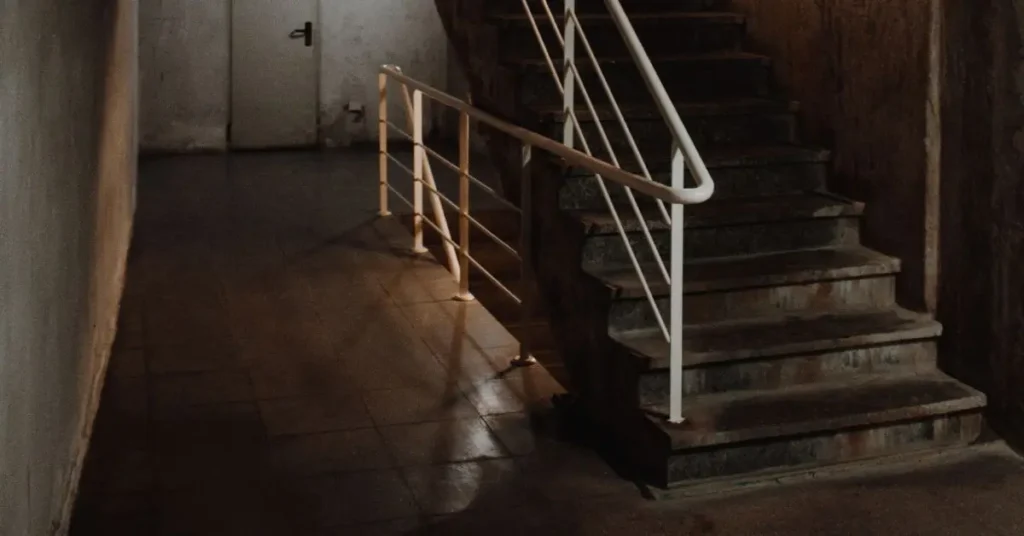
Most buyers overlook these spaces, but they matter a lot.
What most buyers ignore
Basements and attics often show signs of moisture, pests, or humidity problems.
I look closely at corners, edges, and structural elements. These areas can reveal long-term issues that aren’t visible elsewhere.
This becomes even more critical in older properties, and if you’re considering one, you should understand the pros and cons of buying a historic home before making a decision.
HVAC and electrical systems
This is where you check how the home actually functions.
What to ask the agent to do
- I ask them to turn on the heating or cooling system.
- I also want to see the electrical panel. It gives clues about how well the home has been maintained.
What to listen for
- Sound becomes important here.
- A smooth hum is normal. Rattling or grinding is not.
- Even through a phone, you can pick up warning signs if you pay attention.
Exterior and surroundings
The inside is only half the story.
Outside checks
- I always ask to see the exterior.
- I check drainage, spigots, and signs of leaks. I also look at how windows and doors are installed.
These details affect long-term durability.
Neighborhood reality check
Finally, I ask for a view of the street.
What’s around the house matters just as much as what’s inside. Traffic, nearby buildings, and noise levels can change your experience completely.
If needed, I cross-check using tools like Google Maps to get a better sense of the area.
Listen Like a Professional
Most buyers only watch. I listen just as carefully.
Why sound is your second pair of eyes
Sound fills the gaps visuals can’t.
When systems turn on or water runs, I pay attention to how things sound, not just how they look.
Here’s what I focus on:
- HVAC noise → should be smooth and steady
- Plumbing sound → clean flow, no gurgling
- Ambient noise → traffic, neighbors, outside activity
Sometimes, I even ask for a few seconds of silence. That alone can reveal a lot.
Red flag sounds
There are certain sounds I never ignore:
- Continuous sump pump running → possible water issue
- Loud startup noises → HVAC may need repair
- Grinding or rattling → mechanical problem warning
If something sounds off, I don’t assume it’s minor. I treat it as a follow-up point.
The Smell Factor Nobody Talks About
You can’t smell through a screen, but you can still investigate it.
How to detect smell issues remotely
I ask directly. No hesitation.
- Does anything smell musty or damp
- Is there any unusual odor inside
It might feel basic, but these questions often uncover things you can’t see.
Warning signs
Certain clues usually point to deeper problems:
- Musty smell → possible mold or moisture
- Too many air fresheners → something being hidden
- Constant dehumidifier → ongoing humidity issue
If I notice any of these, I take it seriously.
Questions That Reveal Hidden Problems
This is where you stop being passive and take control.
Must ask questions during the tour
I always ask things like:
- Can you open that cabinet
- Can you show under the sink
- Can you pause so I can hear the surroundings
These simple requests often reveal what a normal walkthrough would skip.
Advanced questions smart buyers ask
When I go deeper, I ask:
- What’s the age of major systems
- Have there been any past repairs
- Any history of water damage
These questions shift the walkthrough from a tour to a real check.
Behavioral Red Flags During the Tour
Sometimes the biggest clues come from how the tour is handled.
Signs the walkthrough is being controlled
I watch for patterns like
- Rushed pacing through rooms
- Skipping certain areas
- Avoiding specific requests
These are not random. They usually mean something is being avoided.
What it usually means
When I see this behavior, I assume:
- There could be hidden issues
- Maintenance might not be great
- I need to ask more questions
A good walkthrough should feel open, not controlled.
Double Check Strategy Before You Make an Offer
One walkthrough is rarely enough if you’re serious.
Why one walkthrough is never enough
You’re seeing a limited version of the property:
- One time of day
- One lighting condition
- One controlled view
It’s easy to miss details in that setting.
What to do next
Before moving forward, I always:
- Request a second walkthrough
- Ask to see the home at a different time
- Compare how the area feels morning vs evening
This second look often changes your perspective.
Why This Matters
This is not just about being careful. It’s about protecting your money.
The real financial risk behind missing these checks
When you rely only on what you see, it’s easy to miss problems that don’t show up clearly on camera.
And those problems are rarely small.
- Hidden plumbing issues can cost thousands to fix
- Mold or moisture damage can lead to serious repairs
- Structural problems can turn into long-term expenses
I’ve seen buyers save time upfront and pay for it later. A few missed details during a walkthrough can quickly turn into unexpected costs after purchase.
Data backed importance
The risk is growing because the way people buy homes is changing.
- More buyers are purchasing homes remotely
- Competitive markets push faster decisions
- Less time means fewer chances to verify details
Reports from National Association of Realtors show that remote buying is becoming more common, which makes careful walkthrough checks even more important.
If you’re not slowing down and verifying things, you’re increasing your chances of making an expensive mistake.
Key Takeaways
This is what separates a careful buyer from a risky one.
What separates smart buyers from risky ones
I keep it simple:
- Ask, don’t just watch
- Verify, don’t trust visuals
- Treat the walkthrough like an investigation, not a tour
If you follow this mindset, you reduce surprises later.
If you don’t, you’re relying too much on what’s being shown to you.
Smart Strategy for Modern Buyers
Digital walkthroughs are useful, but only if you use them the right way.
How to use digital walkthroughs effectively
I treat them as a filtering tool.
They help me decide whether a property is worth my time and effort, not whether it’s perfect.
Think of it like shortlisting, not final decision making.
And if the deal involves someone you know, the risks can change completely, which is why this guide on things you must know before buying a house from a family member is worth going through.
When physical visit becomes mandatory
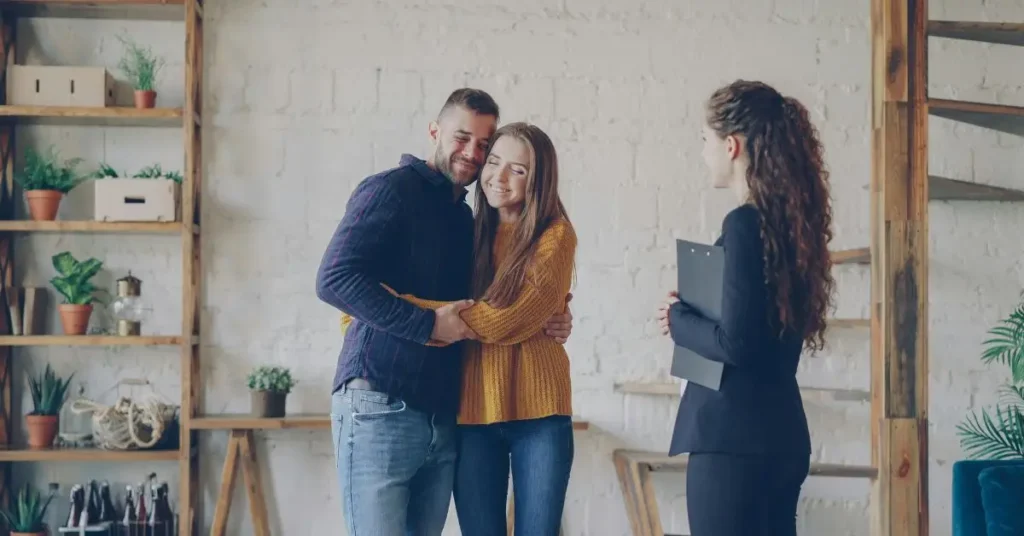
No matter how good the walkthrough is, there are moments when you can’t skip an in-person visit.
- Before final purchase
- Before closing the deal
If I’m putting serious money into a property, I don’t rely only on a screen.
That final step needs real confirmation.
Final Insight
This is where everything comes together.
If you take only one thing from this guide, let it be this.
You are not watching a tour. You are auditing a property remotely.
The moment you shift from a viewer mindset to an investigator mindset, everything changes. You start asking better questions. You notice details others miss. And most importantly, you protect yourself from expensive surprises.
A digital walkthrough is not about being impressed. It’s about being informed.
Now I’d like to hear from you.
When you watch a digital home tour, do you usually go with the flow, or do you actively check things like this?
Drop your experience or questions in the comments. It will help others learn from real situations.
And if you want more practical, no-nonsense home buying insights, visit Build Like New. I break things down in a way that actually helps you make smarter decisions.
And if you want more real-world insights like this, you can follow along on X or join the discussion on Facebook. I regularly share quick breakdowns, practical tips, and things most buyers don’t notice until it’s too late.
Disclaimer: This content is for informational purposes only and should not be considered professional real estate or inspection advice. Always consult licensed inspectors, agents, or relevant experts before making any property purchase decisions.