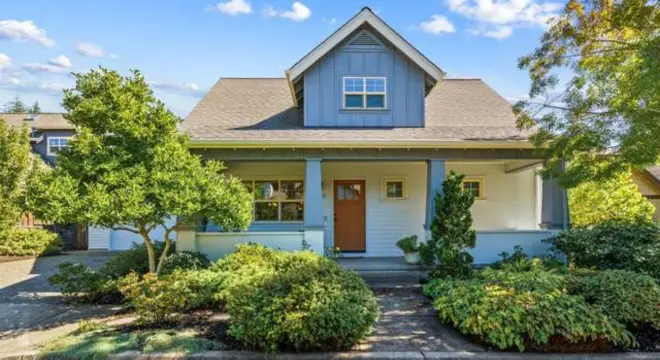
Homeowner Accused of Removing Public Trees for Better Mansion Views
I’ve seen plenty of strange real estate disputes, but this one feels bigger than a fight over trees.
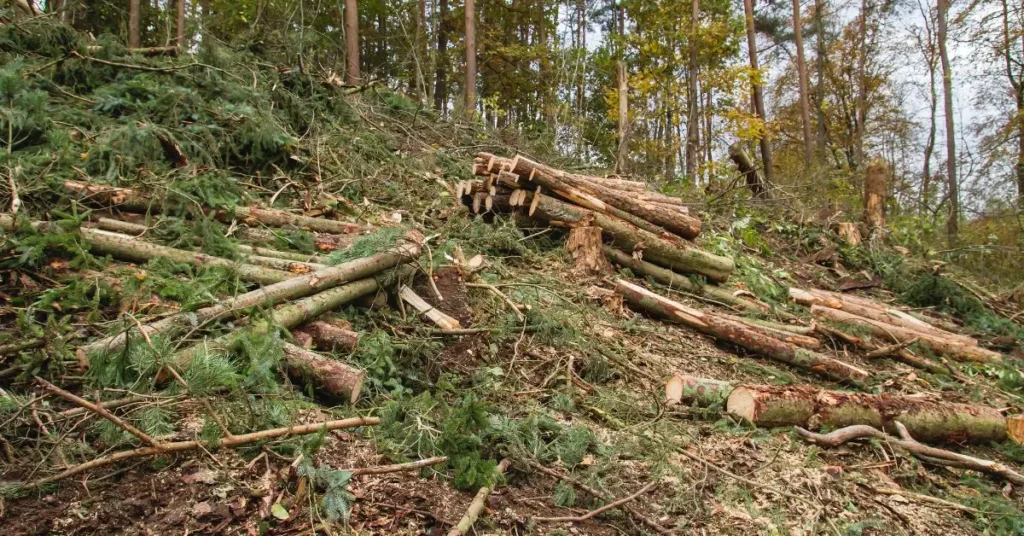
A Washington homeowner is being sued after King County officials claimed more than 140 trees were cut from Grand Ridge Park near his luxury home.
The county says those missing trees gave the property better mountain views and may have helped boost its asking price to nearly $6.5 million.
That is what makes this case so hard to ignore.
You are not just looking at a homeowner accused of crossing a property line. You are looking at a question that hits property rights, public land, environmental damage, and the way a scenic view can turn into serious money.
And if the county proves its case, this could become a costly reminder for homeowners everywhere.
Before cutting a single tree near your property, you need to know exactly who owns the land, what permits are required, and how quickly a “better view” can turn into a lawsuit.
The Core Allegation — Cutting Trees to Boost Property Value
This case really comes down to one key question — was this about safety, or about money?
“Improved views” and million dollar motivation
When I look at this situation, the connection feels hard to ignore.
As reported by Realtor.com, once the trees were removed, the home suddenly had a clear mountain view. Not long after, it was listed at a higher price.
You know how real estate works. Better views often mean higher value. That is why this detail matters so much.
Timeline that raises suspicion
The timing here is what makes people pause.
Before the tree removal, the homeowner had indicated a lower price. After the clearing, the price jumped to around $6.5 million.
There are also messages mentioned in court filings where the view is highlighted. That does not prove intent, but it definitely raises questions.
Homeowner’s defense vs county’s claim
Now this is where both sides split clearly.
The homeowner says the trees were dangerous and could fall due to wind damage. From a homeowner’s perspective, that concern is real.
At the same time, not every tree near your home is harmless. Some species can actually damage your structure over time, which is why knowing about trees that can damage your home’s foundation and pipes becomes important.
But the county believes something else. They argue the trees were removed to improve the view and increase property value.
So the entire case now revolves around intent.
The Financial Stakes — How Big Is the Damage
Once you look at the numbers, you realize this is not a small dispute anymore.
Estimated damages range widely
The estimates are far apart.
The county is claiming damages in the millions, while the defense is putting the number much lower. That gap shows how complex it is to calculate tree-related loss.
Why tree damage can be extremely expensive
At first, it might seem like “just trees,” but it is more than that.
There is the cost of restoring the land, which takes time and money. And since this is public land, the impact is broader.
I keep seeing similar situations pop up where small decisions lead to bigger legal or financial trouble, and most people only realize it when it’s too late.
Even sources like Forbes have explained how natural surroundings influence property value, which is why damage like this is taken seriously.
Triple damages law explained simply
Here is something most people do not expect.
In some cases, the court can multiply the damages. That means the final amount can be much higher than the base estimate.
In this situation, it could go close to $7 million.
Legal Reality — Can You Cut Trees on County Property
If you are wondering what the law says, the answer is pretty clear.
Short answer: No without authorization
If the land is not yours, you cannot make changes to it.
Public or county land requires proper approval. Cutting trees without that can lead to legal trouble.
Laws triggered in such cases
This is not just one violation.
It can involve trespassing, property damage, and even environmental issues depending on the case.
So the consequences stack up quickly.
Civil vs criminal risk
Right now, this is a civil case.
But there is still a possibility of criminal charges. If that happens, the situation becomes much more serious.
Why Views Are Worth Millions in Real Estate
To really understand this case, you have to understand how valuable views are.
How views directly impact home pricing
I have seen this many times.
Homes with better views tend to sell for more. Buyers pay for light, openness, and scenery, especially in luxury markets.
Listing language reveals strategy
Pay attention to how homes are described.
Words like panoramic views or open exposure are used to justify higher prices. That tells you how important visuals are in pricing.
Hidden truth
Here is the simple reality.
Even small physical changes can shift how a home is valued. And that shift can mean a big difference in price.
The Bigger Pattern — Not Just One Case
This situation is not happening in isolation.
Growing trend of view driven tree disputes
More cases like this are coming up.
Homeowners are trying to improve views, and trees often become part of that conflict.
Why this is becoming more common
There are clear reasons behind it.
Property prices are rising, and competition is stronger. When views can impact value so much, some people take risks they should not.
Environmental and Community Impact
This is the part most people ignore, but it actually affects everyone around that area.
What 100+ trees loss really means
When you remove that many trees at once, the impact is not small.
You are looking at ecosystem disruption. Trees support soil, wildlife, and natural balance. Remove them, and that system gets disturbed.
There is also erosion risk. Without roots holding the soil, land becomes unstable, especially on slopes. Over time, that can lead to bigger problems like landslides or water runoff issues.
So even if the intent was local, the damage spreads much wider.
What Happens Next in the Case
Now the focus shifts from what happened to what comes next.
Upcoming civil trial timeline
The case is moving toward a civil trial scheduled in the near future.
That trial will decide whether the homeowner and others involved are responsible and how much they need to pay.
Risk of criminal charges
This part is still open.
Prosecutors are reviewing the situation to decide if criminal charges should be filed. If that happens, the consequences go beyond financial penalties.
Court concerns
The court has already shown concern about what could happen to the property sale.
There were attempts to ensure that if the home is sold, the money stays within reach of the court. The worry is simple. If funds are moved, it becomes harder to recover damages later.
What Homeowners Should Learn From This
If you own property or plan to, this case has some clear lessons.
Never assume control over nearby land
Just because something is near your home does not mean you control it.
Property boundaries matter more than most people realize. Crossing that line, even unintentionally, can lead to serious issues.
Always verify before cutting trees
This is where many people make mistakes.
There is often confusion between public and private land. Before doing anything, you need to check ownership and get proper permissions.
It is not just about ownership either. Even basic yard work can be risky if you are not aware of your surroundings, especially near utilities. Here’s what you should know about the dangers of doing yard work near power lines.
A quick check can save you from a major problem.
Real risk
The risks here are not minor.
You could face financial penalties, legal action, and long term damage to your reputation. In high value areas, these consequences can escalate quickly.
Even a small mistake can turn expensive very fast. There are real cases where one wrong move has led to major losses, like this example of a tree pruning mistake that cost a homeowner $50,000.
Why This Matters
This is not just one isolated case. It reflects a larger pattern.
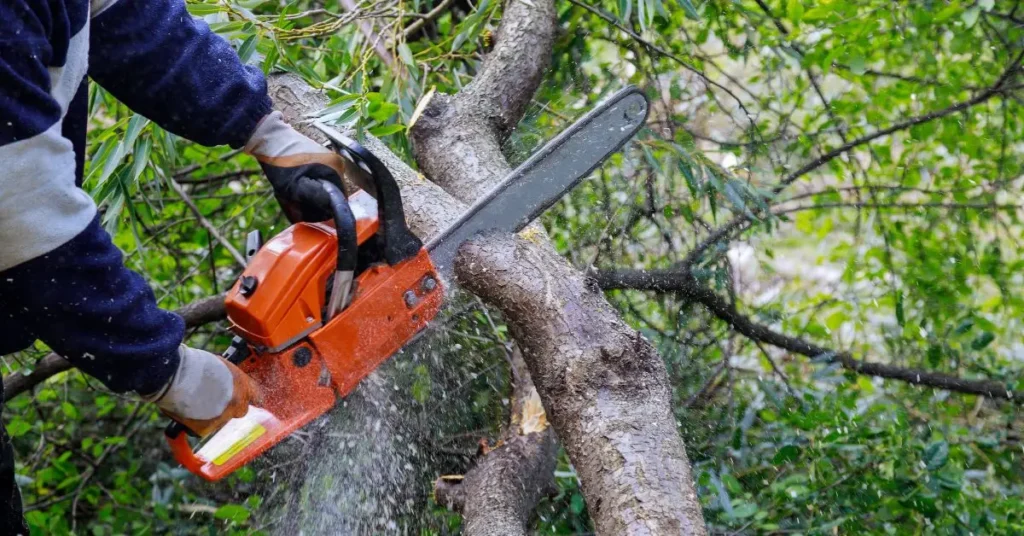
Tree related lawsuits can reach millions in damages, especially when public land is involved. Even cutting a single tree illegally can lead to heavy fines depending on local laws.
Reports and legal analyses from platforms like Harvard University have also highlighted how environmental damage tied to real estate is becoming more common in high value areas.
When property value, natural resources, and legal boundaries collide, the stakes get high very quickly.
Key Takeaways
If you step back and look at the bigger picture, a few things become very clear.
- Cutting trees on public land can lead to serious lawsuits
- Trying to increase property value this way can backfire legally
- Tree laws are stricter than most homeowners think
These are not small mistakes. They can turn into long legal battles very quickly.
Final Perspective
This case is not just about one homeowner or one dispute.
When I look at it closely, it shows a bigger issue. Real estate pressure is rising, people want better views, and sometimes decisions are made without fully understanding the legal side.
At the same time, there is real environmental impact that cannot be ignored.
So it becomes a mix of pressure, lack of awareness, and long term consequences.
Before you go, I would really like to hear your take.
Do you think this was a genuine safety concern or an attempt to increase property value?
Drop your thoughts in the comments. Your perspective might help someone avoid a costly mistake.
And if you want more real world insights like this around property, construction, and smart decisions, you can explore more on my website Build Like New.
If you like real-world breakdowns like this, you can also follow along here: Build Like New on X and Build Like New Facebook community.
Disclaimer: This content is for informational purposes only. Laws and regulations can vary depending on location, and situations like this can be complex. Always consult a qualified legal or real estate professional before making decisions related to property or land use.