A Colorado Family Came Home After 10 Days Away and Found Soot Covering Their Walls
Coming home after ten days should feel like relief. For some Southern Colorado families, it did, for about five minutes.
Then they saw the soot on the walls. The spoiled food in the fridge. The swamp cooler vent caked with ash. The reality hit fast: the fire may have passed, but the hard part is just starting.
A Fire That Emptied an Entire Region
The Aspen Acres Fire ignited June 29, 2026, and within 24 hours had burned over 23,000 acres.
By early July it crossed 97,000 acres, destroying more than 780 structures across Pueblo and Custer counties. Colorado City, Beulah, Wetmore, San Isabel, whole communities cleared out overnight. More than 11,000 people were forced to leave, many with minutes, not hours.
As of July 6, the fire was only 20% contained, making it the 7th most destructive wildfire in Colorado history.
The Return Nobody Fully Prepared For
On July 10, some areas got re-entry clearance. Residents along 3R Road, Signal Mountain, Colorado City, and locations east of Hwy 165 to Ray Blvd. were allowed back, but on pre-evacuation status. One wind shift, and they leave again.
Jen Garren was one of the first through the door. Her family had evacuated July 1 when winds pushed the fire toward their Colorado City neighborhood. Eight people, two dogs, and four cats spent the next week between relatives’ homes and an emergency Airbnb through 2-1-1.
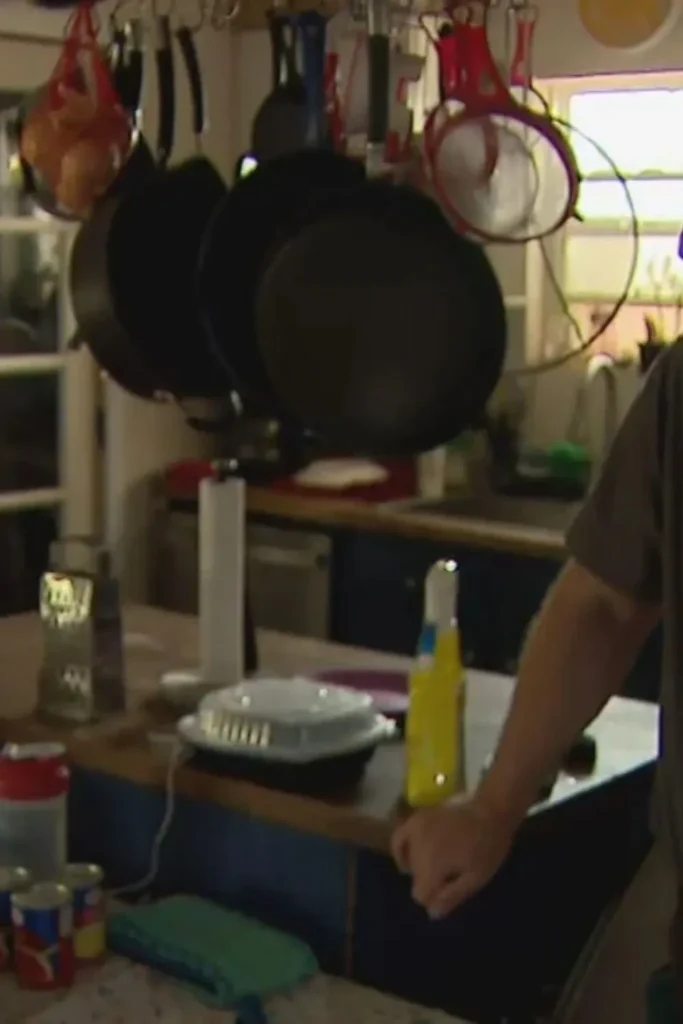
The house was standing when they returned. But smoke had come through the swamp cooler vent, soot was on the walls, and days without power had spoiled everything in the fridge.
“We won’t be staying here for a while yet,” Garren said. “We’ll be coming down to clean, and it’s going to be a lot of work.”
Not everyone has that option. Andy McKinley and his family remain fully evacuated from Beulah, where entire neighborhoods were destroyed. “We are blessed. We’re not suffering, except for the fact that we’re not home.”
The Part Most Coverage Is Missing
A home that survived the fire is not automatically a safe home.
Smoke settles into walls, furniture, flooring, and HVAC systems. Volatile organic compounds (VOCs), including benzene, get absorbed into everyday materials like pillows and drywall and keep releasing into indoor air for weeks after the fire is gone.
Colorado’s Department of Public Health warns that these chemicals “will continue to be released into the air over the weeks following the fire.” Their guidance: run HEPA air purifiers and keep children and elderly family members away from cleanup work entirely.
It is also worth remembering that fire recovery is rarely straightforward. Take the story of this Ottawa family who rebuilt after a house fire, only to have lightning strike the same home a year later. Recovery looks different for every family.
There is a WhatsApp channel that covers stories like this closely, disaster recovery, displaced families, and what actually happens after the cameras leave. Worth having in your feed.
Why This Matters
A peer-reviewed UCLA study found that after the 2025 Los Angeles wildfires, VOC levels inside surviving homes were actually higher in the weeks after the fire than during the fire itself. The full findings are in this UCLA research on post-wildfire indoor air exposure.
Families walking back into Colorado City this week are living that exact situation, and most do not know it.
The Red Cross has helped 735 people since the fire began and still has 14 trained mental health workers active in the region.
Executive Director Heidi Richmond put it plainly: “People don’t know what they’re returning to. This response is going to be ongoing. It’s certainly just the beginning for many.”
Behind every fire story are details that never make the headline. Like the Garden Grove man who lost everything when a neighbor’s fireworks burned his home down, or the 68-year-old man found dead inside an Oregon home after a 2-alarm fire trapped him on the second floor.
Fire does not end when the flames do.
Key Takeaways
- Aspen Acres Fire started June 29, 2026, burned 97,000+ acres, 7th most destructive in Colorado history
- 780+ structures destroyed across Pueblo and Custer counties
- Select Colorado City areas allowed re-entry July 10, still on pre-evacuation status
- Surviving homes carry soot, VOC contamination, and spoiled food from extended power outages
- Children, elderly, and people with respiratory conditions should not clean without proper N95 protection
- Beulah and other hard-hit areas remain fully evacuated with no return timeline
- Red Cross has assisted 735 people with sheltering, food, and mental health support
Do families returning to smoke-damaged homes get enough practical guidance about what they are actually walking back into? Drop your take in the comments below.
Wrapping Up
For thousands of Southern Colorado families, July 10 was not the finish line. It was the start of the next chapter, and that chapter involves masks, air purifiers, spoiled refrigerators, and decisions nobody prepared them for.
If stories like this stay with you, Build Like New covers disaster recovery and the human side of events like this one as they unfold.
For updates as they break, follow Build Like New on X (Twitter) and join the conversation in the Facebook community. That is where these stories stay alive past the headlines.
Disclaimer: This article is for informational purposes only. All details are based on publicly available reports at the time of publication.