Tampa Mobile Home Fire Spreads Fast, 4 Nearby Homes Affected Amid Strong Winds
When I look at incidents like this, one thing stands out right away. A fire in one mobile home can turn into a much bigger emergency within minutes, especially when the weather is dry and the wind is pushing flames from one home to the next.
That is exactly what happened in Tampa on Tuesday afternoon, when a fully involved mobile home fire on North Florida Avenue spread to four nearby residences before crews got it under control.
The good news is that no residents were inside, no injuries were reported, and one dog was rescued.
But the speed of the spread tells a bigger story you should not ignore, because in close set communities, weather and timing can change everything fast.
Timeline of Events from Emergency Call to Fire Containment
When I look at how this unfolded, the timing tells you everything. The emergency call came in around 12:30 PM, and within minutes crews were already responding.
By the time they reached North Florida Avenue, the mobile home was already fully on fire. That means the fire had a head start before any suppression could begin.
Very quickly, firefighters realized this was not a small incident. The flames were intense, smoke was heavy, and the weather was making things worse.
Because of that, a second alarm was called. That usually happens when the situation needs more people, more equipment, and faster coordination to prevent it from getting out of control.
Even with those challenges, crews managed to contain the fire in under 50 minutes.
If you think about it, that response likely prevented even more homes from being damaged. In cases like this, timing and quick decisions make a real difference.
How Dry and Windy Conditions Fueled the Fire Spread
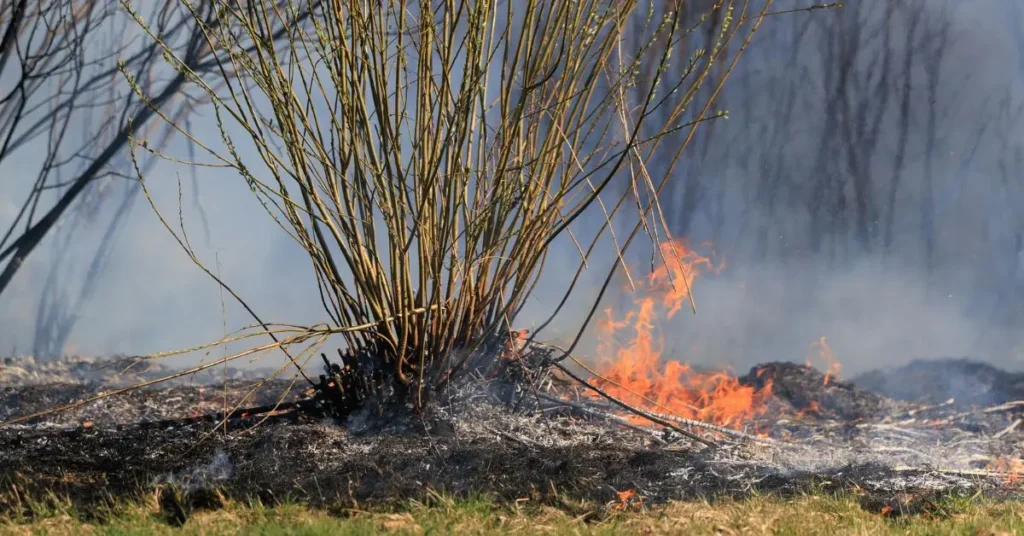
If you are wondering why the fire moved beyond one home, the weather played a major role. Dry conditions make surfaces easier to burn.
When there is less moisture in the air, materials heat up faster and catch fire more easily. This is something even experts at the National Weather Service often point out during fire-prone conditions.
Now add wind to that situation. Wind does not just make flames bigger, it pushes them outward. It can carry heat and small burning particles from one structure to another. That is how fires jump spaces that might otherwise seem safe.
In mobile home areas where homes are close together, this becomes even more risky. Once one structure is fully burning, nearby homes are already exposed.
In this case, dry air and wind worked together, and that is what allowed the fire to spread to multiple homes so quickly.
Damage Report and Rescue Efforts
When I go through the impact, the scale becomes clear pretty quickly. At least four nearby homes were damaged as the fire spread from the original mobile home. That tells you how fast things moved and how close these homes were to each other.
Fires like this can sometimes leave homes beyond repair, similar to situations where properties face structural risk and even demolition, like in this case of a historic San Antonio home set for emergency demolition after fire.
One detail that stands out is the dog that was rescued. In situations like this, even a single rescue matters. It shows how crews are not just focused on controlling the fire, but also on saving whatever they can in the middle of chaos.
The biggest relief here is that no injuries were reported. No residents were inside the homes at the time, and firefighters also came out safe. In a fire that spreads this quickly, that is not something you can take lightly.
Emergency Response by Tampa Fire Rescue
From the moment crews arrived, they were dealing with a serious situation. Heavy flames and thick smoke were already coming from the home, which means the fire had fully developed before suppression even began.
The decision to call a second alarm makes more sense when you look at those conditions. More fire units were needed to control the spread, manage the smoke, and protect nearby homes. Without that quick call, the damage could have been worse.
There were also temporary road closures in the area while crews worked to contain the fire. If you have ever been near an active fire scene, you know why this matters.
It keeps the area clear so firefighters can move fast and safely.
What Caused the Tampa Mobile Home Fire
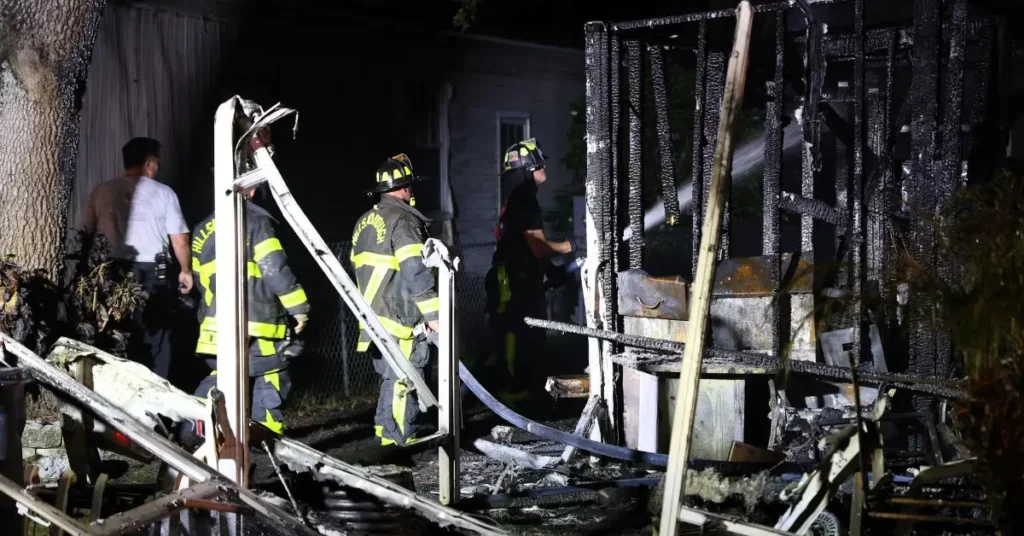
Right now, the exact cause of the fire is still under investigation. The Tampa Fire Marshal’s Office is handling that part, and these investigations are usually detailed for a reason.
So far, officials have only confirmed what happened during the incident, not what started it. There are also cases where the cause becomes clear only after detailed investigation, like when officials confirmed details in a man found dead after house fire in Lake in the Hills.
That can feel frustrating if you are looking for clear answers, but it is actually a normal process.
Early guesses can be misleading, so investigators take their time to get it right.
If you want a full breakdown of what has been officially reported so far, you can check the original coverage from Tampa Bay 28.
In most fire cases, determining the cause takes time because investigators have to look at burn patterns, possible ignition sources, and witness input. It is not just about finding where it started, but understanding how it developed.
Cases like this often take time to unfold, and small updates can change the full picture. I usually keep track of these developments in real time, especially when new details come out.
Why Mobile Home Fires Can Spread Faster Than Expected
When I look at setups like this, the biggest issue is how close the homes are. If one catches fire, the heat and flames reach the next home very quickly. There is barely any gap to slow things down.
The structure also plays a role. Mobile homes can heat up fast, and once the fire gets inside, it does not take long to spread through the space. You do not get much time to react.
In dense areas, this turns into a chain effect. One home burns, then another, and it keeps moving. That is exactly what you see in incidents like this.
Even when homes are unoccupied, fires can still spread quickly in certain setups, as seen in this incident of a fire breaking out at an unoccupied multi-family home in central El Paso.
Fire Safety Tips for Mobile Home Residents in Dry Weather

If you live in this kind of area, small steps matter. Keep the space around your home clean. Dry leaves or anything flammable near walls can make things worse.
You should also think about your exit. Fires like this move fast, so knowing how to get out quickly is important. Basic planning, even something simple, can help. You can check practical steps on Ready.gov if you want clear guidance.
And do not wait too long. If a nearby home is on fire and wind is strong, leaving early is always the safer call.
Key Takeaways from the Tampa Mobile Home Fire Incident
When I look at this incident, the biggest takeaway is how much weather can change the situation. Dry air and wind can turn a single home fire into multiple damaged homes very quickly.
It is not always about how the fire starts, but how fast it spreads once conditions are right.
Another thing you should notice is the role of quick response. Firefighters were able to contain the situation in under an hour, even after it spread.
That kind of timing matters more than people realize. A delay could have made the damage much worse.
And then there is preparedness. You do not need a complicated plan, but you do need some awareness. Knowing when to step out, how to react, and not waiting too long can protect both lives and property.
I want to hear from you. If you were in that situation, would you leave immediately or wait to see how bad it gets? Share your thoughts in the comments.
Also, if you want more practical insights like this, you can explore more on Build Like New where I break down real incidents in a simple way so you can actually learn something useful from them.
If you like staying updated on real incidents like this and want simple breakdowns without noise, you can also follow along on X and join the discussion on our Facebook group. I share similar updates and insights there regularly.
Disclaimer: This content is for general information and awareness only. I am not a fire safety official, and this should not replace advice from local authorities or emergency services. Always follow official guidelines and instructions during any emergency situation.