Northern Minnesota House Fire Leaves One Woman Dead
When I first went through the reports, what struck me was how fast everything unfolded. It was just after 4:20 in the morning — the kind of hour when most of us are asleep and completely unaware of what’s happening outside our walls. That’s when a 911 call came in about a home burning in the small community of Osage.
What makes this even heavier is how the call actually reached authorities. A man who lived in the house ran out to the highway, flagged down a passing driver, and told them his home was on fire — and that a woman was still inside. I want you to pause for a second and imagine being in that moment. Smoke behind you, panic running through you, and your only hope is a stranger on a dark rural highway.
Within minutes, responders from nearby fire departments and the sheriff’s office were on their way. But rural Minnesota isn’t like a city. Distances are long, and night-time conditions slow everything down. By the time firefighters got inside the home, they found the woman who had been trapped. She didn’t survive.
I’m sharing this early timeline with you because these first few minutes reveal a lot — the urgency, the human struggle, and how quickly a normal night can turn into something irreversible. And as you keep reading, I want you to think about one simple question:
If a fire broke out at your place in those early morning hours… how prepared would you be?
How Fire Crews Responded When the Call Came In
When I reviewed the official details and the report from KARE 11, one thing became clear: everyone moved fast, but the fire moved faster.
Firefighters from Carsonville Fire and Rescue and the Park Rapids Fire Department were the first to push toward the home. If you’ve ever driven through that part of northern Minnesota, you know those roads are quiet, long, and surrounded by thick woods. Responding at 4 a.m. isn’t simple — you’re working against distance, darkness, and freezing temperatures.
A sheriff’s deputy arrived as well, and more help followed, including the Minnesota State Fire Marshal’s Office and EMS teams. When crews finally got inside, they located Anita, but it was already too late.
I’m telling you this because I want you to understand something important: rural fire response isn’t just about skill — it’s about time. And during a house fire, time disappears fast.
What We Know About the Victims
The sheriff’s update confirmed that the woman who died was Anita Charlene Gruel, 79. Her name came through in the February 26 update and was also shared across local channels, including Facebook groups where residents posted condolences and shared the official update from the Becker County Sheriff’s Office page.
Seeing the comments on the official Facebook post from the Becker County Sheriff’s Office reminded me how connected these small communities are. People weren’t just reacting to “news.” They were reacting to a neighbor… someone they likely knew by face, if not by name.
Anita’s son, Charles Lane Gruel, 48, survived. He was taken to the hospital for smoke inhalation and possible burns. And if you’ve ever talked to someone who made it out of a fire, you know survival doesn’t mean the story ends. It means something new starts — recovery, guilt, questions, memories.
If you’re reading this, I want you to keep something in mind: every fire story is really a family story.
What Officials Are Saying Right Now
Sheriff Todd Glander kept the updates straightforward and respectful. The cause of the fire is still under investigation, and that’s normal. Investigators don’t guess. They slow everything down, sift through debris, examine burn patterns, interview survivors, and cross-check every detail before they commit to a cause.
What I appreciate in situations like this is transparency. When officials say, “We’re still looking into it,” it means they’d rather stay accurate than rush an explanation. And as a reader, you deserve accuracy — not assumptions.
If you’ve ever lost someone or even witnessed an emergency unfold, you know how badly people want answers. But real answers take time.
A similar delay happened in another case I covered in New Jersey, where investigators took extra time to determine what triggered a massive three-alarm home fire.
How Investigators Figure Out the Cause in Rural Minnesota
Whenever I talk to investigators in Minnesota, they always remind me that rural fire scenes work differently than urban ones. When the Minnesota State Fire Marshal’s Office steps in, they’re not just looking for what burned — they’re looking for why it burned that way.
In a rural setting, cold temperatures change how smoke settles. Long response times change how a structure collapses. And older homes often have a mix of old wiring, space heaters, and wood stoves. Every one of those things becomes a puzzle piece.
The process includes:
– walking the perimeter
– documenting burn patterns
– checking electrical panels
– examining heating equipment
– cross-checking witness statements with physical evidence
I want you to notice something here: nothing about this process is random. It’s methodical because one wrong assumption can lead to the wrong conclusion — and that affects families, insurance, and community safety.
Why Fires in Becker County Spread So Fast
If you’ve ever driven through Becker County, you know the landscape — long distances, wooded areas, older homes, and winter air that can turn bitter overnight. All of this changes how a fire behaves.
In rural Minnesota, homes are often farther apart, meaning no one sees smoke right away. Roads are dark. Cell signals drop. And volunteer departments cover wide territories. When a fire starts at 4 a.m., there’s a good chance the nearest neighbor is still asleep.
Cold weather makes things worse. Windows crack faster. Flames pull air from inside the home. And older heating setups — the kind many rural homes rely on — add extra risk.
I’m telling you this because I want you to understand something most people overlook: a rural fire isn’t just a “fire.” It’s a race against isolation, distance, and weather.
This reminded me of a Maryland case where a home went up so fast that firefighters struggled to contain the flames.
How the Community Reacted Online
When I checked local conversations, especially in northern Minnesota Facebook groups, I noticed something consistent — people weren’t just reacting to a headline. They were reacting to a loss that felt personal. Small towns work like that. You may not know someone closely, but you still feel their absence.
Messages under community posts were simple but sincere: prayers, memories, and reminders to “check your smoke alarms tonight.”
And honestly, that’s what I want you to notice too. Fires don’t just destroy homes; they leave emotional dents in entire communities. When a tragedy hits a place where everyone is connected by one or two degrees, the whole town feels lighter and heavier at the same time.
By the way, if you follow safety alerts and real-time community updates, there are WhatsApp channels out there that share quick fire-related updates and local safety notes — it’s worth joining at least one so you never miss important alerts.
Practical Fire Safety You Can Use Right Now
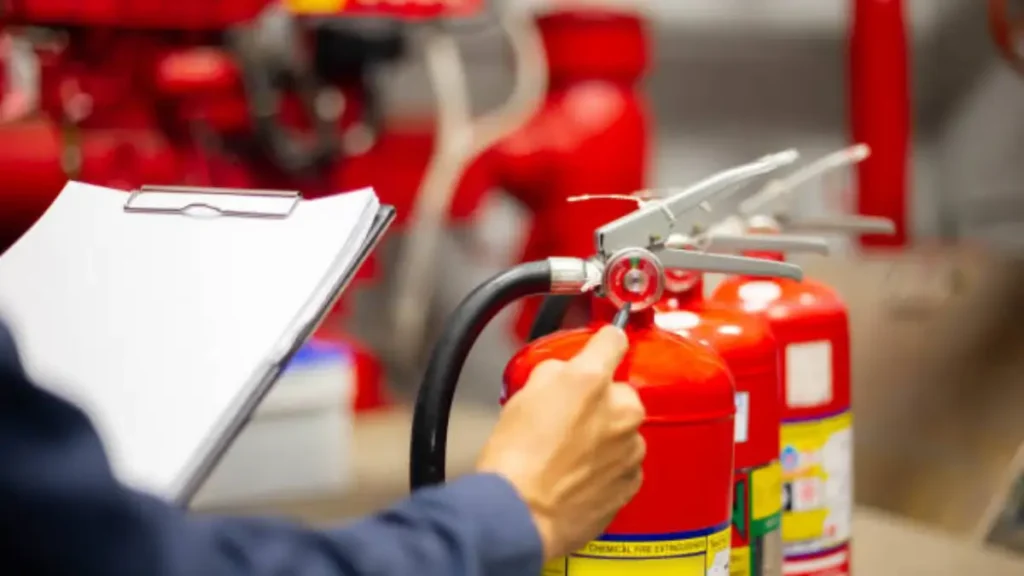
Whenever I read cases like this, I always think about the little things we forget — the smoke alarm we haven’t tested, the space heater sitting a little too close to a blanket, the extension cord we know we should replace.
So let me give you simple, practical reminders you can actually use today:
• Test your smoke alarms. Just press the button. It takes two seconds. You’d be shocked how many people skip this for years.
• Keep space heaters away from anything soft. A three-foot rule is easy: if it can burn, keep it away.
• Don’t overload your outlets. Old wiring + winter heating = a dangerous combo.
• Make a night-time fire plan. I know it sounds dramatic, but I want you to think about how you’d react at 4 a.m. in smoke and darkness. Even a quick conversation with your family helps.
These aren’t “tips” in the cliché sense. They’re small habits that decide outcomes. I want you to walk away from this article with at least one change you’ll make tonight.
What Happens Next in the Investigation
Right now, investigators are working through the same careful steps they always use in fatal fire cases. The final cause won’t be released until the evidence, the autopsy, and the fire patterns all line up.
If you’ve ever handled anything that involved law enforcement or insurance, you already know one thing: speed is never the goal — accuracy is.
The fire scene needs to cool, debris has to be documented, witness accounts have to be compared with physical signs, and the autopsy findings must support the timeline. Only when all these pieces fit together will the sheriff’s office release a final statement.
And if you’re following this case closely, the best thing you can do is stay patient. Updates come slowly because they need to be right.
Another case in Ludlow had a similar investigation timeline, where fire crews also documented every detail before releasing final findings.
How This Fits Into Minnesota’s Bigger Fire Trend
When I looked at recent winter fire data across Minnesota, a pattern stood out: older homes + winter heating + overnight hours = the highest risk window of the year. You see this in news cycles every winter — one fire here, another one there, often in rural counties where response time is stretched.
Northern Minnesota, especially areas around Becker County, sees more of these incidents partly because homes are more spread out and rely on older heating systems. That doesn’t mean every fire is the same, but it does mean these tragedies happen more often than people realize.
I’m not telling you this to alarm you. I’m telling you because awareness is the first step toward prevention. If you live in a rural home, or your parents do, or someone you care about does, this bigger picture matters.
Why Stories Like This Should Change How We Think
Every time I cover a fire case, especially one involving a family like this, it shifts something in me. It reminds me how fragile our routines really are — one spark, one heater left on, one electrical fault, and everything familiar can disappear in minutes.
And I want you to take something real from that. Not fear. Awareness.
Because the truth is, we all get comfortable. We assume the alarm will beep. We assume the wiring is fine. We assume we have more time than we actually do. But fires don’t care about assumptions.
If this story feels heavy to you, that’s good. It means you’re paying attention. And paying attention is how lives are saved.
What I Want You to Walk Away With
If you’ve read this far, I want to thank you — not for “engaging” with an article, but for giving a real moment of respect to a family who lost someone.
My goal wasn’t to just retell what happened. It was to help you see the human side of it, the risks most of us ignore, and the tiny steps that could protect you or someone you love.
So let me leave you with one thought:
What’s the one thing you can do tonight to make your home safer than it was this morning?
Test a smoke alarm? Move a heater? Clear a hallway? Anything counts. The smallest change could be the one that matters when you need it most.
If you want more real-time fire updates and safety insights, you can follow us on X and join our community on Facebook — I share updates there as soon as they come in.
Disclaimer: The information in this article is based on official releases and local reports available at the time of writing. Details may change as investigators share new findings. Readers should refer to law enforcement and fire officials for the most up-to-date updates.