Fire vs Fire How Crews Are Safeguarding Homes in South Georgia
I’ve been watching the Pineland Road Fire in South Georgia closely, and it’s a reminder of how fast wildfires can threaten homes.
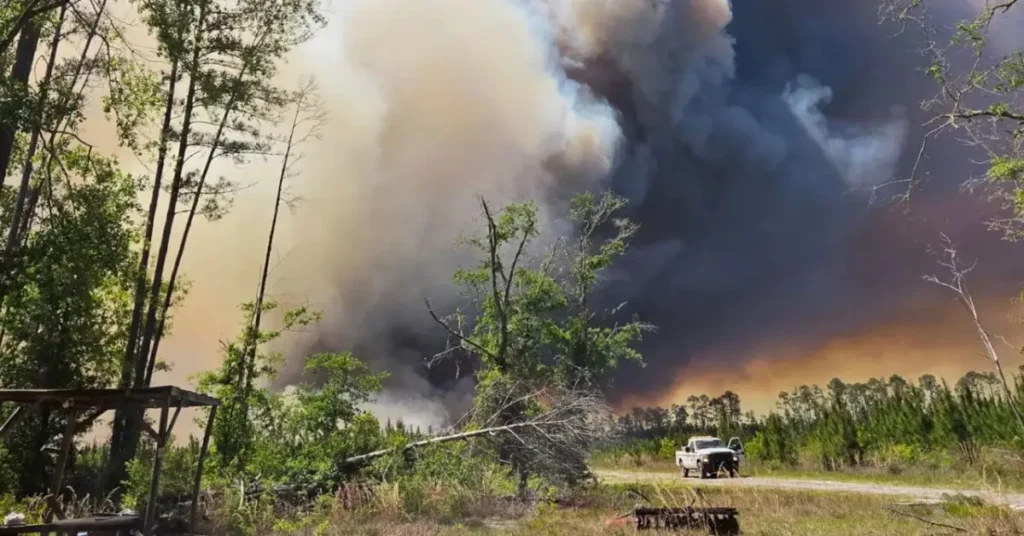
The fire has already burned over 32,000 acres, and nearly 200 residences are at risk.
What looks like spreading flames is often part of a carefully planned strategy called a controlled burn, where firefighters remove dry brush ahead of the main fire to protect communities.
Understanding these tactics can help you see why firefighters do what they do—and what it means for your own safety if wildfire comes near your home.
South Georgia Wildfires and Immediate Threats
I’ve been tracking the situation in South Georgia, and honestly, this wildfire is not something to take lightly.
The Pineland Road Fire has already burned over 32,500 acres, and right now, nearly 200 homes and more than 100 smaller structures are at risk.
If you live anywhere near Echols or Clinch counties, this is the kind of situation where things can change fast.
What stands out to me is that even with active fire behavior and tough conditions, there have been no reported injuries so far.
That tells you how serious and well-coordinated the response has been. Still, evacuations are in place, and if you’re in a similar zone, you need to be ready to act quickly.
You can check real-time updates and on-ground coverage through Atlanta News First.
How the Fire Started and Spread
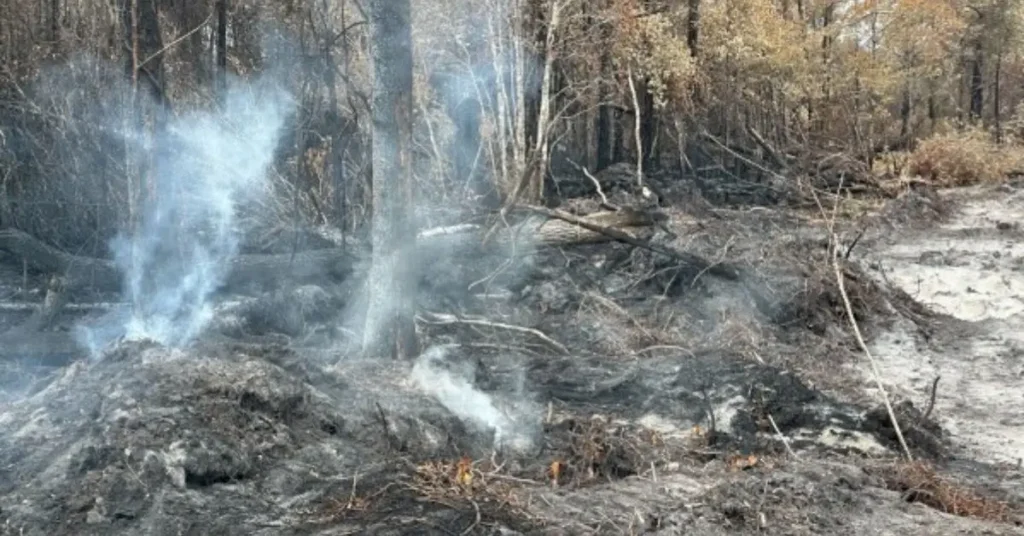
What surprised me here is how something small turned into something massive. This fire reportedly started from a stray spark during a welding operation.
That’s it. One spark, dry vegetation, and the right conditions—and suddenly you have thousands of acres burning.
Now, if you look at the weather, it makes sense why the fire spread so quickly. Winds are steady, humidity is low, and the land itself is full of dry brush and organic material.
In places like bogs, heat can sit underground and reignite later, which makes things even more unpredictable.
If you’re a homeowner, this is where it hits close to home. Fires don’t always start big. They build when conditions allow it.
That’s why understanding risk factors and preparing ahead matters more than most people think.
I’ve seen similar situations escalate quickly, like in this case where a wildfire destroyed multiple homes in Georgia — Brantley County wildfire that destroyed a record number of homes.
Firefighting Tactics: Controlled Burns and Strategic Firing Operations
If you saw videos of firefighters setting fires inside the evacuation zone, you might think things are getting worse. I thought the same at first. But this is actually one of the smartest tactics they use.
Controlled burns, or backburns, are intentional fires. Firefighters burn dry brush and fuel before the main wildfire reaches it.
This creates a buffer zone—basically, nothing left to burn when the main fire arrives. It slows things down and gives crews a better chance to protect homes.
What’s important here is how carefully this is done. Crews only move forward when areas are completely safe, often described as “cold to the touch.”
They also use these tactics in places where heavy equipment can’t go, like dense forests or swampy areas.
At the same time, they’re building containment lines along key roads like Highway 94 and U.S. 441 to stop the fire from spreading further.
If you want to understand how these efforts connect to your own safety, I’d strongly suggest going through the preparedness tips from Georgia Emergency Management Agency.
It’s not just about what firefighters do—it’s about what you do before the fire gets close.
Resources and Coordination
When you look at a wildfire like this, it’s easy to focus only on the flames. But what really matters is the scale of response behind the scenes.
Right now, more than 200 personnel and dozens of resources are working on this fire – engines, heavy equipment, and coordination teams all moving together.
What I find important here is how many different agencies are involved. It’s not just one team. State, federal, and local crews are all working together, which is exactly what it takes to protect homes at this level.
There are even flight restrictions in place so that firefighting aircraft can operate without interference.
For you, this means one thing—when officials ask you to follow rules or stay out of certain areas, it’s not optional. It’s part of a much bigger system designed to keep both firefighters and residents safe.
Homeowner and Community Safety Measures

This is where things shift from what firefighters are doing to what you should be doing. Because at the end of the day, your safety also depends on how prepared you are.
If you’re in or near an evacuation zone, you need a plan ready. Roads like Pineland Road and Gopher Lope Road are already closed in affected areas, and situations like this can escalate quickly.
Keep your vehicle fueled, have water and basic supplies ready, and know exactly where you’ll go if you need to leave fast.
Because in real situations, things can go wrong very quickly — just like this Westfield home left uninhabitable after an early morning fire.
What really stood out to me is how some residents stepped in to help—bringing water and supporting efforts however they could.
That kind of community response matters. But at the same time, you need to balance helping with staying safe.
In situations like this, having quick updates and simple safety reminders in one place can really help when things start changing fast.
For the long term, this is where most people fall short. You should be thinking about defensible space—clearing dry vegetation around your home, using fire-resistant materials where possible, and reducing anything that could act as fuel.
If you want a clear breakdown of how to prepare your home, I recommend going through the guidance from the National Fire Protection Association. It’s practical and easy to follow.
Environmental and Weather Considerations
If you’re wondering why this fire is so hard to control, the answer is simple—weather and terrain.
Right now, conditions are working against firefighters. Low humidity, steady winds, and dry vegetation create the perfect setup for fire to spread.
And it’s not just what you see on the surface. In areas like bogs, heat can stay trapped underground and flare up again days or even weeks later.
What really caught my attention is that firefighters are actually hoping for a major weather shift—something like heavy rainfall over a short period—to truly slow things down. Until that happens, the fire can keep pushing.
You also need to think about smoke. Cities like Valdosta, Homerville, and Fargo are already seeing impacts. Even if the fire isn’t near your home, air quality can still affect your health.
Risks, Misconceptions, and Controlled Burn Myths
Let me clear something up, because this confuses a lot of people. When you see firefighters setting fires, it can feel like things are getting worse. But controlled burns are not the same as wildfires.
These are planned, calculated actions. The goal is to remove fuel before the main fire gets there. It’s one of the most effective ways to protect homes, even if it looks risky from the outside.
Now, there is a trade-off. Controlled burns do create smoke, and yes, that can be uncomfortable. But the alternative is far worse—an uncontrolled wildfire with no barriers.
And sometimes, it’s not just property loss — incidents like this Tucumcari house fire that resulted in the death of seven dogs show how devastating fires can be on a personal level.
There’s also a bigger picture here. Controlled burns don’t just protect homes in the short term. They help maintain healthier forests and reduce the chances of even larger fires in the future.
Lessons Learned and Preparedness Strategies
If there’s one thing I take away from this wildfire, it’s how quickly things can shift from normal to dangerous. Fires like this don’t give you much time to react, which is why planning ahead matters more than anything.
You should already have a basic evacuation plan in place. Know your routes, keep emergency supplies ready, and make sure your insurance coverage actually protects you in a worst-case scenario.
These are things most people ignore until it’s too late.
Another important point is patience after the fire. Even when flames are gone, that doesn’t mean it’s safe to return.
Fires like this can hide heat underground, especially in areas like bogs, and reignite later. Crews usually wait until areas are completely safe, and you should do the same instead of rushing back.
What I also noticed is how much community effort matters. From volunteers helping with water to coordinated firefighting teams, this kind of response only works when people stay aware and involved.
If you ever get the chance to support local preparedness efforts or volunteer programs, it’s worth considering.
Final Thoughts
At the end of the day, wildfires are not just about nature—they’re about how prepared you are when things go wrong. Firefighters can do a lot, but your safety also depends on the steps you take before a fire ever reaches your area.
I’d really like to know your thoughts on this. Do you think most homeowners are actually prepared for something like this, or are we all just hoping it never happens to us? Drop your opinion in the comments and let’s talk about it.
If you want more practical, no-nonsense insights on home safety and preparedness, you can check out my website Build Like New. I focus on real strategies that actually help you protect what matters.
If you want regular updates like this and simple home safety insights, you can also follow along here: Build Like New on X and Build Like New on Facebook
I share quick, practical updates there that can actually make a difference.
Disclaimer: This content is for informational purposes only and based on currently available reports and wildfire response updates.
Conditions during wildfires can change rapidly, so always follow official guidance from local authorities and emergency services for real-time safety instructions.