Westfield Property Damaged in Early Morning Fire, Home Uninhabitable
I always feel early morning house fires hit differently because most people are asleep, streets are quiet, and every minute matters.
That was the case in Westfield, New Jersey, where firefighters were called to a home on Kirkview Circle around 3 a.m. on Tuesday, April 28.
Crews arrived within minutes and found heavy smoke and fire coming from the first floor of a 2 ½ story single-family home.
The good news is that no one was hurt. Firefighters made an aggressive interior attack and searched the home to make sure everyone had safely evacuated.
But the damage was serious enough that the Westfield Construction Official later declared the house uninhabitable.
For anyone living in the area, this Westfield home fire is more than just a local emergency report.
It is a reminder of how fast a normal night can turn dangerous, and why working smoke alarms, quick evacuation, and a fast fire response can make all the difference.
Rapid Firefighter Response Prevents Injuries

When I go through incidents like this, one thing becomes obvious very quickly — speed is everything. In this case, firefighters reached the home within minutes after the 3 a.m. call and didn’t hesitate to act.
They entered the house right away and started an aggressive interior attack while also searching every room to make sure no one was left inside. That kind of response is exactly why situations like this don’t turn into tragedies.
According to the official report shared by TAPinto Westfield, crews focused on both controlling the fire and confirming that all occupants had safely evacuated.
The best part here is that no injuries were reported. Everyone made it out safely, which, if you think about it, is the biggest win in any house fire.
Fires that break out in the middle of the night are usually far more dangerous. People are asleep, reactions are slower, and smoke spreads fast.
Guidance from Ready.gov explains that smoke and toxic gases can fill a home within minutes, often becoming more dangerous than the flames themselves.
Fire Escalates to Two Alarms — What It Means
As the situation developed, the fire was upgraded to a two alarm response. That tells me it wasn’t something small or easily contained in the early stage.
A second alarm means more firefighters, more equipment, and additional departments stepping in.
In this case, mutual aid teams from Union County were called to support the operation, which is standard when a fire shows heavy smoke and active flames early on.
What most people don’t realize is that while all of this was happening, backup crews were also positioned elsewhere to make sure the rest of the town stayed covered in case another emergency came in.
Fire Brought Under Control After One Hour
From the initial call around 3 a.m. to bringing the fire under control at about 4:05 a.m., it took roughly an hour of intense firefighting. That timeline alone tells you how serious the situation was.
Even after the flames were knocked down, firefighters stayed on scene into the morning hours. They had to check for hidden hot spots, secure the structure, and make sure nothing reignited.
Fires don’t really end when the flames disappear — there’s always more happening behind the scenes.
In many cases, the situation gets worse before it gets better, like in this Pico Union home fire that sent three people to the hospital where the fire spread rapidly and caused serious harm.
Why the Home Was Declared Uninhabitable
After everything was under control, officials inspected the property and declared it uninhabitable. And honestly, this is where most people misunderstand what fire damage actually means.
It’s not just about what burned. Heat can weaken the structure, smoke leaves behind harmful residue inside walls and air systems, and the water used to extinguish the fire can damage wiring, floors, and foundations.
So even if a house still looks partially intact from the outside, inside it can be unsafe to live in.
I’ve seen cases where damage wasn’t obvious at first, like this Detroit car slamming into a house and triggering a fire where the home quickly became unsafe despite parts of it still standing.
Multi Agency Emergency Response Explained
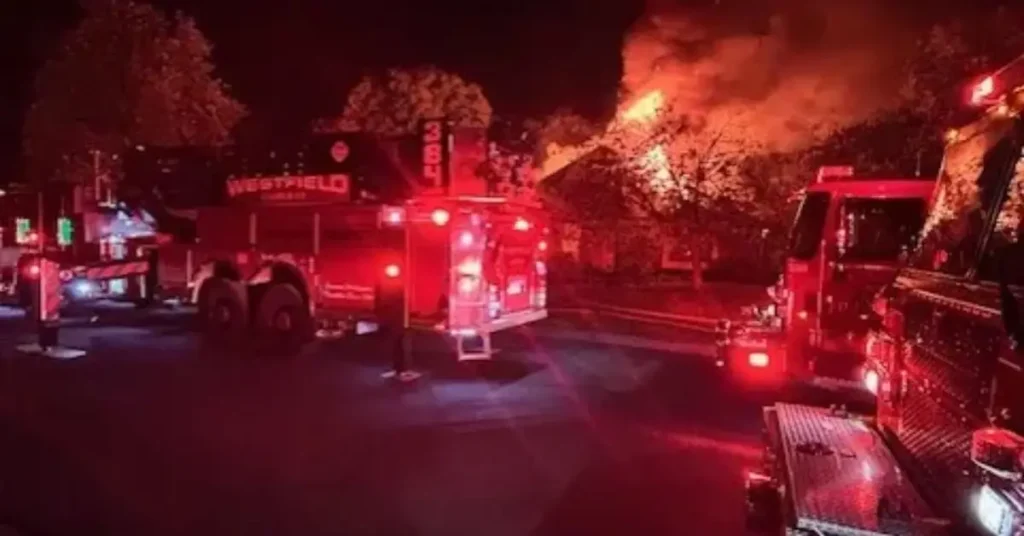
This wasn’t just a fire department effort. Multiple agencies worked together to manage the situation from every angle.
Police handled road closures, traffic control, and scene security. Emergency medical teams were on standby, and rescue units supported operations throughout.
There’s another layer people rarely think about. Firefighters themselves need care during long incidents like this.
EMS teams provided rehabilitation support, helping them recover from heat, exhaustion, and smoke exposure so they could continue working safely.
When you step back and look at everything, this wasn’t just about putting out a fire. It was about quick decisions, coordination, and the kind of response that prevented a much worse outcome.
Now let me ask you — if something like this happened at 3 a.m. in your home, would you be ready to get out in time?
Investigation Underway — What Could Have Caused the Fire
Right now, the exact cause of this fire is still under investigation. And honestly, that’s pretty normal in cases like this. Fire scenes need careful examination before officials can confirm anything.
Multiple agencies are involved in figuring out what really happened. The Fire Prevention Bureau, local police, and the county fire investigation task force are all working together.
Each of them looks at different aspects — from possible ignition points to structural evidence.
Even when the cause isn’t confirmed yet, I think it helps to understand what typically leads to early morning house fires. In many cases, it comes down to electrical issues, heating equipment left running overnight, or simple human error.
Sometimes, the cause is completely unexpected, like in this Oldham County home destroyed by a lightning sparked fire which shows how unpredictable these incidents can be.
According to National Fire Protection Association, cooking equipment, heating systems, and electrical malfunctions remain some of the leading causes of residential fires across the country.
Why Early Morning Fires Are Especially Dangerous
If you really think about it, a fire at 3 a.m. is one of the worst situations you can be in. You’re asleep, your guard is down, and you don’t have those extra seconds to react.
That delay can be critical. By the time someone notices smoke or wakes up, conditions inside the house may already be dangerous. Smoke inhalation becomes a major risk even before flames spread.
At night, fires also behave differently. Doors are closed, airflow is limited, and visibility is almost zero. That makes it harder to detect the fire early and easier for it to spread unnoticed.
This is why so many fire safety experts stress nighttime preparedness more than anything else.
Fire Safety Reminder From Officials
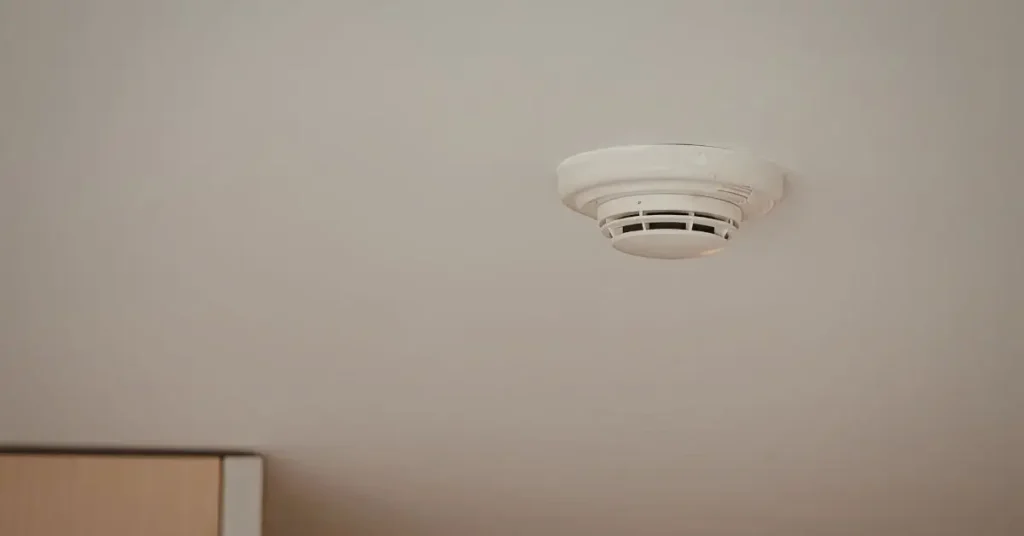
If there’s one clear takeaway from this incident, it’s the importance of working smoke alarms. It sounds basic, but it’s one of the most effective ways to save lives.
You should be testing your smoke alarms every month and replacing them if they’re more than 10 years old. That small step can give you the early warning you need to get out safely.
I keep noticing how small safety habits like this come up again and again in real incidents, and it really changes how you look at everyday risks.
A lot of people ignore this until something like this happens nearby. But fires don’t give you a second chance.
So take a moment and think about your own home — when was the last time you checked your smoke alarms?
Real Impact on Residents After House Fires
When something like this happens, the story doesn’t end once the fire is out. That’s where the real struggle begins for the people living in that home.
Losing access to your house overnight is not just inconvenient, it’s life changing. You’re suddenly dealing with temporary shelter, basic needs, and figuring out where to go next.
Even simple things like clothes, documents, and daily essentials become a challenge.
Then comes the financial and emotional side. Insurance claims take time, repairs can stretch for months, and in some cases, families never return to the same home.
On top of that, there’s the mental stress of losing a place you felt safe in.
I’ve seen this pattern again and again. Fires don’t just damage buildings, they disrupt lives in ways people don’t expect until it happens to them.
Key Takeaways From the Westfield Home Fire
If you step back and look at the bigger picture, a few things stand out clearly.
No one was injured, which is the best possible outcome in a situation like this. At the same time, the property damage was serious enough to make the home unlivable.
The fast and coordinated response from firefighters played a huge role in preventing things from getting worse.
And once again, it reinforces something simple but critical — safety systems like smoke alarms can make the difference between life and death.
If you found this breakdown useful, I’d like to hear your thoughts. What’s one fire safety step you’ve actually taken in your home, and what’s something you’ve been putting off?
Also, if you’re interested in more real world home insights, safety tips, and practical guidance, you can explore more on Build Like New where I share detailed content around making homes safer and smarter.
I also share real incidents and practical home safety insights regularly — you can follow along on X and Facebook if you want to stay updated with similar stories and lessons.
Disclaimer: This article is based on official statements and publicly available information at the time of reporting. Details related to the cause of the fire are still under investigation, and updates may change as authorities release new findings.