Georgia And Florida Wildfires Destroy 120 Homes And Claim Firefighter Life
I don’t usually think of wildfires as a home security issue, but the Florida and Georgia wildfires are a hard reminder that safety does not stop at locks, cameras, and alarms.
A volunteer firefighter in Florida has died while battling a brush fire, and more than 120 homes have been destroyed in southeast Georgia. Officials say one Georgia blaze may have started when an aluminum party balloon touched live power lines.
That detail matters. It shows how one small moment can turn into a disaster for entire neighborhoods.
For homeowners, this is not just breaking news. It is a warning about drought, dry brush, wind, emergency planning, and how fast a normal day can become an evacuation order.
What Sparked The Georgia Wildfires And Why It Matters
CBS News
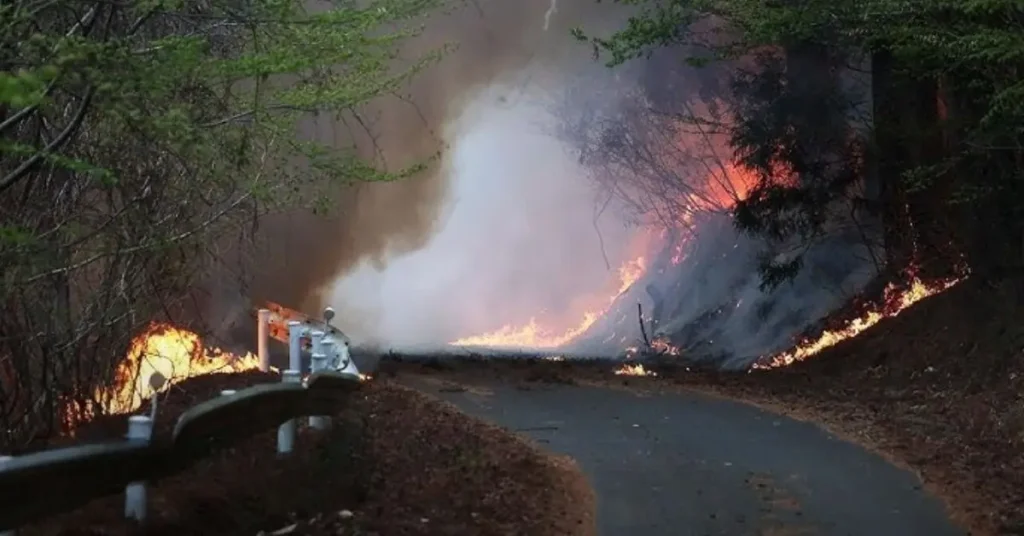
One detail from this incident stands out. Officials believe the fire in Georgia may have started when an aluminum party balloon touched live power lines and created a spark.
It sounds simple, almost random. But in dry conditions, that is enough. Once the ground or nearby vegetation catches fire, things move fast.
If you look at data from National Interagency Fire Center, a large number of wildfires actually start from small human-related causes. Not big accidents. Just small moments that go wrong.
That is what makes this situation important. It shows how easily a fire can begin.
We have seen similar risk patterns before, like in this case where explosives were safely removed after a house fire risk, showing how hidden triggers can quickly turn into serious threats.
I think most people underestimate this part. We assume disasters come from major events. But often, it is something small that triggers everything.
A spark near dry grass, a neglected yard, or even a minor outdoor activity can lead to serious damage if conditions are right. And once wind gets involved, control becomes difficult.
For you as a homeowner, this is the real takeaway. It is not just about what caused this fire. It is about what it means.
If something as simple as a balloon can lead to a wildfire, then the focus has to shift to awareness and prevention. You cannot control everything, but you can reduce obvious risks around your home.
So it is worth asking yourself
Are there small things around your property that you have been ignoring
Because that is usually where these situations begin
Why Wildfires Are Spreading Faster In The Southeast
One clear factor here is dry conditions. When there has been little rain, vegetation becomes dry and easy to ignite. That creates the perfect environment for fires to spread quickly.
Wind makes it worse. Even a controlled fire can become dangerous if strong winds push flames into new areas. That is exactly what happened in parts of Georgia, where containment became difficult.
There is also a longer-term factor. Many areas still have fallen trees and debris left behind from past storms. Over time, that material dries out and becomes fuel.
When you combine dry weather, wind, and leftover debris, fires do not just start easily. They spread faster and become harder to control.
This is why incidents like this are becoming more common. And it is also why basic awareness matters more now than it did before.
How These Wildfires Destroyed Entire Communities
What happened in Georgia was not just about fire spreading. It was about entire communities getting overwhelmed before they had time to react.
In Brantley County alone, dozens of homes were lost in what officials are calling one of the worst wildfire destruction events in the state’s history.
Fires moved fast, and once they reached residential areas, there was very little time left to protect structures.
Another large fire in Clinch and Echols counties burned across tens of square miles, crossing open land and moving toward homes near the Florida border. The scale of that fire alone shows how quickly things can get out of control when conditions are right.
If I look at this practically, the biggest reason some areas could not be saved comes down to timing and conditions.
Fires were already too large, winds were pushing flames forward, and resources had to focus on saving what was still possible rather than what was already lost.
A similar pattern has been seen in other cases too, like this deadly home fire that sparked an investigation, where situations escalated faster than expected.
For you, this is important to understand. Once a wildfire reaches a certain scale, prevention matters more than reaction. At that point, even strong response efforts have limits.
Inside The Firefighting Efforts And Ground Reality
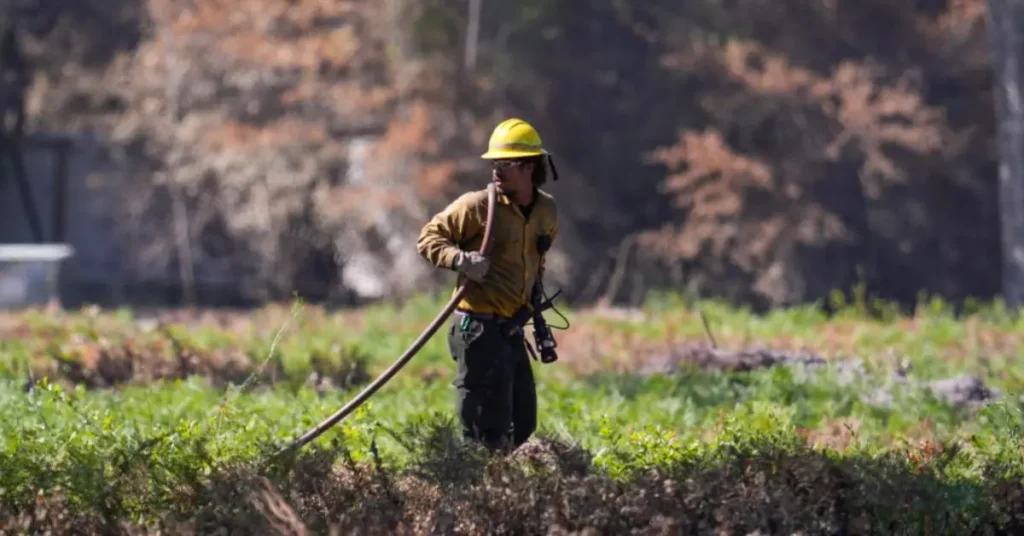
From the outside, it is easy to assume firefighters can stop any fire. But when you look at what actually happens on the ground, the situation is very different.
Fire crews in Georgia and Florida have been working across multiple locations at the same time, dealing with more than a hundred active fires.
Their main strategy has not been to “stop” the fire instantly. Instead, they focus on controlling its spread. That includes clearing firebreaks using heavy equipment, removing dry vegetation, and keeping nearby homes wet with hoses and sprinklers.
Even with all this, the challenge is huge. Fires are spreading faster than containment lines can be built, and weather conditions are not helping.
Officials have already said that without heavy rainfall, these fires cannot be fully extinguished anytime soon.
What stands out to me is this
Firefighting is often about managing damage, not eliminating risk completely
And that is something most homeowners do not think about.
Situations like this also show how quickly things change on the ground. Many people now prefer getting short, real-time updates during ongoing incidents instead of waiting for full reports, especially when conditions are still evolving.
What Homeowners Can Learn From This Wildfire Disaster
If you take one thing from this situation, it should be this
Wildfires are not rare events anymore, and they do not always give you time to prepare
One clear pattern in incidents like this is that small risks are often ignored. Dry leaves, unmanaged yards, or lack of preparation may not seem serious until conditions change.
Early prevention makes the biggest difference. Once a fire is close, your options become limited. That is why experts consistently emphasize preparation over reaction.
You can see this pattern clearly even in detailed reporting from PBS NewsHour, where conditions and response challenges are highlighted rather than quick solutions.
For you, the real lesson is simple
Do not wait for a warning or evacuation order to think about safety
Look around your home today. Identify what could become a risk in dry and windy conditions.
Because in situations like this, the difference between safety and loss often comes down to what was done before the fire even started.
Simple Ways To Protect Your Home From Wildfires
If I had to simplify it, wildfire protection is not about one big step. It is about small things you do early, before anything happens.
The first thing I always look at is the space around a home. Dry grass, leaves, and debris act like fuel. Creating a clear buffer zone around your house, often called defensible space, can slow or even stop fire from reaching your structure.
Keeping your property slightly moist during high-risk periods also helps. Even simple steps like watering the yard or maintaining plants can reduce how easily fire spreads.
Another thing you should not ignore is preparation. You need a basic plan. Know where you will go, what you will take, and how quickly you can leave. Because once a fire gets close, you do not get much time to think.
From what I have seen, homes that survive are not always lucky. They are usually better prepared.
Even modern home setups can become risks if ignored, as seen in this case where solar panels caught fire on a home roof, highlighting how small oversights can lead to bigger problems.
Will Rain Be Enough To Stop These Wildfires
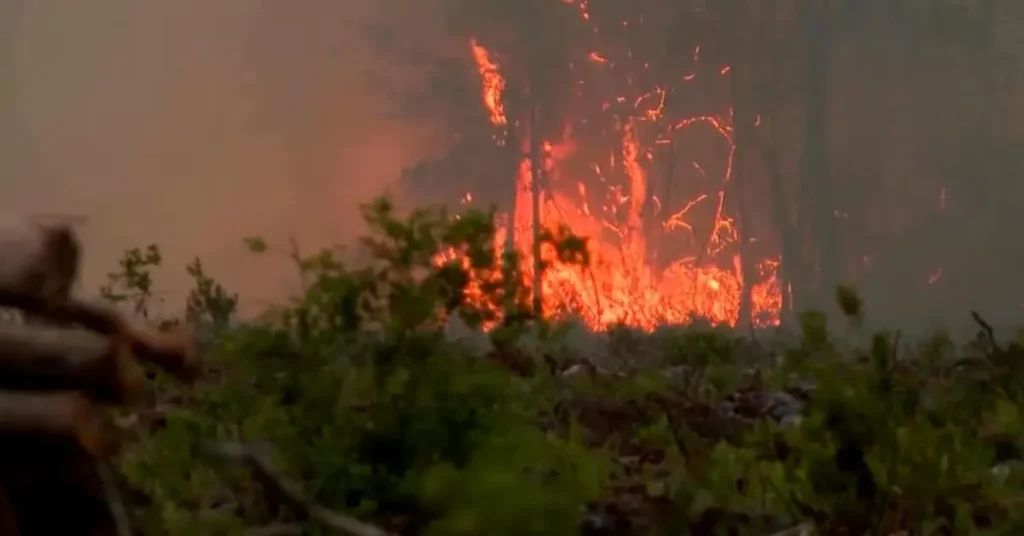
A lot of people think rain will solve everything. But that is not always true.
Right now, weather forecasts suggest there may be some rain in affected areas. But as reported in AP News coverage of the Georgia and Florida wildfires, light showers will not be enough to stop large fires completely.
Rain can slow the spread, which helps firefighters. But it does not fully extinguish fires that have already burned through large areas.
There is also another risk people often miss. Storms bring lightning. And lightning can start new fires, especially in dry regions.
So even when rain is expected, the situation does not suddenly become safe.
What This Wildfire Crisis Means For The Future
If I look at the bigger picture, this is not just a one-time event. It is part of a pattern.
Wildfires are now happening in places where people did not expect them before. Drought, wind, and leftover debris are making conditions worse across regions like Georgia and Florida.
For you as a homeowner, this changes how you think about risk. It is no longer limited to traditional wildfire zones.
There is also a long-term impact. When homes are destroyed, communities take years to recover. Insurance becomes harder, rebuilding gets expensive, and people are forced to rethink where and how they live.
That is why preparedness matters more now than ever.
If you take this seriously today, you give yourself a better chance tomorrow.
Key Takeaways For Homeowners And Residents
If you step back and look at everything, a few things become very clear.
Wildfires do not always start from major events. Sometimes it is a small, unexpected trigger that turns into something much bigger.
Conditions like drought and wind matter more than most people realize. When the environment is already dry, even a minor spark can spread fast.
Firefighters can do a lot, but they cannot control everything. Once a fire reaches a certain scale, the focus shifts from stopping it to managing the damage.
And most importantly, preparation always matters more than reaction. The steps you take before anything happens can make the biggest difference.
For you, this is not just about staying informed. It is about taking a closer look at your own home and surroundings.
If you found this useful, share your thoughts below. Do you think homeowners are really prepared for situations like this, or are most people still ignoring the risk.
Also, if you want more practical, real-world insights on home safety, security, and smart home decisions, you can explore more guides on Build Like New.
If you found this useful and want more real-world updates like this, you can also follow along on X and join the discussion on our Facebook community I usually share quick insights there that do not always make it into detailed articles.
Disclaimer: This content is for informational purposes only and is based on publicly available reports and general safety practices. It is not professional advice. For official updates, emergency instructions, or safety guidelines, always follow your local authorities and verified agencies.