Spokane Valley Fire At Empty Home Leads To Major Damage No One Injured
Friday morning fires don’t usually make headlines unless something goes wrong. This one in Spokane Valley didn’t take lives but it could have.
A vacant house near East Valleyway Avenue and South Sommer Road caught fire, sending heavy smoke and flames through the structure before crews stepped in and stopped it fast.
When I looked into what actually happened, one thing stood out. The fire was controlled in about 15 minutes. That’s quick. Really quick.
And it likely made the difference between a damaged property and a much bigger disaster spreading into nearby homes.
You’re probably wondering the same things I did. How does a vacant house even catch fire? And why do these kinds of properties seem to go up in flames more often than occupied homes?
There’s more to this story than just a routine fire response. And if you live in a neighborhood with empty or under-renovation homes, this hits closer to home than you might think.
Let’s break down exactly what happened and what it means for you.
Timeline of Events From Emergency Call to Fire Control
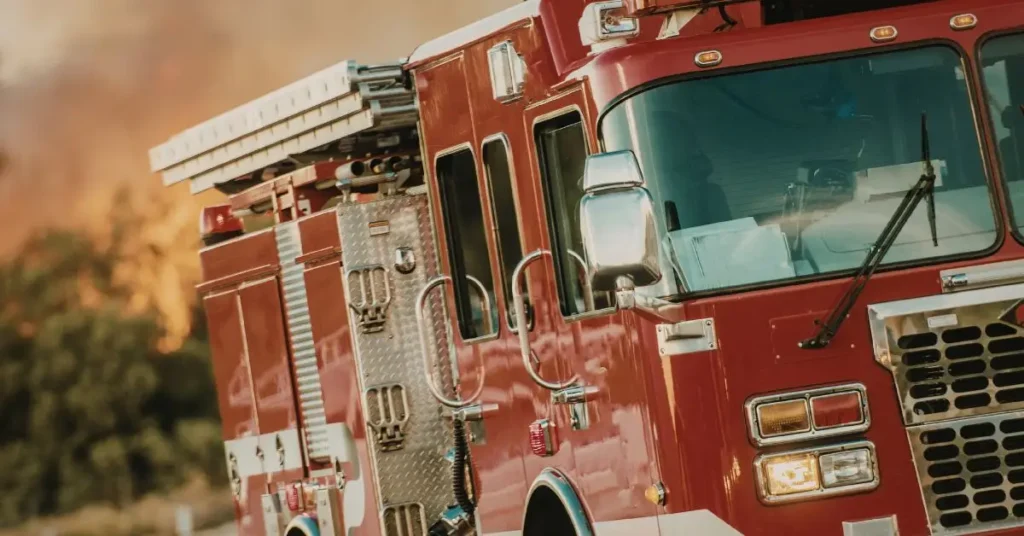
When I look at this incident, the first thing that stands out is how quickly everything moved. Fire crews were dispatched right after a structure fire was reported near East Valleyway Avenue and South Sommer Road.
In situations like this, response time isn’t just a detail, it’s the difference between control and chaos.
By the time firefighters reached the house, the fire had already developed. There was visible smoke and flames coming out, which usually means the fire had been burning for some time before it was noticed.
You can’t always see how deep a fire has spread just by looking from outside.
What really made an impact here was how fast crews got it under control. Within about 15 minutes, the fire was contained. That kind of response matters more than people realize.
Research from the NFPA fire response challenges report highlights how quickly fires can become harder to manage depending on conditions and access, so early control plays a major role in limiting damage.
What Firefighters Saw at the Scene
When firefighters arrived, flames were already coming from the eaves and windows. That’s usually a sign the fire isn’t just sitting in one room.
It has likely moved into areas like the roof or inside the structure where it becomes harder to reach.
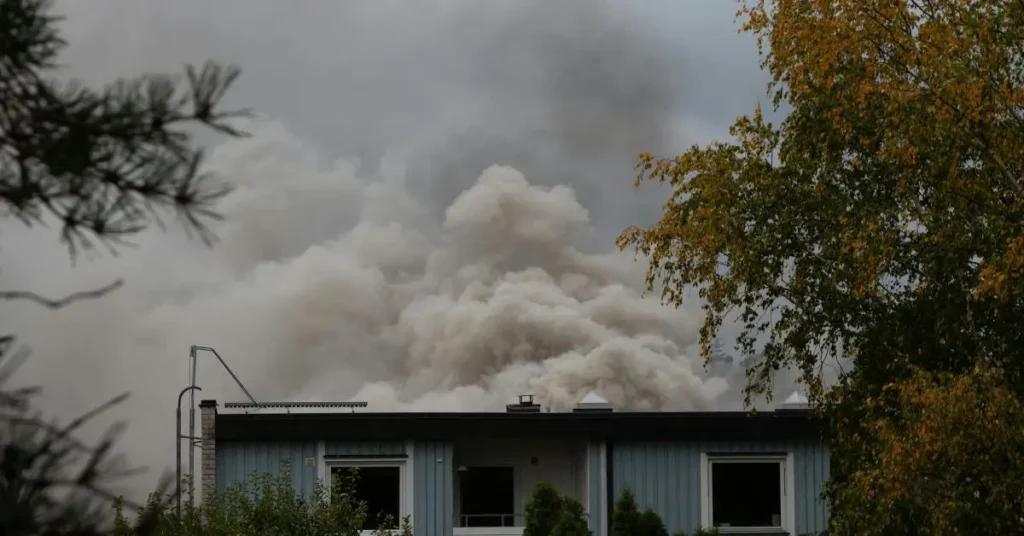
The smoke conditions also tell a story. Thick smoke often means the fire is active inside, even if you don’t see flames everywhere. It reduces visibility and makes it harder for crews to judge how the fire is behaving.
Even though the house was vacant, I don’t see this as a low risk situation. Fires like this can still spread, especially if nearby structures are close.
That’s why firefighters treat every call seriously, whether someone is inside or not.
Property Condition and Extent of Damage
When I look at this case, the phrase “heavy damage” isn’t just a line.
It usually means the structure took a serious hit, especially since flames were already coming out of key areas like the roof and windows. Once fire reaches those points, the internal structure is often already compromised.
The fact that the house was under renovation makes things more complicated. You and I both know renovation sites aren’t fully sealed or protected.
Materials might be exposed, wiring may not be final, and parts of the structure could already be open. All of that makes it easier for fire to spread faster than usual.
Then comes the financial side, which most news reports don’t really talk about. Damage like this often means starting over, not just fixing.
Even if no one was living there, the cost of rebuilding, delays in renovation, and possible insurance issues can add up quickly.
I’ve seen similar damage scenarios before, like when solar panels caught fire on a home roof in Warrington, where fire spread faster due to ongoing structural work.
Why This Vacant Spokane Valley Home Was Vulnerable to Fire
If I break this down simply, vacant homes are always at higher risk. And when you add renovation into the mix, that risk goes up even more.
There’s less supervision, fewer safety checks, and sometimes temporary setups that aren’t meant to handle long-term use.
Homes under renovation often have exposed wiring, tools, or materials lying around. Even something small can trigger a fire if conditions are right.
In many cases, it’s not one big mistake but a combination of small risks building up.
Another thing you should think about is monitoring. Vacant homes usually don’t have active smoke alarms, security systems, or anyone checking in regularly. That means a fire can grow unnoticed for longer before someone reports it.
According to details reported by KHQ, this property was unoccupied and under renovation, which already puts it in that higher risk category.
Fire Department Response and Coordination
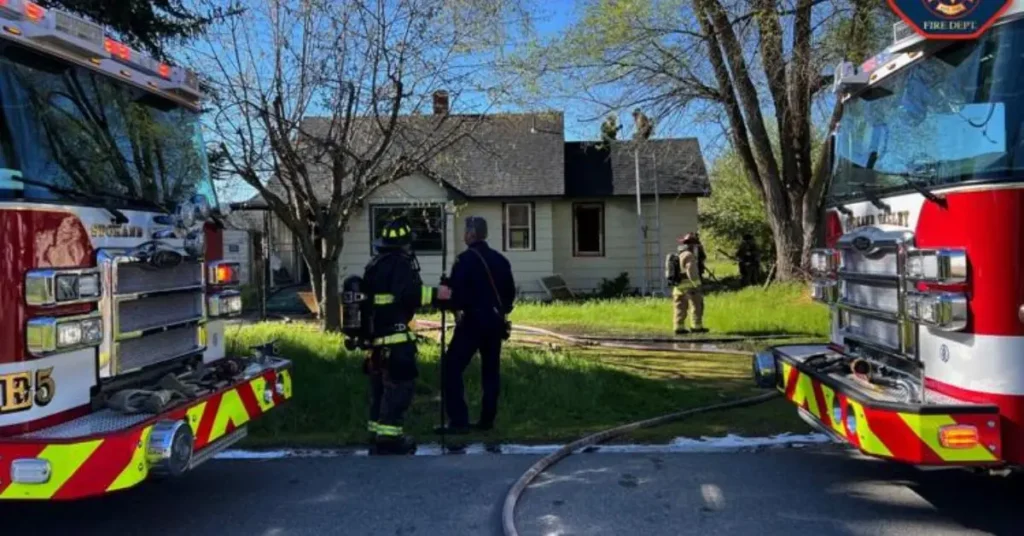
What stood out to me here is how quickly the response was handled. Multiple units were sent to the scene, which is standard for structure fires, especially when the situation isn’t fully clear at the start.
The way crews contained the fire in about 15 minutes tells you the response was well coordinated. That doesn’t happen without clear communication and experience on the ground.
Quick containment is often the difference between one damaged house and multiple homes being affected.
You also see how seriously these situations are taken from the public advisory. Residents were asked to avoid the area, which helps keep emergency routes clear and reduces risk for everyone involved.
Even if you’re not directly affected, these instructions matter more than people usually realize.
Situations like this can change quickly, and many people prefer staying updated through quick alert-based updates instead of waiting for full reports.
Authorities Ask Residents to Avoid the Area
When officials ask you to stay away from a fire scene, it’s not just a formality. I’ve seen how quickly traffic builds up around incidents like this, and even a small delay can slow down emergency response.
Fire trucks and crews need clear access at all times. If roads get blocked or crowded, it affects how quickly they can move equipment or adjust positions if the situation changes. That’s why these advisories matter more than most people think.
There’s also the local impact. Even if the fire is under control, smoke and emergency activity can affect nearby homes. Keeping distance helps reduce unnecessary risk for everyone in the area.
Investigation Underway Into Cause of Spokane Valley House Fire
At this point, the cause of the fire hasn’t been confirmed yet. And honestly, that’s normal. Fire investigations are rarely immediate because they require careful inspection of the scene.
Investigators look at things like burn patterns, possible ignition points, and any materials present inside the structure.
In a vacant home, especially one under renovation, there can be multiple factors involved, which makes the process more detailed.
In fact, there have been cases where hidden risks were only discovered later, like when explosives were safely removed after a Baker County house fire, showing how unpredictable investigations can be.
Are Vacant House Fires Increasing in Spokane Valley
Whenever I see incidents like this, I try to look at the bigger picture. One fire might seem isolated, but patterns tell a different story. Vacant and under-renovation homes tend to show up more often in fire-related reports.
The reasons are pretty straightforward. These properties usually don’t have regular monitoring, and safety systems may not be fully active. That creates gaps where problems can go unnoticed for longer than they should.
There’s also a growing concern among fire professionals about these types of properties.
Data from organizations like the National Fire Protection Association shows that vacant structures carry higher fire risks due to lack of occupancy and oversight.
If you live near one, it’s worth staying aware. These situations don’t always start big, but they can escalate quickly if no one is watching.
What This Fire Teaches About Home Safety
When I look at incidents like this, I don’t just see a one-time event. I see a reminder of how small gaps in safety can turn into something serious.
And if you think about it, this wasn’t even an occupied home, yet the damage was still significant.
If you own a vacant or under-renovation property, the first thing I’d say is don’t leave it unchecked. Even basic steps like securing entry points, checking electrical setups, and visiting the property regularly can reduce risk more than you expect.
For homeowners in general, fire prevention isn’t complicated, but it does need consistency.
Working smoke alarms, safe wiring, and being mindful of potential hazards go a long way. Most fires don’t start from extreme situations, they start from small oversights.
And in some cases, those small oversights turn serious, as seen in a deadly home fire that sparked an investigation in Southern Travis County, where the outcome was far worse.
And one thing people often ignore is reporting suspicious activity. If something feels off around a vacant property nearby, it’s better to report it early. Acting sooner can prevent bigger problems later.
Final Thoughts
When you step back, this Spokane Valley fire could have gone very differently. Quick response helped limit the damage, but the situation itself highlights a bigger issue around vacant and renovation properties.
Now I want to hear from you.
Have you noticed similar vacant homes in your area that seem risky? Or do you think homeowners are doing enough to secure such properties?
If you’re interested in more practical insights like this, you can explore Build Like New where I break down real-world situations into simple, useful takeaways you can actually apply.
You can also stay connected for real-time updates and similar stories on X or join the discussion on our Facebook page.
Disclaimer: The information shared here is based on available reports and general safety insights. Details about the fire may change as the official investigation progresses. This content is for informational purposes only and should not be taken as professional or legal advice.