Fort Worth Fire Incident Damages Homes and Destroys Five Vehicles, Residents Escape Safely
A quiet early morning in Fort Worth quickly turned chaotic when a fire broke out at a home on 8th Avenue around 4 a.m. By the time crews from the Fort Worth Fire Department arrived, the house and several cars in the driveway were already burning.
The flames soon spread to a neighboring property, destroying five vehicles and damaging another home. Fortunately, six adults, a child, and a pet managed to get out safely before firefighters reached the scene. Relief teams from the American Red Cross are now assisting the family affected by the fire.
Incidents like this show how quickly a small fire can escalate in a residential neighborhood.
Flames Spread to Neighboring Property
What started as a fire at one house didn’t stay contained for long. The flames quickly spread beyond the original property and reached the neighboring home, creating a much bigger risk for the entire street.
As the fire intensified, two more vehicles were destroyed. In total, five cars ended up damaged or burned during the incident. Situations like this show how fast residential fires can grow—especially when vehicles and structures are close together. If you’ve ever parked cars near your home, you probably understand how quickly that space can turn into a danger zone during a fire.
Firefighters from the Fort Worth Fire Department worked quickly to stop the flames from spreading further, preventing even greater damage to nearby homes.
Seven People and a Pet Safely Evacuate
In the middle of all this chaos, one thing stands out as a huge relief—everyone inside the home managed to get out safely before firefighters arrived.
Six adults, one child, and even a family pet were already outside when emergency crews reached the scene. That quick escape likely made all the difference. According to safety guidance from the U.S. Fire Administration, most home fires spread in minutes, which is why having a quick escape plan can be critical.
Quick evacuations can save lives, as shown in Santa Barbara where a home fire was contained quickly with only minor injuries reported, emphasizing the importance of having a pre-planned escape route.
No injuries were reported, which is honestly the best outcome anyone could hope for in a situation like this. When fires happen in the early morning hours, people are often asleep—so getting out quickly is not always easy.
Porch Believed to Be the Origin Point
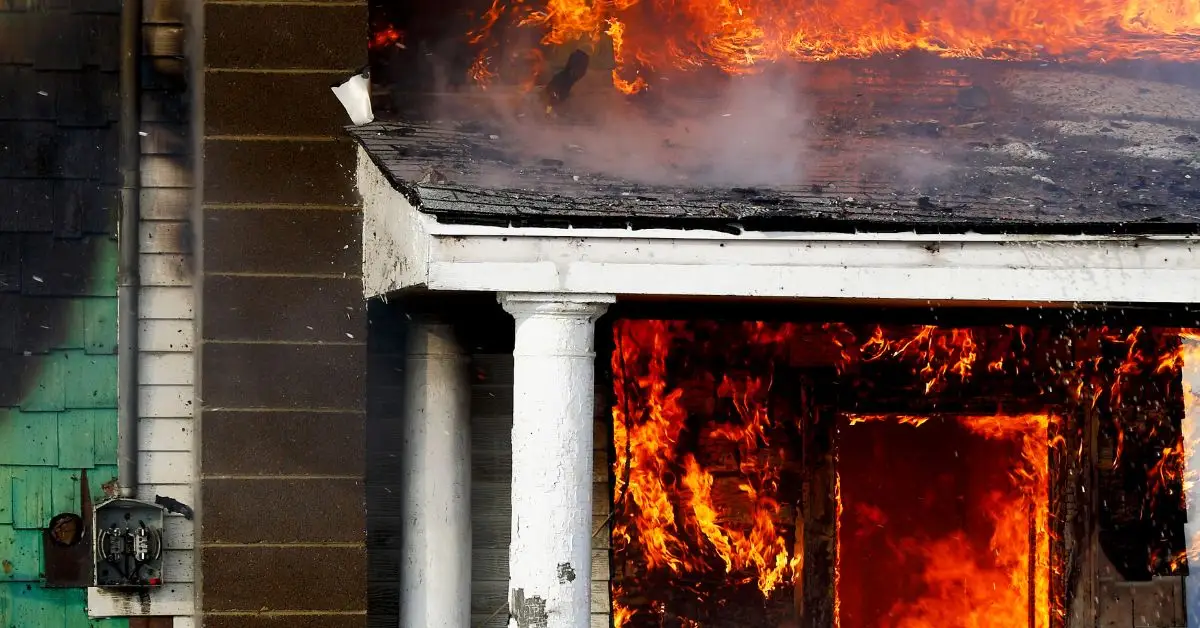
Officials say the fire likely started on the porch of the home on 8th Avenue before spreading to nearby vehicles and the neighboring house. When a fire begins close to the exterior of a structure, it can quickly gain traction—especially if there’s anything flammable nearby.
As the flames spread outward, three vehicles in the driveway were overtaken by fire, and the blaze moved fast enough to reach the home next door. Understanding where a fire starts helps you see how small risks around your porch or entry points can turn into major hazards if left unchecked, just as local firefighters described in the reporting by NBC DFW.
Exploding Fuel Tank Created Additional Hazards
The situation became even more dangerous when a gas tank in one of the burning cars exploded, creating new challenges for the crews on scene.
That explosion caused burning fuel to flow down the street, which fire officials described as “liquid flames.” Suddenly, firefighters weren’t just fighting a house fire—they were working to contain spreading burning fuel on the roadway.
This kind of complication shows how a residential fire can escalate beyond what most people expect when they think of a typical house blaze. Firefighters had to adjust their approach to keep the flames from jumping to more structures and vehicles.
Rapid Response Prevents Greater Damage
Fire crews managed to control the blaze in about 30 minutes. In a situation where flames had already reached another home and several vehicles, that response time played a major role in limiting further destruction.
Fast response can prevent a fire from becoming catastrophic, just like in a recent incident in Maryland where five firefighters were injured during a house fire search and rescue operation, yet their timely action saved lives and limited damage.
Because firefighters acted quickly, the neighboring property avoided much heavier damage. When fires spread between structures, even a small delay can allow flames to move across rooftops or into nearby homes. In this case, crews were able to stop the fire before it escalated further down the street.
Assistance for the Displaced Family
Even though no one was injured, the fire forced seven people to leave their home. Six adults, one child, and their pet were displaced after the damage caused by the blaze.
Support organizations quickly stepped in to help. The American Red Cross is providing emergency assistance to the affected family, offering short-term help such as shelter, food, and basic necessities. If you’ve ever wondered how families recover after sudden disasters like this, relief groups like the Red Cross often become the first line of support.
Officials Believe the Fire Was Accidental
After firefighters contained the blaze, officials began reviewing what might have caused it. Early information from the Fort Worth Fire Department suggests the fire appears to have been accidental.
Determining the cause is important not just for investigators, but for residents as well. Understanding how residential fires start can help homeowners recognize potential risks around their own properties. For broader context on how and why home fires commonly begin in the U.S., you can review safety data shared by the U.S. Fire Administration.
These kinds of investigations often help communities learn simple prevention steps that can reduce the risk of similar incidents in the future.
Porch Fires and Vehicle Proximity Risks
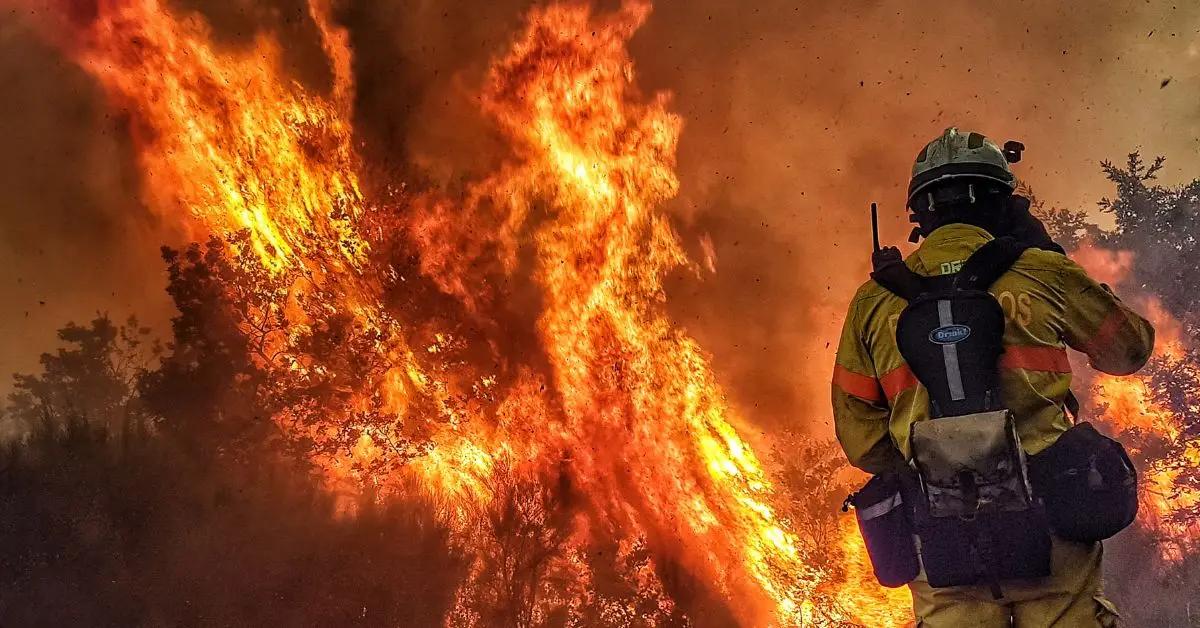
When you hear about a house fire starting on a porch, it might sound unusual. But the truth is, porches often become accidental fire hazards without people realizing it.
Why Porch Areas Can Be Fire Hazards
Porches usually hold everyday items—packages, furniture, grills, decorations, or even electrical devices. If something sparks or overheats, those materials can ignite quickly.
Many residential fires begin in areas where combustible materials are stored close to the home. That’s why porch areas deserve more attention than most homeowners give them.
Parking Vehicles Close to Homes
Another risk many people overlook is parking cars right next to a house. Vehicles contain fuel, oil, wiring, and plastic components—all of which can intensify a fire if flames reach them.
Small hazards around your porch or driveway can escalate quickly if ignored—similar to a Rock County house fire where alert neighbors helped prevent the situation from worsening.
In this Fort Worth incident, once the fire spread from the porch to nearby vehicles, the situation escalated quickly. It’s a reminder that even normal parking habits can increase fire risk during emergencies.
Steps Homeowners Can Take to Prevent Similar Incidents
If you want to reduce the risk around your home, a few small steps can make a big difference:
- Keep flammable items away from porches and entrances
- Avoid storing electrical equipment outside unless protected
- Maintain safe distance between vehicles and the house when possible
- Install smoke detectors and check them regularly
Sometimes prevention is simply about noticing the small risks around your home before they turn into something serious.
Emergency Preparedness Tips for Fort Worth Residents
Fires often happen without warning, especially during early morning hours when people are asleep. That’s why preparation matters more than most people think.
Creating a Family Fire Escape Plan
Every household should have a simple escape plan. That means knowing at least two ways to exit each room and deciding on a meeting point outside the home.
If a fire breaks out at night, you won’t have time to think—you’ll rely on what you’ve already planned.
Keeping Fire Extinguishers Accessible
A small kitchen or garage fire can sometimes be controlled quickly if a fire extinguisher is nearby. But it only helps if you can reach it fast.
Place extinguishers in high-risk areas like kitchens, garages, or near outdoor grilling spaces.
Contacting Local Emergency Services Quickly
The faster emergency services are contacted, the better the chances of limiting damage.
If you ever see smoke or flames, call emergency responders immediately rather than trying to manage the situation alone.
You can also get real-time alerts and quick fire safety tips from a dedicated WhatsApp channel many local residents rely on to stay informed during emergencies.
Community Response and Recovery
What could have turned into a much more tragic situation ended with no injuries—largely because the residents were able to get out quickly and firefighters responded fast.
While the fire damaged homes and destroyed several vehicles, support from emergency crews and relief organizations is helping the affected family begin the recovery process.
Stories like this remind us how quickly everyday situations can change—and why preparation matters.
If incidents like this interest you or you want more practical home safety insights, you can explore more guides and updates on Build Like New.
And I’d like to hear from you too.
Do you think porch areas or parked vehicles are risks most homeowners ignore? Share your thoughts or experiences in the comments below—your insight could help someone else stay safer.
For more practical home safety tips, updates, and discussions, follow us on X and join our Facebook group to stay connected with a community focused on fire safety and home protection.
Disclaimer: This article is based on publicly available news reports and official statements at the time of writing. Details may change as authorities continue their investigation. For the most accurate and updated information, readers should refer to official announcements from local authorities and emergency services.