Devastating Hawaii Floods Impact Real Estate and Leave Homeowners Reeling
If you live in Hawaii—or have family there—you probably felt how sudden and overwhelming this flooding became. What started as days of nonstop rain quickly turned into a statewide emergency.
Power went out in several areas. Roads and neighborhoods were submerged. Thousands of residents had to evacuate as floodwaters moved through communities across Oahu and other islands.
Officials say the damage could exceed $1 billion, making it one of the most serious flooding events the state has seen in years. Some regions recorded up to 50 inches of rainfall, overwhelming drainage systems and triggering flash flood warnings across multiple islands.
In this article, I’ll break down what caused the Hawaii flood, which areas were hit hardest, and how residents and authorities are responding to the crisis.
What Triggered the Hawaii Flooding?
When you try to make sense of this disaster, the first thing you want to know is why it happened. It wasn’t just a heavy rain shower — it was a series of prolonged storms that overwhelmed entire watersheds.
Kona Low Storm System Explained
Most people don’t think about Kona lows until one slams into an island chain. These are slow-moving weather systems that pull moisture from the tropics and dump it over the same areas for days.
Starting around March 10, a series of these Kona lows lingered over Hawaii. Instead of quick bursts of rain, communities were hit with continuous downpours that never let up. That’s why rivers overflowed, roads became waterways, and neighborhoods flooded faster than people expected.
Historic Rainfall Levels
To give you a sense of scale: in some places, rainfall totals approached 40 to 50 inches over a very short period. That kind of volume isn’t something drainage systems or creeks can handle. It’s enough water to turn streets into rivers and yards into lakes.
Experts are already comparing this to the worst flooding Hawaii has seen in decades. And unlike smaller, isolated storms, this one stretched across multiple islands all at once.
Why Hawaii Is Vulnerable to Flash Flooding
You and I both know Hawaii is beautiful — but beauty comes with steep hills, deep valleys, and narrow coastal plains. When heavy rain falls on those mountain slopes, water rushes down with force. Towns built close to streams or narrow valleys have very little buffer.
Combine that with urban drainage systems that weren’t designed for this level of rainfall, and you’ve got a situation where flash flooding isn’t just possible — it becomes almost inevitable.
Situations like this highlight why homeowners should understand what immediate steps to take after water enters a property, such as those explained in this guide on 7 urgent things to do if your house gets flooded before it’s too late.
And as you’ll see in the next section, that’s exactly what happened in communities from Oahu’s North Shore to Manoa and Palolo.
According to reporting from Realtor.com, the floods have caused an estimated $1 billion in property damage, with thousands of homes affected and large power outages in multiple areas.
Islands and Communities Hit the Hardest

As I looked through firsthand accounts and local reporting, a pattern became clear: this wasn’t a single neighborhood problem. The flooding was widespread, and certain areas were hit much harder than others.
Communities Facing the Worst Flooding
On Oahu’s North Shore, water poured into residential streets and forced thousands of people to evacuate their homes. I heard from residents who watched roads turn into rivers almost overnight.
In Manoa and Palolo, neighbors described scenes that felt surreal — yards flooded, cars stuck, and people wading through knee-deep water just to reach safety. In many flood disasters across the U.S., families often lose access to their homes overnight, similar to what happened when a flash flood in Summerfield rendered a family of six homeless.
And in Waialua, residents voiced frustration about what they felt was a slow official response, saying neighbors often had to step in and help long before emergency crews arrived.
Damage Across Infrastructure and Homes
The flooding didn’t stop at houses. Several major roads were submerged, interrupting travel and complicating rescue efforts. Even at least one hospital reported flooding, which added strain to local emergency services.
Across multiple communities, power was knocked out for thousands of residents. That made every part of recovery — from cleanup to communication — harder.
When you combine all of this with the reported $1 billion+ in damage, you start to see why experts are calling this one of the most serious flooding events Hawaii has faced in recent years.
Emergency Response, Evacuations, and Rescues
When the flooding began to intensify, emergency teams had to move quickly. Entire neighborhoods were seeing water rise within hours, and rescue calls started pouring in.
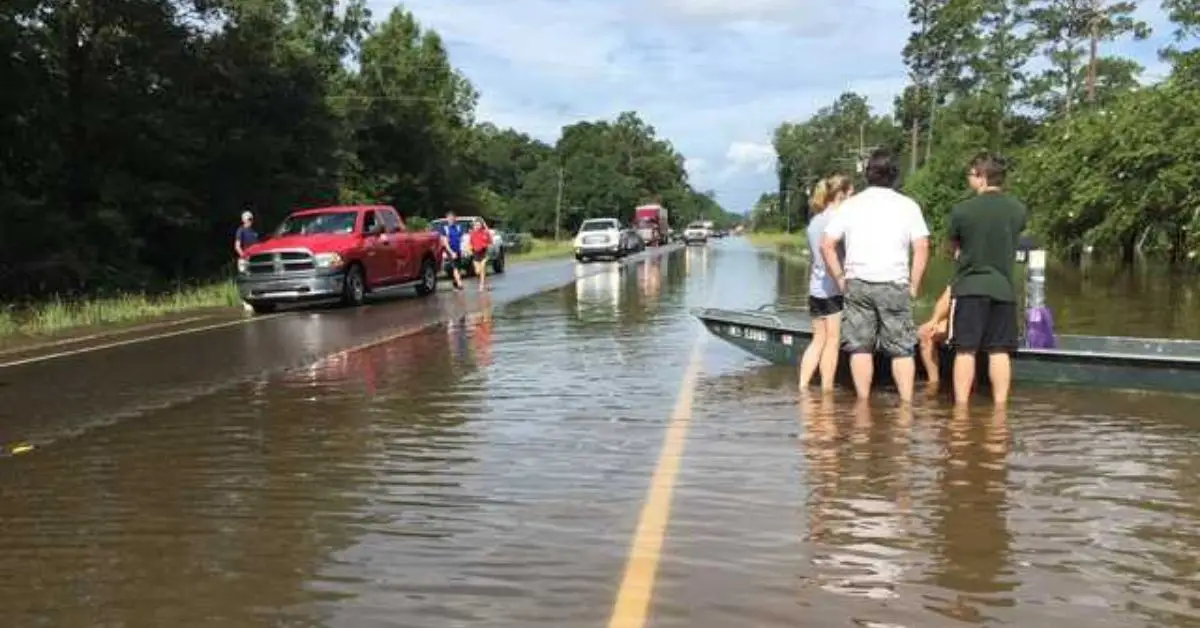
The Hawaii National Guard was deployed to help search and rescue people trapped by floodwaters. In several areas, crews had to reach residents by boat after roads became completely impassable.
Authorities also ordered evacuations along Oahu’s North Shore, where flood conditions were especially dangerous. More than 5,000 residents were forced to leave their homes, many unsure how much damage they would return to once the waters receded.
Many residents across the islands were also sharing real-time flood updates and safety alerts through community messaging groups and channels, including platforms like WhatsApp, where local updates often circulate faster than official notices.
Emergency shelters were opened for families who had nowhere else to go. Hotels and temporary housing options were also arranged for displaced residents while officials worked to stabilize the situation.
At the same time, federal response teams began arriving in Hawaii. Disaster assessment crews started evaluating damage to homes, roads, and infrastructure to determine how much federal assistance may be needed. Updates about these efforts and disaster support programs are regularly shared through the official FEMA site.
But as the situation unfolded, another story started emerging alongside the official response — the way local communities stepped in to help each other.
Residents Speak Out About the Government Response
As the floodwaters started to go down, frustration began to rise in some communities.
Several residents on Oahu’s North Shore said the emergency response felt too slow during the worst hours of the storm. At local meetings, people openly questioned whether authorities could have reacted faster.
One resident, speaking during a community gathering, demanded accountability from officials and asked law enforcement and emergency agencies to apologize for what he believed was a delayed response.
Others echoed a similar sentiment. Some neighbors said that during the most critical moments, community members were helping each other long before government support arrived.
Residents described volunteers checking on elderly neighbors, helping move belongings out of flooded homes, and clearing debris from streets.
And while criticism toward officials grew in some places, another powerful story was also unfolding across the islands.
Hawaii’s “Aloha Spirit” During the Disaster
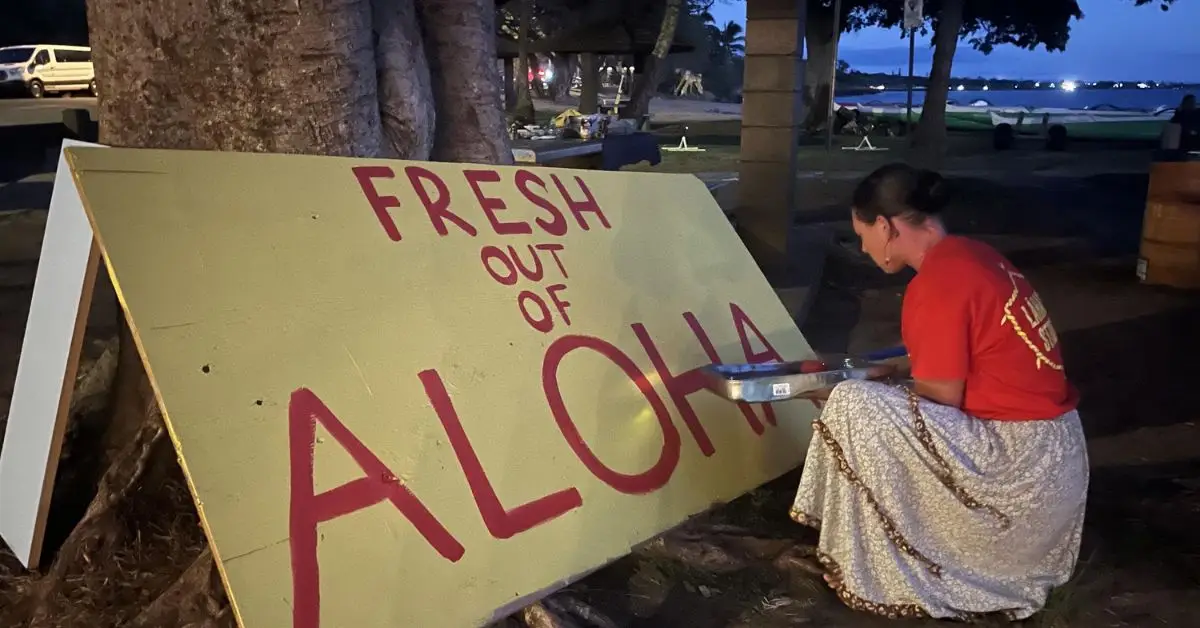
If you talk to anyone from Hawaii, they’ll tell you the phrase “Aloha spirit” isn’t just a slogan. It’s how communities show up for each other during difficult times.
After the floodwaters started receding, neighbors across affected towns began organizing their own relief efforts. People set up folding tables outside homes and community centers filled with food, clothes, cleaning supplies, and bottled water.
The rule was simple: take whatever you need.
Volunteers spent hours helping families clean mud from their homes and clearing debris from flooded streets. In many places, recovery started with neighbors helping neighbors before official crews even arrived.
The disaster also drew attention from people beyond the affected communities. Hawaii native and actor Jason Momoa shared several posts on Instagram showing the flooding and urging support for struggling families.
In his messages, he spoke directly about how the storms were impacting vulnerable residents, including families already dealing with housing challenges.
Stories like these remind you that even during a crisis, communities can still come together — and sometimes that unity becomes one of the strongest forces in recovery.
Agriculture Devastated as Farms Suffer Millions in Losses
When most people think about flooding, they picture damaged homes and flooded streets. But if you look closely at Hawaii’s economy, you’ll realize the disaster also hit something just as important — local agriculture.
Across several islands, heavy rain and floodwaters wiped out crops that farmers had spent months growing. Fields producing pineapples, macadamia nuts, papaya, and Kona coffee were submerged, leaving many farms with little chance of salvaging their harvest.
Early estimates suggest agricultural losses have already reached around $11 million, and the number could climb as more farms report damage.
What makes the situation even harder is that many farmers don’t carry flood insurance. Small farms operate on tight budgets, and insurance premiums can be expensive. That means a single storm like this can erase an entire season’s income.
To understand the scale of the risk, consider this: Hawaii has roughly 6,500 small farms, many of which supply local markets and restaurants. When floods destroy crops, it doesn’t just affect farmers — it can also disrupt food supply across the islands.
Infrastructure Risks — The Wahiawa Dam and Flood Threat
Beyond homes and farms, another concern emerged during the storm: aging infrastructure.
Officials closely monitored the Wahiawa Dam, a structure that has been standing for more than 120 years. The dam sits in a region that received intense rainfall during the storm.
The facility is owned by Dole, the agricultural company known for large pineapple operations in Hawaii. During the flooding, engineers kept watch for any signs of structural stress as water levels rose.
Thankfully, the dam held.
But the situation highlighted a serious concern. Flooding can also trigger secondary disasters when infrastructure fails, which was tragically demonstrated in a recent incident where a North Plainfield house exploded after flooding and a gas leak.
If a structure like Wahiawa Dam were to fail during extreme rainfall, the resulting surge of water could cause far more severe flooding downstream.
Events like this often push governments to re-evaluate aging infrastructure and consider upgrades before the next major storm arrives.
Relief Programs and Assistance for Affected Residents
For families forced out of their homes, the most urgent question becomes simple: Where can we go, and what help is available?
State officials quickly began working with hotels to offer discounted stays for residents displaced by flooding. This allowed families to find temporary shelter while cleanup and damage assessments continued.
Residents can also call the 2-1-1 emergency hotline, which connects people with local support services including housing assistance, food aid, and emergency resources.
Another concern many people don’t think about during disasters is pets. For families needing help rescuing animals or finding temporary care, assistance is available through the Hawaiian Humane Society.
Insurance is another major issue now coming into focus. Many homeowners are learning that standard home insurance policies typically do not cover flood damage. Flood insurance is usually separate, and unless you live in a designated flood zone, many homeowners choose not to purchase it.
For guidance on claims and insurance rights, residents can find official resources from the Hawaii Department of Commerce and Consumer Affairs.
Federal Disaster Aid Request
As damage assessments continued, state officials began preparing a request for federal support.
Hawaii’s governor sent a formal letter to President Donald Trump, asking for disaster assistance to help repair damaged infrastructure and support affected communities.
The state estimates that total damage could exceed $1 billion, including destruction to homes, roads, public facilities, and agricultural land.
Federal disaster declarations can unlock significant funding for recovery efforts — including rebuilding infrastructure, supporting local governments, and helping residents cover repair costs.
For now, Hawaii officials are waiting to see how quickly federal aid will be approved while cleanup and rebuilding efforts continue across the islands.
What Happens Next for Hawaii After the Flood
Right now, many families across Hawaii are asking the same question: what happens next?
The first step is damage assessment. Local officials and federal teams are still surveying neighborhoods to understand how many homes, farms, and public facilities were affected. This process can take weeks because inspectors need to verify structural damage before any large recovery funds are released.
Once the assessments are complete, the focus will shift toward rebuilding and recovery. Roads, drainage systems, and damaged infrastructure will need repairs, and homeowners will begin the long process of restoring flooded properties.
At the same time, this disaster is likely to push discussions about better flood preparedness. Experts often recommend improving drainage systems, strengthening flood warning systems, and updating emergency planning so communities can respond faster in future storms.
For many residents, the recovery won’t be quick. But the rebuilding phase is where communities and policymakers start making changes that could reduce the damage from the next major storm.
Safety Tips for Future Floods in Hawaii
Floods can happen quickly in island environments, which is why preparation matters more than most people realize.
If you live in Hawaii—or anywhere prone to heavy rain—there are a few steps that can make a huge difference when severe weather strikes.
1. Plan your evacuation route: Know which roads lead to higher ground and identify nearby shelters before a storm arrives. Waiting until flooding begins can make evacuation much harder.
2. Keep an emergency kit ready: A basic kit should include drinking water, non-perishable food, flashlights, medications, important documents, and a phone charger. When power outages happen, these items become essential.
3. Understand your flood insurance coverage: Many homeowners assume their standard policy covers flood damage, but that’s rarely the case. Flood insurance is typically separate, so it’s worth reviewing your policy before storm season arrives.
Being prepared doesn’t stop storms from coming—but it can make the difference between a manageable emergency and a devastating loss.
Key Takeaways from the Hawaii Flood Crisis
The recent flooding across Hawaii has become one of the most serious natural disasters the islands have faced in years.
A powerful series of Kona low storms brought historic rainfall, triggering flash floods across multiple islands. The damage is already estimated at over $1 billion, with homes, farms, roads, and public infrastructure severely affected.
Thousands of residents were forced to evacuate, emergency crews carried out rescue operations, and local communities stepped up to support one another during the crisis.
While recovery efforts are now underway, rebuilding will take time. Federal disaster assistance, insurance claims, and infrastructure repairs will all play a role in how quickly affected communities can recover.
But one thing has stood out throughout the disaster: neighbors helping neighbors, showing the resilience that Hawaii communities are known for.
If you found this breakdown helpful and want more clear, practical updates on disasters, rebuilding, and property recovery, visit our website Build Like New where we regularly share insights that homeowners can actually use.
And I’d love to hear from you too.
Do you think Hawaii’s infrastructure and emergency planning need major improvements after this flood? Or was the disaster simply unavoidable due to extreme weather?
Share your thoughts in the comments — your perspective matters.
If you want to stay updated on major disaster events, home recovery insights, and practical rebuilding guidance, you can also follow our updates on X or join the conversation in our Facebook community where homeowners share real experiences and advice.
Disclaimer: This article is for informational and news reporting purposes only. Details about the Hawaii flood are based on publicly available reports and official updates at the time of writing. Situations during natural disasters can change quickly, so readers should follow local authorities and emergency agencies for the most current information.