Glendale Home Break-In Attempt Prompts Search for Ski-Masked Men
I still remember scrolling through my phone late Friday night and seeing the alert from the Glendale Police Department. Two men, wearing ski masks, had tried to break into a home near Sweetbriar and Swarthmore Drives. They used a firearm to smash the rear glass door, but luckily, something startled them and they fled in a black vehicle before anyone was hurt.
Reading this, I couldn’t help but think about how close these incidents hit to home—literally. For you, me, and every neighbor, it’s a sharp reminder that residential safety isn’t something to take lightly. While police are investigating, it’s natural to wonder: how often do break-ins like this happen, and what can we actually do to protect our homes?
In this article, I’ll walk you through what really happened, why Glendale residents should be alert, and practical steps you can take right now to make your home safer. I want you to feel informed, not alarmed, and walk away with actionable insights that matter.
Understanding Glendale’s Residential Burglary Trends
When I dug into how often homes get targeted in Glendale, the picture isn’t as simple as “crime up” or “crime down.” According to the NBC Los Angeles report on the Glendale home break‑in attempt, incidents like what happened near Sweetbriar and Swarthmore Drives are real, but you should understand how common they really are.
Looking at recent crime data for Glendale, property crimes — including burglary — are a noticeable part of the city’s overall crime mix. Over the past few years, burglary incidents have made up a steady share of property crime, and the city’s per‑resident burglary rate sits slightly above the national average.
As you and I look at this, it matters because not every city sees the same kind of residential risk. Some neighborhoods in Glendale naturally see more activity than others — especially areas closer to transit corridors or commercial zones — while quieter residential pockets tend to report fewer break‑ins. Neighborhood‑level data show that burglars often strike during evening and night hours, typically after dark and into late night, when houses are quieter and visibility is low.
Cases like the Glendale break-in remind me of similar incidents, like the one in San Rafael where a surveillance camera helped police arrest two home burglary suspects and prevented further harm.
For you, that means this isn’t necessarily an isolated incident, but neither is Glendale overrun with break‑ins. Understanding the patterns and when these crimes occur helps you think clearly about your own home’s security instead of reacting to fear alone.
Anatomy of a Home Break‑In
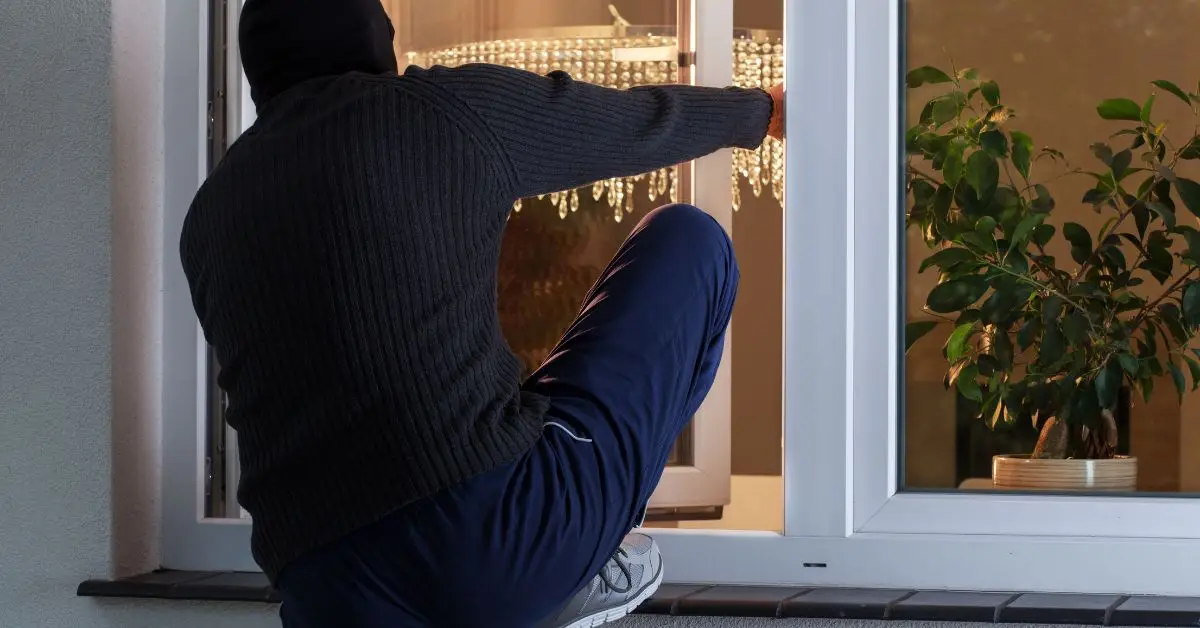
When I think about how burglars operate, it helps to break down their patterns so you can actually see where the risks lie. Most home break‑ins don’t happen at the front door where you’d expect them — they happen through rear doors, unsecured windows, garages, or patio entries. Those spots are just easier to access without drawing attention.
The tools people use vary. Some will pry with a crowbar or screwdriver, others might use lock‑picking tools, and in rare but disturbing attempts — like the one reported in Glendale — suspects have used a firearm to force entry. What strikes me most in this pattern is the amount of planning they do. They often watch a house first, look for routines, and choose times when residents are less likely to notice — typically after dark or during late evening.
That said, a lot of break‑in attempts don’t succeed. Noise from glass breaking, motion‑sensing lights, barking dogs, or the simple presence of someone in the home will scare many burglars off. You and I both know that small precautions make a real difference. If you want a solid starting point for strengthening your home’s security basics, the 10 practical ways to secure your home guide at home.howstuffworks.com breaks them down in plain English — from reinforcing doors to boosting outdoor lighting.
How to React If Your Home Is Targeted
If you ever find yourself in a situation like the Glendale break‑in attempt, your first priority has to be safety — yours and your family’s. Do not confront suspects under any circumstances. Suspects who are armed or panicked are unpredictable.
Here’s a clear plan you and I both can follow:
- Call 911 immediately. Give as much detail as you can: what the suspects looked like, whether they had bags or tools, and which direction they left in. Unfortunately, not all attempts end safely; as we saw in Asheville, a resident was hurt during a home burglary incident, highlighting the importance of immediate action and safety precautions.
- Preserve the scene. Don’t touch broken doors, glass, or anything the suspects might have handled. Every footprint or fragment can be helpful for investigators.
- Inform neighbors and community apps. Posting on neighborhood platforms like Nextdoor or local community groups not only warns others but can spark useful eyewitness tips from neighbors who saw something you missed.
From what I’ve seen and experienced, remaining calm, calling for help quickly, and preserving evidence is often what leads police to follow up effectively. And telling neighbors isn’t just helpful — it builds a sense of shared vigilance that actually lowers the chances of repeat events.
Strengthening Your Home Against Burglary
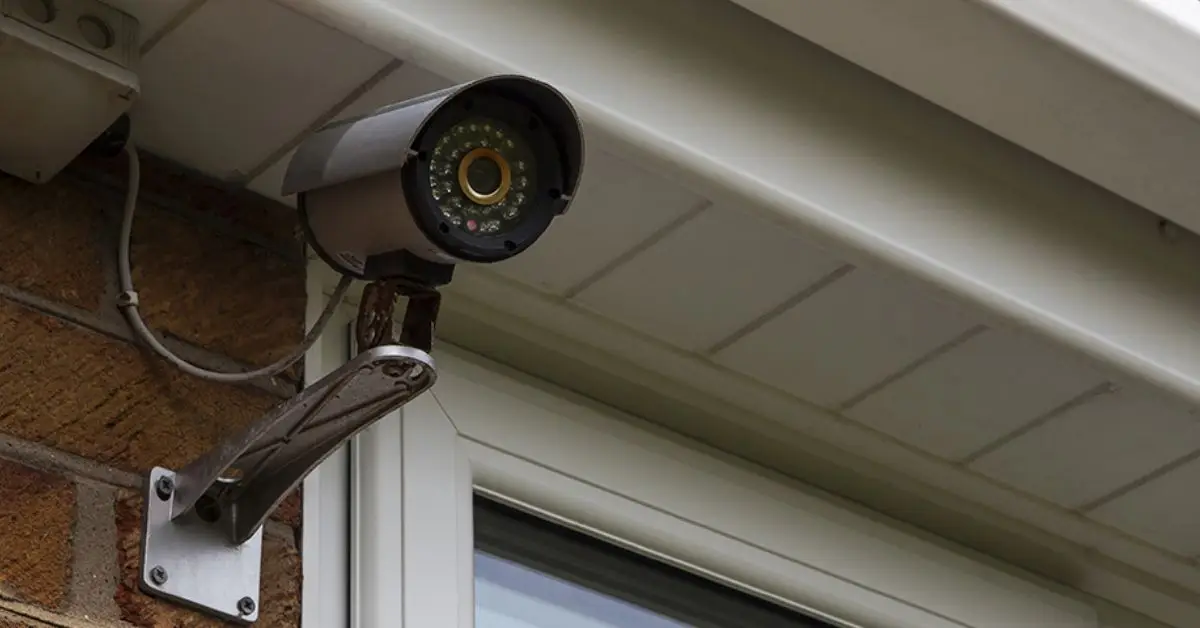
After looking closely at how burglars operate, I realized that preventing a break-in is often about making your home an unattractive target. Simple steps go a long way. Reinforcing doors and windows, installing quality locks, and adding visible security cameras can make a big difference. Even small measures like keeping sliding doors locked or using a door jammer can slow someone down enough for them to reconsider.
Smart home technology is another layer I personally value. Motion-sensor lights, alarm systems, and timed indoor lights give the sense someone’s always home — and burglars notice. Using community strategies like a neighborhood watch or alert apps provides extra reassurance, because you and your neighbors can quickly share suspicious activity.
I also recommend reviewing your insurance. Documenting valuable items, keeping receipts or photos, and understanding your coverage can save a lot of headaches if anything does happen.
Even small changes — like motion-sensor lights or a camera at the back door — can shift the odds in your favor. You don’t have to go overboard; just start with the highest-risk areas first. In extreme cases, like the tragic home shooting in Crosby, burglars can escalate to deadly violence, which is why proactive home security measures matter so much.
Many homeowners I know also use neighborhood groups and messaging apps like WhatsApp to quickly share suspicious activity or safety tips with nearby residents, which can make a big difference in preventing incidents.
What Glendale Law Says About Attempted Burglary
I know many people wonder what actually happens legally if someone tries to break into a home here. California law distinguishes between attempted and completed burglary, and both carry serious consequences. Even if a suspect fails to enter, attempted burglary can result in felony charges with jail time and fines.
As a homeowner, your most important role is to report the incident accurately. Glendale Police will document the attempt, collect evidence, and sometimes canvass the neighborhood for witnesses. Details like suspect description, tools used, and direction of escape are crucial for a thorough investigation.
If you want to understand the bigger picture of crime in Glendale — including burglary patterns, local trends, and how law enforcement responds — this Wikipedia page on Crime in Glendale, California provides a solid overview.
Knowing the law and the local crime context doesn’t just prepare you mentally; it helps you respond in a way that protects your home, your family, and your rights while supporting police efforts.
Learning From Glendale’s Attempted Break-In
Looking back at the Glendale break-in attempt, there are some clear lessons we can all take away. First, immediate actions matter: call 911, preserve evidence, and alert neighbors. Second, preventive measures work: reinforce doors and windows, install security cameras, and use smart home tech like alarms and motion lights. Finally, staying vigilant and connected with your community—through neighborhood watch programs or alert apps—can make a big difference in preventing future incidents.
For you, the key takeaway is simple: don’t wait for an incident to happen before taking action. Even small upgrades to your home’s security can significantly reduce risk.
I’d love to hear from you. Have you ever faced a break-in attempt or upgraded your home security? Share your experience in the comments below — your insights might help others in the community stay safe.
And if you want more practical tips, detailed guides, and real-life advice on securing and upgrading your home, check out my website, Build Like New, where we focus on helping homeowners make smart, effective improvements that really protect their space.
For ongoing tips, alerts, and practical home security ideas, you can follow us on X and join our Facebook community to stay updated and connect with other proactive homeowners.
Disclaimer: This article is for informational purposes only and is not legal or professional advice. Always follow local laws, official police guidance, and consult professionals for home security or legal matters.