
How to Know When Your Chimney Needs a Cleaning?
I’m going to be honest with you — your chimney isn’t some set‑and‑forget part of your home. Every time you light a fire, tiny particles of soot and a sticky tar‑like residue called creosote stick to the inside of your flue. Over time, that stuff builds up quietly — until one day it doesn’t. And then things can go sideways fast.
Here’s the part most people don’t realize: creosote isn’t just messy. It is a major fire risk. Even a thin glaze — less than an eighth of an inch — can ignite and send flames roaring up your chimney. That’s why experts insist on annual inspections and cleaning at a minimum — it’s not about perfection, it’s about safety.
And it’s not just fire danger. A dirty chimney chokes off airflow, makes your fireplace work harder for less heat, and can even create conditions where deadly gases like carbon monoxide don’t vent properly. You might be paying more to heat your home, or worse — your family could be breathing contaminated air without you even knowing.
I’ve seen homeowners shrug off chimney care because “we only use it a few times a year.” But here’s what most professionals tell me again and again: rare use doesn’t mean no risk. Debris, bird nests, animal droppings — these happen whether you light a fire every day or just on holidays.
So if you care about safety, comfort, and peace of mind — and I know you do — chimney cleaning isn’t an optional chore. It’s a simple, predictable way to protect your home before small problems turn into big, expensive, or even dangerous ones.
Core Rule of Thumb: Standard Chimney Cleaning Intervals
I get asked this question a lot: “How often should I actually clean my chimney?” Honestly, it depends on a few factors, but there’s a baseline that every homeowner should follow. Think of it like a yearly health check-up for your fireplace — even if it seems fine, a little preventive care goes a long way.
Minimum Recommended Cleaning Frequency
- Annual inspection: Every chimney, whether used daily or once a year, should get at least one inspection. This is the bare minimum that professionals recommend.
- Cleaning if needed: During the inspection, the sweep will check for creosote buildup, blockages, or damage. Even if your fireplace looks clean, a professional can catch hidden hazards.
- Unused chimneys: If your fireplace isn’t used often, you might think you can skip it. Nope. Even unused chimneys can accumulate dust, debris, and animal nests.
Usage-Based Schedule (Wood Fireplaces)
How often you use your fireplace changes everything. Here’s a practical breakdown:
- Heavy use (daily): 2–3 times per year, roughly every 3–4 months. If you’re burning wood daily, the creosote builds up fast.
- Moderate use (weekly): At least once a year, ideally before winter. This keeps your chimney safe and your fires cozy.
- Occasional use (few fires per year): An annual inspection and cleaning is enough. Even light use can leave sticky residue and minor debris.
Other Fuel Types
Not all fireplaces are wood-burning. Here’s how experts recommend handling alternatives:
- Gas fireplaces: Annual inspections are important, but cleaning is usually needed only every 2–3 years. The debris risk is lower, but checking for vent blockages is still crucial.
Even small mistakes in regular maintenance can make your space look and function worse over time — similar to common kitchen pitfalls, which we explore in 7 Common Kitchen Mistakes That Make Your Space Look Unappealing.
Signs Your Chimney Needs Cleaning Now
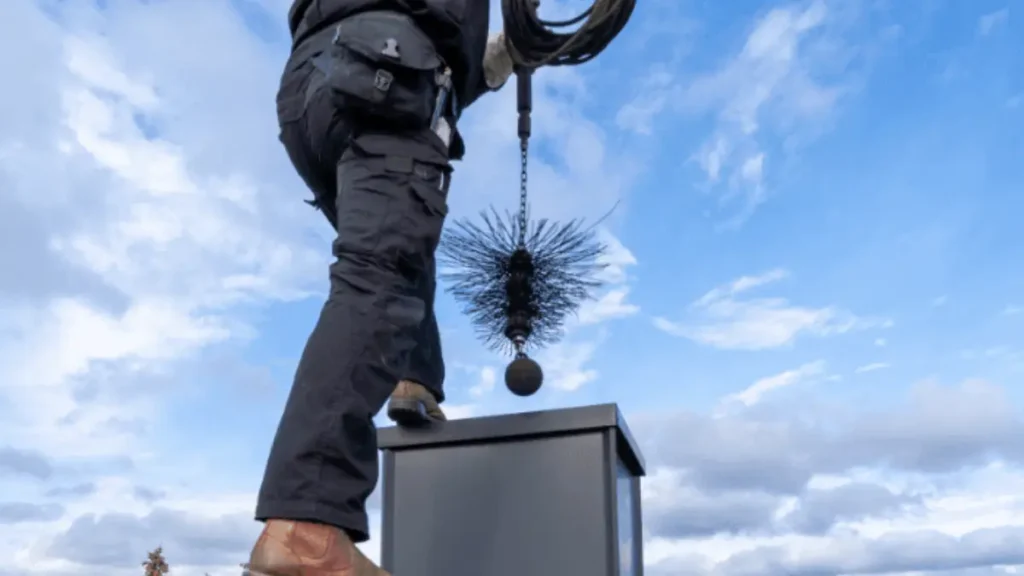
You don’t always have to wait for your scheduled inspection to know something’s off. Your chimney will often give you signals — if you pay attention. Here are the key warning signs:
- Smoke backing into the room: If your fire is producing more smoke than usual, or it’s spilling into the living space, that’s a red flag.
- Strong soot or odor: A heavy, persistent smoky smell, even when the fire is small, usually means creosote or debris is building up.
- Blockages (animal nests or debris): Birds, squirrels, or leaves can block the flue. Even a small blockage can prevent proper ventilation.
According to Yellow Pages, noticing these signs means you shouldn’t wait — it’s time to call a professional before it turns into a serious safety issue.
Even minor debris or buildup can turn dangerous quickly. For more detailed hazards to watch out for this winter, check out our guide on Top 10 Chimney Fire Hazards and How to Avoid Them.
Pro tip: You can also check online communities like Reddit, where homeowners share real-world experiences. Some fires that seem small can actually create significant creosote buildup — seeing how others manage it can give you a practical perspective.
Expert Opinions & Authority Recommendations
If you’re like me, you want to know your chimney care is based on more than just guesswork. That’s where expert guidelines come in — these are the standards that professional sweeps and safety organizations rely on.
- NFPA & CSIA standards: Most experts, including certified technicians, recommend at least one inspection per year. Even if your fireplace doesn’t see heavy use, these guidelines exist to prevent dangerous creosote buildup and blockages.
- Better Homes & Gardens advice: They suggest scheduling inspections and cleaning before the heating season starts, which helps ensure your fireplace is ready when you need it most.
- The Spruce timing tips: Seasonal timing matters — cleaning in spring or fall can prevent buildup before your first big fire and helps catch any winter damage from animals or debris.
When I follow these recommendations in my own home, it’s not just about safety. I notice my fires burn cleaner, my heating costs are a bit lower, and I sleep easier knowing the chimney isn’t a hidden hazard.
Seasonal Timing — When to Clean for Best Results
Here’s something most homeowners miss: it’s not just how often you clean your chimney, it’s when. Timing can make a big difference in safety, efficiency, and cost.
- Before the heating season: The safest bet is to schedule cleaning right before you start using your fireplace for the season. That way, you start with a clean, clear flue, and you reduce fire risk.
- Optional mid-season cleaning for heavy users: If you burn wood daily, a second check or cleaning mid-season can prevent creosote from building up dangerously fast.
- Off-season cleaning (spring/summer): This is a quieter time for most chimney professionals. Cleaning now can be more convenient, sometimes less expensive, and ensures your chimney is ready when winter rolls around.
When I plan cleaning around these seasons, it’s like giving my fireplace a reset. Fires burn better, the home smells cleaner, and I avoid last-minute calls to busy technicians in peak season.
DIY vs Professional Cleaning — Pros, Cons & Costs
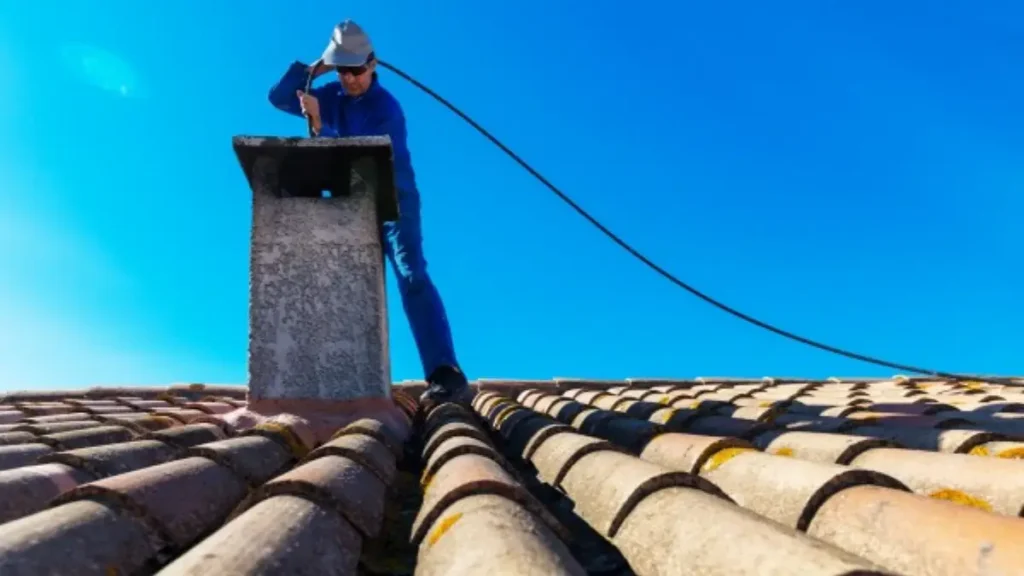
I know the temptation — you’re looking at your fireplace and thinking, “Can’t I just handle this myself?” I get it. A broom, a brush, maybe a shop vac — seems doable. But here’s the truth: chimney cleaning isn’t just sweeping soot.
- Safety concerns with DIY: Climbing onto your roof, working around fragile flues, or missing hidden creosote deposits can lead to injuries or fires. Even small mistakes can turn costly fast.
- Professional inspections: A certified sweep doesn’t just clean — they check your chimney’s structure, the damper, the liner, and look for hidden damage that could cause smoke backdraft or worse.
- Costs: Hiring a pro can vary by region and chimney type. On average, you might spend $150–$300 per visit, but consider it an investment in safety and peace of mind. Compared to the risk of a chimney fire, it’s money well spent.
From my experience, even if you’re handy, the DIY route is best limited to minor soot removal inside the fireplace itself. Anything beyond that — call a professional. You’ll sleep easier knowing it’s done safely.
If you want quick tips or reminders about keeping your fireplace safe throughout the season, there’s a handy WhatsApp feed with short updates and practical advice — you can check it here.
Common Myths & Mistakes People Make
Here’s a section I don’t see often in other articles, and it’s crucial: the myths that keep people from cleaning their chimneys properly. Let’s clear them up.
- “Only clean when you see smoke” — wrong. Smoke can appear long after dangerous creosote has built up. Waiting for it is like waiting for a warning light after your car engine has already caught fire.
- Waiting until winter is too late. Peak season means busy schedules for professionals and higher rates. Cleaning in fall or even off-season spring gives you flexibility and ensures you’re ready when the weather turns.
- Skipping annual inspections if the fireplace isn’t used much. Even light-use chimneys can accumulate dust, animal nests, or minor creosote. I’ve seen small debris block airflow and create smoke problems in chimneys that “rarely see a fire.”
The takeaway? Don’t wait for obvious problems. A little preventive maintenance and professional guidance goes a long way in avoiding big headaches later.
Keeping your fireplace area organized helps you spot issues early. If clutter is a problem, our guide on 6 Clear Signs Your Kitchen is Seriously Overcluttered can give you practical tips you can apply around your home.
Quick Checklist Before You Schedule Cleaning
Before you pick up the phone to book a chimney sweep, it helps to know exactly what you need to check. Think of this as a quick “pre-flight inspection” for your fireplace — it saves time, prevents surprises, and makes sure your home stays safe.
Here’s my go-to checklist:
- Check for creosote thickness: A thin layer is normal, but anything more than an eighth of an inch needs professional attention. I usually eyeball it during a quick peek or ask my sweep to confirm. Full Service Chimney™ has a detailed guide on identifying dangerous buildup.
- Inspect the damper and chimney cap: These small components play a big role in airflow and keeping animals or debris out. Even a minor obstruction can reduce efficiency or cause smoke issues.
- Note your fireplace usage: How often you burn wood or other fuels affects cleaning frequency. I keep a simple note in my calendar — it’s amazing how much easier it makes scheduling inspections when you know your usage patterns.
By following this checklist, you can walk into your chimney cleaning appointment confident, prepared, and ready to get the most value from the service. It’s a small step that pays off in safety and peace of mind.
If you found this guide helpful, you can follow us for more tips and updates on X or join our Facebook community to connect with fellow homeowners sharing practical advice.
Disclaimer: The information provided in this article is for general educational purposes only. It does not replace professional advice or inspection. Always consult a certified chimney technician for safety, maintenance, or repairs.


