Bath Mat Hygiene: How Often You Really Need to Wash
You know that little bath mat under your feet? Most of us step on it every single day, yet few of us give it the attention it deserves. I’ve noticed that people either overthink how often to wash it or ignore it completely—until it starts smelling or feeling damp and grimy. The truth is, your bath mat is a magnet for moisture, dead skin, and bacteria, and leaving it unattended can turn a harmless daily ritual into a hygiene headache.
In this article, I’m going to walk you through exactly how often you should be cleaning your bath mat, why the material and usage matter, and the practical steps that actually make a difference—so you can keep your bathroom fresh without wasting time or effort.
Why Bath Mat Cleaning Frequency Matters
I used to think a quick shake of the bath mat was enough—but then I started noticing that musty smell lingering even after a shower. That’s because your bath mat is basically a tiny ecosystem underfoot. Every day it soaks up moisture, dead skin, and bathroom grime, creating the perfect breeding ground for bacteria and mildew.
If you skip regular cleaning, here’s what can happen:
- Odor buildup: That damp, unpleasant smell that never seems to go away.
- Skin irritation or fungal issues: Feet are in direct contact with whatever’s growing on the mat.
- Visible mold or mildew: Not only gross but potentially harmful to your health. If you think the bath mat is the only thing guests notice, think again — here are 7 guest bathroom items that gross people out without you realizing it.
Understanding this makes it clear that washing your bath mat isn’t just a chore—it’s a simple way to protect yourself and keep your bathroom feeling fresh.
General Frequency Guidelines
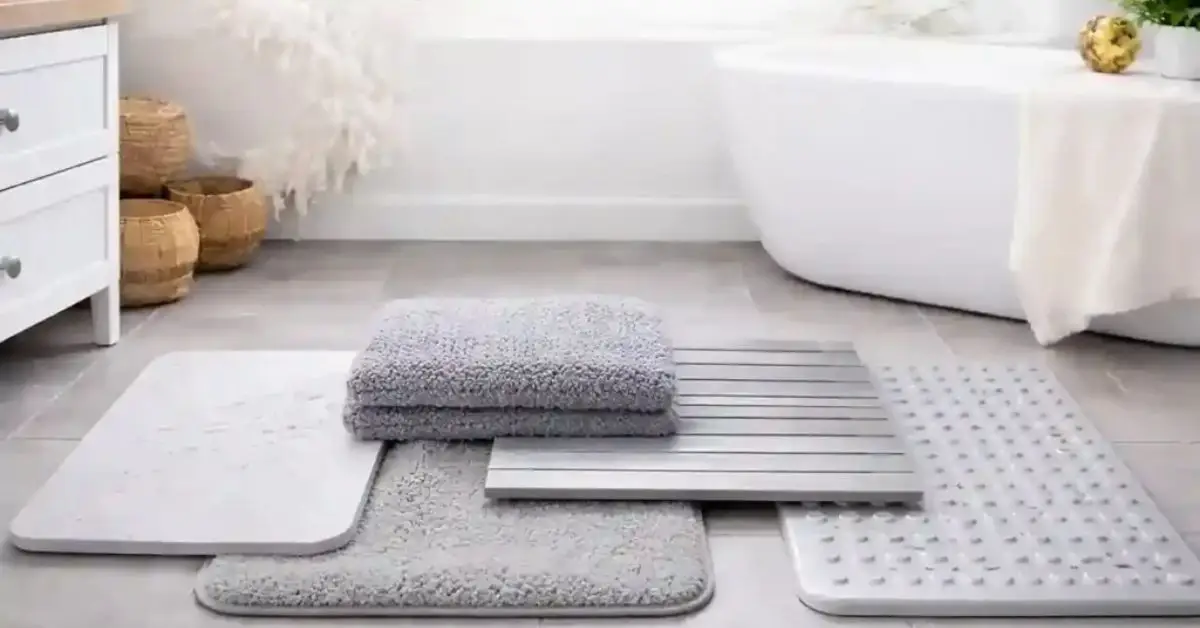
I know it’s easy to get confused about how often to clean your mat. After looking at expert recommendations, here’s a straightforward approach you can follow:
- Weekly washing: The safest baseline for most bathrooms.
- Every 3–5 days: If your bathroom is high‑traffic or poorly ventilated, this keeps things under control.
- Every 10–14 days: Works for single-person or low‑use bathrooms.
- Every 2–4 weeks: For less absorbent or rubber mats, or guest bathrooms that see minimal use.
For a practical guide on keeping your bathroom essentials clean, I like following tips from Martha Stewart on how often to clean a bath mat—her advice is simple, reliable, and easy to remember.
How Material Changes Cleaning Frequency
Most people search “how often to clean a bath mat” and expect one clear answer. But here’s what I’ve learned after years of dealing with real bathrooms: the material changes everything.
If you ignore this, you either over-wash and damage the mat—or under-wash and let bacteria build up.
Cotton & Microfiber Mats
If you’re using cotton or microfiber, you need to treat it like a towel.
These materials:
- Trap water quickly
- Hold onto dead skin and soap residue
- Stay damp longer than you think
I recommend washing them at least once a week. If your mat still feels damp hours after a shower, that’s your cue to wash it sooner.
Because they’re absorbent, bacteria can multiply fast. Weekly machine washing keeps that under control.
Memory Foam Mats
Memory foam feels great under your feet—but it’s high maintenance.
Here’s the mistake I see often: people toss it into the washing machine like a towel. That breaks down the foam over time.
Instead:
- Hand wash gently
- Use mild detergent
- Air dry completely
Do this about once a week, especially if the mat stays damp between uses.
Rubber / PVC / Quick-Dry Mats
These are more forgiving.
Since they don’t absorb much moisture, you can usually wash them every 2–3 weeks if they’re used normally.
But that doesn’t mean ignore them.
Between washes:
- Wipe them down with a mild cleaner
- Rinse occasionally
- Let them dry upright
If you want a deeper breakdown of how different materials should be cleaned, I found the care guidance from The Spruce’s bath mat cleaning guide helpful and practical.
Signs Your Bath Mat Needs Cleaning (Beyond a Calendar)
Let me ask you something.
Have you ever picked up your bath mat and thought, “It doesn’t look that bad”?
That’s usually when it needs washing.
Instead of relying only on a schedule, I pay attention to these signs:
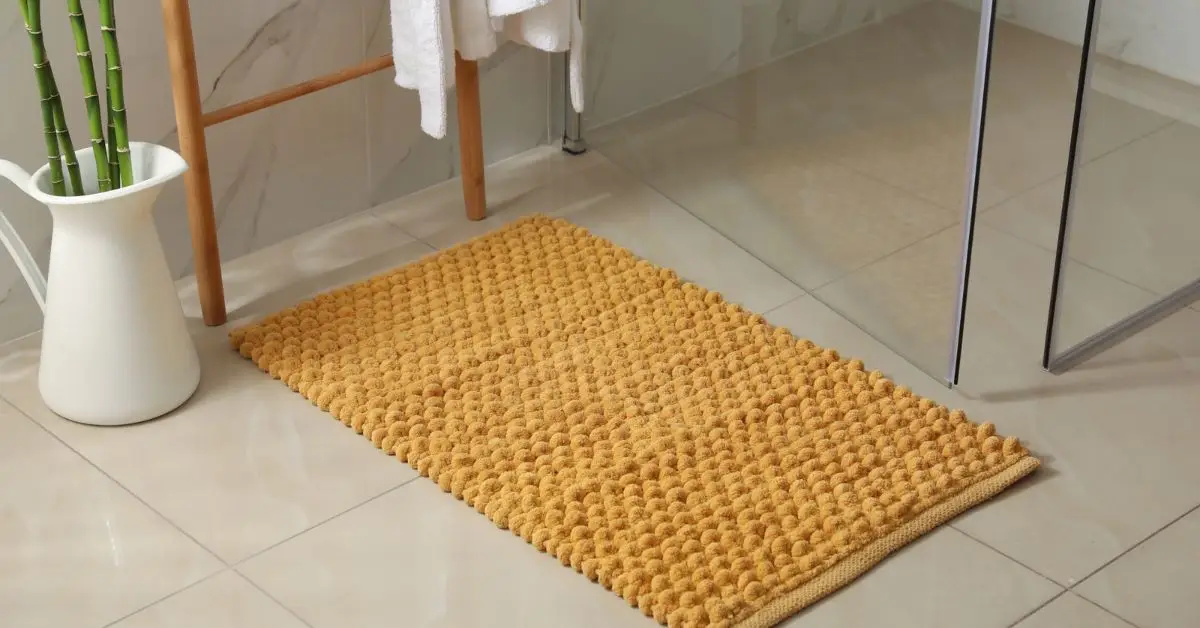
- Musty smell, even after airing it out
- Visible mildew or dark spots
- It stays damp for hours after a shower
- Sticky or slightly slimy texture under your feet
If you notice even one of these, don’t wait for “laundry day.”
Your nose and your hands are often better indicators than a calendar.
Now I’m curious—when was the last time you washed yours?
Best Cleaning Practices for Different Mats
Knowing how often to wash your bath mat is one thing.
Knowing how to wash it properly is what actually keeps it clean.
I’ve seen people wash their mats regularly… and still deal with odor and stiffness. Usually, it’s because of how they’re washing and drying them.
Let’s fix that.
Machine Washing Tips
If your mat is cotton or microfiber, the washing machine is your friend — but only if you use it correctly.
Here’s what I recommend:
- Wash it separately or with towels (never with delicate clothes)
- Use warm water, not hot
- Choose a mild detergent
- Skip fabric softener — it coats fibers and traps moisture
- Avoid heavy bleach use — it can weaken the backing over time
Fabric softener is the biggest mistake I see. It makes the mat feel soft but reduces absorbency, which means it stays damp longer.
And damp equals bacteria.
Hand Wash and Spot Clean
If you’re using memory foam or a delicate mat, slow down.
Don’t throw it in the washer and hope for the best.
Instead:
- Fill a tub with warm water
- Add mild soap
- Gently scrub with a soft brush
- Rinse thoroughly
- Press out excess water (don’t wring aggressively)
This protects the structure while still removing buildup.
Drying & Airing Techniques
This part matters more than most people realize.
Even if you don’t wash your mat every day, you should dry it properly every single time you shower.
Here’s what I personally do:
- Hang it over a rod or shower door after use
- Never leave it flat on wet tile
- Let it air dry completely before the next use
If your bathroom has poor ventilation, this step becomes non-negotiable.
Moisture is the real enemy.
For practical maintenance advice focused on preventing mold growth in bathroom mats, I’ve found this guide helpful.
Tell me — do you hang your mat after every shower, or does it usually stay on the floor?
Mistakes That Make Bath Mats Dirtier Faster
Sometimes it’s not about how often you wash your bath mat — it’s about what you’re doing in between washes.
I’ve seen clean mats turn nasty in just days because of small habits that people don’t think twice about.
Here’s what speeds up the dirt and odor cycle:
- Leaving the mat wet and bunched up: When you leave it crumpled on the floor, moisture gets trapped underneath. That’s the perfect environment for mildew. Small bathroom habits add up fast, and sometimes you don’t notice them until you step back — that’s exactly why I suggest reading 7 reasons you should take a photo of your bathroom before leaving the house.
- Washing it with heavy items like jeans or rugs: This damages fibers and weakens the rubber backing. Once the structure breaks down, it holds moisture longer.
- Ignoring the care label: Not every mat can handle hot water or aggressive spin cycles. When you wash it incorrectly, it loses absorbency and dries slower — which means more bacteria.
If you fix just these three habits, you’ll notice your mat stays fresher longer.
When to Replace Your Bath Mat
Here’s something most people don’t talk about: sometimes washing isn’t enough.
If your mat:
- Still smells after washing
- Has a cracked or peeling rubber backing
- Feels rough, flat, or permanently damp
…it might be time to replace it.
Fabric bath mats usually last about 1–2 years with regular use. After that, fibers break down and start trapping odor deep inside.
If you want lower maintenance, you can consider:
- Quick-dry rubber mats
- Stone bath mats
- Thin, fast-drying microfiber options
Replacement isn’t wasteful — it’s hygiene. A worn-out mat will never feel truly clean again.
Quick Bath Mat Cleaning Checklist (Save This)
If you like things simple, here’s the system I personally follow.
By Usage
- High-traffic bathroom → Wash every 3–5 days
- Normal household use → Wash weekly
- Guest bathroom → Every 2–4 weeks
By Material
- Cotton/microfiber → Machine wash weekly
- Memory foam → Hand wash weekly
- Rubber/PVC → Wipe regularly, wash every 2–3 weeks
After Every Shower
- Hang the mat to dry
- Don’t leave it flat on wet tile
- Check for dampness before next use
If you just follow this checklist, you’ll avoid 90% of common bath mat hygiene issues.
Additional Tips for a Fresher Bathroom
A clean bath mat won’t matter much if your bathroom stays humid all day.
Here’s what I always tell people:
- Run the exhaust fan for at least 15–20 minutes after showering
- Open a window if possible
- Wash towels and bath linens on a regular schedule
- Don’t overload your laundry routine — damp fabrics sitting around add to odor. And if clutter makes cleaning harder, especially around tight bathroom layouts, these 6 smart ways to maximize bathroom storage around a pedestal sink can make daily maintenance much easier.
Your bath mat is part of a bigger hygiene system. When the whole system works, your bathroom smells clean without artificial sprays.
Final Thoughts
Most people either ignore their bath mat completely or overcomplicate the cleaning process.
You don’t need complicated rules.
You just need awareness, a simple routine, and consistency.
Now I want to hear from you.
How often do you really wash your bath mat — and has it ever surprised you how dirty it gets?
Drop your routine in the comments. I read every response.
And if you like practical, no-fluff home improvement and cleaning advice like this, visit Build Like New for more smart, real-world guides that actually make your home better.
Disclaimer: This article is for general home hygiene guidance only. Cleaning frequency may vary based on your household size, bathroom ventilation, allergies, or specific material care instructions. Always check the manufacturer’s label before washing or replacing your bath mat.