The Monthly Baseboard Cleaning Rule Homeowners Learn Too Late
Baseboards are one of those things most of us ignore—until we don’t. One day you’re sweeping the floor, and suddenly that thin strip along the wall looks dusty, dull, and way dirtier than you expected.
I’ve noticed that baseboards fall into a strange category of home cleaning. People either forget about them completely or assume they’re supposed to be cleaned far more often than makes sense. And because the advice online is all over the place, it’s easy to feel like you’re doing it wrong either way.
The truth is, baseboards don’t need constant attention. But they also shouldn’t be treated as a once-a-year chore. The right frequency depends on how your home is used, not on a generic rule pulled from a checklist.
In this guide, I’ll walk you through what really matters when it comes to cleaning baseboards, how often they deserve attention, and how to keep them looking clean without adding another unnecessary task to your routine.
Before we go any further, think about this: when you look at your baseboards right now, are they actually dirty—or just easy to forget?
How Often You Should Clean Your Baseboards — Practical Frequency Guide
This is where most people get confused, so I want to slow this down and make it practical. I don’t follow rigid cleaning rules, and you don’t need to either. What matters isn’t chasing a perfect schedule—it’s understanding what kind of cleaning your baseboards actually need.
Once you separate light maintenance from deep cleaning, everything becomes clearer.
Light Maintenance vs Deep Cleaning
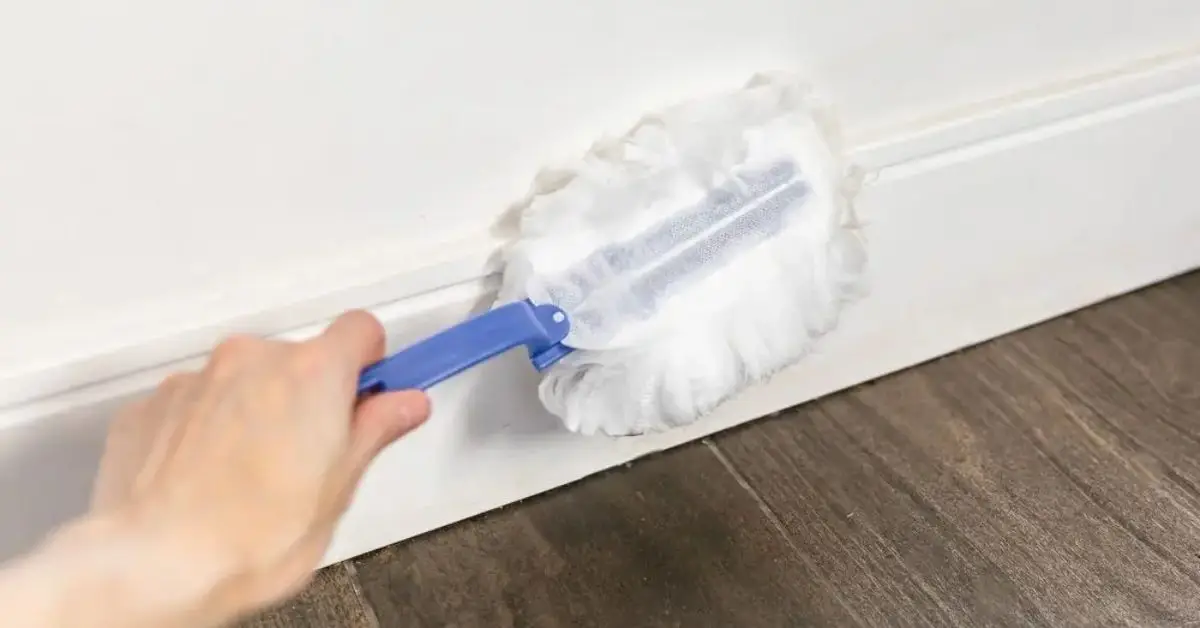
I’ve seen people avoid baseboards for months because they think cleaning them means a full scrub on hands and knees. That mindset is the real problem—not the dirt.
Here’s how I look at it, and how you can too:
Light dusting (maintenance cleaning)
- Once a week or every two weeks works for most homes
- Especially helpful if you have pets, kids, or open windows
- Can be done with a microfiber cloth or vacuum attachment
- Stops dust from turning into stuck-on grime
Monthly wipe-down
- This is the minimum that keeps baseboards from looking dull
- A slightly damp cloth removes buildup dusting can’t
- Prevents discoloration over time
As explained by HowStuffWorks, regular monthly cleaning keeps dirt from bonding to painted surfaces, which is why neglected baseboards start looking permanently gray.
Deep cleaning
- Every 3 to 6 months is enough for most homes. If deep cleaning tasks feel overwhelming in general, you might want to see how I break them down step by step—especially in this guide on deep cleaning a jetted tub without turning it into a full-day project.
- Focuses on scuffs, corners, and sticky residue
- If your baseboards still look clean up close, you can skip this
A simple way to decide:
- Dust comes off easily → maintenance
- You need pressure or cleaner → deep clean
Tailoring Frequency to Your Home
This is the part most advice misses. Baseboards don’t get dirty on a calendar—they react to how your home is lived in.
Here’s how I’d adjust based on real-life situations:
Homes with pets
- Fur and dander settle along baseboards fast
- Weekly light dusting prevents buildup
- Deep cleaning can stay seasonal
If allergies are an issue
- Baseboards trap fine dust that gets kicked up
- More frequent light cleaning matters more than heavy scrubbing
High-traffic areas (kitchen, entryways, hallways)
- These collect grime from air movement and foot traffic
- Wipe them when you clean the room instead of saving them for later
Low-use rooms
- Guest rooms or spare spaces don’t need constant care
- Quarterly cleaning is usually enough if the room stays closed
You don’t need to clean baseboards more often just because someone said so. You need a rhythm that fits how you use your space.
Be honest with yourself—are your baseboards actually dirty right now, or are they just easy to forget until someone points them out?
Pro Cleaning Hacks That Reduce How Often You Have To Scrub
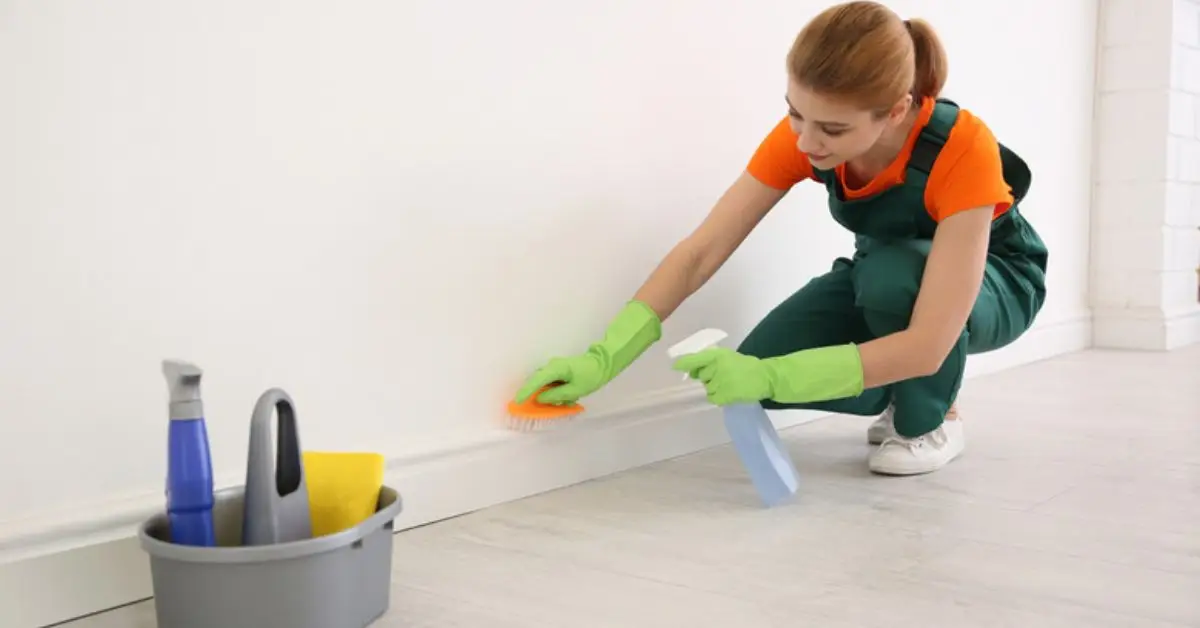
If you feel like baseboards get dirty again right after you clean them, you’re not imagining it. Dust is attracted to them, and most homes unknowingly make that worse. The good news is, a few small habits can stretch the time between deep cleans way more than people expect.
Here’s what I’ve seen actually work in real homes:
- Use dryer sheets or anti-static cloths after cleaning: I like this because it’s low effort and effective. It reduces static, which means dust doesn’t cling as fast. You’re not cleaning more—you’re preventing buildup.
- Vacuum baseboards while you’re already vacuuming floors: This is one of the easiest wins. According to Tom’s Guide, using a crevice or brush attachment regularly removes dust before it settles into paint and corners.
- Spot clean instead of waiting for “cleaning day”: A quick wipe in one area takes 30 seconds. Waiting months turns it into a chore you’ll keep avoiding.
- Pay attention to paint and finish: Glossy or semi-gloss finishes are much easier to wipe clean than flat paint. If you’re repainting, this one choice saves time for years.
If you do even one or two of these, you’ll notice baseboards staying clean longer without adding anything major to your routine.
Common Mistakes That Make Baseboards Dirtier Faster
Most people don’t clean baseboards “wrong” because they’re lazy. They do it wrong because no one explains what actually causes buildup in the first place.
These are the mistakes I see over and over:
- Waiting until baseboards look obviously dirty: By then, dust has already bonded with moisture and oils. That’s why it suddenly feels hard to clean.
- Using the wrong cleaners: Harsh products can damage paint or wood, making surfaces rough—and rough surfaces hold more dirt. The same idea applies across your home—using gentler, smarter methods instead of harsh chemicals, which is something I also focus on in these proven oven glass cleaning hacks that actually work.
- Ignoring high-traffic spots: Entryways, kitchens, and hallways get dirty faster. Treating every room the same doesn’t make sense.
- Skipping dust-repelling steps: Cleaning without prevention means the dust comes right back.
Avoiding these alone can cut your cleaning time in half.
Baseboard Cleaning Tools & Products Worth Using
You don’t need fancy gear, but the right tools make a noticeable difference. I always tell people to focus on tools that save time, not add steps. A lot of people end up avoiding baseboards simply because they’re using the wrong tools—some of which actually make cleaning harder, not easier, like the ones I called out in this list of cleaning tools pros say just add clutter.
Here’s what’s actually worth having:
- Vacuum with a crevice or brush attachment: Ideal for regular maintenance and corners without bending down.
- Microfiber cloths or extendable dusters: They trap dust instead of spreading it, which matters more than people realize.
- Simple DIY cleaner: Warm water with mild dish soap is enough for most baseboards. Store-bought cleaners aren’t always necessary.
- Room-based approach: Use quick tools in high-traffic areas and save deeper tools for occasional cleans.
The goal isn’t to own more supplies—it’s to make baseboard cleaning feel like part of normal floor care, not a separate project.
Let me ask you something honestly: which of these mistakes or habits sounds most like what’s happening in your home right now?
Seasonal Cleaning Checklist (When to Do Deeper Cleans)
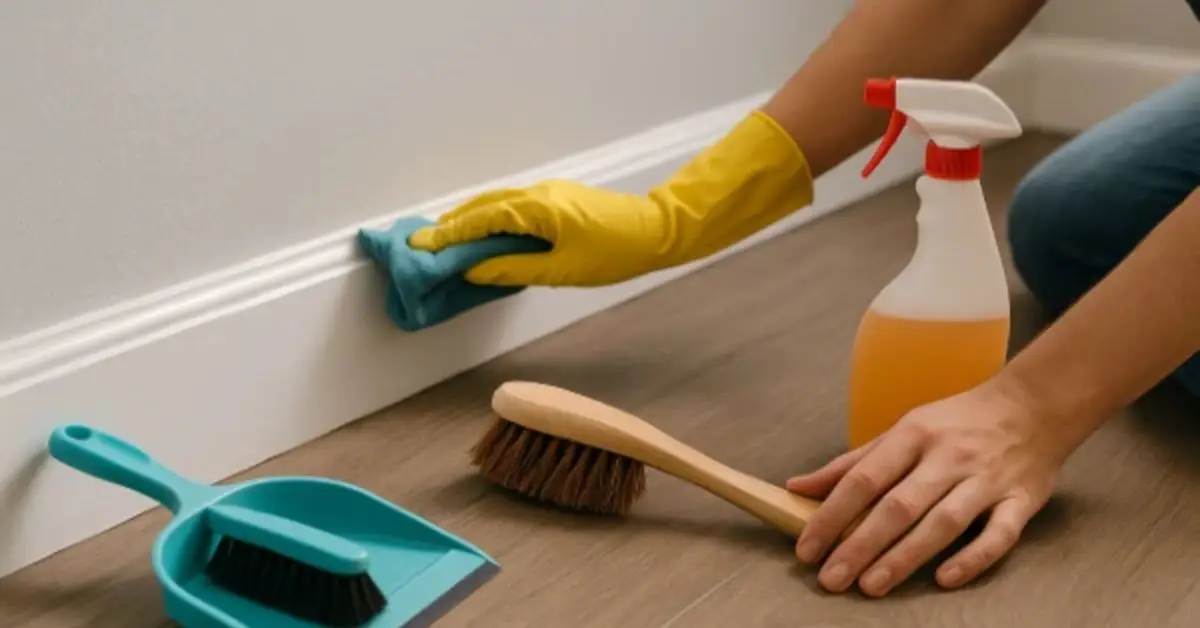
One thing I always recommend is tying baseboard cleaning to seasons, not random motivation. When it’s part of an existing routine, it stops feeling like an extra chore and starts happening naturally.
Here’s how I align deeper baseboard cleaning with the year.
Spring cleaning
- This is the best time for a true deep clean
- Winter dust, closed windows, and indoor heating leave buildup behind
- Clean baseboards while you’re already doing floors and windows
Spring routines recommended by Southern Living often include baseboards for this exact reason—they collect months of hidden dust during colder seasons.
Holiday prep
- Before guests arrive, baseboards suddenly become noticeable
- A quick wipe-down is usually enough if you’ve kept up lightly
- Focus on living rooms, hallways, and bathrooms
This isn’t about perfection—it’s about not being distracted by details when company’s over.
Allergy season
- Dust and allergens settle low, right where baseboards sit
- Light cleaning more often matters more than heavy scrubbing
- Pair baseboards with air filter changes and vacuuming
When you connect baseboard care to seasons instead of guilt, it becomes predictable and manageable.
Think about your year for a second—what season would make the most sense for you to reset your baseboards and not think about them again for months?
When Cleaning Baseboards Actually Matters Most
I’m not here to tell you every baseboard deserves the same attention. They don’t. Some situations matter more than others, and knowing when it actually matters helps you prioritize without guilt.
Here’s when I’d pay closer attention—and why you might want to as well:
- Allergy reduction: Baseboards sit right where dust settles. If allergies flare up at home, keeping them cleaner can genuinely help reduce what’s floating back into the air.
- Indoor air quality: Dust along baseboards doesn’t stay put. Every time you walk by, vacuum, or open a window, it gets disturbed. Cleaner edges mean less dust cycling through your space.
- Aesthetics and resale value: You might not notice baseboards daily, but buyers and guests do. Clean baseboards make a home feel cared for—even if nothing else has changed.
- Protecting the baseboards themselves: Dirt mixed with moisture slowly breaks down paint and finish. Light, regular cleaning helps them last longer without touch-ups.
This isn’t about doing more. It’s about knowing where effort actually pays off.
What Happens If You Don’t Clean Them Often
Nothing terrible happens overnight—but small neglect adds up in ways most people don’t expect. I’ve seen this pattern repeat in a lot of homes.
Here’s what usually shows up over time:
- Dust and allergen buildup: What starts as light dust eventually becomes compacted grime that’s harder to remove.
- Visible discoloration: Baseboards begin to look gray or yellow, even after cleaning, because dirt has bonded to the surface.
- Gradual paint damage: Scrubbing too late often means scrubbing harder—and that wears down paint faster than regular light care.
This is why timing matters more than intensity. Cleaning a little earlier saves a lot of effort later.
If this article helped you rethink how you handle baseboards, drop a comment below and tell me what surprised you most—or what you’ve been doing differently until now.
And if you want more realistic home care advice that actually fits real life, visit Build Like New. That’s where I share practical guides to help your home feel fresh without overcomplicating things.
Disclaimer: Cleaning frequency can vary based on your home’s layout, lifestyle, pets, and health needs. Use these guidelines as a practical reference, not a strict rulebook, and adjust based on what you actually see and experience in your own space.