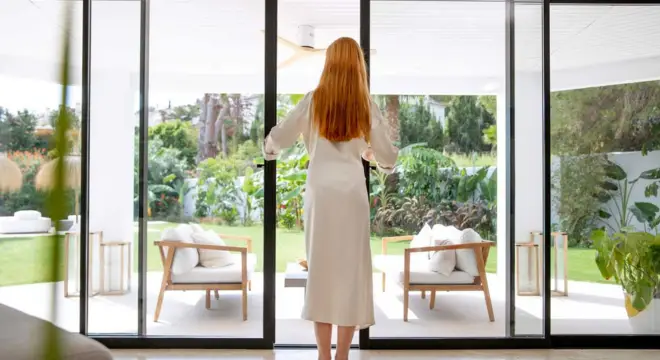
6 Reasons Your House Looks Fine but Doesn’t Feel Right
I’ve walked into a lot of homes that looked perfect on the surface — clean floors, nice furniture, everything in its place — and still felt uncomfortable within minutes. And more often than not, the homeowner felt it too. They just couldn’t explain why.
If your home doesn’t feel relaxing, welcoming, or easy to live in, that’s not a personal failure and it’s not in your head. Comfort isn’t only about cleanliness or decor. It’s about how your space supports your habits, your moods, and your daily life — especially when no one’s watching.
What I see most people miss are the small, quiet mistakes that slowly drain comfort out of a home. They don’t stand out. You adjust to them over time. But your body doesn’t. That’s why a place can look “fine” and still make you feel restless, distracted, or slightly on edge.
In this piece, I’ll break down six common mistakes that make a home feel uncomfortable without you realizing it. As you read, don’t think about how your home looks. Think about how it feels to actually live there — and notice which one hits a little too close to home.
1. The Emotional Disconnect Between You and Your Space
I’ve learned this the hard way: a home can look put-together and still not feel like yours. And when that happens, comfort is usually the first thing to disappear.
If your space doesn’t reflect who you are or how you live, your brain picks up on that mismatch fast. You may not consciously think, “this doesn’t feel like me,” but your body reacts anyway — restlessness, irritation, or a constant urge to change something without knowing what.
This emotional gap builds quietly. Over time, your home stops feeling like a place to land and starts feeling like somewhere you’re just passing through.
Common signs of emotional disconnect I see often:
- You don’t feel relaxed even when everything is “done”
- You avoid certain rooms without a clear reason
- Your home looks nice but doesn’t feel personal
- You feel better outside than inside your own space
Why interiors that don’t reflect identity feel unsettling
When your home is shaped by trends, other people’s tastes, or old decisions you’ve outgrown, it creates friction. You’re living in a space that represents someone you used to be — not who you are now.
That friction shows up as discomfort. Not dramatic — just constant and draining.
As discussed on YourTango, when your environment stops aligning with your emotional needs, it can trigger the same unease you feel in places that don’t feel like home.
How past experiences shape emotional comfort
This part gets overlooked a lot.
If your home holds unresolved memories — stress, conflict, loss, or even burnout — those emotions don’t vanish just because time passes. They settle into routines, rooms, and habits.
You might notice:
- Certain spaces feel heavy or tense
- You’re more anxious at home than you expect to be
- Relaxation feels forced instead of natural
Comfort isn’t just about fixing the space. Sometimes it’s about noticing what the space has been carrying with you.
2. Visual and Physical Clutter That Creates Cognitive Stress
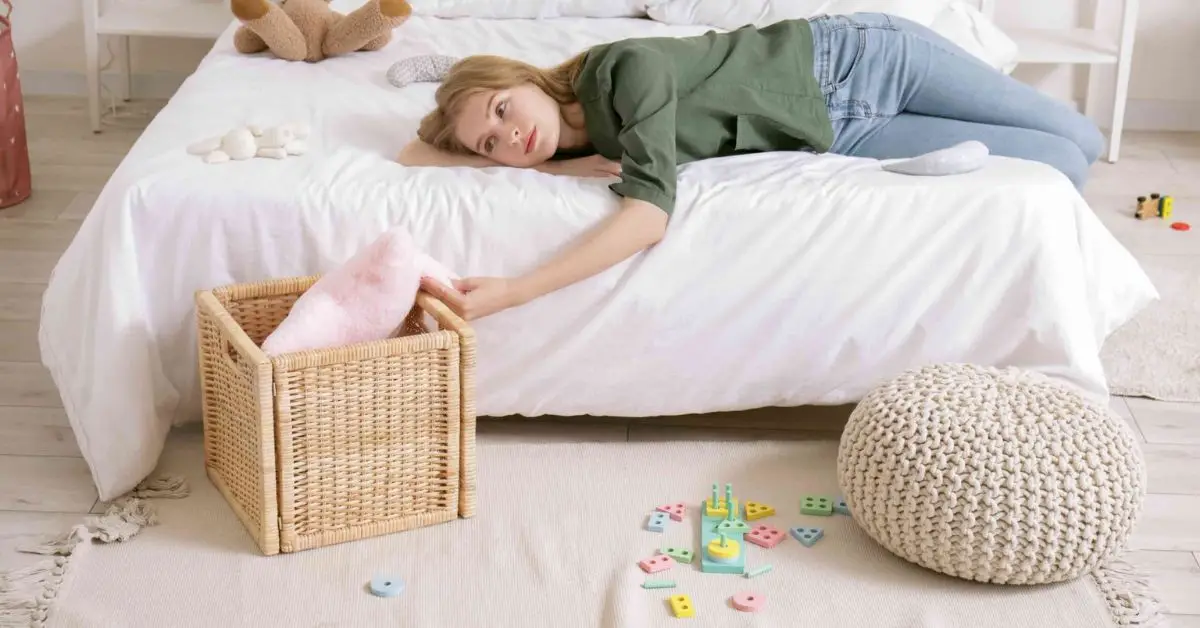
I used to think clutter was just an aesthetic problem. It’s not.
Clutter keeps your brain “on” even when you want to rest. Every object competes for attention, even if you’re not aware of it. That low-level mental noise makes it hard to feel calm in your own home.
If you’ve ever cleaned a room and felt an immediate sense of relief, that wasn’t a coincidence — that was your nervous system exhaling.
Clutter usually shows up as:
- Flat surfaces that never stay clear
- Storage that’s hard to access, so things pile up
- Items you don’t love but haven’t let go of
- Visual chaos that makes rooms feel smaller and louder
The neuroscience of clutter and stress
Trusted lifestyle experts at Real Simple explain how clutter increases cognitive load — essentially forcing your brain to work harder just by being in the room.
Simple decluttering habits for lasting comfort
I’m not talking about extreme minimalism. I’m talking about intentional calm.
Start small:
- Clear one surface completely
- Keep only items you actively use or love
- Make storage easy, not hidden chaos
- Reset one room daily instead of deep-cleaning weekly
Comfort grows when your space asks less of your attention.
3. Poor Lighting That Kills Ambience and Comfort
Lighting is one of the fastest ways to make a home feel uncomfortable — and one of the most ignored.
I’ve been in homes with great furniture and terrible lighting, and the result is always the same: the space feels flat, harsh, or strangely tiring.
If your home relies on one bright overhead light, your body never fully relaxes. It stays alert, even at night.
Lighting problems usually look like:
- Rooms that feel harsh after sunset
- Shadows in places you want to relax
- Spaces that feel cold or sterile
- Eye strain or headaches at home
The difference between harsh and inviting lighting
Inviting homes don’t rely on one light source. They layer light.
That usually means:
- Soft ambient light for the room
- Task lighting where you work or read
- Accent lighting for warmth and depth
Even small changes — a lamp, warmer bulbs, or dimmers — can shift how a room feels within minutes.
How lighting affects mood and perception
Lighting affects your circadian rhythm, which controls sleep, energy, and mood. When your lighting doesn’t match the time of day or your activity, your body stays confused.
That confusion often feels like discomfort, fatigue, or restlessness — even when everything else in your home is “fine.”
As explained by Life in Velvet, thoughtful lighting makes rooms feel more inviting and emotionally warm — a key part of genuine comfort.
4. Layout and Furniture Choices That Interrupt Flow
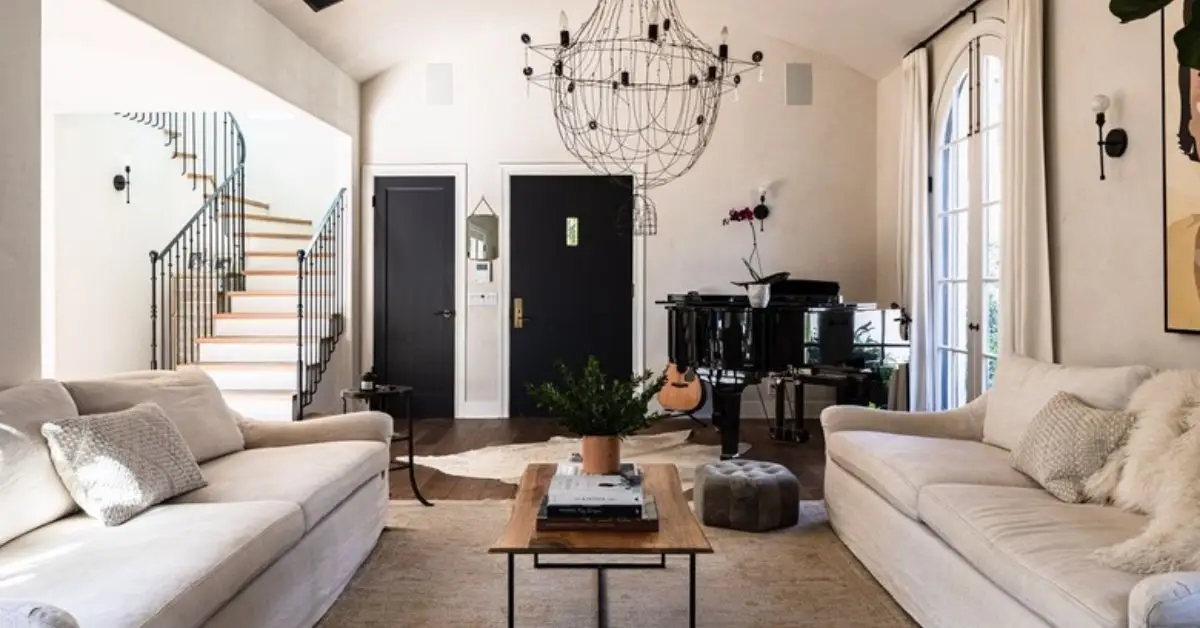
I’ve seen this again and again: a room can be beautifully decorated and still feel awkward to sit in or move through. That usually comes down to layout, not style.
When furniture placement doesn’t support how you actually live, your body feels the friction before your mind does. You hesitate. You adjust. You never fully settle in.
Layout isn’t about symmetry or filling space. It’s about ease. That same sense of ease matters long-term too, because layouts that feel comfortable to live in are often the same ones buyers respond to, as explained in the top home feature that gets buyers to say yes.
Signs your layout may be working against comfort:
- You have to walk around furniture instead of through the room
- Seating feels disconnected or too far apart
- Rooms feel crowded but still not cozy
- You avoid using certain areas for no clear reason
Why furniture pushed against walls can make rooms feel uninviting
Pushing everything to the walls seems logical, but it often creates empty centers and awkward edges. Instead of inviting conversation or relaxation, the room feels like a waiting area.
When furniture is placed with intention — even slightly pulled inward — it creates natural zones. Your brain reads those zones as places to pause, sit, and stay.
Comfort improves when movement feels intuitive, not forced.
The psychology of room purpose and comfort
Every room sends a signal. If that signal is unclear, your body stays alert.
A space that doesn’t clearly say “this is where you relax” or “this is where you gather” creates low-level tension. You’re never quite sure how to use it, so you don’t fully relax in it.
Clear purpose doesn’t limit a room. It frees it.
5. Sensory Overload — Smells, Sounds, and Texture Clashes
Comfort isn’t just something you see. It’s something you sense.
I’ve been in homes that looked calm but felt exhausting — too noisy, too echoey, too cold, or carrying smells that never quite went away. Even subtle sensory issues can keep a home from feeling comfortable.
Your senses are always on. When they’re overstimulated, your space never feels restful.
Common sensory stressors at home:
- Lingering cooking or pet smells
- Echoes or constant background noise
- Rooms that feel drafty or too cold
- Textures that feel harsh instead of soft
How poor acoustics or unpleasant smells impact comfort
Sound and smell go straight to the emotional part of the brain. That’s why certain noises make you tense and certain smells instantly bother you.
If your home is loud, echo-heavy, or carries unpleasant odors, your nervous system stays alert — even when you’re trying to relax.
Small changes here can create big relief.
Textures, temperature, and how they contribute to coziness
Hard surfaces everywhere may look modern, but they often feel cold and uninviting.
Comfort grows when you balance things out:
- Soft fabrics where you rest
- Warm materials you naturally touch
- Temperature that feels steady, not extreme
When your body feels physically at ease, your mind follows. Temperature plays a bigger role than most people realize, and even something as simple as maintaining the ideal humidity level for a healthy and comfortable home can make a space feel noticeably calmer.
6. A House That Looks Good Online But Feels Wrong in Real Life
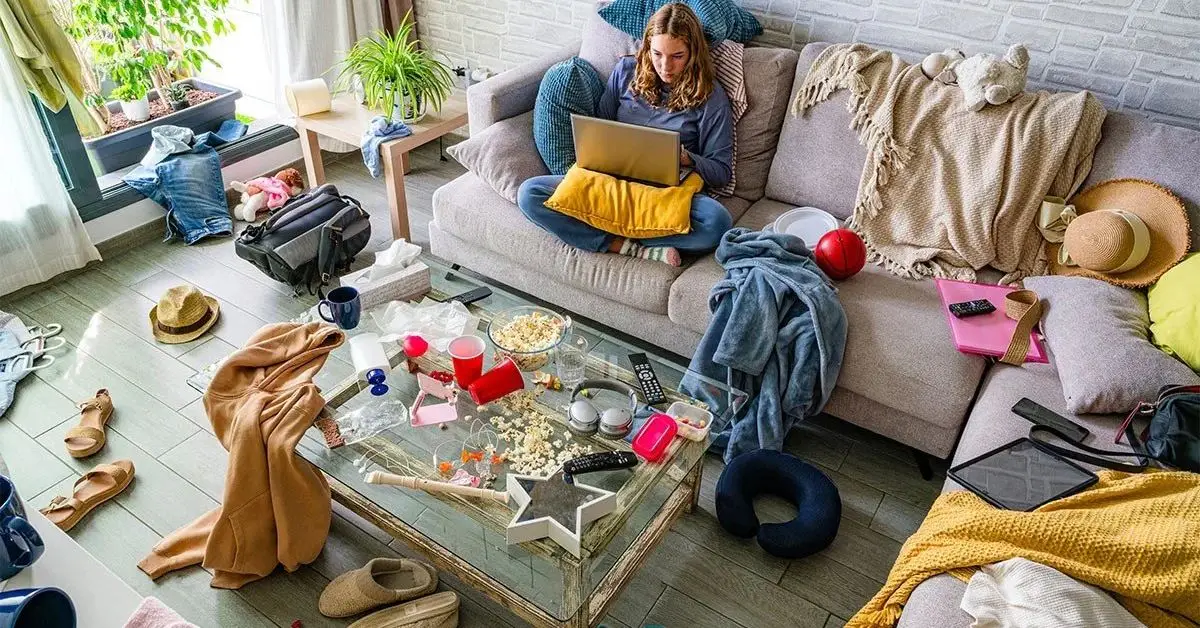
This is one of the biggest comfort killers I see.
Homes designed to look good in photos often ignore how people actually live. They’re styled, not lived in — and that difference matters more than we realize.
When a space prioritizes appearance over function, it starts to feel stiff. You become careful instead of comfortable.
Signs your home may be styled over lived-in:
- Furniture that looks nice but isn’t comfortable
- Rooms that feel “too precious” to use
- Decor you’re afraid to move or touch
- Spaces that feel better in pictures than in person
The pitfalls of staged or “Instagram-ready” interiors
Copying trends without adapting them to your life creates distance. The home stops serving you, and you start serving the home.
That shift quietly drains comfort.
A space shouldn’t feel like a showroom. It should feel like a place where life is allowed to happen. The most comfortable homes take inspiration from places designed for rest and ease, which is exactly what creating a luxury hotel feel in your own home focuses on.
How to balance aesthetics with genuine livability
The fix isn’t to give up on design. It’s to let comfort lead.
Ask yourself:
- Can I actually relax here?
- Does this support my daily habits?
- Would I choose comfort over appearance in this spot?
When a home works for you first, it naturally starts to feel better — no filter needed.
Quick Comfort Checklist Before You Start
Before you try to fix anything, pause and assess. This quick checklist helps you spot where comfort may be leaking out of your home.
Ask yourself honestly:
- Does my home reflect who I am right now?
- Do I have more than one type of lighting in most rooms?
- Do flat surfaces feel calm or constantly cluttered?
- Can I move easily through each room without adjusting?
- Are there smells, sounds, drafts, or textures that quietly bother me?
- Do I feel emotionally at ease when I’m home alone?
You don’t need to check every box. Even one weak area can affect how your home feels overall.
Why Comfort Is More Than Decor
A comfortable home isn’t about having the right furniture, the right colors, or the latest trends. It’s about alignment — between your space, your habits, and your emotional needs.
When your home supports how you live instead of working against you, comfort becomes natural. You don’t have to force relaxation. It just happens.
If any part of this article made you stop and think, I’d love to hear it.
Which section felt the most familiar to you — or which room in your home feels the least comfortable right now? Drop your thoughts in the comments.
And if you want more practical, no-fluff guidance on building and improving spaces that actually feel good to live in, explore more resources on Build Like New.
Disclaimer: This article is for general informational purposes only and reflects personal experience, research, and commonly shared insights. It is not intended as professional design, mental health, or medical advice. Individual experiences may vary, and readers should make changes based on their own needs and circumstances.