You Won’t Believe What This $1 Mansion in Michigan Looks Like Now
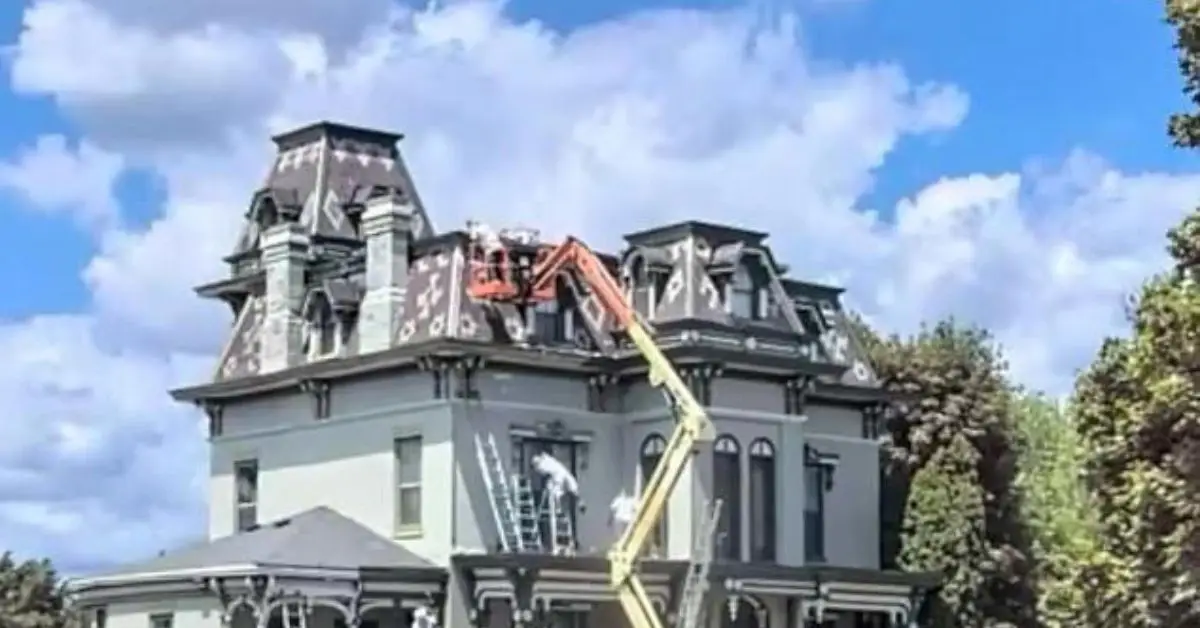
I still remember the first time I walked past the Gilbert Mansion in Ypsilanti. From the outside, it looked like a relic on the verge of collapse—boarded-up windows, peeling paint, sagging eaves. Most people saw nothing but a $1 white elephant, a lost cause waiting for the wrecking ball. But I saw opportunity. The story of how this 1861 Second Empire mansion went from abandoned disaster to a thriving, income-producing property isn’t just about bricks and mortar—it’s about patience, vision, and knowing how to spot potential where others see ruin.
If you’ve ever wondered how someone can take a neglected property and turn it into real value, this is exactly the kind of transformation that proves it’s possible. And yes, the details are real: the mansion was bought for just a dollar, gutted, restored, and now generates seven luxury apartments with steady rent. In this piece, I want to take you through every step of that journey—not just to inspire, but to give you practical insights if you’re thinking about tackling a project of your own.
Recognizing Opportunity in a Neglected Property
When I first laid eyes on the Gilbert Mansion, most people saw nothing but a crumbling, overpriced disaster. I saw a story waiting to be told—and a property with hidden potential. If you want to spot opportunities like this yourself, it starts with looking beyond the surface.
First, location matters. The mansion sat just two blocks from Depot Town, a historic neighborhood that had long been a hub of activity. Even though the building itself was falling apart, the neighborhood had strong bones. That’s often the first clue: an abandoned house in a thriving area is worth a second look.
While location is critical for spotting potential, it’s also worth considering local safety and community trends—similar to how stories like this Elizabeth City home incident show that understanding neighborhood dynamics can prevent costly surprises.
Next, consider historic value. Older homes, especially those with unique architectural features, often carry a kind of built-in appeal that modern construction can’t match. But that appeal comes with responsibility—you’ll need to respect local zoning and historical preservation rules to make your plans work. I’ve seen too many people walk away from a property simply because they underestimated these factors.
Finally, weigh the potential versus risk. A lot of properties look tempting until you dig into costs and restrictions. Learning to tell a “hidden gem” from a “white elephant” is a skill you develop over time—but it’s one that separates successful renovators from those who get burned.
Research & Due Diligence – The Foundation of Smart Renovation
Once I decided the Gilbert Mansion was worth saving, the next step was research. I spent hours studying its architectural style, uncovering who had lived there, and even tracing the cultural significance of features like the Pewabic tile fireplace. Understanding the story behind a home doesn’t just make your project more authentic—it also informs smart investment decisions.
I also inspected every inch of the property. From the slate roof to the hardwood floors, I had to know what could be preserved and what would need a full rebuild. Checking mechanical systems, structural integrity, and hidden issues early saved me months of surprises—and thousands of dollars.
Budgeting realistically is equally important. Before you ever swing a hammer, figure out what your total costs might be, and leave a cushion for unexpected repairs. As one real estate professional wisely tweeted: “Before you invest in a historic property, spend 30% more time on research than you do on the renovation itself.” That mindset guided every decision I made with the mansion.
For anyone starting out, resources like Realtor.com’s feature on the Gilbert Mansion provide valuable insight into both the neighborhood and the history, giving you a credible reference point for evaluating your own potential projects.
Strategic Planning – Turning Vision into Reality
Once I knew the Gilbert Mansion was worth the effort, I realized that vision alone wouldn’t make it profitable. You have to plan strategically. The first step is deciding how to convert the space. For me, apartments made the most sense—they fit the neighborhood demand and offered steady rental income. But depending on your property, a bed-and-breakfast or mixed-use development could be more profitable. The key is matching the property’s potential with market demand.
Next comes the balance between preservation and modernization. I wanted to keep the hardwood floors, the rare Pewabic tile fireplace, and of course the defining mansard roof. But every other element needed a modern touch—updated kitchens, reliable mechanicals, and safe electrical systems. Choosing what to preserve isn’t just about aesthetics; it’s about adding long-term value that tenants or buyers will appreciate.
Finally, hiring the right team is crucial. I worked only with contractors who had experience in historic properties—they understood the nuances of period architecture and knew how to modernize without destroying the building’s character. Many guides overlook this step, but in my experience, the wrong contractor can turn months of planning into a nightmare.
For anyone trying to visualize how to approach a project like this, resources like Crain’s Detroit Business coverage of historic renovations give concrete examples of what a thoughtfully planned restoration looks like in practice.
Execution – Renovation Challenges and Solutions
Once the planning was set, the real work began. Stripping the Gilbert Mansion down to the studs was brutal, but it was the only way to preserve the key features that gave the home its charm. Preserving the hardwood floors and the Pewabic fireplace while modernizing everything else required careful sequencing and constant problem-solving.

Upgrading plumbing, electrical, and HVAC systems in a 19th-century structure is never straightforward. You’ll encounter surprises: hidden damage, structural quirks, or even rumors that spark curiosity—like the supposed Underground Railroad tunnel I spent weeks searching for. While we never found it, the exploration added layers of storytelling to the project, something I’ve learned readers and tenants notice more than you might expect.
Timeline management is another critical factor. The mansion took 14 months from start to finish. Keeping a schedule while maintaining quality meant making tough choices daily—sometimes slowing down to ensure preservation, sometimes speeding up to stay on budget.
Visual proof of your work also matters. People want to see what’s real, and nothing convinces them more than an honest, visual journey of transformation.
View this post on Instagram
Along the way, I also share quick renovation insights and behind-the-scenes tips through a WhatsApp channel, where you can get practical advice while planning your own projects.
Financing & Profitability
When I first bought the Gilbert Mansion for just $1, it felt almost too good to be true. But that low acquisition cost was more than a bargain—it was a strategic advantage. Starting with such minimal investment gave me the flexibility to pour resources into restoring the property without over-leveraging myself.
Once the renovations were complete, the rental income became the real story. Each of the seven units brought in between $1,050 and $1,575 per month, and for years, we had zero vacancies. The combination of location, quality of renovation, and careful tenant selection made the property a reliable income source.
Calculating ROI isn’t just about rent. I also considered historical tax credits and other local incentives for preserving historic structures. These incentives can significantly reduce costs and improve your bottom line, but they require diligence to understand and apply. Many guides online skip over these details, but knowing the numbers before you start is what separates a profitable investment from a costly mistake.
When planning rental income, it’s important to evaluate not just the property itself but also the surrounding area—factors like security and tenant safety can influence occupancy, as seen in cases like this Piedmont home incident.
Tips from Successful Investors
Looking back on the Gilbert Mansion project, patience was my greatest ally. Deals like this don’t appear overnight—you have to search, bid, and wait for the right opportunity. I learned early to detach emotionally from the property; falling in love with a house before understanding the costs can lead to poor decisions.
Building a track record also matters. The mansion wasn’t my first restoration. I started with smaller homes nearby, learning the nuances of structural repair, tenant management, and historic preservation along the way. That experience gave me credibility when approaching the city and contractors for larger projects.
A lot of investors overlook mindset, but I can’t stress it enough. Strategic patience, thorough research, and a focus on real numbers over romantic ideas about a property are what keep a project both feasible and profitable.
Inspiration and Next Steps

After working on the Gilbert Mansion, I realized that taking on historic properties doesn’t always mean jumping straight into a massive project. You can start small. Look for local abandoned homes that need light to moderate work, or properties in up-and-coming neighborhoods. Even a single-unit renovation teaches you how to assess structural issues, manage contractors, and navigate permits.
Tap into local resources. Historical societies often have listings of properties with preservation potential. Real estate auctions can uncover hidden gems, and many municipalities offer grants or tax incentives for restoring historic structures. I’ve seen first-time renovators turn small, overlooked properties into profitable rentals, building the experience and confidence needed for bigger projects.
Seeing other success stories helps too. Beyond Gilbert Mansion, there are dozens of historic homes in Michigan and across the U.S. that investors have revitalized into income-generating properties. Social media and community pages often share before-and-after stories that can inspire and teach practical lessons.
Before jumping into your first renovation, I always recommend getting familiar with the local community—news like this Lower Windsor Township case reminds us why understanding your area is just as important as evaluating the property itself.
Common Pitfalls to Avoid
Even with careful planning, mistakes happen. One of the biggest traps is overpaying for a “dream fixer-upper” without fully understanding the costs. Hidden issues—like roofing, asbestos, or failing mechanicals—can quickly balloon your budget.
Another common misstep is skipping legal or historic compliance checks. Renovating a historic home without the right permits or ignoring preservation rules can lead to fines or force you to undo expensive work. My advice: research, plan, and don’t rush into deals without fully understanding the obligations and potential costs.
Conclusion
Restoring an abandoned home into a valuable, income-generating property is challenging—but it’s also deeply rewarding. The key is seeing opportunity where others see decay, doing your homework, and balancing preservation with modern functionality.
I’d love to hear from you: Have you ever considered taking on a historic property, or do you already have a renovation story to share? Drop your thoughts in the comments below. And if you want more practical tips and step-by-step guides on turning neglected homes into profitable investments, visit Build Like New—your go-to resource for learning, planning, and executing real estate transformations with confidence.
If you want more tips, before-and-after inspiration, and exclusive updates on historic renovations, follow me on X and join our Facebook community where we share real-life renovation wins and lessons learned.
Disclaimer: The information in this article is for educational and informational purposes only. It does not constitute financial, legal, or investment advice. Always conduct your own research and consult professionals before making property or renovation decisions.