Police Respond After Woman Assaulted in Piedmont Break‑In
I still remember reading about the Piedmont home invasion, and it made my heart sink. Imagine waking up in your own bedroom and finding two strangers demanding cash while you’re still groggy from sleep. That’s exactly what happened just before 12:30 a.m. on Scenic Avenue, according to the Piedmont Police Department.
The woman in the house was assaulted when she couldn’t comply, and though another resident interrupted the intruders, the ordeal left a stark reminder: home invasions can happen anywhere, even in quiet, seemingly safe neighborhoods.
What struck me most is how fast this all unfolded. The suspects ransacked the home and were gone before police could arrive, though investigators were able to track one vehicle with Flock Safety cameras. As I followed the updates, I realized this isn’t just a story about a crime—it’s a wake-up call about awareness, preparedness, and the realities of home security in our own backyards.
Crime in Piedmont
When I looked into the recent crime trends in Piedmont, I was surprised by the numbers. Robberies are actually down 16.7% and assaults have fallen 23.5% compared with the five-year average from 2019 to 2024. But burglaries? They jumped 44.8% in the same period, according to the Piedmont Police Department’s 2025 report. That’s a big spike, and it immediately makes you think about what steps you might need to take to protect your home.
You might be wondering how unusual a home invasion like this really is. Compared with the broader Bay Area, these incidents are still relatively rare, but they aren’t impossible. Looking at FBI crime statistics shows that even in safer cities, residential burglaries and robberies happen more often than most residents realize.
Understanding these trends helps you see whether this is an isolated event or part of a larger pattern—and it also reminds me, and you, that being vigilant matters. Similar terrifying situations have been reported elsewhere, like when Alex Iwobi escaped a home invasion in Nigeria, reminding us that no home is ever completely immune.
Suspects & Investigation Updates

From what police have shared, two men were involved in the break-in. One of their vehicles was tracked using Flock Safety cameras, but there haven’t been any arrests yet. The motive seems straightforward: robbery for cash. Thinking about it, it’s chilling how quickly these things can happen and how little time there is to react if you’re in the house.
I’ve been following how the investigation is unfolding, and it’s a reminder that the police rely heavily on community tips and technology. They’re reviewing camera footage, gathering witness statements, and collecting forensic evidence. If you happen to know anything—or even notice suspicious activity in your neighborhood—calling the Piedmont Police at 510-420-3000 could be the difference between catching these suspects and letting them slip away.
Cases like this highlight the importance of swift law enforcement response and community vigilance—just as in the Merlin home invasion that led to four arrests, and the North Haven incident where a Connecticut man was apprehended, timely reporting and evidence sharing can make a real difference. It’s moments like these that make me realize how connected we all are when it comes to neighborhood safety.
Safety Guidance for Residents
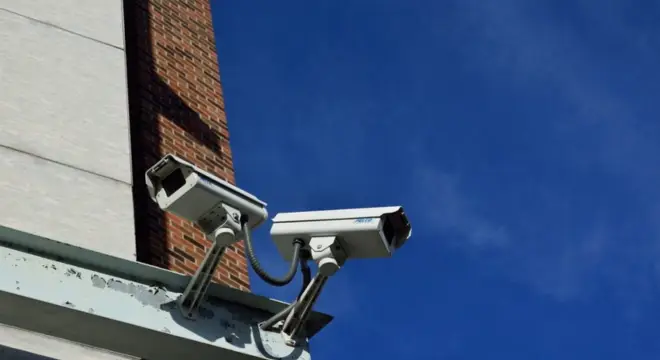
I don’t want you to feel helpless reading about this. There are practical steps you can take to make your home much safer. Start with the basics: lock every door and window, use bright exterior lighting, and consider installing cameras and alarms. Even simple upgrades can make a huge difference. Visible security measures alone can deter would-be intruders—you’d be surprised how often just having a camera or motion sensor light keeps criminals away.
Now, imagine being in a situation like the Piedmont incident. Staying calm is crucial. Avoid confrontation if you can, and call 911 immediately.
Community & Social Impact
I also wanted to understand how the neighborhood felt about this. Residents on local Nextdoor groups shared a mix of shock, anger, and worry. It’s one thing to read about a crime, and another to feel its emotional ripple through a community. You start thinking about your own family and your neighbors, and it can hit hard.
Some residents even share real-time updates and safety tips in neighborhood WhatsApp channels, which can give a quick perspective on what’s happening in your area and how others are staying alert.
And the impact doesn’t stop at fear. Experiencing or even hearing about a home invasion can create lasting trauma and anxiety. Experts from Psychology Today explain that these feelings are normal and coping mechanisms—like talking about it, establishing routines, and planning safety—can help regain a sense of control. I’ve learned that acknowledging the emotional side of crime is just as important as taking physical precautions; it’s how you protect your peace of mind while staying safe.
Legal Implications and Law Enforcement’s Role
Talking about crime can be uncomfortable, but it’s important you understand what’s at stake. In California, entering a home to steal cash could lead to robbery, assault, and burglary charges—each carrying serious penalties.
Robbery and assault can mean state prison time, especially if force or threats were involved. Burglary on its own is also a felony that stays on your record. When I read SFGate’s report on the Piedmont home invasion, it really highlighted how quickly a break‑in can escalate into multiple serious criminal charges.
But what really matters isn’t just the punishment; it’s how law enforcement and residents work together. Police often stress that community vigilance is a force multiplier—reporting suspicious behavior, sharing video footage from doorbell cameras, and even talking to neighbors about patterns you’ve noticed can make your entire block safer.
Prevention & Future Measures
Reading about this incident made me think hard about how we can all prepare for the unexpected. One thing that stood out is the role of technology and neighborhood efforts. Tools like Flock Safety cameras, neighborhood watch programs, and smart home devices aren’t just buzzwords—they’re practical tools that can deter criminals and help police track suspects. In many communities, residents who share camera footage with each other have helped solve cases faster than waiting for physical patrols alone.
Preparation doesn’t stop at gadgets. You also need to think about what happens after an emergency. Have a list of emergency contacts programmed into your phone and posted on your fridge. Review your homeowner’s insurance to understand what it covers in a break‑in scenario. Create a simple family safety plan so everyone knows what to do if something happens at night or when you’re not home.
Looking Ahead: Staying Safe and Informed
Reading about what happened in Piedmont made me realize something important: home invasions are frightening, but being prepared can make all the difference. From locking doors and installing cameras to understanding crime trends and legal consequences, every small step counts. It’s not just about protecting your property—it’s about protecting your peace of mind.
I’d love to hear from you. Have you ever taken steps to improve your home security, or do you have tips from your own neighborhood experiences? Share your thoughts in the comments below—it helps all of us stay more aware and prepared.
And if you want more practical advice on building, upgrading, or securing your home, check out Build Like New. We focus on smart solutions that make your space safer, smarter, and more comfortable for you and your family. Don’t wait for an incident to remind you—it’s easier to prepare today than recover tomorrow.
For more updates and safety insights, you can also check our X updates here or join our Facebook community here to stay informed and connected.
Disclaimer: This article is for informational purposes only and is based on publicly available sources. It does not constitute legal or professional advice. Readers should verify details independently and consult appropriate authorities for personal safety or legal concerns.