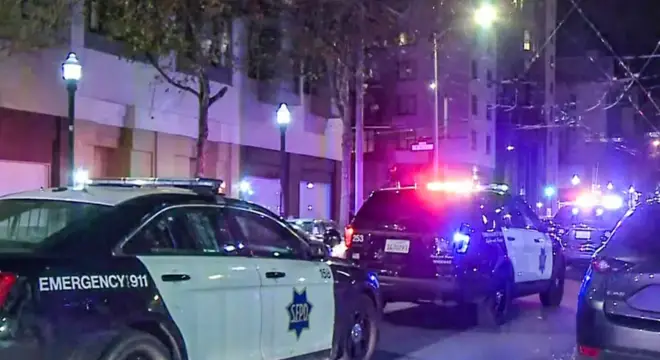
NYC House Explosion Throws Police Officers Into the Air
I’ve seen many breaking news reports, but this one stands out for how quickly things turned dangerous.
Early Thursday morning in Queens, New York City police officers were responding to what seemed like a routine emergency call — a man with a knife and a smell of gas inside a home.
Just as they approached the door, a massive explosion ripped through the house, throwing officers backward and sending debris flying.
What makes this incident serious is not just the blast, but how close it came to something far worse. Several officers were injured, the home collapsed, and families inside had to escape in seconds.
It raises an important question — how does a situation escalate this fast, and could it have been prevented?
The Exact Moment the Explosion Sent Officers Flying

If you look at how it unfolded, everything seems controlled at first. Officers walk up to the house, ready to handle a tense situation.
One of them reaches for the door — and in that exact second, the explosion hits. There’s no warning, no time to react. Just a sudden blast that sends officers flying backward and turns everything into chaos.
You can imagine how close they were. The force of the explosion knocked officers across the yard and into nearby structures, with windows blowing out instantly.
According to Upper Michigan Source, the blast happened right as they attempted to enter, which made the impact even more dangerous.
Right after the blast, everything turns chaotic. Thick smoke fills the air, debris is scattered everywhere, and for a moment, no one knows who’s hurt.
But what stands out is how quickly officers start checking on each other, trying to regain control even in that confusion.
Injuries Reported After the NYC Explosion
Eight officers were treated for injuries like burns and a head laceration. Considering how close they were to the blast, this could have easily turned into a fatal situation.
Everyone inside the home was accounted for, which is a big relief. Still, several civilians had to be taken to the hospital. When something like this happens, even getting out safely is not guaranteed.
If you look at past explosion cases, the risk becomes even clearer. Gas-related explosions can completely destroy structures when gas builds up and ignites suddenly.
That’s exactly the kind of risk officers were walking into without knowing it.
Inside the House – What Led to the Explosion
The situation started with a man who was reportedly intoxicated and carrying a knife. He forced his way into a basement apartment where his family was staying, turning a domestic issue into something far more dangerous.
What makes this even more concerning is that he was carrying bags filled with canisters containing an unknown substance.
That detail alone raises serious questions about what was inside and how it may have contributed to the blast.
You don’t need much for an explosion to happen — just gas buildup and a spark.
In fact, reporting from Insurance Journal highlights how even small gas leaks inside enclosed homes can lead to powerful explosions if ignited. That’s likely what turned this situation from dangerous to explosive within seconds.
Family Escape and Children Rescued from the Burning Home
Before the explosion, the family inside — including a wife, daughter, and grandchildren — managed to get out. That decision likely saved their lives.
It reminds me of another case where quick response made all the difference — a woman and her pets were rescued safely, as covered here: woman and pets saved from a house fire.
What really stands out to me is what happened after the explosion. Even after being thrown by the blast, officers went back toward the house.
They helped children get out while smoke was still pouring out and the situation was far from safe.
You can almost feel the urgency in those moments. People stumbling out, officers guiding them, smoke everywhere — it’s raw and real. Not something staged, just people trying to survive and help each other.
Where Is the Suspect Now
One major question still remains — where is the man who triggered all of this? As of now, he hasn’t been accounted for, which adds another layer of concern.
Authorities are actively investigating what happened and trying to locate him. Situations like this don’t end with the explosion — they often lead to a much bigger investigation.
If he’s found, the charges could be severe. You’re looking at injuries to officers, destruction of property, and a situation that could have easily turned fatal. This goes far beyond a domestic dispute.
Damage Caused by the Queens House Explosion

The damage from this explosion wasn’t just visual — it was structural. The house itself collapsed after the blast, which tells you how powerful it really was. This wasn’t a small fire or partial damage. It completely took down the structure.
Fire behavior can escalate faster than most people expect — in some cases, controlled burns are even used to prevent larger disasters, as explained here: firefighters using controlled burns to protect homes.
What makes it worse is that nearby homes were also affected. In residential areas like Queens, houses sit close to each other.
So when something explodes like this, the impact spreads fast — broken windows, cracked walls, and sudden disruption for neighbors who had nothing to do with it.
If you think about the people living there, their night changed in seconds. One moment everything is normal, the next moment they’re dealing with damage, fear, and uncertainty about what comes next.
“We Got Very Lucky” – What Officials Are Saying
When officials say “we got very lucky,” it usually means things were extremely close to going wrong. And in this case, it’s clear why. Officers were just steps away from entering when the explosion happened.
If the timing had shifted even slightly, the injuries could have been far more serious. That’s what makes this incident so intense — it shows how thin the line is between control and disaster.
From what I’ve seen, this also highlights how unpredictable these calls can be. What looks like a routine response can suddenly turn into a life-threatening situation without warning.
Why Situations Involving Gas Smell Are Extremely Dangerous
You might not think much of a gas smell at first, but inside a closed space, it’s one of the most dangerous warning signs. Gas can build up quietly, filling the air without being visible.
The real danger is how easily it can ignite. A simple spark, flipping a switch, or even opening a door can trigger an explosion if the concentration is high enough. That’s what makes these situations so risky.
According to safety findings from National Transportation Safety Board, gas-related explosions often happen when leaked gas accumulates in enclosed spaces and is then ignited unexpectedly.
That’s why responders treat these calls with extreme caution — because once it goes off, there’s no time to react.
I’ve been sharing similar real-world safety alerts and quick breakdowns in a space where people stay updated on incidents like this as they happen — it’s helped a lot of readers stay more aware in situations most people overlook.
What This Incident Reveals About Emergency Response Risks
One thing you start to notice is that domestic calls are rarely simple. They can escalate fast, especially when weapons or unstable behavior are involved.
In this case, officers knew they were dealing with a knife situation. What they couldn’t fully see was the gas buildup and the added risk inside the home.
That’s the kind of hidden danger that makes these situations unpredictable.
It also shows how important quick decisions are. Even after the explosion, officers had to recover, check injuries, and help people get out — all within seconds.
When you think about it, that ability to act under pressure is often what keeps situations like this from turning into something much worse.
Key Takeaways from the NYC House Explosion
When you step back and look at this incident, a few things become very clear. What went wrong inside that home wasn’t just one factor — it was a combination of risk building up over time.
An unstable situation, the presence of gas, and a possible ignition source all came together at the worst possible moment.
At the same time, what prevented this from turning into a tragedy was timing and quick response.
The family managed to get out, officers reacted fast even after the blast, and small decisions in those seconds made a big difference. It’s one of those situations where things could have gone much worse, but didn’t.
We’ve seen how quickly things can turn critical in similar cases — like this incident where 6 people were injured in a Troy house fire, showing how unpredictable these situations can be.
For you and me, the biggest takeaway is awareness. Gas smells are never something to ignore.
Situations that seem routine can escalate fast, and knowing when to act — or step away — matters more than most people realize.
Final Thoughts
When I look at this incident, it’s not just about what happened — it’s about how close it came to a very different outcome. A few seconds, a small delay, or a different position, and we might be talking about fatalities instead of injuries.
If there’s one thing you should take from this, it’s simple — don’t ignore warning signs. Whether it’s a gas smell, unusual behavior, or anything that feels off, it’s always better to act early than regret later.
I’d like to hear your thoughts on this. Do you think situations like this are being handled seriously enough, especially when gas risks are involved? Drop your opinion in the comments — your perspective matters.
And if you want more real-world insights, safety breakdowns, and practical home-related knowledge, make sure you check out Build Like New. That’s where I break things down in a way that actually helps you stay informed and prepared.
If you like real, no-fluff breakdowns like this, you can follow along on Build Like New on X and join the Build Like New Facebook community, where I share updates and insights as these stories unfold.
Disclaimer: This article is for informational purposes only and is based on publicly available reports at the time of writing. Details may change as the investigation continues.
It is not intended to provide legal, safety, or emergency advice. Always follow official guidance from local authorities and emergency services in real-life situations.