
What Your Oven’s Bottom Drawer Is Really For (Not Just Storage)
I remember the first time I pulled open the drawer under my oven and instinctively thought, “Perfect, extra storage for my pans.” But then I hesitated—was I really supposed to put my cookware there? Turns out, what looks like a simple storage space can be a lot more than that. Some ovens use it as a warming drawer, others as a broiler, and in a few cases, it really is just storage.
If you’ve ever wondered whether your bottom oven drawer is safe for storing things—or if you’re risking a melted mess or worse—this article will help you figure it out. I’ll walk you through how to identify your drawer type, what’s safe to store, what’s not, and some practical safety tips that most guides completely skip. By the end, you’ll finally know what that mysterious drawer is for and how to use it without second-guessing yourself.
What Most People Think the Bottom Oven Drawer Is For
When I first got my oven, I, like many others, assumed that the bottom drawer was just extra storage. You might be thinking the same thing—after all, it looks like a convenient spot for pans, trays, or muffin tins. But here’s the thing: that assumption can get you into trouble if you don’t know what your oven is actually designed for.
From scrolling through Reddit threads and kitchen forums, it’s clear that a lot of people store everything from baking sheets to cookie trays in this drawer without realizing the risks. While it seems harmless, using the drawer incorrectly can:
- Melt plastics or silicone bakeware.
- Warp metal pans.
- Create a fire hazard if it’s a warming or broiler drawer.
The reason this misconception matters is simple—you don’t want your “extra storage” to turn into a safety problem. Understanding what the drawer is really for saves both your cookware and your kitchen.
The Real Functions of an Oven’s Bottom Drawer
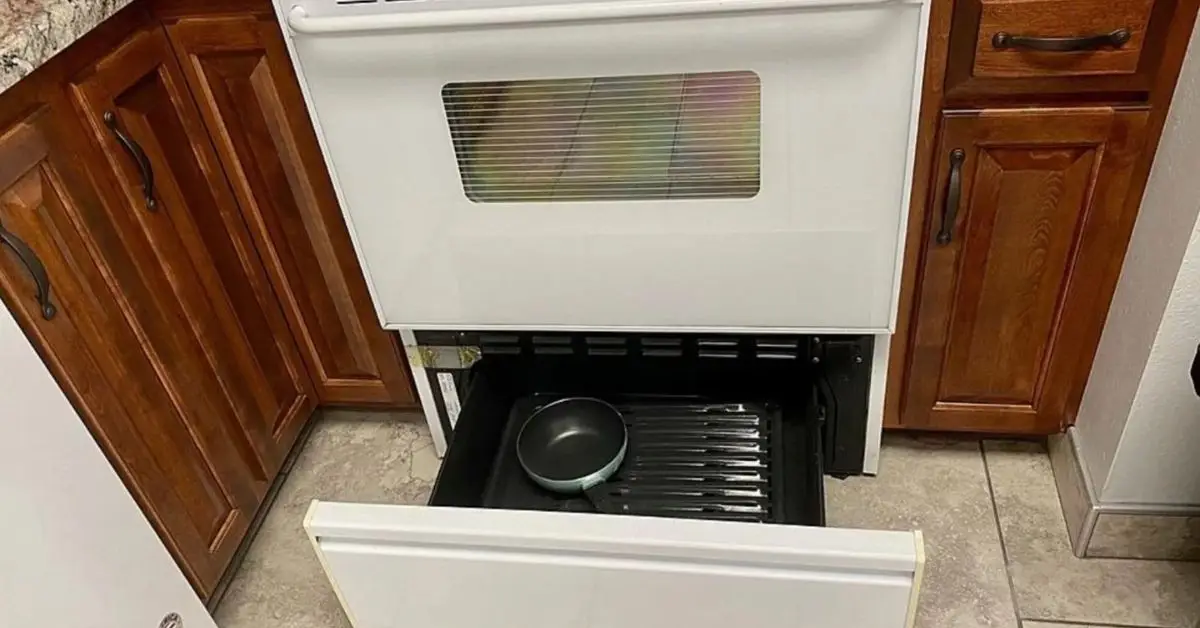
Now that we’ve covered what most people think, let’s talk about what the bottom drawer actually does. Not all ovens are the same, and the function of the drawer can vary widely. Knowing your oven’s type will help you use it safely and efficiently.
Storage Drawer Explained
Some ovens truly have a storage drawer, and here’s what I’ve learned:
- It’s a plain, unheated compartment with no temperature controls or heat elements, designed purely for storage.
- Ideal for flat cookware, metal baking sheets, and muffin tins—basically items that won’t be affected by residual heat.
- Even though it doesn’t heat up intentionally, residual oven heat can still occur, so only heat-safe items should go in there.
If you want a more detailed breakdown of storage versus warming drawers, I found a useful guide by Kitchen Institute that explains it really well.
Warming Drawer (If Present)
Some ovens use this space differently. If your drawer has temperature controls or a “warming” setting, it’s probably meant to:
- Keep cooked food warm until you’re ready to serve.
- Proof dough for baking.
The key takeaway here is that a warming drawer is not for general kitchen storage. Putting random cookware in there can damage your items or affect the oven’s function.
Broiler Drawer in Older Gas Ovens
In certain older gas ovens, the bottom drawer isn’t storage at all—it’s a working broiler. I’ve seen people treat it like a drawer pan, which is risky because:
- Broilers produce intense heat, capable of cooking food directly or even igniting flammable items.
- It should never be filled with bakeware or pans meant for storage.
Understanding these differences is crucial. Once you know which type of drawer you have, you can use it safely and make your kitchen life a lot easier.
How to Tell What Your Oven’s Bottom Drawer Is Designed For
I’ve found that the easiest way to stop guessing about your oven drawer is to approach it like a mini investigation. Here’s how I check mine—and you can do the same:
- Check the owner’s manual first. It’s the most reliable source for knowing exactly what your drawer is for. Manuals usually specify if it’s a storage, warming, or broiler drawer.
- Look at the oven panel. If you see controls, dials, or buttons specifically for the drawer, that’s a strong hint it’s a warming drawer. No controls? Likely storage.
- Open the drawer and inspect it. The presence of racks or heat elements usually indicates warming or broiling functionality.
- Plain metal interior without any controls? That’s a classic storage drawer setup. Safe for flat bakeware and pans, but not heat-sensitive items.
Taking these steps helps me avoid surprises and ensures I use my drawer correctly every time.
What Not to Store in the Oven Drawer (Safety First)
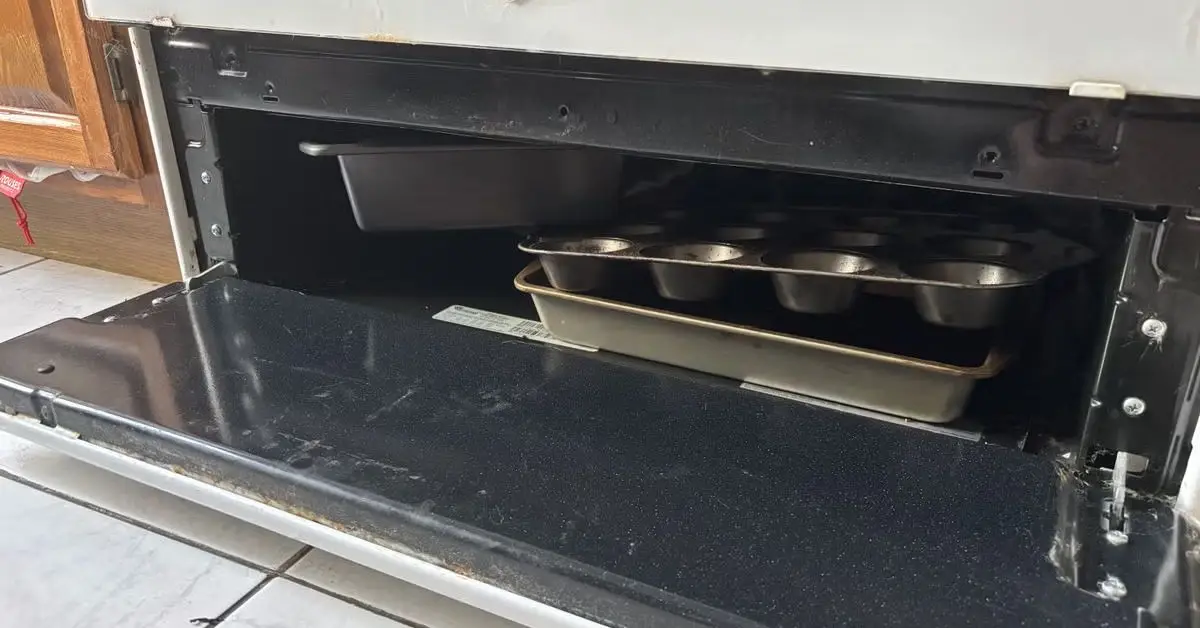
Even if your drawer is just storage, you have to be careful about what goes in there. I’ve learned the hard way that some items simply don’t belong:
- Plastics or silicone bakeware – can melt if the drawer gets even slightly warm.
- Paper, towels, flammable liquids, or aerosol cans – huge fire risk.
- Wooden cutting boards, herbs, or spices – can warp, dry out, or degrade over time.
For a solid reference on which everyday items to avoid storing, LifeTips has a helpful guide on what the bottom oven drawer is really for. Just like certain items shouldn’t go in your microwave, there are things that never belong in your oven drawer because of fire risk.
By keeping these items out, you protect your cookware, your food, and your kitchen from unnecessary hazards.
Safe Things You Can Store in a Storage Drawer
Once I figured out my bottom oven drawer is actually a storage drawer, I wanted to make sure I was putting the right things in there. Here’s what I now keep:
- Metal baking sheets – flat and heat-safe, perfect for quick access.
- Cast iron or stainless cookware – durable and unaffected by residual heat.
- Oven-safe glass or ceramic bakeware – sturdy and safe for occasional warm residual heat.
- Silicone bakeware – flexible and heat-resistant, ideal for muffin pans or mats.
I learned that using the drawer correctly makes meal prep much easier. If you’re worried about lingering smells in your bakeware after long-term storage, I also follow a few tricks to remove stubborn odors from my cookware. For a detailed list of safe items and storage tips, House Digest has a helpful guide on what to store in your oven drawer.
This matters because it gives you actionable guidance—you can finally use the drawer without worrying about damaging your cookware or creating safety hazards.
Common Misuses and Why They’re Risky
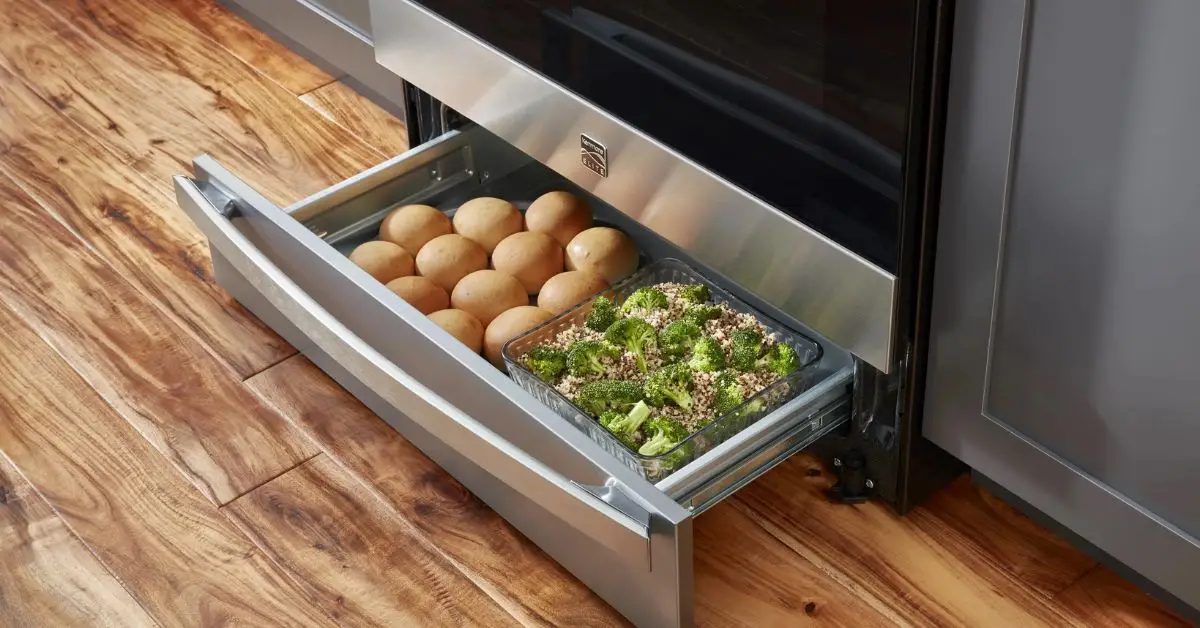
Even when you think you know your drawer type, some mistakes can sneak in. I’ve seen people make these errors—and trust me, they can be costly:
- Storing anything in a warming drawer without checking function – it might overheat items or even cause minor fires.
- Cramped storage blocking ventilation – reduces oven efficiency and can cause uneven heating.
- Warped pans or hidden fire risks – stacking metal or leaving flammable items inside can quickly turn dangerous.
I always double-check before storing anything to avoid these issues.
Maintenance & Cleaning Tips for Oven Bottom Drawers
Keeping your drawer clean is just as important as using it correctly. Here’s what I do:
- Clean storage drawers periodically – prevents dust, crumbs, or grease buildup.
- Wipe warming or broiler drawers after use – spilled food or grease can degrade the drawer and affect performance.
- Follow recommended cleaning frequency by function – a few minutes each week keeps it safe and long-lasting.
Maintaining your drawer this way keeps it working efficiently, safe, and ready for anything you need to store or warm. Keeping your oven drawer clean and organized is one small but critical step in home fire safety—something every homeowner should know.
Quick Checklist: Which Drawer Do You Have?
I like keeping things simple, so I made a quick reference that I check every time I’m unsure about my oven drawer. You can use it too:
- No controls + plain metal interior → Storage drawer
- Controls or temperature settings → Warming drawer
- Visible element/rack + high heat → Broiler drawer
This little checklist saves me from guessing and prevents mistakes that could ruin cookware or create safety hazards. You can even print it out or stick it on your fridge as a reminder—it’s that practical.
Final Safety Reminders
Before I let you go, here’s what I always keep in mind when using my oven’s bottom drawer:
- Never assume the drawer is safe for storage without checking the manual or controls.
- Don’t store flammable or heat-sensitive items unless you’re 100% sure it’s a storage-only drawer.
- Keep it clean and uncluttered to avoid fire hazards and maintain efficiency.
By following these simple steps, I’ve avoided accidents and kept my kitchen running smoothly.
If you found this guide helpful, I’d love to hear from you! Share your own drawer experiences in the comments below—what do you store, or have you ever made a mistake?
Also, for more practical kitchen tips and how-to guides, check out Build Like New—we share tested advice to make your home safer and smarter every day.
Disclaimer: This article is for informational purposes only. Always check your oven’s manufacturer manual before using the bottom drawer for storage, warming, or broiling. Build Like New is not responsible for any damage, injury, or fire resulting from misuse of your oven drawer.


