Is It Okay to Use Your Neighbor’s Garbage Bin? Experts Weigh In
I’ll be honest—most of us have faced this small but awkward problem.
Your trash bin is already full. Pickup day is still a day or two away. Then you notice your neighbor’s bin sitting outside with a little extra space. For a moment, it feels like an easy fix: just drop one bag in and move on.
But here’s the thing—what feels harmless to you can feel completely different to your neighbor.
I’ve spoken with etiquette experts and community researchers who say that something as small as using someone else’s trash bin can quietly damage trust between neighbors. In fact, research shared by community trust specialists shows that many residents feel uncomfortable when neighbors use their bins without permission—even if it’s just a single bag.
And the issue isn’t only about manners. In some places, it can even lead to fines, extra waste fees, or disputes that turn otherwise friendly neighborhoods into tense ones.
So the real question isn’t just “Can you put overflow trash in a neighbor’s bin?”
It’s whether you should—and what the right way to handle it actually is.
Let’s walk through what experts say, the rules most people don’t realize exist, and the simple step that can prevent a minor trash problem from turning into a neighbor conflict.
Before we dive in, I’m curious: have you ever been in this situation—either needing to use a neighbor’s bin or finding someone else’s trash in yours?
The Short Answer: Is It Ever Okay?
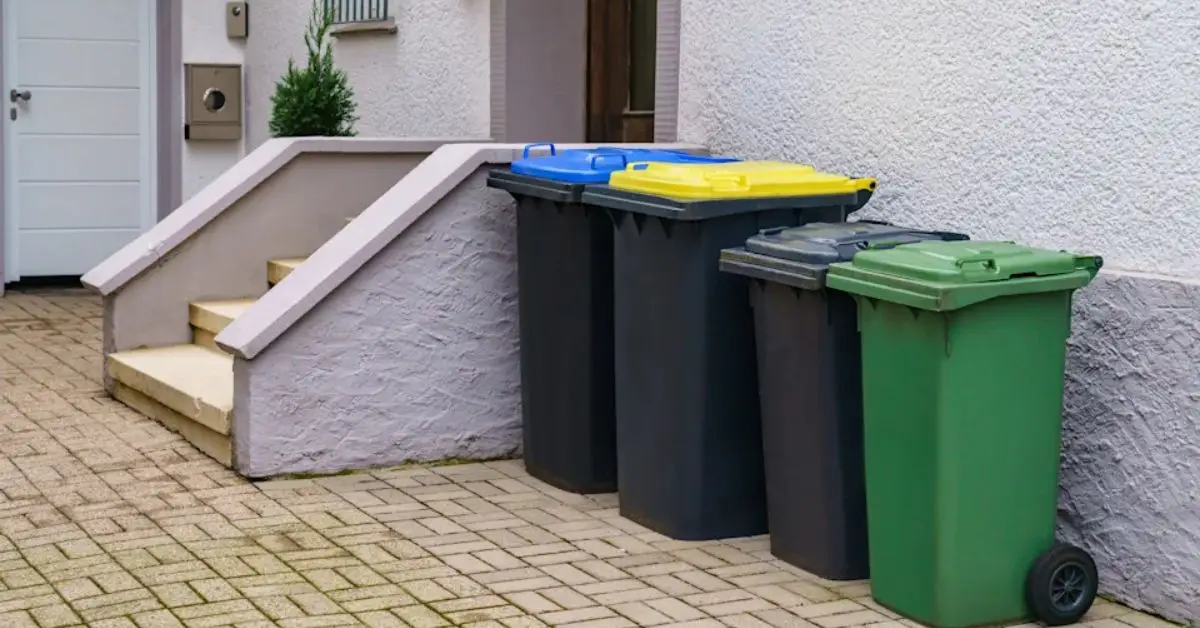
If you want the honest answer, no—sneaking trash into your neighbor’s bin isn’t okay.
It may feel like a small thing to you. One extra bag, a little space in their bin, problem solved. But from your neighbor’s perspective, it can feel like someone is using their property without permission.
Etiquette consultant Nikki Sawhney says secretly placing trash in a neighbor’s bin is disrespectful because it ignores basic boundaries between people who share a community.
In simple terms, the issue isn’t the trash bag—it’s the lack of respect behind the action.
A few reasons experts discourage it:
- It can make your neighbor feel their space is being used without consent
- It may create unnecessary tension between neighbors
- Small actions like this can slowly damage trust in a community
Why Sneaking Trash Into a Neighbor’s Bin Breaks Social Trust
In neighborhoods, small everyday actions matter more than people think.
When someone quietly puts trash in another person’s bin, it sends a message—even if that wasn’t the intention. It can make a neighbor feel that their space and boundaries aren’t being respected.
In an interview shared by The Spruce etiquette consultant Nikki Sawhney explains that situations like this are less about trash and more about awareness and respect in shared spaces.
From a neighbor’s point of view, a simple act like this can raise questions:
- Will this keep happening?
- Will my bin overflow before pickup day?
- Why didn’t they just ask first?
That’s why experts say communication matters more than convenience when it comes to something as small as a trash bag.
What Studies Reveal About Bin-Sharing Behavior
Most people assume neighbors won’t really care about one extra bag of trash. But research suggests otherwise.
A community trust study led by Olivia Grant found that nearly 75% of residents felt uncomfortable when neighbors used their recycling bins without permission. It wasn’t just about the garbage—it was about personal boundaries and how we treat shared space.
The same research also showed that communities where neighbors talk openly about waste and expectations tend to have stronger trust and cooperation.
Here’s what this research tells us:
- Most residents don’t want others using their bins without permission
- Small actions can affect how much people trust each other
- Clear communication prevents awkward misunderstandings
How Your Trash Could Cost Your Neighbor Money
Here’s something I think a lot of people overlook: your extra trash might actually cost your neighbor.
If you dump extra bags into someone else’s bin, it isn’t just a courtesy issue—it can have real financial impact.
Some cities charge extra fees when a bin exceeds weight limits. Other times, sanitation services simply won’t pick up an overfilled container, leaving the bin owner responsible.
Professional organizer Elena Navarro points out that your neighbor could end up paying more on their waste bill—or even face fines—because of trash you put in their bin. single mother fined $150 by HOA for multiple trash violationsSituations like this are more common than people think, especially in neighborhoods with strict HOA rules—like the case discussed in where small disposal mistakes led to unexpected penalties.
Here are two practical concerns:
- Weight-based fees: Extra weight could lead to higher waste collection costs
- Fines for improper disposal: If banned items are mixed into the bin, the legal responsibility often falls on the homeowner
This isn’t hypothetical—it’s exactly the kind of practical consequence most people miss when they think “just one bag won’t matter.”
Could It Actually Be Illegal?
Before you dismiss all of this as just “etiquette,” here’s the part most people don’t realize: local laws about trash bins vary, and in some places, unauthorized use can be treated like dumping.
Different municipalities have different rules about waste collection. Some consider putting trash in someone else’s container without permission as:
- Illegal dumping
- Trespassing on someone’s property rights
- A violation of local waste ordinances
Because trash collection services are governed locally, there’s no universal rule. A city might allow it if the bin is curbside. Another might fine homeowners for any unauthorized use.
To understand how common this viewpoint is, many etiquette and home experts note that even if there aren’t specific laws, the social and legal expectations are clear: don’t use someone else’s bin without permission. That’s echoed in guidance from expert sites like Tom’s Guide.
When It Might Be Acceptable (But Only If You Do This First)
The only situation where using your neighbor’s trash bin might be okay is when you ask first.
It sounds simple, but that one step changes everything. Instead of sneaking a bag into the bin, you’re showing respect for your neighbor’s space.
Etiquette experts say that asking permission builds trust and keeps small issues from turning into bigger conflicts.
If you ever need the favor, keep it polite and simple:
- Send a quick text or call to ask before you leave the trash
- Keep it to just one or two sealed bags
- Make sure the bags don’t leak or smell
- Respect their answer if they say no
Even small gestures like this help maintain good relationships rather than creating resentment.
You might find it hard to imagine why people get upset about trash — but communities online talk about this exact thing. On Reddit’s r/mildlyinfuriating, neighbors share frustrations about others using their bins without asking, which can quickly escalate tensions.
That’s why communicating upfront matters more than convenience.
Better Options Than Using Your Neighbor’s Bin

If your trash bin is already full, there are a few smarter options that won’t risk upsetting anyone.
Many people forget that overflow trash situations happen all the time, and there are simple ways to deal with them.
You could:
- Wait for the next pickup day if the trash isn’t urgent
- Take extra bags to a local waste management facility or dump site
- Separate items for recycling or composting to reduce bin space
- Contact your city to request an additional garbage bin
Sometimes the real issue isn’t just the amount of trash but where to keep the bins without making your space look messy. Many homeowners solve this by trying smart ways to hide trash cans without ruining your kitchen.
These solutions might take a little extra effort, but they keep things stress-free between you and your neighbors. Sometimes the urgency to get rid of trash comes from the smell or flies around garbage. Simple tricks like using this essential oil that helps keep flies away from trash cans can actually solve the problem without needing extra bin space.
What to Do If You Already Used Their Bin
Maybe you’ve already done it and now you’re wondering if your neighbor noticed.
If that happens, the best thing you can do is address it quickly instead of ignoring it.
A candid but calm conversation can prevent long-term tension.
Here’s a practical way to handle it:
- Acknowledge it if they bring it up
- Offer a quick apology and explanation
- If it caused extra costs or hassle, offer to help or make it right
Most neighbors appreciate honesty more than excuses.
Often, one respectful conversation is all it takes to keep the peace and move forward.
Respect First, Convenience Second
When it comes down to it, using your neighbor’s trash bin isn’t really about garbage. It’s about respect for the people living around you.
It might feel like a small shortcut when your bin is full, but secretly using someone else’s bin can easily create unnecessary tension. And in some cases, it could even lead to extra fees, legal issues, or damaged relationships with the people next door.
Here’s the simple rule most experts agree on:
- Never secretly use a neighbor’s trash bin
- It can create financial, legal, or neighbor conflicts
- Asking permission first changes everything
If you genuinely need the help, most neighbors will appreciate being asked first. A quick message or short conversation can make the difference between a small favor and a frustrating situation.
At the end of the day, good neighbors communicate instead of assuming.
If you found this guide helpful, we share more practical home and neighborhood tips on Build Like New.
Also, I’d love to hear your experience. Have you ever caught someone using your trash bin without asking—or have you been tempted to use a neighbor’s bin when yours was full? Share your thoughts in the comments.
Disclaimer: This article is for informational purposes only. Local waste disposal laws and regulations can vary by city or municipality, so it’s always best to check your local guidelines or waste management authority for specific rules in your area.