Battery Fire in Lee County Home: 3 Survivors, Pet Tragically Dies
I woke up to another local fire report this morning, and honestly, stories like this always make me pause. Early Wednesday morning, a home in Lee County, Florida, was destroyed after a fire broke out inside the Cypress Woods RV Resort on Parkwood Drive.
Fire crews were called to the scene around 12:42 a.m., and by the time they arrived, the manufactured home was already fully engulfed in flames. Inside the house were three adults and two pets, all caught in a terrifying situation that unfolded in the middle of the night.
The three residents managed to escape the burning home in time. One pet also made it out safely. Sadly, the second pet did not survive the fire — a heartbreaking loss that often gets overlooked in these emergencies.
The residents were taken to a nearby hospital as a precaution, but officials say they did not suffer major injuries. The home itself, however, was completely destroyed.
What makes this fire especially concerning is how it reportedly started. Investigators say the blaze began near a golf cart that contained lithium-ion batteries — something many people store in garages, sheds, or right outside their homes.
And that raises a serious question most homeowners rarely think about: Could everyday batteries quietly become a fire risk inside our homes?
Residents Escape but One Pet Dies in the Blaze
When I read about fires like this, the first thing I want to know is simple: did everyone make it out safely? In this case, three adults were inside the home when the fire started, and thankfully they managed to escape before the flames spread further.
Two pets were also inside during the incident. One survived and got out safely with the residents. Sadly, the second pet died in the blaze — a heartbreaking loss that often happens in fast-moving house fires.
The residents were taken to Gulf Coast Hospital as a precaution, and officials reported no major injuries. According to details reported by Gulf Coast News, the fire destroyed the home but the residents were able to escape in time.
Sadly, fires involving homes and pets happen more often than many people realize. In a similar case, two dogs died after flames from a vacant property spread to a nearby Larchmont home, showing how quickly residential fires can affect both families and animals.
Lithium-Ion Battery Linked to the Cause of the Fire
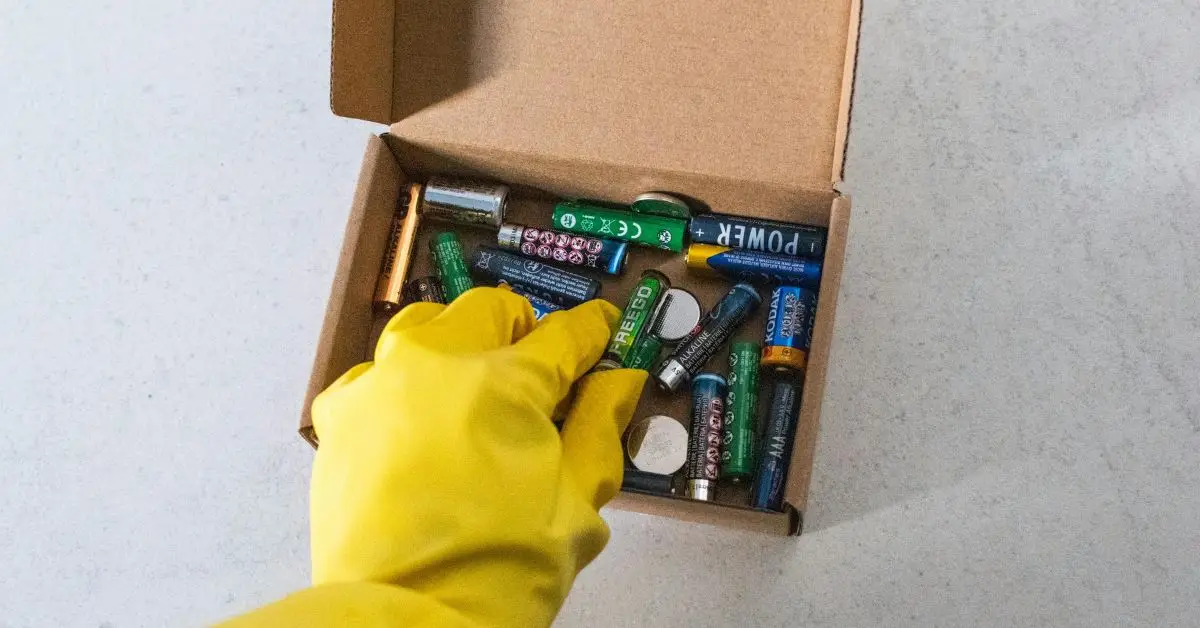
Investigators say the fire appears to have started near a golf cart that contained lithium-ion batteries. The cart was stored close to the home, and the battery area is believed to be where the blaze began.
If you keep battery-powered equipment like golf carts, scooters, or other devices near your home, this detail should get your attention. Lithium-ion batteries are powerful and efficient, but when they fail or overheat, the situation can escalate quickly.
Why Lithium-Ion Batteries Can Catch Fire
Many people don’t realize how sensitive lithium-ion batteries can be. Fires typically happen when something disrupts the battery’s internal balance.
Common causes include:
- Overheating during charging
- Using damaged or incompatible chargers
- Physical damage to the battery pack
That’s why incidents like this serve as an important reminder: devices powered by lithium batteries should always be stored, charged, and maintained carefully to reduce the risk of fire inside or near your home.
Firefighters Battle Blaze at Cypress Woods RV Resort
Tice Fire Department Responds to the Emergency
When firefighters reached Cypress Woods RV Resort, the situation had already turned serious. Crews responded shortly after the emergency call and found the manufactured home fully involved in flames.
In moments like this, firefighters focus on two priorities: controlling the fire and making sure it doesn’t spread to nearby homes. Inside RV communities and residential parks, structures can be close together, which increases the risk of the fire spreading.
Crews Arrive to a Fully Involved Manufactured Home
By the time crews arrived, the fire had already spread through much of the home. Fires in manufactured houses can escalate quickly once flames reach interior materials like wood panels, insulation, and furniture.
Fire safety experts often explain that house fires can grow rapidly in the first few minutes. Guidance shared by the National Fire Protection Association’s home fire safety resources highlights how quickly flames can spread once a structure becomes fully involved.
Fire Quickly Destroys the Structure
Despite the quick response from firefighters, the blaze caused extensive damage before it could be fully contained. Once a home reaches the fully involved stage, saving the structure becomes extremely difficult.
Large-scale emergency responses like this are becoming more common. In another recent incident, more than 100 firefighters were called to battle a major Hollywood Hills house fire, highlighting how quickly residential fires can escalate.
Home Declared a Total Loss
Fire Leaves Property Destroyed
After firefighters controlled the blaze, officials assessed the damage. The destruction was severe enough that the home was declared a total loss.
For the residents, this means losing not just the building but also many personal belongings that were inside at the time.
Structure Completely Burned
The fire left the manufactured home uninhabitable, with large parts of the structure destroyed by flames and heat. Fires that spread during the night can be especially damaging because they may burn longer before being detected.
Damage Assessment and Aftermath
Even when residents escape safely, the aftermath of a house fire can be life-changing. Families often have to find temporary housing, deal with insurance claims, and start the difficult process of rebuilding after losing their home.
House fires can also lead to tragic investigations. In another case, a woman was found dead after a South Carolina house fire during the investigation, showing how unpredictable these incidents can become.
Growing Concerns Over Lithium-Ion Battery Fires

Lithium Battery Fires Increasing Across the U.S.
When I look at incidents like the Lee County fire, one thing becomes clear: this isn’t just a single isolated event. Across the United States, lithium-ion battery fires are becoming more common, especially as more people rely on battery-powered devices every day.
You probably use these batteries more than you realize. They power a wide range of everyday equipment, including:
- Golf carts
- E-bikes
- Electric scooters
- Power tools
The convenience is undeniable, but these batteries also carry risks if they are damaged, poorly stored, or charged the wrong way. Because incidents involving lithium batteries are becoming more common, many homeowners now follow real-time safety alerts and fire reports to stay informed. Some community safety updates and incident alerts are also shared through messaging channels where people track similar fire incidents and prevention advice.
Fire Experts Warn About Charging Risks
One of the biggest problems I see is how casually people treat battery charging. Many devices are left plugged in overnight or charged using cheap replacement chargers.
Safety guidance shared by the U.S. Consumer Product Safety Commission’s lithium-ion battery safety page warns that overheating, damaged battery packs, and improper charging can lead to dangerous fires.
For homeowners, that means understanding that the same battery powering a convenient device can also become a serious hazard if it isn’t handled properly.
Safety Tips to Prevent Lithium-Ion Battery Fires at Home
How Residents Can Reduce Fire Risks
When I talk to homeowners about battery safety, most are surprised to learn how simple habits can reduce the risk of fire.
Here are a few practical steps you can follow at home:
Avoid Overcharging Batteries
Try not to leave batteries charging unattended for long periods, especially overnight. Overcharging can increase heat buildup inside the battery.
Use Manufacturer-Approved Chargers
Always use the original or manufacturer-approved charger for your device. Cheap or incompatible chargers can damage the battery and cause overheating.
Store Batteries Away From Heat Sources
Batteries should be stored in cool, dry places. Keeping them near heat sources, sunlight, or flammable materials can increase fire risk.
Inspect Batteries for Damage
If you notice swelling, leaks, unusual heat, or physical damage, stop using the battery immediately. Damaged batteries are far more likely to fail and ignite.
Simple precautions like these can make a big difference and help prevent the kind of fire that destroyed the Lee County home.
Community Impact and Ongoing Investigation
Authorities Continue to Investigate the Fire
After the flames were finally brought under control, the focus shifted to understanding exactly what caused the fire. Fire officials are continuing to examine the scene and review the factors that may have led to the blaze.
Investigators typically look at several things during cases like this — the condition of the battery, the charging setup, and where the equipment was stored. These details help determine whether the fire was caused by overheating, battery damage, or another safety issue.
Community Reminded About Battery Fire Risks
Incidents like this often spark concern in local communities. When a home fire is linked to battery-powered equipment, it naturally makes neighbors think about the devices they keep in their own garages, sheds, or outdoor spaces.
For many residents, this fire serves as a reminder that modern technology can bring unexpected risks if devices and batteries are not handled carefully.
Final Thoughts
The Lee County home fire shows how quickly a normal night can turn into a dangerous emergency. While the three residents managed to escape safely, the loss of their home — and one beloved pet — highlights the serious impact fires can have on families.
As more households rely on lithium-ion batteries for everyday devices, awareness and simple safety habits become increasingly important. Taking a few precautions when charging or storing batteries could prevent similar incidents in the future.
If you want to stay updated on practical home safety insights, property improvement tips, and real stories like this, you can explore more guides and resources on Build Like New.
You can also follow our updates on X and join the conversation in our Facebook community, where we regularly share home safety news, fire prevention tips, and real incidents homeowners should know about.
I’m also curious to hear your thoughts. Do you keep lithium-battery devices like golf carts, e-bikes, or power tools at home? Share your experience or safety tips in the comments — your insight might help someone else stay safe.
Disclaimer: This article is based on publicly available reports and information at the time of writing. Details may change as authorities continue their investigation. The content is intended for informational purposes only.