Oklahoma City Home Burns to $1M in Damage as Smoke Alarm Never Goes Off
On Monday afternoon, the Oklahoma City Fire Department responded to a residential fire that was already deep inside a home before anyone could stop it.
The house near N. Villa Avenue and Riviera Drive was 8,500 square feet. Crews arrived at 4:26 p.m., a third of it was already burning. One occupant got out. Damage crossed $1 million.
And the smoke alarm? It was there. It just never made a sound.
A Third of an 8,500 Sq Ft Home Gone Before Help Arrived
That’s close to 2,800 square feet consumed before firefighters could push back.
In a home that large, fire doesn’t burn, it runs. Room to room, floor to floor, feeding on space and air. Every second without an alarm warning is a second the fire owns.
According to OKCFD’s official report covered by FOX 25, one occupant evacuated safely before crews arrived. No injuries were reported. The cause of the fire is still under investigation.
The Silent Alarm Is the Real Story Here
Every headline mentioned the damage. Almost none stopped on this: the smoke alarm was present. It just didn’t go off.
That’s not a minor detail. That is the story.
When an alarm fails silently, you don’t get 90 seconds to grab your kids or reach the door. You get nothing until you smell smoke yourself or someone outside spots flames. By then, the fire has been running unchecked for minutes.
And it’s not just property that suffers. In a Hamden house fire we covered earlier, a pet was killed, a reminder that when alarms fail, the loss goes well beyond square footage.
In a Large Home, One Dead Alarm Fails the Whole Building
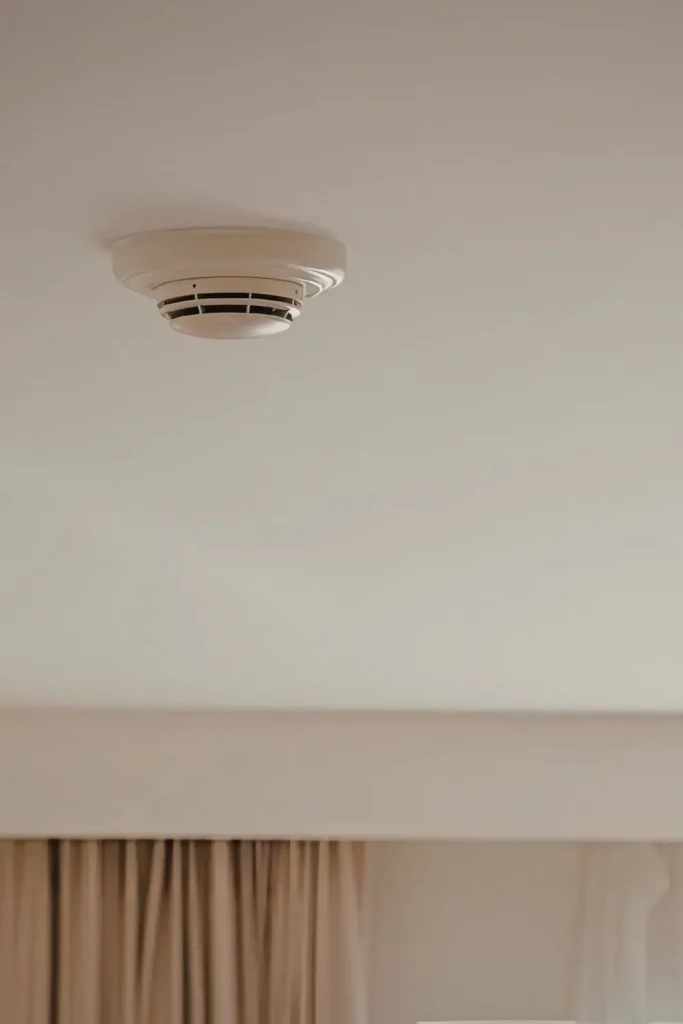
One non-working alarm in a home this size doesn’t just fail one room. If alarms aren’t interconnected across floors, the entire building can be burning before anyone on the second floor hears a single beep.
The most common reasons alarms go silent: dead batteries, sensors past their 10-year lifespan, no interconnection between floors, or the wrong alarm type for the fire that’s burning.
Ionization alarms catch fast, flaming fires. Photoelectric alarms catch slow, smoldering ones. Most homes have one type and get lucky until they don’t.
Why This Matters – The Numbers Most People Never See
This isn’t a rare case. It’s a pattern.
According to NFPA, the death rate in home fires is 60% lower in homes with working smoke alarms. That’s not a safety stat that’s the difference between getting out and not getting out.
We’ve seen what happens when that window closes. A woman was found dead after a house fire in Wilmington, a case where the outcome crossed from damage to tragedy fast.
NFPA data shows that in fires where alarms were present but didn’t operate, over 43% had missing or disconnected batteries. Not broken hardware. Just a battery nobody replaced.
And this number should stop you cold: 99% of U.S. households report having smoke alarms but a third never test them. We install them, forget them, and trust them anyway.
For the full picture, NFPA’s smoke alarm research page is worth a read before you assume yours is fine.
If you want real-time updates on fire safety stories as they happen, there’s a WhatsApp channel covering exactly this kind of news worth having in your feed.
What Every Homeowner Should Do After Reading This
You don’t need an 8,500 sq ft home to have this problem. You need one dead battery.
Test every alarm tonight. Check the manufacture date on the back if it’s older than 10 years, replace it regardless of whether it beeps when pressed. Sensors degrade silently. Old alarms give false confidence.
If you live in a large home, alarms need to be interconnected. When one sounds, all sound. A single alarm two floors below while you’re asleep with the door closed is nearly useless.
In the Pepperell mobile home fire we reported on, neighbors paid tribute after a preventable loss. These stories repeat because the same mistakes repeat and most start with one alarm nobody checked.
Final Thought
The family here got lucky. One person got out. The fire took over a million dollars but not a life.
That outcome isn’t guaranteed next time. Not for anyone whose alarm is sitting on the ceiling with a battery that quit months ago.
Fire doesn’t wait. A working alarm buys you time. And in a house fire, time is everything.
At Build Like New, we cover home fires, restoration, and the safety gaps that turn small problems into total losses. Worth bookmarking if this is the kind of content that matters to you.
Have you tested your smoke alarms recently? Drop a comment below when did you last check yours?
Follow Build Like New on X (Twitter) and join the conversation on our Facebook page for home fires, restoration, and safety stories that matter to real homeowners.
Disclaimer: This article is for informational purposes only. Details are based on publicly available reports. The fire cause remains under official investigation. Always consult a certified fire safety professional for home-specific guidance.