Pico-Union House Fire Leaves 3 Hospitalized in Historic Home
I’ve seen a lot of fire reports, but this one hits differently.
Just after 9 a.m., a fire tore through a two story Craftsman style home on Bonnie Brae Street in Pico Union. Two people had to be rescued from the second floor, and three residents along with a firefighter were injured.
The fire didn’t stay contained. It spread to nearby buildings and completely destroyed the home, forcing firefighters into a long and intense battle.
If you think this is just another local incident, pause for a second. Fires like this tell you a lot about how quickly things can go wrong, especially in older neighborhoods.
Three Residents and One Firefighter Injured
When I look at this incident, the first thing that hits me is how close this came to turning worse. Three residents were injured, and even a firefighter didn’t walk away untouched. That tells you the fire escalated fast and left very little time to react.
Two people had to be pulled out from the second floor, which usually means the exits were already blocked or unsafe. According to MyNewsLA, all three residents were treated on the spot and chose not to go to the hospital, even though they were in fair condition.
What stands out even more is that a firefighter was also injured during the response. Fires like this don’t just impact the people inside the house, they put everyone on the scene at risk.
Partial Collapse Forces Firefighters to Retreat

This is where the situation became serious.
One corner of the house collapsed soon after firefighters arrived. Once that happens, everything changes. You’re no longer trying to save the structure, you’re trying to prevent something worse.
Crews had to step back and switch to fighting the fire from outside. This kind of defensive approach usually means the building is too unstable to enter safely, which explains why the home could not be saved.
Flames Extend to Adjacent Structures
If you live in a dense neighborhood, this part should concern you.
The fire didn’t stay inside one house. It spread to two nearby buildings, which is exactly what firefighters try to prevent but can’t always control.
Situations like this often get worse quickly, and in some cases entire homes are lost overnight, like in this report where a house fire destroyed a family home completely.
One of those structures was handled quickly, but in another, flames got inside the walls. As highlighted in coverage from KNX News 97.1 FM, hidden fire inside walls can keep spreading even when things look under control from the outside.
120 Firefighters Battle Blaze for Over 90 Minutes
I always look at the response time and manpower to understand how serious a fire really was.
In this case, 120 firefighters were involved, and it took 97 minutes to bring the fire under control. That is not a small incident.
I’ve been closely following similar fire incidents and response patterns, and one thing that keeps coming up is how quickly situations escalate when resources are stretched and structures are unstable.
Even after the fire was declared out, crews stayed back to deal with remaining hot spots. Fires like this don’t just end when the flames go down, they need constant monitoring to prevent flare ups.
Multiple Departments Called In After Fire
This wasn’t just a fire department situation.
After the flames were under control, building inspectors stepped in to check how much of the structure was still standing and whether anything nearby was at risk.
Utility teams from water, power, and gas departments also responded. If you’ve ever seen post fire damage, you know how dangerous exposed lines can be.
At the same time, city teams managed the area to keep everything under control while emergency crews worked.
Road Closures and Alternate Routes Advised
If you were anywhere near Pico Union that morning, you likely felt the impact.
Roads were blocked off, and traffic had to be redirected while emergency crews handled the situation. These closures are not just about convenience, they’re about giving responders space to work safely.
It’s a reminder that one house fire doesn’t just affect one family. It disrupts an entire neighborhood in real time.
Key Factors That May Have Intensified the Blaze
When I break this down, the fire itself is only part of the story. What really matters is why it got so destructive so quickly.
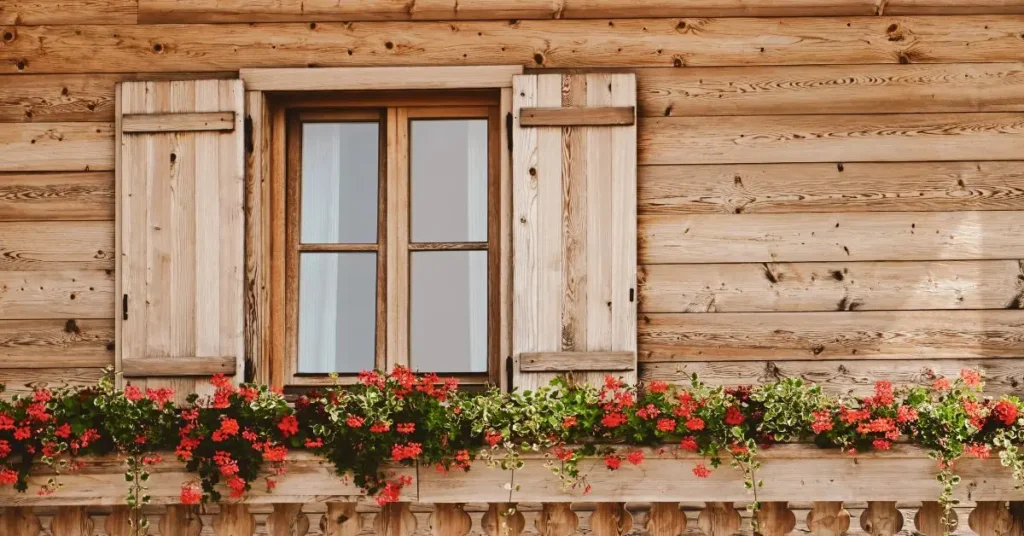
First, the home was a Craftsman style structure. These homes often rely heavily on wood and older building designs. That means once flames take hold, they can move faster through beams, walls, and especially attics.
Fire safety research shows that flames can travel upward into attic spaces and spread across the structure rapidly if not contained early.
Second, look at the neighborhood layout. Pico Union is dense. Homes sit close to each other, sometimes sharing walls or having very little gap in between. That makes it much easier for fire to jump from one building to another, which is exactly what happened here.
Third, aging structures come with hidden risks. Over time, materials weaken, wiring may not be updated, and fire safety systems are often missing.
In fact, older Craftsman homes in similar incidents have been noted to lack modern fire prevention features, allowing fires to spread faster than in newer buildings.
When you combine all three factors, older construction, tight spacing, and structural vulnerability, you get a situation where a single fire can escalate into something much bigger in minutes.
And when fires reach this level, the outcome is often devastating. There are real stories like this where a grandmother lost everything in a house fire within minutes.
Investigation Underway
Right now, there’s one big question you probably have. What actually caused this fire?
The truth is, no official cause has been released yet. That’s normal. In cases where a home is heavily damaged or completely destroyed, it takes time for investigators to go through debris, check electrical systems, and rule out different possibilities.
But if you look at similar residential fires, there are a few common patterns.
Most home fires in the US are linked to things like electrical faults, cooking accidents, or heating equipment issues. These are everyday risks that often go unnoticed until something goes wrong.
What makes investigations harder in incidents like this is the level of destruction.
When a fire burns this intensely and even causes structural collapse, it can wipe out key evidence, making it difficult to pinpoint the exact origin.
So while the official answer isn’t out yet, what you can take from this is simple. Fires like this rarely come out of nowhere. There’s usually a small trigger that turns into a big problem when the conditions are right.
Fire Safety Takeaways from the Incident
When I look at this fire, I don’t just see what went wrong. I see what you and I can learn from it before something similar happens again.
The biggest takeaway is early detection.
I’ve seen real cases where a working alarm made the difference between life and death, like in this story where smoke alarms saved a family from tragedy.
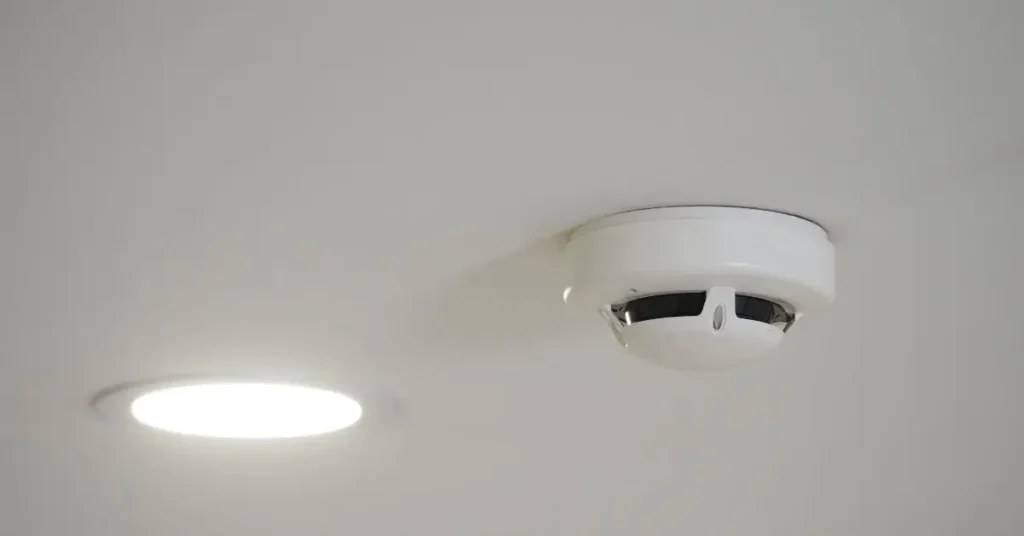
In many home fires, a working smoke detector is the difference between getting out safely and getting trapped. Fires can spread in minutes, especially in older homes, so you don’t get much warning time.
Then there’s the reality of older residential structures. Homes like Craftsman builds have character, but they also come with risks. Outdated wiring, dry wooden materials, and lack of modern fire barriers can turn a small spark into a full scale fire faster than most people expect.
And finally, preparedness matters more than people think. You should already know how you would get out of your home in an emergency.
Not when the fire starts, but right now. A simple escape plan, clear exits, and awareness can save lives.
Final Thoughts
If you ask me, this wasn’t just another local fire. It was a reminder of how quickly things can spiral, especially in older, tightly packed neighborhoods.
Now I want to hear from you. Do you think homes in your area are prepared for something like this, or are we all just assuming it won’t happen to us? Drop your thoughts in the comments.
And if you want more practical insights on home safety, renovation, and making older homes stronger and safer, check out Build Like New. That’s where I break things down in a way that actually helps you take action.
And if you want real, no-fluff updates on home safety and fire incidents like this, you can follow along on X or join the conversation on our Facebook group. I share things there that don’t always make it into articles.
Disclaimer: The information in this article is based on available reports and general fire safety data. Details may change as official investigations continue. This content is for informational purposes only and should not be considered professional safety or emergency advice.