Lahaina Family Faces Fire and Flood Destruction of Their Home
I still remember reading about the Lahaina fire in 2023 and feeling a deep ache for everyone who lost their homes. But seeing what happened to Sue Brimeyer and her grandson Kapono hits differently. They rebuilt their Wainee Street home after the fire, slowly piecing their lives back together, only to have floodwaters from the recent Kona Low storm sweep through and destroy what they had just repaired. I can’t imagine the weight of losing almost everything not once, but twice.
When I talk about losing a home in Lahaina fire, it’s not just a statistic—it’s about real people navigating unimaginable stress, fear, and heartbreak. Sue, at 79, was focused entirely on keeping her 13-year-old grandson safe during the fire, who has autism, and then managing the overwhelming work of rebuilding their life afterward. And now, with floods undoing months of effort, the emotional toll is something most of us can only try to understand.
In this article, I want to walk you through their journey—not just the disasters themselves, but the resilience, the small victories, and the lessons they teach anyone trying to recover after losing everything. You’ll see why preparation, community, and human connection matter so much when life hits again and again.
Escaping the 2023 Lahaina Wildfire
When the Lahaina fire hit, Sue’s world narrowed to one thing: keeping her grandson Kapono safe. With autism, he needed extra care, and she had to guide him through streets almost empty, with flames creeping behind them. Every step was urgent, every decision heavy.
They ended up at the beach first, then made their way to the Hongwanji Mission lawn, where Sue kept watch all night as Kapono slept. Reading this, I realize how unique the challenges are for families with special needs during disasters. If you want practical guidance for similar situations, Autism Speaks has tips for emergency planning.
Rebuilding After Losing a Home
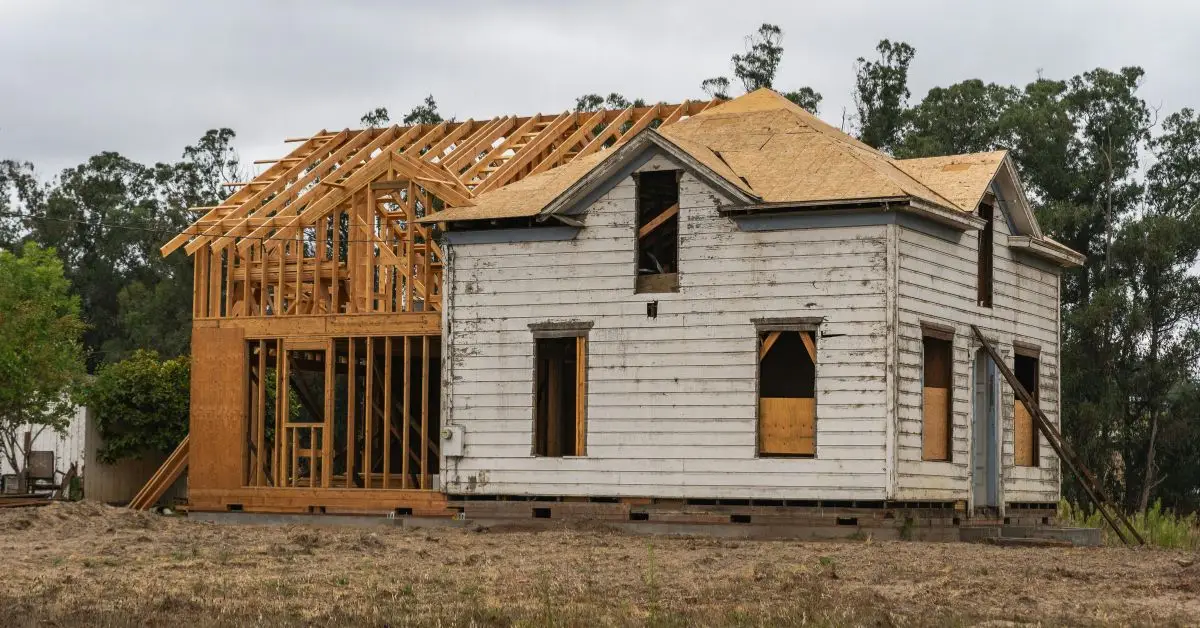
After the fire, Sue and Kapono began rebuilding their Wainee Street home. At 79, the work was physically and emotionally draining. Every repaired wall and salvaged item reminded them of what they had lost, yet also gave small victories to hold onto.
Some things couldn’t be replaced, but others—like a belt from her late husband—helped them feel connected to the past. Rebuilding isn’t just about the house; it’s about reclaiming a sense of home and life piece by piece.
The 2026 Kona Low Flooding
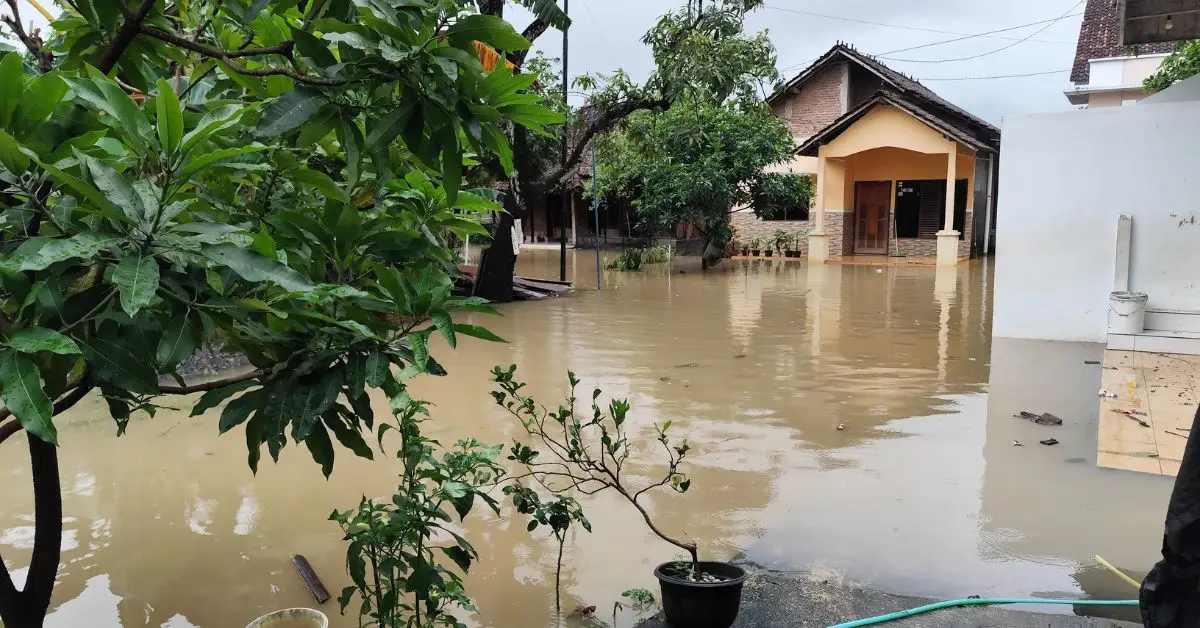
Just as Sue and Kapono were ready to move back into their rebuilt home, another disaster hit. The Kona Low storm brought heavy rain across Maui, and what they had just repaired didn’t stand a chance. Water filled the house — about a foot deep in places — ruining many of the belongings they had worked so hard to save.
The flooding that hit Sue and Kapono’s home is just one example — large-scale events like the Hawaii flooding that caused over $1 billion in damage show how devastating floods can be for entire communities.
Reading this, you start to feel the weight of it: losing a home once was already devastating, but to see that effort undone by floodwaters is something else entirely. It’s a reminder that disasters don’t always come one at a time, and prep work or resilience can be swallowed up by forces you can’t control.
According to reporting from Hawaii News Now, the floodwaters swept through the very house they were about to return to — wiping out months of rebuilding and precious personal items.
Coping Mechanisms and Emotional Resilience
Going through one disaster is hard enough. Going through two changes how you see everything. For Sue and Kapono, their bond became a lifeline. She talks about having support — not just from others, but from the connection they share. In moments like these, the strength between a caregiver and a child isn’t just emotional; it becomes survival. You start to realize how much a family bond matters when every familiar part of life keeps getting shaken.
Community support also plays a role. Neighbors checking in, stories shared by others who’ve lived through the Lahaina fire — those small gestures and shared experiences remind you that you’re not facing loss alone.
Stories like these remind me of other families, such as the Summerfield family of six who lost their home to flash floods, who also had to navigate trauma and rebuild their lives from scratch.
And then there are the cherished items you can’t replace. For Sue, a belt that belonged to her late husband survived both disasters. It’s more than an object — it’s a piece of history, identity, and comfort. When everything else is gone, these fragments help keep memory alive and give purpose to rebuilding again.
Preparing for Future Disasters
Going through two disasters teaches you things you don’t read in guides. One clear lesson is that rebuilding isn’t just about walls and roofs — it’s about being prepared for what might come next. If you’re like me, reading about this makes you think: what would I do if my home was suddenly threatened again?
There are practical steps you can take. Make sure your home repairs consider flood resilience, elevate valuables, and use materials that withstand water damage. Check your insurance coverage regularly — it’s one thing to hope for the best, and another to be financially ready.
For anyone dealing with repeated flooding, following these 7 urgent steps can help protect your home and minimize damage before it’s too late.
And don’t underestimate planning: have a clear evacuation route, emergency kits, and community contacts ready. FEMA and Hawaii County disaster resources offer detailed guidance that can help families stay ahead of storms.
The takeaway is simple: you can’t control nature, but you can control how ready you are for the next challenge. Every small step now can save months of heartbreak later.
If you want to get quick tips and alerts on home safety and flood preparedness, many families find it helpful to join active WhatsApp discussion groups that share step-by-step guides, emergency prep ideas, and real-time updates.
Broader Implications
What happened to Sue and Kapono isn’t just their story — it reflects a growing reality in Lahaina and much of Hawaii. Wildfires followed by flooding are becoming more frequent, and families are caught in cycles of rebuilding and loss.
This raises bigger questions about policy and infrastructure. How can communities design homes, roads, and emergency systems to handle repeated disasters? How do local governments provide support without waiting for tragedy to strike? Reading these patterns, I realize that individual resilience is critical, but systemic change matters just as much to keep families safe in the long run.
Moving Forward and Key Takeaways
Reading Sue and Kapono’s story, I keep thinking about how fragile life can be and how strong people are when faced with repeated disasters. Losing a home once is devastating — losing it twice tests every ounce of resilience. But their journey also shows what matters most: family, community, and the determination to rebuild, piece by piece.
As you reflect on their experience, consider your own preparedness. Whether it’s securing important belongings, updating insurance, or building a support network, small steps today can make a huge difference tomorrow. And remember, it’s not just about surviving disasters — it’s about reclaiming your life and your home in a way that feels safe and sustainable.
I’d love to hear from you: have you or someone you know faced challenges like this? How did you cope or rebuild? Share your thoughts in the comments below — your story might inspire or guide someone else navigating tough times.
For more practical advice, step-by-step guidance, and inspiration for building stronger, safer homes, check out our resources at Build Like New. Every story, tip, and idea is meant to help you recover, rebuild, and move forward with confidence.
You can also follow our updates and tips on X and join our community on Facebook to stay informed about home safety and disaster preparedness.
Disclaimer: The information in this article is based on publicly available news reports and reputable sources. It is intended for informational purposes only and should not replace professional advice for disaster preparedness, rebuilding, or emergency planning.