The One Dishware Item That Should Never Touch Your Hands
I used to handwash every wine glass I owned, thinking I was doing the “safe” thing. I’d cradle the stem, scrub the bowl, and hope my hands were gentle enough. Then one day, I chipped my favorite glass, and it hit me—maybe all this careful handwashing was actually putting my stemware at risk.
Most guides tell you “handwash delicately” or “avoid the dishwasher,” but they rarely explain why that advice can backfire. Fragile stems, uneven pressure, and even the wrong drying technique can turn your careful routine into a breakage disaster. I’ve spent hours reviewing expert opinions, wine industry tips, and even real user experiences, and the answer might surprise you: your dishwasher, when used correctly, can protect your glasses far better than your own two hands.
In this guide, I’ll walk you through why handwashing wine glasses is often riskier than you think, how to safely use a dishwasher, and the small habits that can keep your glassware pristine. By the end, you’ll see that sometimes letting go of old routines is exactly what your collection needs.
Why Handwashing Wine Glasses Can Be Dangerous
I know it feels safer to wash your wine glasses by hand, but in reality, that “careful” routine can cause more harm than good. Here’s why:
- Fragile stems break easily – Even a tiny slip or uneven pressure on the stem can snap a glass in an instant. I’ve lost more than a few favorites this way.
- Common handwashing mistakes – Two-handed grips, abrasive sponges, or even twisting while rinsing can create invisible micro-cracks that weaken the glass over time.
- Improper drying – Using rough towels or stacking glasses while drying can chip rims or leave scratches, and no matter how gentle you are, accidents happen.
How the Dishwasher Actually Protects Your Wine Glasses
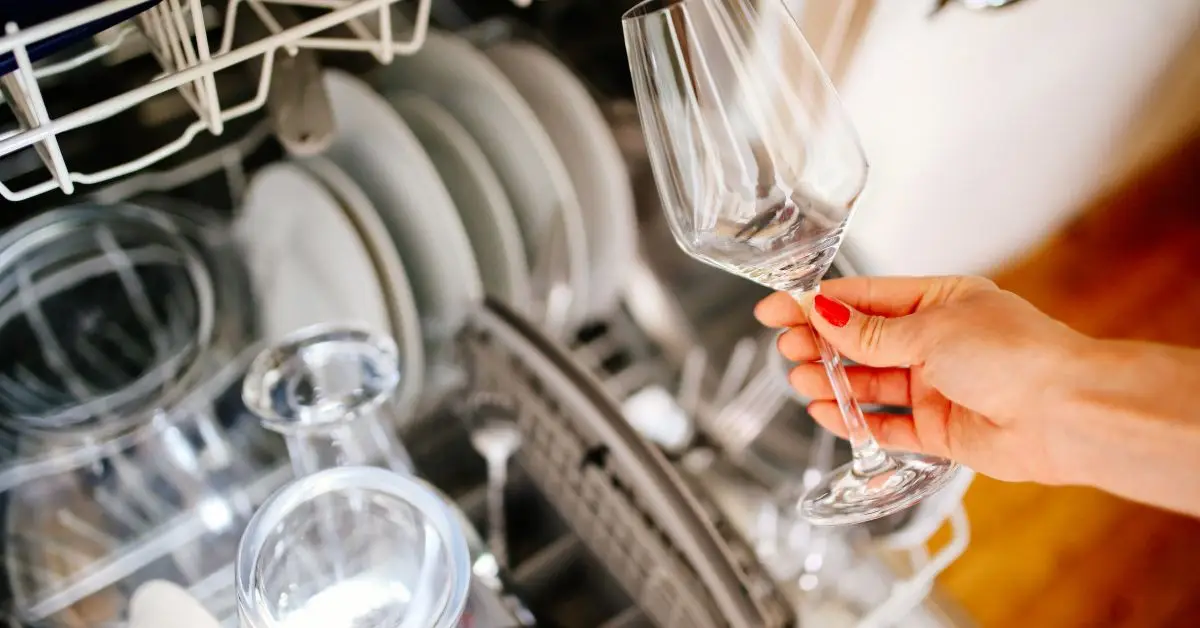
Once I realized handwashing was more dangerous than I thought, I started exploring the dishwasher option—and the results surprised me. Using your dishwasher correctly doesn’t just save time; it can actually keep your glasses safer.
- Top-rack placement and glass holders – Always place wine glasses on the top rack. Many dishwashers, like those recommended by Apartment Therapy for wine glass care, have built-in holders to keep stems secure and prevent tipping.
- Choose the right detergent – Mild, low-alkaline detergents prevent cloudiness and etching. Harsh detergents meant for everyday dishes can damage delicate glassware.
- Air-dry vs. hand-dry settings – Let the dishwasher do the drying when possible. Hand-drying introduces handling risks and can leave lint or micro-scratches. Keeping glassware spotless is easier when you adopt the right techniques—similar to how I use proven oven glass cleaning hacks to maintain a streak-free shine without harsh chemicals.
By paying attention to placement, detergent, and drying, you can drastically reduce breakage. I even recommend taking a quick photo of your dishwasher’s top rack setup—it helps you remember the safest arrangement for your delicate glasses.
Proper Handwashing Techniques (If Dishwasher Isn’t an Option)
Sometimes, a dishwasher just isn’t available, and I get it—you still need to clean your glasses safely. If you have to wash by hand, here’s what I do to minimize risk:
- Use a soft cloth instead of a sponge – Harsh sponges can scratch or chip delicate glass. I often add a drop of mild dish detergent or even a bit of white vinegar for extra shine.
- Hold glasses safely – Grip the base, not the stem. Avoid two-handed pressure, which can snap the thinnest part of the glass.
- Avoid soaking rims on metal racks – Prolonged contact with metal can cause micro-scratches or dull the glass.
- Microfiber drying cloths & steaming – After washing, I use a microfiber cloth for drying and occasionally steam the glass lightly to remove spots, following tips from Wine Enthusiast’s wine glass care guide for a streak-free shine.
If you ever pick up second-hand wine glasses or stemware, knowing simple ways to remove sticker residue from glass can save you from unwanted marks and ensure a flawless shine.
Following these steps doesn’t make handwashing as safe as a properly loaded dishwasher, but it dramatically reduces the chances of breakage or etching.
Common Myths About Wine Glass Care
Over the years, I’ve noticed a lot of advice floating around that simply isn’t true. Let’s bust a few of the biggest myths I see every day:
- Myth: Handwashing is always safer – As we’ve seen, delicate stems often break more by hand than in a dishwasher.
- Myth: Storing in the original box keeps glasses safe – Boxes can trap moisture or dust, which can etch or dull the glass over time.
- Myth: Using a standard dish towel is fine for drying – Towels can leave lint, scratches, or even cause accidental knocks. Microfiber or air-dry is safer.
These myths persist because advice is often generic. I like to focus on practical, evidence-based tips that actually keep my glasses intact—and save you a few heart-stopping drops along the way.
Storing and Maintaining Your Wine Glasses Post-Cleaning
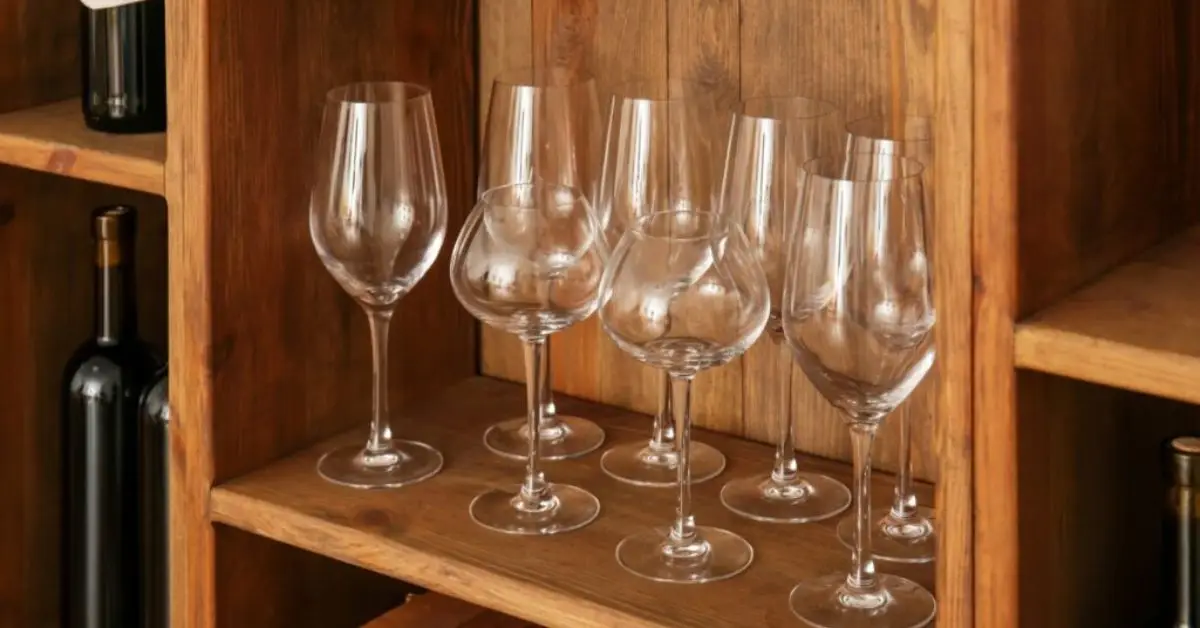
Cleaning is just half the battle. I’ve learned that how you store your glasses makes a huge difference in keeping them pristine over time. Here’s what I do:
- Keep glasses away from heat and open areas – Storing near the stove, oven, or sunny windows can weaken glass and cause thermal stress. I always pick a cool, stable cabinet for my collection.
- Avoid cardboard boxes – They may seem convenient, but cardboard can absorb moisture and odors, which transfer to the glass. Plus, they don’t prevent scratches if the glasses shift.
- Quick upkeep between uses – A soft microfiber cloth for occasional polish and a gentle rinse before pouring new wine keeps glasses sparkling.
Once your wine glasses are sparkling, you might even consider giving other glassware around your home a new purpose—like jars you’ve been holding onto; here are some genius ways to repurpose glass jars around your home.
For extra guidance, sommeliers and professional glassware companies recommend Riedel’s storage advice on keeping stems upright and separated. Following these tips has saved me countless chips and scratches, and I feel confident that every glass is ready to shine for my next pour.
Closing Thoughts
After all this, it’s clear: handwashing your wine glasses might feel safe, but it often puts your favorite stems at risk. Using a dishwasher properly—paying attention to placement, detergent, and drying—protects your glasses, saves time, and keeps them sparkling longer.
I’ve switched my routine, and I’ve seen the difference firsthand. No more chips, fewer breaks, and honestly, it’s just less stressful. If you’ve been handwashing for years, consider giving your dishwasher a chance—you might be surprised at how safe it can be.
Want to take your glassware care further? On Build Like New, we share practical tips on glass maintenance, wine storage, and kitchen hacks to make your everyday life easier. Check it out and see how a few small changes can protect your investment.
I’d also love to hear from you: do you still handwash your wine glasses, or have you switched to the dishwasher? Drop your experience in the comments below—I read every one, and your tips might help someone else avoid a broken stem!
Disclaimer: This article is for informational purposes only. Always follow manufacturer instructions for your wine glasses and dishwasher. The author is not responsible for damage or breakage resulting from misuse.