
5 Household Hacks to Remove Sticker Glue From Glass Without Damage
You peel the price tag off a new glass vase… and it leaves behind that stubborn, sticky mess.
I’ve been there. You rub it with your thumb. It smears. You try scratching it lightly. Now it looks worse. The glass isn’t clean — it just looks cloudy and irritated.
Sticker residue on glass feels small, but it’s frustrating. Especially when it’s on something you just bought, a car window, a mirror, or a glass jar you wanted to reuse. And the worst part? Most advice online either overcomplicates it or jumps straight to harsh chemicals.
Here’s the truth: you don’t need fancy removers for most cases. The solution is usually sitting in your kitchen or bathroom cabinet. The trick is knowing why the adhesive sticks and which simple method works for your specific situation.
I’ve tested these methods myself on everything from mason jars to tempered glass shelves. Some work instantly. Some need patience. A few can actually damage certain types of glass if you’re not careful.
In this guide, I’ll show you five simple, everyday ways to get sticker residue off glass safely — and how to choose the right one so you don’t waste time (or scratch the surface).
Before we jump in, tell me — what are you trying to clean right now: a jar, a window, or something more delicate?
Why Sticker Residue Happens on Glass — The Science Explained
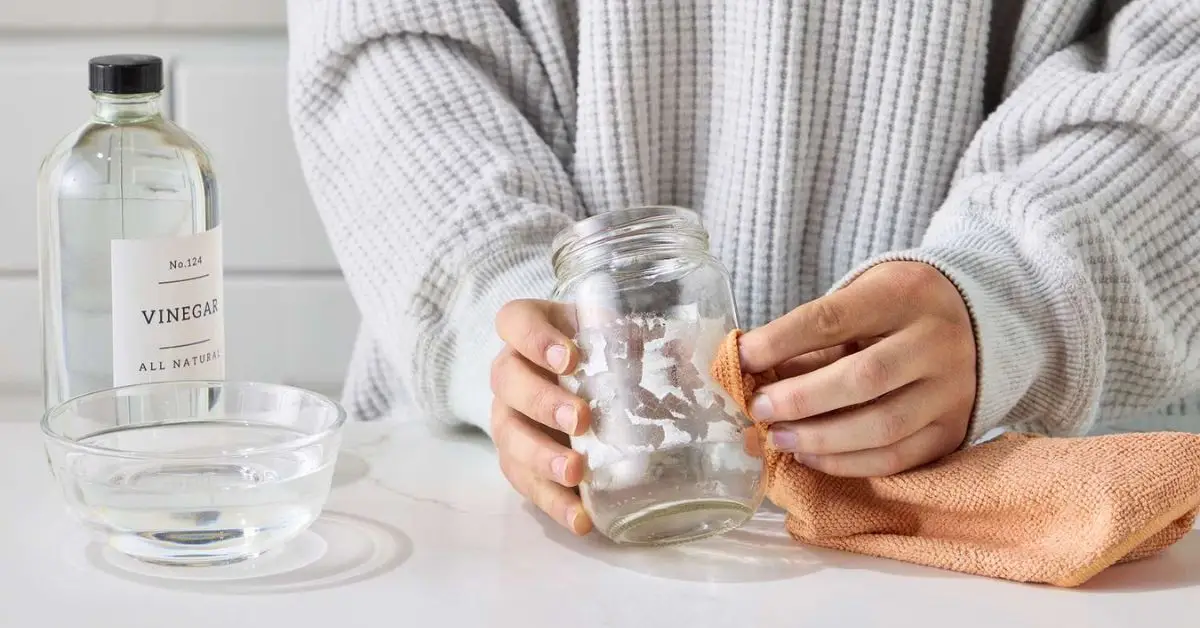
Before you remove it, it helps to understand why it sticks in the first place.
Most stickers use pressure-sensitive adhesives. That means the glue is designed to bond firmly the moment you press it onto a smooth surface like glass. Glass looks smooth to you, but at a microscopic level, it has tiny pores and texture. The adhesive flows into those spaces and grips tight.
There are usually two types of glue involved:
- Sugar-based or natural adhesives – Often used in labels for jars and bottles. These soften with warm water and moisture.
- Synthetic adhesives (acrylic or rubber-based) – These are stronger, more resistant to water, and harder to remove.
If you’ve ever wondered why one sticker peels off cleanly while another leaves a sticky film, that’s the reason.
Temperature Makes a Big Difference
Adhesives react strongly to heat and cold.
- Heat softens glue, making it easier to wipe away.
- Cold hardens glue, which can make it brittle — but sometimes harder to dissolve.
- If a sticker has been sitting for months (or years), the adhesive bonds more deeply and oxidizes, making it tougher to remove.
That’s why an old store label on a glass jar feels almost “cemented” on.
Not All Glass Behaves the Same
You might assume glass is just glass. It’s not.
- Tempered glass (like shelves or some tabletops) handles heat better.
- Coated or tinted glass (car windows, decorative panels) can react badly to strong chemicals.
- Thin decorative glass can crack with sudden temperature changes.
Even cleaning authorities like The Spruce explain how different removal methods affect different surfaces.
When you understand how adhesives bond and how glass reacts, you stop guessing. You choose the right method from the start — and that saves you time and frustration.
What Not to Do — Common Sticker Removal Mistakes to Avoid
I’ve seen more glass damaged by “quick fixes” than by the sticker itself.
When you’re annoyed, it’s tempting to scrape hard or grab the strongest chemical in the house. That’s usually where things go wrong.
Here’s what I tell people to avoid:
- Scraping aggressively with metal tools: A razor blade can work — but only at the right angle and on the right glass. Hold it wrong, and you leave permanent scratches.
- Using harsh solvents blindly: Acetone, paint thinner, or strong commercial removers can damage tinted or coated glass. Once that layer is stripped, you can’t restore it.
- Overheating thin glass: A hair dryer helps loosen adhesive. But blasting high heat on delicate or cold glass can cause stress cracks.
- Dry scrubbing without softening first: If you don’t soften the adhesive, you’re just smearing it around.
If you’ve ever asked yourself, “Why did my glass get scratched?” — it’s usually one of these mistakes.
The goal isn’t just to remove the residue. It’s to protect the surface while doing it.
Before we move into the actual removal methods, tell me — have you already tried scraping it, or are you starting fresh?
Household Item #1 — Warm Soapy Water (Gentle, Universally Safe)
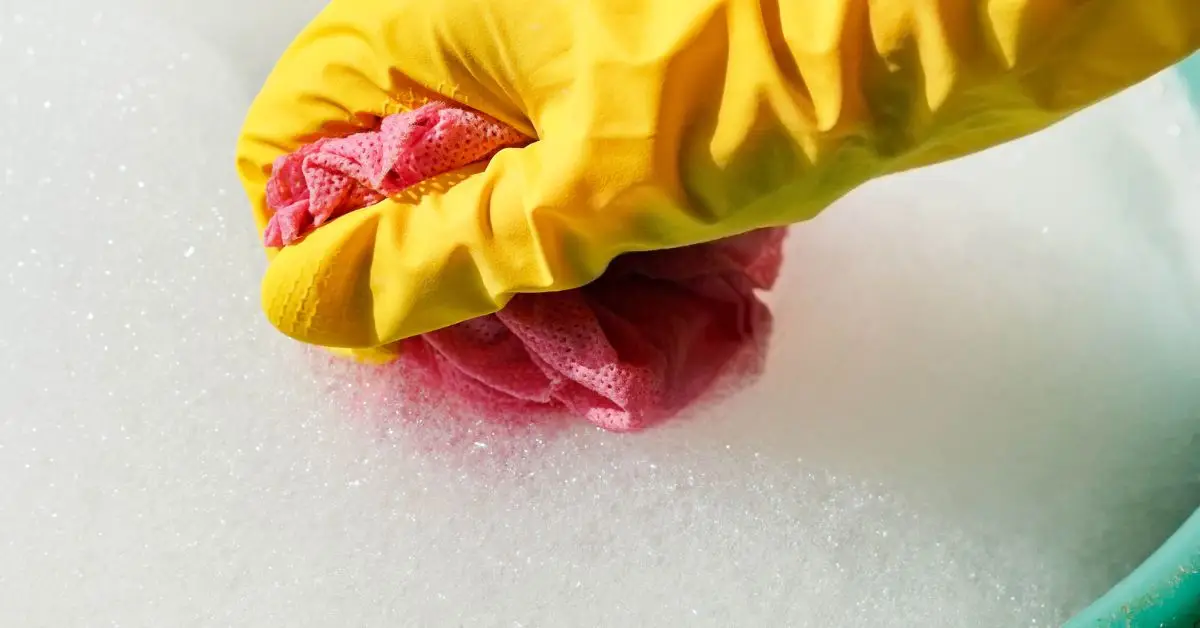
If you want the safest place to start, this is it.
I always begin with warm soapy water because it costs nothing, damages nothing, and works more often than people expect. Especially on jar labels and recently applied stickers.
Here’s how I do it:
- Soak the glass in warm (not boiling) water mixed with dish soap
- Let it sit for 10–20 minutes
- Rub gently with a sponge or microfiber cloth
- Repeat if needed
The soaking part matters. You’re not just wetting the sticker — you’re allowing water to penetrate and loosen the adhesive bond.
What Soap Works Best?
- Dish soap (like standard grease-cutting formulas) works best because it breaks down oils in adhesive.
- Mild laundry detergent can also work if dish soap isn’t available.
Avoid harsh degreasers here. This step is about softening, not stripping.
When Is This Method Enough?
- Fresh stickers
- Paper labels on jars
- Price tags from retail stores
- Sugar-based adhesives
If the residue starts rolling off under your fingers after soaking, you’re done. No need to escalate.
This method sets your baseline. If it works, great. If it doesn’t, you move up in strength — safely.
Household Item #2 — White Vinegar + Paper Towel (Natural & Effective)
If you prefer natural cleaning solutions, this is your next move.
White vinegar works because it contains acetic acid. That mild acid helps break down adhesive polymers and loosen the sticky film from glass.
Here’s how I use it:
- Mix equal parts white vinegar and warm water (for most cases)
- Soak a paper towel or cloth in the solution
- Press it over the residue for 10–15 minutes
- Wipe in circular motions
For tougher spots, you can use undiluted vinegar and let it sit a bit longer.
Eco-focused cleaning platforms like Treehugger often recommend vinegar as a safer alternative to commercial removers.
When to Avoid Vinegar
- On stone surfaces nearby (it can etch them)
- On specialty coated glass unless you test a small area first
For plain household glass, though, vinegar is usually safe and effective.
If you’re trying to avoid chemicals and keep things simple, this is a solid option.
Household Item #3 — Rubbing Alcohol / Isopropyl (Stronger But Simple)
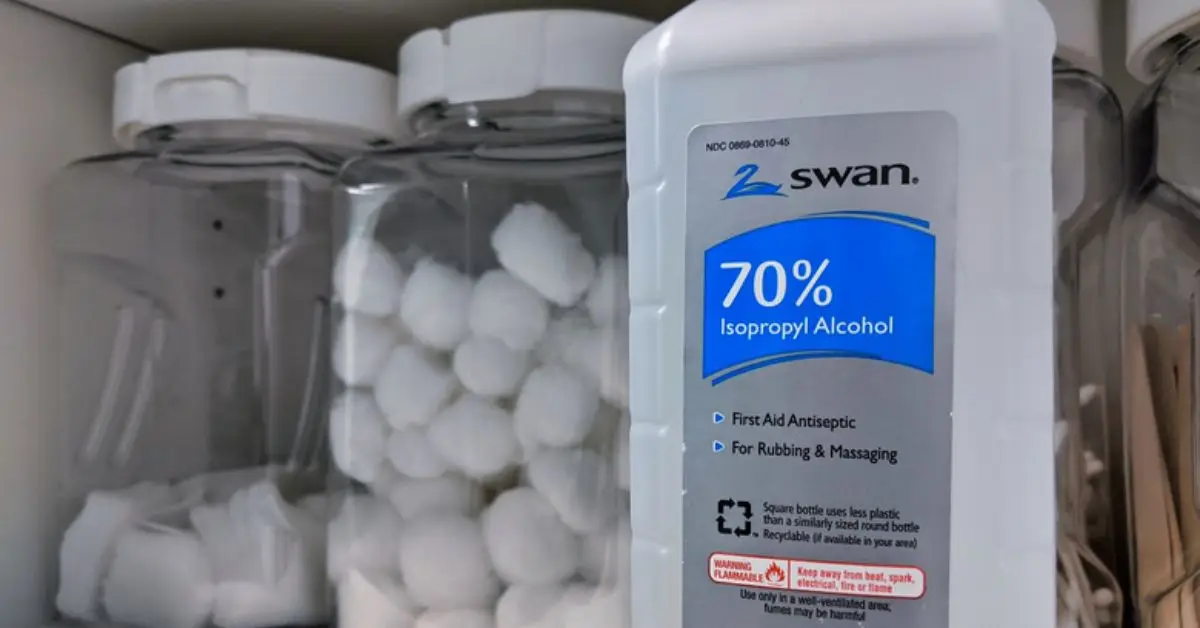
When soapy water and vinegar don’t cut it, I move to rubbing alcohol.
Isopropyl alcohol dissolves many synthetic adhesives quickly without leaving oily residue behind.
What Strength Should You Use?
- 70% isopropyl alcohol works for most cases
- 91% alcohol works faster on stubborn, older adhesive
Higher concentration evaporates quicker, so you may need to reapply.
How I Apply It Safely
- Dab alcohol onto a cotton pad or soft cloth
- Press it onto the sticky area for 30–60 seconds
- Wipe firmly but gently
Avoid pouring it directly over large areas. Control matters.
I prefer microfiber cloths for bigger surfaces and cotton pads for small spots. Cotton gives you precision. Cloth gives you coverage.
This is the point where most stubborn residue finally gives up.
Now I’m curious — is your residue light and patchy, or thick and gummy?
Household Item #4 — Oil-Based Solutions (Cooking Oil, Peanut Butter, WD-40)
This is the method most people don’t think about — and honestly, it surprises them.
Adhesives are often oil-based. When you apply another oil, it seeps into the glue and weakens its grip. Think of it like loosening dried gum with something slippery.
I’ve used this trick on old jar labels and stubborn shipping stickers, and it works especially well when water and vinegar fail.
What You Can Use
- Vegetable oil
- Olive oil
- Mineral oil
- Even peanut butter (the oils inside do the work)
Here’s how I do it:
- Apply a thin layer directly onto the sticky area
- Let it sit for 15–30 minutes
- Wipe with a cloth
- Wash afterward with dish soap to remove grease
Yes, you’ll need a second cleaning step. Oil solves the adhesive problem but leaves residue of its own.
If you’re reusing glass jars for kitchen storage, you might also want to remove lingering food odors — especially garlic — and I’ve explained practical fixes in this guide on how to get rid of stubborn garlic smell from your cookware.
Real users in cleaning communities like Reddit’s r/CleaningTips often swear by olive oil and WD-40 for glass surfaces when other methods fail.
If your residue feels rubbery or thick, this method usually performs better than vinegar.
Household Item #5 — Baking Soda Paste (Abrasive Yet Glass-Safe)
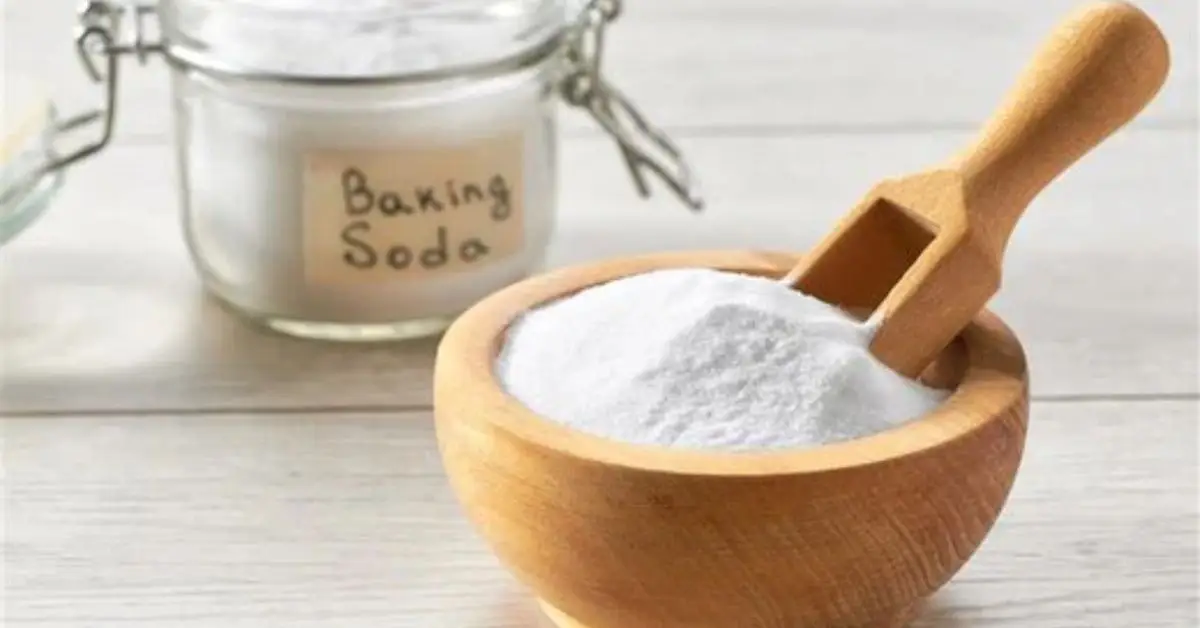
Sometimes you don’t need a stronger solvent. You need controlled friction.
Baking soda gives you that — without scratching glass when used correctly.
How to Make It
- Mix baking soda with a small amount of water
- Stir until it forms a thick paste
How I Apply It
- Spread the paste over the residue
- Let it sit for a few minutes
- Rub gently with a soft cloth or sponge
- Rinse and wipe clean
The fine texture of baking soda helps lift softened adhesive without gouging the surface.
When This Works Better Than Liquids
- When the glue is thin but stubborn
- After you’ve already softened it with heat or alcohol
- On flat surfaces like mirrors or glass panels
It’s one of the few abrasive options that’s safe for regular glass if you stay gentle.
If everything feels smeared but not dissolving, this can be the reset your glass needs.
Quick Comparison Table — Best Method Based on Residue Severity
If you’re unsure which method to try, this makes it simple.
| Method | Easy | Tough | Eco | Fast |
|---|---|---|---|---|
| Soapy Water | ✓ | ✓ | ||
| Vinegar | ✓ | ✓ | ✓ | |
| Alcohol | ✓ | ✓ | ||
| Oils | ✓ | ✓ | ||
| Baking Soda | ✓ | ✓ |
Here’s how I think about it:
- Start gentle.
- Increase strength only if needed.
- Match the method to the type of residue.
This prevents scratches, saves time, and keeps you from overdoing it.
Now tell me — which method are you most likely to try first?
Troubleshooting — When Residue Won’t Budge
Sometimes you do everything “right,” and the sticky layer just sits there staring back at you.
This is where most people give up — or start scraping aggressively. Don’t.
Here’s how I approach stubborn residue step by step:
1. Reapply in the Right Order
Don’t jump randomly between methods.
I follow this sequence:
- Warm soapy water
- Vinegar (if needed)
- Alcohol
- Oil
- Baking soda (as a finishing scrub)
Each step builds on the previous one. Skipping around wastes time.
2. Combine Heat + Solvent
Heat softens the adhesive. Solvent dissolves it.
Try this:
- Use a hair dryer for 30–60 seconds
- Immediately apply alcohol or oil
- Wipe while the surface is still warm
That combination is often the breakthrough.
Professional product manufacturers like CRC Industries also explain how softening adhesive before applying solvent improves removal efficiency (https://www.crcindustries.com/blog/how-to-remove-sticker-residue-from-clothes-glass-plastic-metal-and-more/).
3. When to Consider Commercial Removers
If:
- The sticker has been on for years
- The glue feels hardened and thick
- You’re dealing with industrial adhesive
Then a commercial adhesive remover might make sense.
But only after you’ve tried the household methods properly.
Most residue problems are technique problems — not strength problems.
Aftercare — How to Keep Glass Looking New Post-Residue Removal
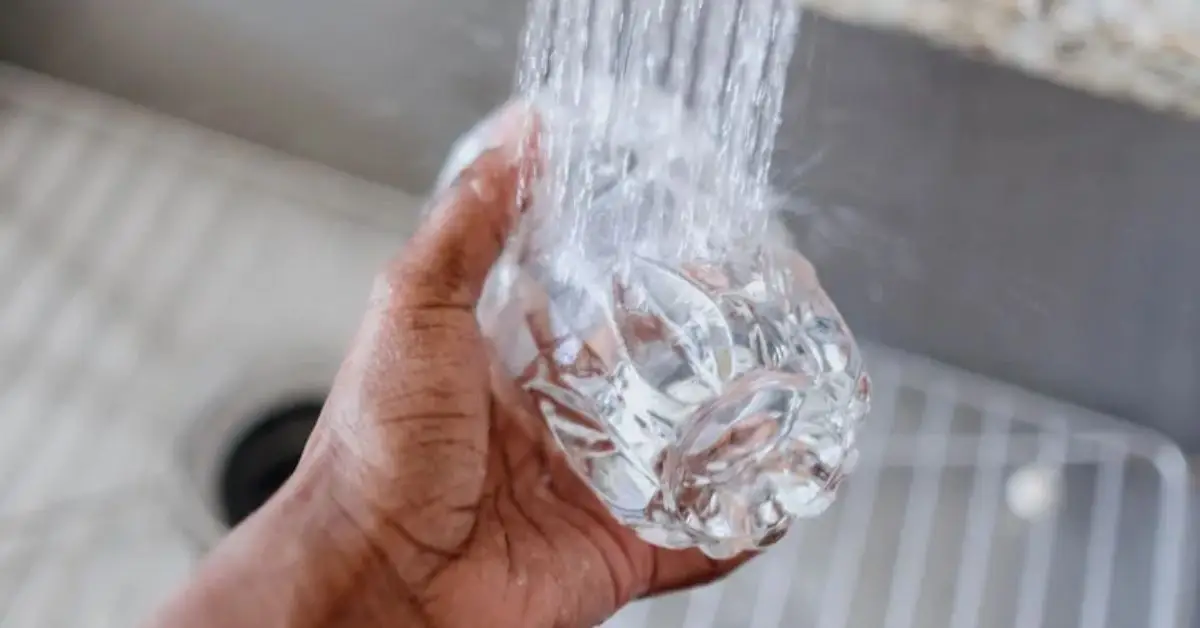
Removing the glue is only half the job.
If you stop there, you often leave behind haze, streaks, or faint smudges.
Here’s what I recommend:
Proper Rinsing Sequence
- Wash the area with mild dish soap
- Rinse with clean warm water
- Dry immediately
Letting water air-dry can leave mineral spots.
Polish With Microfiber
I always finish with a dry microfiber cloth.
It removes:
- Leftover solvent traces
- Water streaks
- Fine haze
You’ll notice the glass looks clearer than before the sticker was even there. If the glass still looks cloudy afterward, mineral buildup could be the real issue — here’s a detailed breakdown of how to remove hard water stains without harsh chemicals.
Storage Tip to Avoid Future Residue
If you’re reusing jars or glass containers:
- Remove labels immediately after purchase
- Don’t let them sit for months
- Store in dry conditions
If you’re storing glass in humid spaces like basements or under-sink cabinets, it’s worth understanding how to prevent and remove mold safely to avoid bigger problems later.
Time and heat make adhesive harder to remove later.
A small habit now saves frustration later.
Safety & Glass Type Notes
Not all glass should be treated the same.
Here’s what you need to know:
Tempered Glass
- More resistant to heat
- Usually safe for controlled hair dryer use
Coated or Tinted Glass
- Found in car windows and decorative panels
- Avoid strong solvents
- Test in a small corner first
Thin Decorative Glass
- Sensitive to rapid temperature change
- Avoid sudden high heat
To avoid scratches and etching:
- Never scrub with steel wool
- Use plastic tools carefully
- Always soften adhesive before rubbing
I’ve seen more damage from impatience than from the adhesive itself.
Slow and controlled wins every time.
Optional Commercial Backup Solutions (When Household Methods Fail)
Sometimes you just want it done fast.
In those cases, adhesive removers like:
- Goo Gone
- Citrus-based removers
can help.
They’re designed to break down adhesive polymers quickly.
But here’s what I avoid:
- Paint thinner
- Industrial acetone on coated glass
- Unknown heavy-duty solvents
If the label says “industrial strength,” be cautious. Glass may survive — coatings might not.
Commercial products are tools, not shortcuts. Use them when necessary, not first.
Final Thoughts
If you understand why the adhesive sticks, choose the right method, and work in the right order, removing sticker residue from glass becomes simple.
No scratching.
No damage.
No frustration.
I’ve cleaned everything from mason jars to window panels using these same principles — and they work when applied patiently.
Now I’d like to hear from you.
What are you trying to clean right now — and which method worked best for you?
Drop your experience in the comments below. And if you found this helpful, explore more practical, no-nonsense home improvement guides on Build Like New.
Disclaimer: The methods shared here are for general informational purposes. Always test any solution on a small, hidden area first, especially on coated, tinted, or specialty glass. Use proper ventilation when working with solvents, and follow product safety instructions where applicable.


