Covington Residents Traumatized After Midnight Home Break-In
I still can’t get the image out of my head: two masked men bursting into a bedroom in the middle of the night, shouting threats, guns in hand. That’s exactly what happened to Don and Renee Baskin in Covington, Tennessee, just after 11 p.m. on March 12. I’ve read countless news reports, seen the police statements, and even watched the video coverage—it’s raw, terrifying, and unfortunately real. You can almost feel the panic, the heart-pounding fear as they tried to protect each other while the intruders demanded cash.
This wasn’t just a robbery; it was a complete invasion of safety, the kind that shakes a family to its core. And while the story is shocking, I want to take you beyond just the headlines. I’ll walk you through what happened, what the police are saying, and—most importantly—what you can do to protect yourself and your loved ones in your own home. By the end, you’ll have both the facts and practical insights that make sense in real life, not just in the news.
Home Invasions in Covington and Tennessee
After reading so many reports about the Baskins’ ordeal, I started wondering how common violent break‑ins like that really are, especially here in the South where Covington sits. It turns out, the picture isn’t simple — and that’s exactly why you need to understand the broader trends before you panic or shrug it off.
Recent Statistics on Home Invasions in Tennessee and the U.S.
Here’s the reality: nationwide burglary and home invasion rates have been declining over the past decade when you look at long‑term crime data, but they still happen frequently and often go unsolved.
According to a detailed breakdown on Forbes Home, the federal crime data shows that residential burglaries — which include home invasions — are a steady part of the crime landscape and can occur any time, day or night. The FBI recorded hundreds of thousands of break‑ins last year, and only a small fraction are ever “cleared” with an arrest, meaning most perpetrators are never caught.
What I take from that is this: even if crime appears to be dropping in some data sets, the threat hasn’t disappeared — and being defenseless or unprepared still puts you and your family at risk. Similar incidents have happened across the country, like the Elizabeth City home invasion where multiple suspects were apprehended, showing the importance of community tips and timely reporting.
Typical Patterns Observed in Local Home Invasions

When researchers and law enforcement study how burglars actually get inside, the methods are surprisingly predictable. Most forced entries begin through common access points like front and back doors or first‑floor windows — exactly like what happened in the Covington case — and often exploit simple weaknesses: unlocked doors, unmonitored windows, or lack of visible security measures.
Another pattern that shows up in crime reports is that many offenders expect an easy target — not necessarily an empty house. Late-night break-ins can be especially dangerous, as seen in a Piedmont home invasion where a resident was injured while trying to protect herself.
A late‑night invasion, while less frequent than daytime break‑ins statistically, tends to be far more violent and unpredictable when it does occur. That’s the part that makes this Covington story deeply personal and gut‑wrenching. You’re not just losing property — you’re confronting the very real danger of someone entering your home while you’re inside.
Safety Measures for Homeowners
After reading what Don and Renee went through, you probably feel a mix of concern and urgency — I certainly did. It’s one thing to know these incidents happen; it’s another to think about how you’d respond if someone forced their way into your home. Let’s talk about practical steps that go beyond fear and actually give you a plan.
Physical Home Security Tips
I’ll be honest with you: the best defense starts before an intruder ever crosses your threshold. Alarm systems and cameras aren’t just bells and whistles — they make your home a seen and recorded target instead of an easy mark. Places with visible cameras and motion detectors are statistically less likely to be hit.
Reinforced locks and deadbolts on all exterior doors, motion‑sensor lights around entry points, and even window bars on lower‑floor windows can slow down or deter someone looking for an easy score. In the Covington case, the suspects made their way through a downstairs window — a weak point many of us forget about until it’s too late. You can read the full coverage of the incident on WREG’s report on the Covington home invasion for reference.
Emergency Response Strategies
You and I both know that during a violent break‑in, panic is instinctive. But having a response strategy makes panic less paralyzing. If you have a safe room — a reinforced bedroom or interior space with a sturdy door and your phone — that can be a lifesaver. If not, think in advance about where you and your family could retreat that gives you distance and an exit route.
Make a habit of keeping phones charged and accessible, and practice quick, simple plans for finding secure cover, calling 911, and communicating with each other without escalating danger.
Community Alerts and Neighborhood Watch Programs
I’ve learned there’s strength in numbers. Neighborhood watch groups and community alert systems — whether it’s a Covington police listserve, a Nextdoor neighborhood group, or a local Facebook safety page — keep you connected to what’s happening block by block. When someone posts about suspicious activity in real time, you get an early warning that no alarm system can replace.
You can also receive quick alerts and updates directly on your phone through local safety channels on WhatsApp, which many neighbors find helpful for staying aware of ongoing incidents in their area.
These local resources also help police gather tips, which is exactly why authorities often ask residents to sign up for alerts during active investigations.
Expert Insights
Sometimes the best guidance doesn’t come from a textbook — it comes from professionals sharing tips in real time. Law enforcement officers on Twitter often post simple, clear safety reminders like:
- “Lock doors and windows every night — even if you’re home.”
- “Keep exterior lights on timers or motion sensors.”
- “Have one central emergency contact number memorized.”
These insights are useful because they’re practical and repeatable. They mirror what security trainers and police departments consistently recommend when they talk about reducing your risk.
Legal and Criminal Follow-Up

After reading about Don and Renee, you’re probably wondering: What happens next? How do the police handle cases like this, and what are the legal consequences for perpetrators?
How Covington Police Handle Home Invasion Cases
In Tennessee, a home invasion is treated as a serious violent crime. When police respond, they collect evidence, interview victims and neighbors, and review security footage if available. Detectives also rely heavily on community tips — which is why Covington police offered a reward to help identify the suspects. Coordinated efforts with state and sometimes federal authorities help track suspects who may operate across county lines.
Legal Ramifications for Perpetrators
Anyone caught robbing a home at gunpoint faces multiple felony charges — armed robbery, aggravated assault, weapons violations, and burglary. Convictions on these violent offenses often carry years or decades in prison, especially if firearms were involved or someone was injured. Courts in Tennessee treat these crimes very seriously, making it clear that home invasions have severe legal consequences.
Home invasions can carry serious consequences; in a recent case in Lower Windsor Township, the suspect faced multiple charges including robbery and weapons violations.
Protecting Yourself Legally
Understanding your rights is crucial. Tennessee’s self-defense laws, including the castle doctrine, allow you to defend yourself in your home if you reasonably believe your safety is at risk. It’s important to act reasonably and proportionally, and to document events if possible. For a detailed guide on Tennessee self-defense laws, check this state law overview.
Psychological Impact on Victims
A home invasion isn’t just about stolen property — it’s a violation of your sense of safety. Many victims experience PTSD, anxiety, and difficulty sleeping long after the incident. Flashbacks, hyper-vigilance, and fear of being home alone are common responses.
If you or someone you care about is struggling, professional help can make a real difference. Therapists specializing in trauma and PTSD can help victims process the experience, regain confidence, and rebuild a sense of security. Seeking support is a valid and important step toward recovery.
Prevention Beyond Your Home
Reading about the Baskins’ experience made me realize that safety isn’t just about what happens inside your home. You and I both need to think about risks outside too.
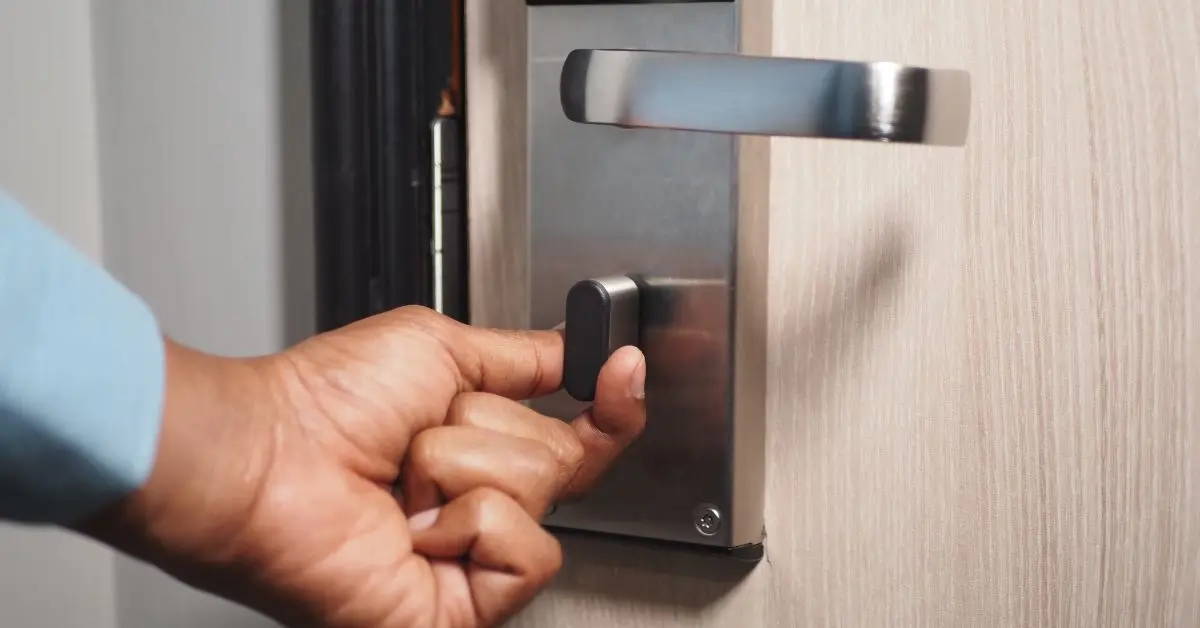
When you’re out shopping or running errands, simple habits like keeping valuables out of sight, parking in well-lit areas, and being aware of your surroundings can make a big difference. The same goes for your digital life — if you have smart locks, cameras, or other home automation devices, make sure your passwords are strong, your devices are updated, and you understand how to monitor them remotely.
Community engagement also matters. Being active in neighborhood groups, attending local safety meetings, and sharing suspicious activity with neighbors or the Covington Police helps everyone stay safer. Small actions, repeated consistently, build a network of protection that benefits you and everyone around you.
Key Takeaways & Action Plan for Covington Residents
Here’s what I want you to remember from everything we’ve covered:
- Lock doors and windows, every single time.
- Install cameras, motion sensors, and other visible security measures.
- Join or support a neighborhood watch program.
- Stay aware when out and protect your digital security.
- Report tips or suspicious activity to Covington Police — and consider the reward if you have information on the Baskins’ case.
I also want to hear from you. Have you taken any steps to protect your home or neighborhood? Share your thoughts and experiences in the comments — your story could help someone else. And if you want more practical safety tips, check out my website, Build Like New, where I share advice on home security, improvement, and planning for safer living.
For more practical home safety tips, updates on local incidents, and community discussions, follow us on X and join our Facebook group to stay informed.
Remember, safety is something we build together — inside our homes, on our streets, and online. Every small step counts.
Disclaimer: The information in this article is for educational and awareness purposes only. It is based on public reports, expert guidance, and credible sources. It should not be considered legal, medical, or professional advice. Readers should consult relevant authorities or professionals for specific guidance related to home safety, legal matters, or personal well-being.