3 Things to Get Rid of Before You Move (And How to Handle Them)
I’ve seen it too many times.
Someone spends thousands on a move… only to unpack boxes in their new place and think, “Why did I bring all this?”
If you’re preparing for a move right now, this is your clean slate. And I’ll say this upfront — decluttering while moving isn’t about being minimalist or throwing half your life away. It’s about not paying to move things you don’t even want.
Most advice online gives you long checklists. Sort this. Toss that. Donate everything.
But when you’re staring at your closet, your garage, your kitchen cabinets — none of that feels clear.
What you really need is focus.
In my experience, there are three categories that quietly cost you the most money, space, and stress during a move. If you tackle these first, everything else becomes easier. Packing gets faster. Movers charge less. Unpacking doesn’t feel overwhelming.
And the best part? You won’t miss any of it.
Let me walk you through exactly what those three things are — and what you should actually do with them instead of just “getting rid” of them.
Before we get into it, quick question for you:
When was the last time you opened a box after moving and thought, “I didn’t need to bring this”?
Why Declutter Before You Move — Not After

I know the temptation.
You tell yourself, “I’ll sort it once I get there.”
But I’ve rarely seen that work out well.
When you move first and declutter later, you’re paying to transport things you already know you don’t use. Movers charge based on weight or volume. The more you carry, the more you pay. It’s that simple.
I’ve worked with people who saved hundreds of dollars just by cutting down what they packed.
And it’s not only about money.
When you bring everything with you, your new place doesn’t feel fresh. It feels crowded before you’ve even settled in. Moving clutter into a new home only delays the inevitable decision-making — you still have to deal with it later, just in a different zip code.
Here’s what happens when you declutter before moving:
- You reduce moving costs
- You pack faster
- You unpack with intention
- You avoid filling your new home with old junk
- You start fresh instead of feeling buried
I always tell clients this: your move is a reset button. If you don’t press it now, you probably won’t later.
How to Decide What to Let Go (A Simple Framework)
Now here’s where most articles fall short.
They give you long lists of items to toss… but they don’t help you decide. And that’s where people freeze.
So instead of guessing, I use a simple filter. When you’re holding something and unsure, ask yourself:
- Have I used this in the last 12 months?
- Will this actually fit or function in my new home’s layout?
- If I needed this again, could I replace it quickly and cheaply?
That last one is often called the “20/20 rule,” explained well by The Spruce in their decluttering guide.
When you run items through these three questions, decisions become clearer. You stop debating emotionally and start thinking practically.
I’ve noticed something important over the years — the stress of moving doesn’t come from packing. It comes from indecision.
This framework cuts that stress down immediately.
Now that you have a filter, let’s talk about the three categories that matter most.
Thing #1 — Consumables & Food That Won’t Make the Move

This is the category almost everyone ignores.
You focus on furniture. Closets. Decor.
Meanwhile, your pantry and under-sink cabinets are quietly adding weight to your move.
And here’s the truth — most of it shouldn’t be coming with you.
What Belongs Here
Take a hard look at:
- Expired pantry food
- Half-used bags of rice, flour, cereal
- Unused or nearly empty cleaning supplies
- Open bottles of oil, sauces, and condiments
- Paint, chemicals, propane tanks, and other hazardous liquids movers won’t transport
Many moving companies won’t even allow flammable or hazardous items on the truck. So if you don’t sort these early, you’ll scramble at the last minute.
Why does this matter?
Because these items:
- Add unnecessary weight
- Can leak and damage other boxes
- Often can’t be donated once opened
- Usually end up thrown away after you move anyway
I’ve seen people pack half-used condiments only to toss them three weeks later in the new kitchen. That’s wasted effort.
What to Do With Them
Instead of tossing everything immediately, be intentional:
- Plan meals around pantry items in the weeks before your move
- Use up cleaning supplies room by room
- Donate unopened, non-expired food to a local food bank
- Schedule hazardous waste drop-off with your city
Moving.com has a helpful breakdown on what movers typically won’t transport.
If it’s replaceable for a few dollars, it’s rarely worth moving.
This category alone can reduce multiple boxes.
Thing #2 — Clothing You Don’t Wear (or Don’t Fit)
Let me guess.
There are pieces in your closet you haven’t worn in over a year… but you’re still packing them “just in case.”
Clothing is one of the biggest volume traps during a move. We overestimate how much we wear and underestimate how much space it takes.
What Belongs Here
Be honest with yourself about:
- Clothes you haven’t worn in the past 12 months
- Items that don’t fit your current body
- Outdated styles you keep “for someday”
- Work clothes from a job you no longer have
- Duplicate basics you don’t actually rotate
I always tell people — your new home deserves the version of you that exists now, not the one from five years ago.
Why this matters:
- Clothes take up serious packing time
- They fill boxes quickly
- They increase moving weight
- Most of them won’t be missed
After dozens of moves I’ve observed, very few people regret donating unused clothing. They regret moving it.
What to Do With Them
Once you separate the keepers, act fast:
- Schedule a donation pickup or drop-off
- Sell high-quality pieces on resale platforms
- Create seasonal bundles (all winter coats, all formalwear) to speed decisions
If something hasn’t earned its place in your daily life, it probably hasn’t earned a spot on your moving truck.
Quick question for you:
If you unpacked your closet in your new home tomorrow, would it feel curated — or crowded?
Thing #3 — Old Furniture, Decor & Duplicates
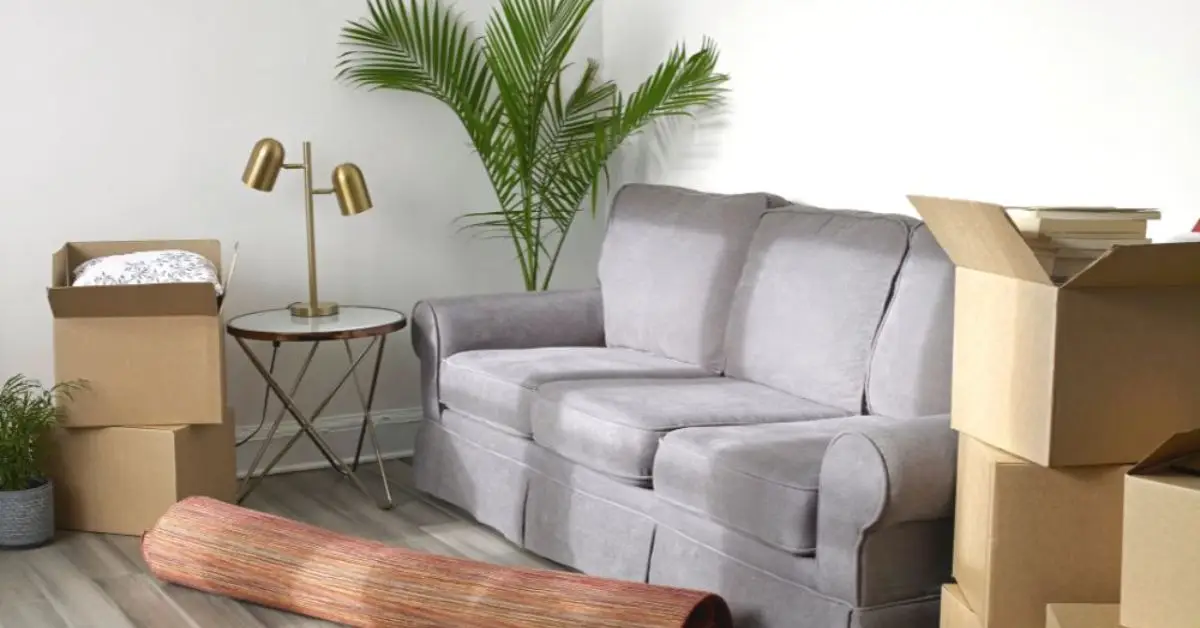
This is where moves get expensive.
Large pieces feel valuable because you paid good money for them. So you automatically assume they’re coming with you.
But I’ve seen more regret over moving bulky furniture than almost anything else.
What Belongs Here
Pause before you schedule the truck and ask:
- Will this sofa actually fit the new living room layout?
- Can this bed frame make it up the stairwell or into the elevator?
- Does this dining table suit the new space — or just the old one?
- Are these decor pieces still your style?
- Do you really need three sets of extra chairs or duplicate kitchen tools?
Furniture that doesn’t fit the floor plan or the scale of your new home becomes a daily frustration.
And the hard truth?
Big items are the most expensive to move. They take up truck space. They increase labor time. And if you wait until moving week to decide, selling them becomes stressful.
Why This Matters
When you move furniture you’re unsure about:
- You pay more in moving fees
- You risk damage in transit
- You rush decisions under pressure
- You often end up replacing it anyway
It’s much easier to let go before it’s wrapped in moving blankets.
What to Do With Them
Once you decide something isn’t coming:
- List it locally on resale platforms
- Host a simple garage sale
- Offer it to friends or neighbors
- Schedule a donation pickup for larger pieces
- Repurpose creatively (an old dresser can become garage storage, a bench can move outdoors)
If you’re unsure what movers typically won’t take or how to plan bulky item removal, this guide from AARP breaks down smart pre-move decisions.
Here’s a simple rule I use: If the item doesn’t clearly improve your new home, it probably doesn’t deserve space in it.
Pro Tips Most People Don’t Tell You
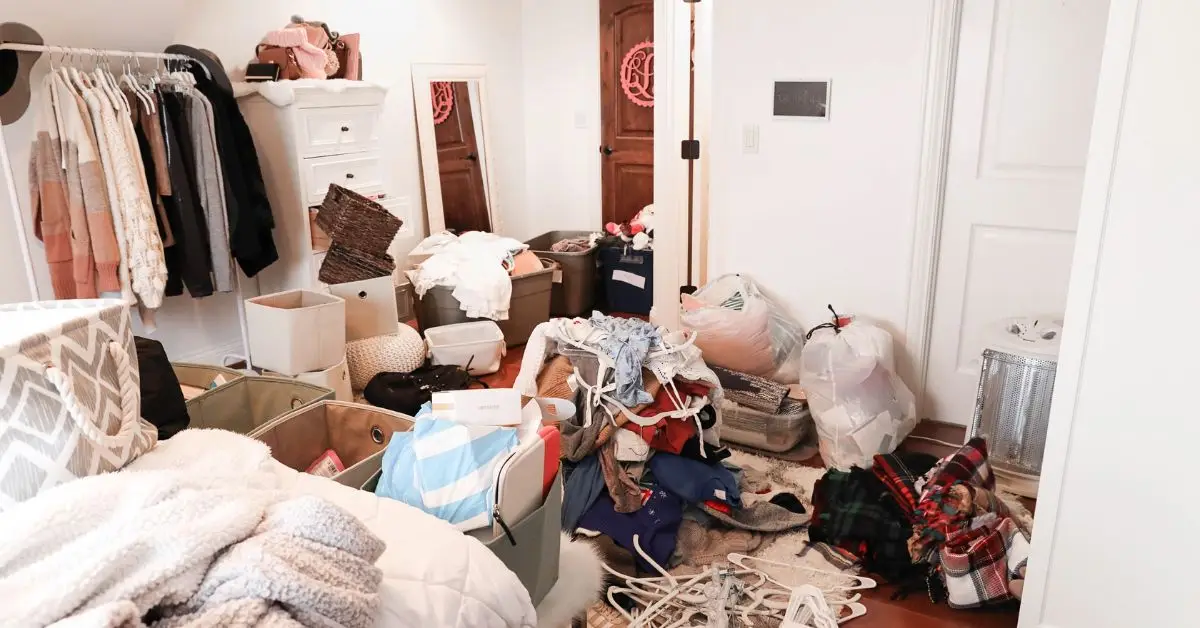
A lot of decluttering advice sounds good in theory. But when you’re in the middle of packing tape and cardboard boxes, you need tactics that actually work.
Here’s what I’ve seen make the biggest difference.
Declutter Room by Room
Don’t bounce between categories. That creates overwhelm fast.
Start with:
- Storage rooms
- Guest rooms
- Closets you rarely open
- Garage shelves
These areas carry less emotional weight, which builds momentum.
Leave sentimental items — photos, memory boxes, heirlooms — for later. By then, you’ll have decision-making muscle built up. If getting started still feels overwhelming, try a structured approach like the 10-10 Decluttering Method, which I’ve explained step by step.
Avoid the “Maybe” Pile
The “maybe” pile feels safe.
It’s not.
It quietly becomes the largest pile in the house. And eventually, it gets packed out of convenience. This “maybe” trap is actually one of the biggest decluttering mistakes people make — and I’ve broken down the other common ones you should avoid.
Instead, force yourself into clearer decisions:
- Keep
- Donate
- Sell
- Trash
If you truly can’t decide, put a small limit on it. A single box. Not a room.
Start Weeks Ahead
This is the one that separates smooth moves from chaotic ones.
Ideally, start decluttering 6–8 weeks before your move date.
That gives you time to:
- Sell items without panic pricing
- Schedule donation pickups
- Use up pantry goods
- Spread decisions over time instead of cramming them into one weekend
Moving stress isn’t caused by the truck.
It’s caused by rushing decisions.
If you start early and focus on these three categories first, your move won’t just be lighter — it’ll feel intentional.
Now be honest with me: Which of these three categories is going to be the hardest for you to let go of?
How Decluttering Saves You Time and Money

Let’s bring this back to what really matters.
This isn’t about becoming a minimalist.
It’s about being smart with your time, energy, and money.
Every item you move costs something — even if you don’t see it directly on the invoice.
When you declutter before moving, here’s what actually changes:
- Lower moving costs — Fewer boxes. Less weight. Less truck space. Less labor time.
- Faster packing — You’re not wrapping things you secretly don’t want.
- Faster unpacking — Every box you open contains something you’ve already chosen to keep.
- Easier settling in — Your new home feels intentional from day one, not cluttered and chaotic.
I’ve watched people spend weeks reorganizing after a move simply because they skipped this step.
And I’ve also seen the opposite.
When someone moves only what they truly use and value, unpacking feels calm. Strategic. Almost satisfying.
Decluttering while moving isn’t extra work. It removes future work.
Closing Thoughts: Your Simple Pre-Move Action Plan
You don’t need a complicated system.
Here’s your quick reset checklist:
- Start 6–8 weeks before your move
- Tackle consumables first
- Audit clothing honestly
- Measure large furniture against your new layout
- Use the 3-question framework for tough decisions
- Schedule donation or selling dates immediately
That’s it. And if you want to build quick momentum before your move, here are 10 things you can declutter in just 10 minutes to feel instant progress.
If you follow just those steps, your move will feel lighter — physically and mentally.
Now I’d love to hear from you:
What’s the one category you know you’ve been avoiding? Drop it in the comments. I read every single one.
And if you want more practical, no-fluff home improvement and smart moving advice, visit Build Like New. I break things down the way I would for a friend — clear, honest, and actually useful.
Your next move can either carry your clutter forward…
Or it can be your clean start.
Which one are you choosing?
Disclaimer: This article is for informational purposes only. Moving costs, disposal rules, and donation options can vary by location, so always confirm details with your local moving company or municipal services before making final decisions.