5 Closet Systems That Will Revolutionize How You Store Your Clothes
I don’t know about you, but every time I open my closet, I feel like I’m facing a small disaster. Shoes piled on top of shirts, scarves lost in a drawer, and hangers that never seem to match—sound familiar? I’ve spent years trying every trick in the book, from cheap wire racks to DIY hacks, and one thing became clear: the right closet system can completely change how you live in your space.
In this guide, I’m going to walk you through the five closet systems that actually work—systems I’ve seen perform in real homes, recommended by both experts and everyday users. No fluff, no generic “buy this, it’s great” advice—just practical solutions that make your closet functional, beautiful, and surprisingly easy to maintain. By the end, you’ll know exactly which system fits your space, your style, and your lifestyle.
Why Closet Systems Matter More Than You Think
I used to think a closet was just a place to hang clothes. Turns out, it’s so much more than that. A poorly designed closet can turn your mornings into a mini obstacle course—digging for socks, trying to find that missing shirt, and feeling frustrated before your day even starts.
Here’s why the right closet system makes a difference:
- Reduces clutter frustration – Everything has a place, so you stop spending minutes (or hours) searching.
- Better organization vs basic rods + shelves – Simple shelves don’t maximize space or accessibility. A system gives zones for shoes, folded clothes, and accessories.
- Functional benefits – You get easy access, a clear overview of your wardrobe, and even a little resale appeal if you ever decide to sell your home.
Once you experience that calm of an organized closet, it’s hard to go back. It’s not just about neatness—it’s about saving time, reducing stress, and finally enjoying your space.
What to Look for When Choosing the Best Closet System

Before you pick a system, I want you to pause and think about your space and lifestyle. One of the first steps I take before picking a new system is decluttering. Knowing which closet items you should always get rid of to make your home feel bigger can make your closet feel instantly bigger and easier to organize. Not every closet system works for every home. Most guides skip this step, but this is where you make sure your choice actually solves your problems.
Here’s what matters most:
Closet Configuration – Reach‑In vs Walk‑In
- Reach‑in closets are shallow, so you need systems that maximize vertical space.
- Walk‑in closets give you room for multiple zones, islands, or drawers.
- Think about your closet depth and how you naturally move around it.
Material & Build – Wood, Metal, Modular
- Wood gives a polished, classic look but usually costs more.
- Metal and wire systems are durable and often easier to adjust.
- Modular systems let you reconfigure as your wardrobe or family changes.
- For detailed guidance on choosing the right materials, I recommend checking SmartBuy Guide on closet systems.
Components That Actually Add Value
- Rods & shelves – Ensure you have both for hanging and folding.
- Drawers & bins – For socks, underwear, and smaller items.
- Shoe storage – Stops shoes from piling on the floor and keeps them visible.
Installation & Flexibility (DIY vs Pro)
- DIY systems save money but require tools, time, and patience.
- Professional installation ensures a perfect fit and may be worth it for custom or heavy systems.
- Consider your space, your skill level, and whether you might move in the next few years.
Budget Brackets – Entry, Mid, Premium
- Entry – Affordable modular or wire systems, good for renters or small budgets.
- Mid – Mix of quality materials and flexibility, balances cost and longevity.
- Premium – Custom built-ins or designer systems, perfect for long-term investment or large spaces.
When you understand these factors, picking a closet system becomes less about guessing and more about choosing something that truly works for you.
How We Picked These 5 Closet Systems
I want to be upfront with you—these aren’t random picks. I’ve combed through expert reviews, Reddit threads, and real user feedback to see which systems actually perform in everyday homes.
Here’s the framework I used:
- Longevity – Will this system last for years, or is it just a temporary fix?
- Configuration flexibility – Can it adapt to different closet sizes or layout changes?
- Ease of installation – DIY-friendly vs. professional setup.
- Adaptability across closet types – Walk-in, reach-in, small spaces, large spaces.
- Real user feedback – Verified comments from people who’ve lived with these systems.
By weighing these factors, I could narrow down the options to the systems that consistently deliver value—not just hype.
Best Closet Systems That Actually Work
Now let’s get to the good stuff: the five closet systems I’ve found truly make a difference. I’ll break down each one, why it works, who it’s best for, and a quick tip from users.
Elfa Closet System (Container Store) – Most Versatile Pick
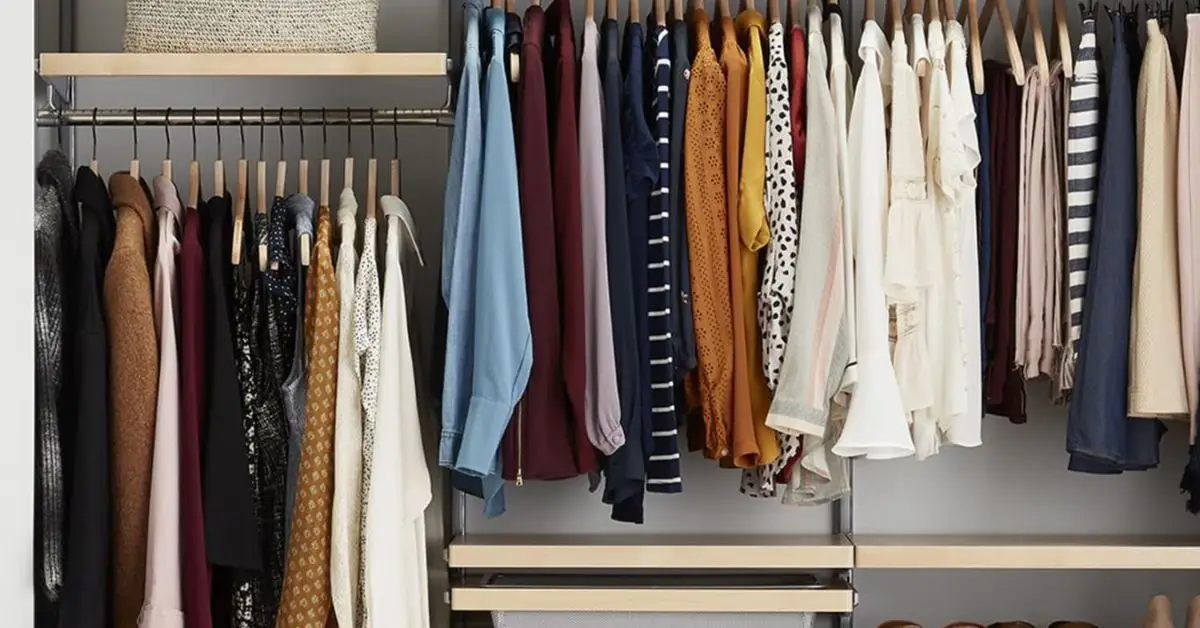
- What it is: A long-standing system with adjustable shelves, rods, and drawers.
- Why it works: Highly flexible design fits both reach-in and walk-in closets, and you can reconfigure as your wardrobe changes.
- Best for: Anyone looking for a system that grows with their space.
- Pros & Cons:
- Pros: Durable, modular, extensive accessories
- Cons: Higher cost, installation can be tricky
IKEA Boaxel or Pax System – Best Modular & Customize-Friendly
- What it is: IKEA’s modular systems designed to adapt to your space and storage needs.
- Why it works: Offers a great balance of price and flexibility, with options for seasonal wardrobe rotation.
- Best for: Families or anyone who frequently updates their closet layout.
- Pros & Cons:
- Pros: Affordable, customizable, easy to expand
- Cons: May require multiple trips to get all parts
Rubbermaid / ClosetMaid Configurations – Best Budget & Adjustable
- What it is: Wire or track-based systems that expand to fit variable widths.
- Why it works: Simple, reliable, and easy to adjust if your storage needs change.
- Best for: Renters, budget-conscious homeowners, or smaller closets.
- Pros & Cons:
- Pros: Cost-effective, flexible, easy to install
- Cons: Wire shelves can feel less premium
- Quick user tip: Adjustable telescoping rods make maximizing vertical space easier. If you’re working with a smaller reach-in closet, following 4 small closet organization steps that actually work can make all the difference—especially when space is tight.
Freestanding Solutions (Rebrilliant / Amazon Basics Expandable) – Best Renter / No Walls
- What it is: Standalone units that don’t require wall mounting.
- Why it works: Perfect for rental spaces or anyone who can’t drill into walls.
- Best for: Renters or temporary living situations.
- Pros & Cons:
- Pros: Portable, no installation required
- Cons: Less permanent, limited load capacity
- Quick user tip: For more renter-friendly setups and expert guidance, check out Bob Vila’s guide to the best closet systems.
Custom Built Closet Systems – Best for Maximum Efficiency & Style
- What it is: Tailor-made systems from companies like California Closets.
- Why it works: Designed to maximize every inch of space while providing a premium look.
- Best for: Homeowners with larger closets or who want long-term investment solutions.
- Pros & Cons:
- Pros: Perfect fit, stylish, high storage efficiency
- Cons: High cost, requires professional installation
- Quick user tip: These systems are worth considering if you plan to stay in your home long-term and want a luxury-level closet experience.
Common Mistakes to Avoid When Upgrading Your Closet

I’ve seen so many people get excited about upgrading their closets and then run into avoidable problems. From Reddit threads to my own experience, a few mistakes come up again and again.
Here’s what to watch out for:
- Picking the wrong size system – Don’t assume one system fits all closets. Measure first, then choose.
- Ignoring ceiling height – A lot of vertical space goes unused if your system doesn’t account for it.
- Over-spending on features you don’t need – Fancy drawers and shoe racks are great, but only if they solve a real problem for your wardrobe.
- Forgetting about accessibility – Make sure everything is within easy reach, especially items you use daily.
- Not planning for future changes – Your closet needs might change with seasons, family growth, or new wardrobe items.
Avoiding these pitfalls saves frustration, time, and money—and makes sure your closet upgrade actually works in real life.
Closet System Checklist (Quick Home Assessment)
Before you buy anything, I like to do a quick assessment of my space. You can do this too—it keeps you organized and ensures your closet system actually fits your needs. Here’s a checklist I follow:
- Measure width, depth, and height – Don’t guess; every inch counts.
- Decide hang vs fold ratio – Figure out how much hanging space you need versus folded storage. Sometimes, even after installing a great system, it’s surprising how much space you can reclaim by applying simple decluttering rules like the 90-90 rule I used on my closet.
- Plan shoe storage and accessories – Shoes, belts, scarves—they all need a dedicated spot.
- Allow breathing room – Leave space to move around and prevent overcrowding.
If you want a more detailed, step-by-step measurement guide, This Old House has a helpful closet planning resource that walks you through sizing, layout, and maximizing storage efficiency.
Wrap-Up: Which Closet System Is Right for You
After going through all five systems, here’s a quick way to match the right one to your space and budget:
- Reach-In or Small Closets: Rubbermaid / ClosetMaid or IKEA Boaxel – flexible, budget-friendly, and easy to install.
- Walk-In Closets: Elfa or IKEA Pax – modular, expandable, and perfect for seasonal wardrobe rotation.
- Renters / Temporary Spaces: Freestanding solutions like Rebrilliant or Amazon Basics – no drilling required, fully portable.
- Long-Term Investment / Luxury Spaces: Custom built systems from companies like California Closets – maximizes every inch and adds style.
The right choice depends on your space, lifestyle, and how much you want to invest. Think about what frustrates you most in your current closet—lack of hanging space, cluttered shelves, or shoes everywhere—and pick the system that fixes that problem first.
I’d love to hear from you: Which type of closet system are you leaning toward? Or do you already have one that changed the game for you? Share your thoughts in the comments below—I check them regularly and often feature reader tips in future guides.
And if you want more expert advice, practical tips, and detailed walkthroughs for organizing your home, visit us at Build Like New. We’re all about helping you make your space work better, smarter, and cleaner—without the stress.
Disclaimer: The information in this article is for general guidance and personal use. Product availability, pricing, and features may change over time. Always measure your space and consult professionals if needed before purchasing or installing a closet system.