
4 Common Household Solutions to Clean Humidifier Buildup Naturally
You don’t really notice your humidifier… until it stops working properly.
Maybe the mist feels weaker. Maybe there’s white dust on your furniture. Or maybe there’s a strange smell you can’t ignore. I’ve seen this happen in homes where the humidifier runs daily — especially during winter — and almost every time, the culprit is the same: mineral scale buildup.
If you’re searching for how to descale a humidifier, you’re likely dealing with hard water deposits. When tap water evaporates, it leaves behind minerals like calcium and magnesium. Over time, those minerals harden inside the tank and around the heating element or ultrasonic plate. That crusty layer doesn’t just look bad — it reduces efficiency, shortens the machine’s lifespan, and can even affect the air you’re breathing.
Most guides online lump “cleaning” and “descaling” together. But they’re not the same thing. Cleaning removes dirt and bacteria. Descaling specifically targets that stubborn mineral buildup. And if you skip it, no amount of rinsing will fix the problem.
I’ve tested different methods over the years — some work fast, some barely make a dent. The good news? You don’t need expensive chemicals. A few powerful household ingredients can break down scale safely and effectively when used the right way.
Before we get into them, take a second: when was the last time you deep-cleaned your humidifier?
Understanding Scale: What’s Actually Building Up Inside Your Humidifier
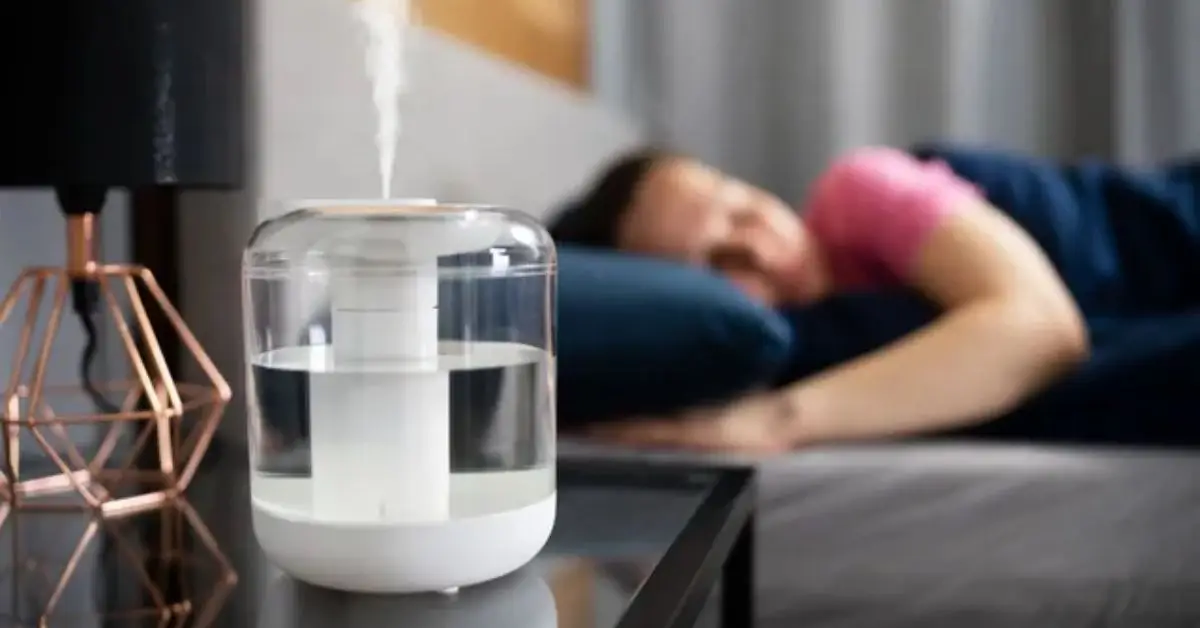
Let me explain something most guides skip.
That chalky white crust inside your humidifier? It’s not random dirt. It’s mineral scale — and it forms because of what’s in your water.
If you use regular tap water (most of us do), it contains minerals like calcium and magnesium. When the water turns into mist, those minerals don’t evaporate with it. They stay behind. Over time, they harden into a stubborn layer that sticks to the tank, heating element, or ultrasonic plate.
I’ve opened humidifiers that looked clean from the outside but had thick mineral sheets inside. That buildup doesn’t just sit there — it slowly interferes with how the unit performs.
Here’s what’s happening:
- Hard water leaves mineral residue after every use
- The residue dries and hardens into scale
- Each new layer builds on top of the old one
- Eventually, airflow and mist output drop
If you live in a hard water area, this happens much faster.
Now here’s the part most people don’t think about: that white dust you sometimes see on furniture? That can be mineral particles being released into the air. Over time, scale can also trap moisture, which increases the chance of bacterial growth inside the unit.
This is why descaling isn’t just about appearance — it’s about performance and air quality.
One simple prevention step I always recommend: switch to distilled water. It has far fewer dissolved minerals, so there’s much less buildup in the first place. It won’t eliminate cleaning completely, but it drastically slows the problem.
Ignore scale long enough and you risk:
- Reduced mist output
- Overheating components
- Shorter machine lifespan
- Potential air contamination
Once you understand what scale really is, using the right descaling ingredient starts to make a lot more sense.
Safety First: What You Should (and Shouldn’t) Do Before Cleaning
Before you pour anything into your humidifier, pause.
I’ve seen people damage perfectly good units just because they skipped basic safety steps. Descaling is simple — but only if you do it carefully.
Here’s what I always do first:
- Unplug the humidifier completely
- Empty all remaining water
- Take apart removable components
- Check the user manual before soaking anything
Some parts are not meant to be submerged. Sensors, motors, and certain filters can get damaged quickly if soaked.
Another big mistake? Adding random things into the tank because someone online said it “smells nice.”
You should never put these in your humidifier water:
- Essential oils (unless the unit is designed for it)
- Perfumes or fragrances
- Vinegar during normal operation
- Hydrogen peroxide while running
- Beverages or DIY mixtures
As noted by Homes & Gardens, adding substances like essential oils to standard humidifiers can damage internal parts and affect indoor air quality. It’s not just about scent — it’s about protecting both the machine and the air you breathe.
And one more critical warning:
Never mix cleaning agents.
For example:
- Vinegar + bleach = toxic gas
- Hydrogen peroxide + vinegar (mixed together in a container) = dangerous reaction
Use one cleaning agent at a time. Rinse thoroughly before switching to another.
I always tell homeowners this: cleaning your humidifier should improve your air — not create a new problem.
Now that you know what causes scale and how to clean safely, the next step is choosing the right household ingredient to actually remove that buildup.
Ingredient #1: White Distilled Vinegar (Best Overall Descaler)
If you open five top guides on how to descale a humidifier, almost all of them recommend one thing first: white distilled vinegar.
And honestly? They’re right.
Vinegar works because it contains acetic acid. That acid reacts with calcium and magnesium deposits and slowly breaks them down. It softens that hard crust so you can wipe it away instead of scraping aggressively.
I’ve used vinegar on everything from light buildup to thick, flaky scale — it’s reliable, affordable, and already in most kitchens.
Here’s exactly how I do it:
Step-by-step vinegar descaling method
- Unplug the humidifier and empty the tank
- Mix a 1:1 ratio of white distilled vinegar and warm water
- Pour enough solution into the tank and base to cover scaled areas
- Let it soak for 20–30 minutes (45 minutes if buildup is heavy)
- Gently agitate or swirl the tank halfway through
- Use a soft brush or cloth to loosen remaining residue
If you see stubborn spots around the ultrasonic plate or heating element, dip a cloth in straight vinegar and lay it directly on the area for 10–15 minutes. That concentrated contact helps break down thicker scale.
After soaking:
- Rinse thoroughly with clean water (at least 2–3 times)
- Wipe dry with a clean towel
- Let all parts air dry completely before reassembling
Never run the humidifier with vinegar still inside. It’s for cleaning only — not operation.
If you want a manufacturer-backed perspective on this method, brands like AIRCARE outline similar vinegar-based descaling steps in their maintenance guides.
For most households, vinegar is the safest and most practical starting point.
But it’s not always the strongest option.
Ingredient #2: Citric Acid (Stronger, Odor-Free Option)
If vinegar struggles with heavy scale, this is where I level up.
Citric acid is a naturally occurring acid found in citrus fruits. In powdered form, it’s more concentrated than vinegar — which means it can break down mineral buildup faster and more effectively.
It also doesn’t leave behind that sharp vinegar smell.
Here’s how I use it:
How to mix and use citric acid
- Mix 1–2 tablespoons of citric acid powder per 1 cup of warm water
- Stir until fully dissolved
- Pour into the tank and scaled areas
- Let it soak for 20–30 minutes
- For heavy buildup, extend to 45–60 minutes
- Gently scrub with a soft brush if needed
You’ll often see bubbling or fizzing — that’s the acid reacting with mineral deposits.
Why I like citric acid:
- Stronger than vinegar for thick scale
- Virtually odor-free
- Eco-friendly and biodegradable
- Leaves no lingering smell in the unit
If you’re dealing with thick white crust or live in a very hard water area, this is usually the better choice.
For light maintenance, vinegar is enough.
For heavy, layered buildup, citric acid wins.
Ingredient #3: Lemon Juice or Fresh Citrus (Natural Alternative)
Sometimes you just want something simple and natural.
Lemon juice contains citric acid — just in a milder concentration. It won’t be as strong as powdered citric acid, but it can handle light mineral buildup and gives you a fresh scent in the process.
Here’s how I recommend using it:
Step-by-step lemon method
- Mix 1 cup of lemon juice with 1 cup of warm water
- Pour into the tank and base
- Let it soak for 25–30 minutes
- Swirl occasionally
- Gently scrub scaled areas
- Rinse thoroughly
It works best for:
- Light mineral deposits
- Routine monthly maintenance
- People who prefer natural, kitchen-based solutions
Lemon also has mild antibacterial properties, which makes it a decent secondary cleaning option.
If your humidifier has heavy crust buildup, lemon may not be strong enough on its own. But for maintenance cleaning, it’s perfectly fine.
Ingredient #4: Hydrogen Peroxide (For Mold & Bacteria)
Here’s something many guides barely explain.
Descaling removes minerals.
It does not necessarily kill microbes.
If your humidifier has been sitting with stagnant water, there’s a chance bacteria or mold has developed inside. If mold has already become a recurring issue in your home, I’ve outlined practical prevention steps in my detailed guide on how to stop mold in your humidifier this winter. That’s where hydrogen peroxide comes in.
Hydrogen peroxide (3% solution) works as a disinfectant. It releases oxygen bubbles that break down organic matter and kill many microbes.
But this is important — I use it after descaling, not instead of it.
How to use hydrogen peroxide safely
- Make sure all vinegar or citric acid has been rinsed out first
- Pour 3% hydrogen peroxide directly into the tank (no dilution needed for most household use)
- Let it sit for 15–20 minutes
- Swirl gently to coat surfaces
- Rinse thoroughly with clean water
Safety rules you must follow:
- Never mix hydrogen peroxide with vinegar or bleach
- Never run the humidifier with peroxide inside
- Avoid soaking electronic components
- Check manual if unsure about plastic compatibility
Hydrogen peroxide is ideal when:
- You notice a musty smell
- The humidifier hasn’t been cleaned in months
- You suspect mold growth
If your unit contains sensitive sensors or special coatings, consult the manufacturer first.
When used correctly, this step adds a hygiene layer most people skip — and that can make a real difference in the air you’re breathing.
Bonus Household Hacks
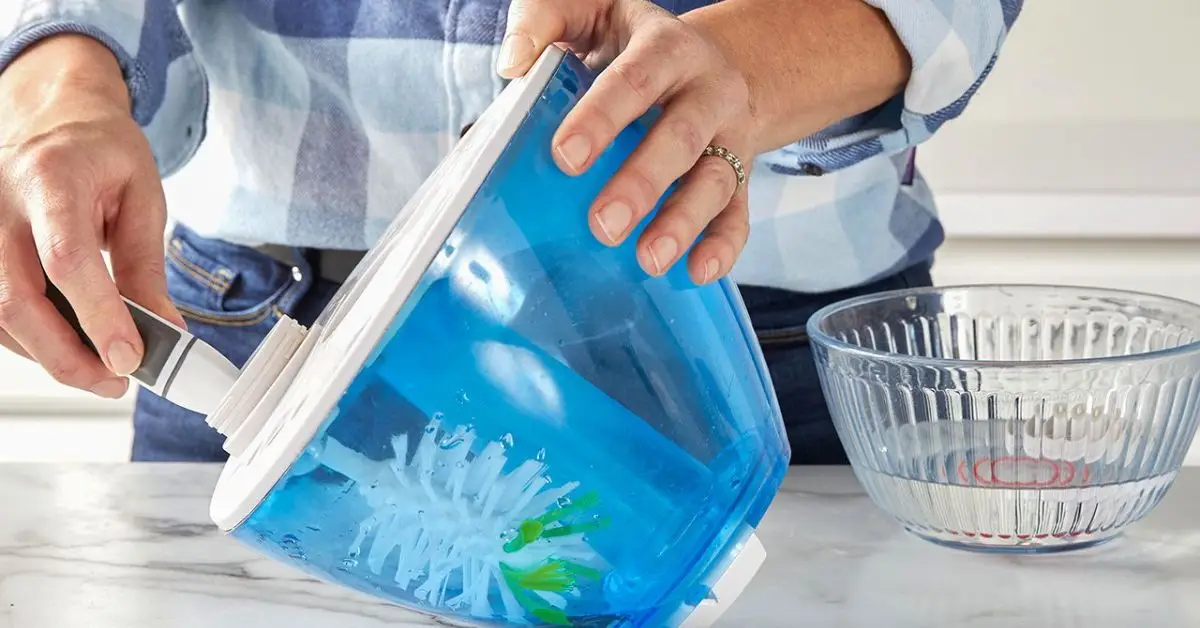
This is where things get interesting.
When I want to see what actually works in real homes — not just what brands recommend — I look at cleaning communities. Reddit threads are full of people dealing with extreme hard water, neglected humidifiers, and stubborn scale that refuses to budge.
One tip that comes up repeatedly:
For tough buildup, some users increase citric acid concentration slightly.
Instead of the basic mix, they use:
- 2–3 tablespoons citric acid per cup of warm water
- Soak for up to 60 minutes
- Gently swirl every 15 minutes
The key word is gently. I’ve seen people admit they tried chipping off scale with knives or screwdrivers. That might remove buildup — but it can also scratch heating plates or damage ultrasonic membranes permanently.
Smarter alternatives I’ve seen work well:
- Use a soft toothbrush for tight areas
- Wrap a vinegar- or citric-soaked paper towel around stubborn spots
- Let time do the work instead of force
- Repeat a second soak instead of scraping aggressively
Non-toxic approaches always win long term. Patience is safer than pressure.
Here’s what you should never use:
- Metal scrubbers
- Steel wool
- Sharp tools
- Drill attachments
- Abrasive powders
Those might remove scale — and also remove protective coatings or ruin sensors.
Real homeowners often learn this the hard way. You don’t have to.
Prevention: Keep Scale From Coming Back
Here’s something most cleaning guides barely emphasize:
Descaling is reactive. Prevention is smarter.
If you don’t change how you use your humidifier, scale will return. Quickly.
The biggest fix? Switch your water.
Using distilled or demineralized water dramatically reduces mineral buildup. Since it contains very few dissolved minerals, there’s less residue left behind after evaporation.
Health sources like Healthline also highlight the importance of regular humidifier maintenance for both performance and air quality.
Here’s what I personally recommend for prevention:
Daily or After Each Use
- Empty remaining water
- Wipe the tank dry
- Leave the cap off so moisture evaporates
Weekly
- Quick rinse with water
- Light vinegar or citric wipe-down if needed
Every 2–4 Weeks (depending on water type)
- Full descaling soak
And when the season ends, don’t just unplug it and forget it — follow this step-by-step guide on how to clean and store your humidifier for the off-season to prevent mold and mineral damage before next winter.
Don’t forget filters and cartridges. Some humidifiers have demineralization cartridges that reduce white dust. If yours does:
- Check the replacement schedule
- Don’t rinse disposable filters unless the manual allows it
- Replace on time — clogged filters stress the unit
Prevention isn’t complicated. It’s just consistent.
And it saves you from scraping mineral crust every month.
Quick Troubleshooting & When to Replace
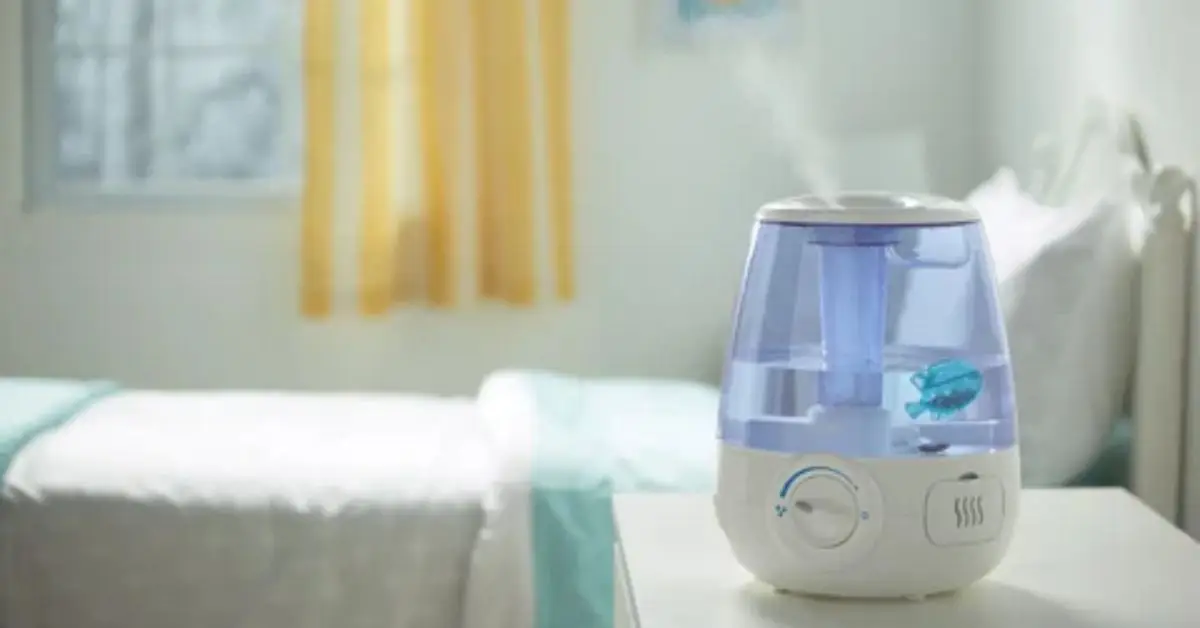
Sometimes, even after soaking and scrubbing, scale won’t fully come off.
If that happens, try this first:
- Use a stronger citric acid solution
- Extend soak time
- Repeat the process instead of forcing removal
If buildup still won’t move, a manufacturer-approved descaler might be necessary.
Now let’s talk about warning signs.
If you notice:
- Blackened heating elements
- Cracked ultrasonic plates
- Peeling internal coatings
- Burning smells
- The unit powers on but produces no mist
That may not be a cleaning issue anymore.
Scale left untreated for too long can cause overheating. Sensors can fail. Internal components can degrade.
At that point, descaling won’t fix electrical damage. But before you assume the unit is beyond saving, make sure you’ve covered these 7 things you must do before storing a humidifier, since improper storage often creates problems that look like permanent failure.
You should consider replacement when:
- Repair costs approach the price of a new unit
- Mist output stays weak after thorough cleaning
- Internal damage is visible
A humidifier is meant to improve your air — not become a maintenance headache.
If yours is constantly failing despite proper cleaning, it might be time to upgrade.
Now let me ask you — are you trying to fix heavy buildup right now, or are you planning to prevent it from happening again?
Bring Your Humidifier Back to “Like New”
If you’ve made it this far, you already understand something most people don’t.
Descaling isn’t just about cleaning. It’s about protecting your machine, your indoor air, and your investment.
Mineral scale builds slowly. You don’t notice it day to day. But over weeks and months, it reduces mist output, stresses components, and can even affect what gets released into your air.
The good news?
You don’t need expensive products.
- Vinegar handles routine buildup.
- Citric acid tackles heavy scale.
- Lemon works for light maintenance.
- Hydrogen peroxide adds a disinfecting layer when needed.
If you combine the right ingredient with smart prevention — especially switching to distilled water — your humidifier can run efficiently for years.
Now I’d like to hear from you.
Have you dealt with stubborn scale before?
Did vinegar work for you, or did you have to switch to something stronger?
Drop your experience in the comments. Your insight might help someone else avoid replacing a perfectly good humidifier.
And if you found this guide useful, explore more practical, no-nonsense home maintenance advice on Build Like New. I share real-world fixes that save time, money, and frustration — without overcomplicating things.
Let’s keep your home running the way it should.
Disclaimer: This guide is for general informational purposes only. Always check your humidifier’s manufacturer instructions before cleaning, as materials and components can vary. Use cleaning agents as directed and never mix chemicals. If your unit shows electrical damage, persistent malfunction, or heavy mold growth, consult the manufacturer or a qualified professional before continuing use.


