Try This Weekly “Closing Shift” Routine for a Stress-Free Home
By Friday evening, I used to feel that quiet panic.
You know the one. The house isn’t a disaster — but it’s messy enough that your weekend already feels spoken for. Laundry in a chair. Crumbs on the counter. That slow build of clutter that makes Monday feel heavier than it should.
That’s exactly where the closing shift weekly cleaning method comes in.
If you’ve worked retail or restaurants, you already get the idea. Before you lock the doors, you reset everything. Surfaces wiped. Trash out. Floors swept. You leave the space ready for a fresh start the next day.
Now imagine doing that for your home — once a week, intentionally.
The “closing shift” concept has picked up serious traction across lifestyle sites and social platforms because it solves a real problem: weekend overwhelm. Instead of spending half your Saturday deep-cleaning, you build a structured reset that closes out the week and sets up the next one.
What I like about this method is that it’s not about perfection. It’s about readiness.
You’re not scrubbing baseboards at midnight. You’re clearing mental space. You’re walking into Monday without the weight of unfinished chores staring at you.
And here’s the gap most articles miss: this isn’t just a cleaning routine. It’s a boundary. A psychological signal that the week is done and the next one starts clean — physically and mentally.
When done right, your home feels lighter. Your Sunday feels calmer. Your Monday feels controlled instead of chaotic.
So let me ask you — what would your week feel like if your home was already reset before it even began?
Core Steps in a Weekly Closing Shift Cleaning Routine
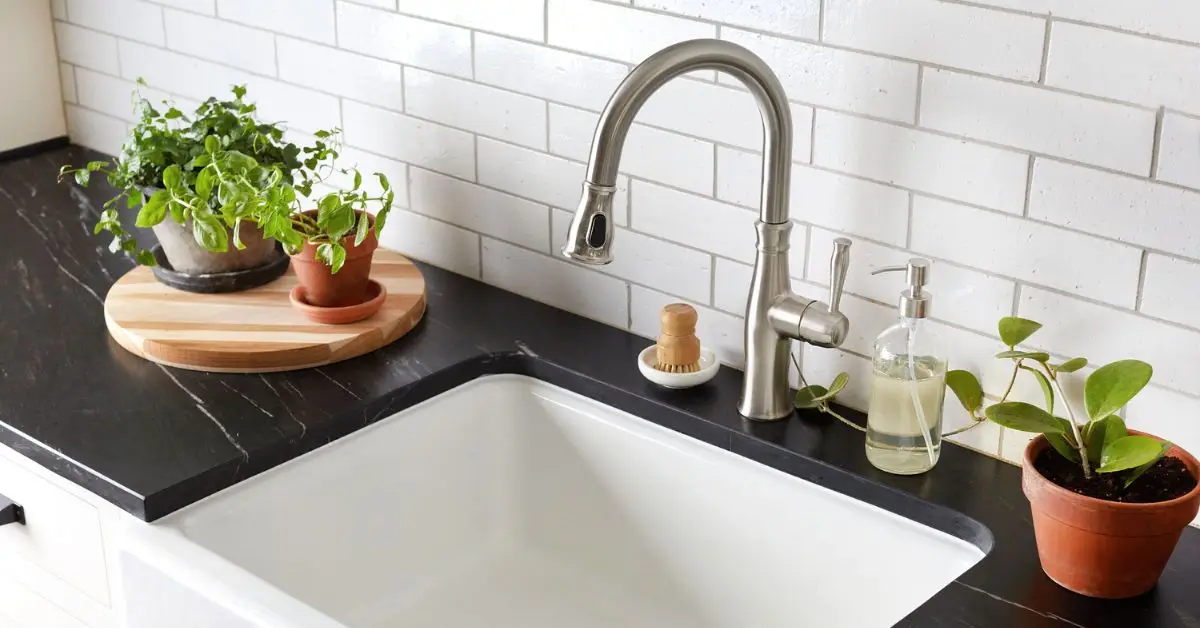
This is where the closing shift stops being a vague idea and becomes a habit that works.
If you skip structure or rely on motivation alone, it fades fast. I’ve learned to break it into clear parts — and you can too.
Choose Your Weekly Closing Shift Day
The single biggest reason people don’t stick with this method is they don’t treat it like a scheduled thing.
Here’s how I do it:
- Friday evening — I close out the week before my weekend starts.
- Sunday late afternoon — This finishes the weekend on a calm note.
- Midweek (if your schedule’s tight) — Helps manage buildup before it gets wild.
Consistency is your secret weapon here. Pick a time, protect it, and treat it like something you actually care about — because you should.
Step-by-Step Room Breakdown
The power of a weekly closing shift comes from focusing on zones, not perfection.
The way I move through rooms makes the whole house feel reset without burning hours.
Kitchen Reset (Start Here)
Your kitchen is ground zero for daily mess. When that’s clean, everything feels lighter.
I focus on:
- Clearing all counters and wiping them down
- Scrubbing the sink until it’s fresh
- Wiping the fronts of appliances
- Tossing old food from the fridge
- Taking out trash and sanitizing the bin
- Sweeping and mopping the floor
This isn’t random — it’s exactly the structure shown in lifestyle hubs like Better Homes & Gardens’ closing shift weekly cleaning routine. When you hit the hardest area first, the rest feels manageable instead of overwhelming.
Bathrooms (Quick but Effective)
Bathrooms are small, but they hit you emotionally if neglected.
I make sure to:
- Wipe sink, counters, and mirror
- Disinfect high-touch spots
- Scrub the toilet properly
- Swipe through shower/tub surfaces
- Swap fresh towels in
You’re not deep-cleaning tile by tile — you’re preventing buildup. That’s the smart weekly reset.
Bedrooms (Reset Where You Sleep)
Bedrooms affect rest and mindset more than most people realize.
Here’s my routine:
- Change bed sheets
- Clear nightstands
- Return clothes to closets/drawers
- Vacuum or sweep the floor
- Empty bedroom trash
Giving your sleeping space a little weekly love makes a huge difference in how you recharge.
Living Areas (Clear the Visual Noise)
These are the spaces you and guests see first.
For these zones I:
- Declutter flat surfaces
- Return stray items to their rooms
- Dust electronics and shelves
- Fluff pillows and fold throws
- Vacuum or sweep floors
Visual calm leads to mental calm. That’s part of why this method feels so good.
Other Hotspots You Shouldn’t Ignore
Small zones often get forgotten — until they start bugging you.
I check:
- Entryway: Shoes aligned, mail sorted
- Pet areas: Wipe bowls, shake mats, vacuum fur
- Laundry zone: Clear lint, fold leftover clothes
- All trash cans: Empty and sanitize
These take just a few extra minutes but make the whole reset feel complete.
How Weekly “Closing Shift” Complements Daily Tidying (And Why Most People Miss This)

Here’s the mistake I see over and over.
People treat weekly cleaning like a rescue mission.
They ignore small messes all week… then try to fix everything in one exhausting session. That’s not a reset. That’s burnout.
Your weekly closing shift works best when daily tidying supports it. If you want a simple structure to make that daily reset automatic, I break it down step-by-step in my guide on the 20-minute nightly cleaning habit that saves you hours all week.
I think of it this way:
- Daily tidy = maintenance
- Weekly closing shift = structured reset
There’s growing discussion around simple 20-minute nightly routines that keep homes manageable. Coverage from National World highlights how short evening resets can prevent clutter from snowballing.
And that’s the key.
Here’s how I combine both in real life:
What I Do Daily (5–20 Minutes)
- Clear kitchen counters before bed
- Load or run the dishwasher
- Quick living room reset
- Toss trash and gather stray items
- Put tomorrow’s essentials in place
That’s it. No deep scrubbing. No floor mopping.
What I Save for Weekly Closing Shift
- Proper kitchen scrub
- Bathroom disinfect + attention to buildup
- Fresh sheets
- Full-home vacuum
- Appliance wipe-down
When you maintain daily, your weekly reset feels controlled — not chaotic.
If you scroll Reddit cleaning threads, you’ll see the same pattern. Many users say their weekly clean became manageable only after adding small nightly resets. Once they did, their weekend cleaning time dropped significantly.
That’s the gap most advice ignores.
The weekly closing shift is powerful — but only when it isn’t cleaning up seven days of neglect.
So ask yourself honestly: Are you maintaining during the week… or pushing everything to Sunday?
Psychological Benefits of a Weekly Reset
This method works because it fixes more than surfaces.
It fixes mental noise.
Clutter doesn’t just sit there. It competes for your attention. Even if you’re not consciously thinking about it, your brain registers unfinished tasks.
That background tension builds quietly.
When I complete a weekly closing shift, I feel a clear mental drop. It’s like closing open tabs in your browser.
There’s a reason for that.
Habit loops and task completion shows that finishing a cycle creates relief. When something is “closed,” your brain stops tracking it as pending.
That’s why Sunday night feels different after a reset.
- The kitchen is ready.
- The laundry is done.
- The floors are clean.
You walk into Monday without that low-level guilt hanging over you.
It’s not about perfection. It’s about closure.
And closure creates calm.
Common Mistakes With Weekly Cleaning Routines (And How to Avoid Them)
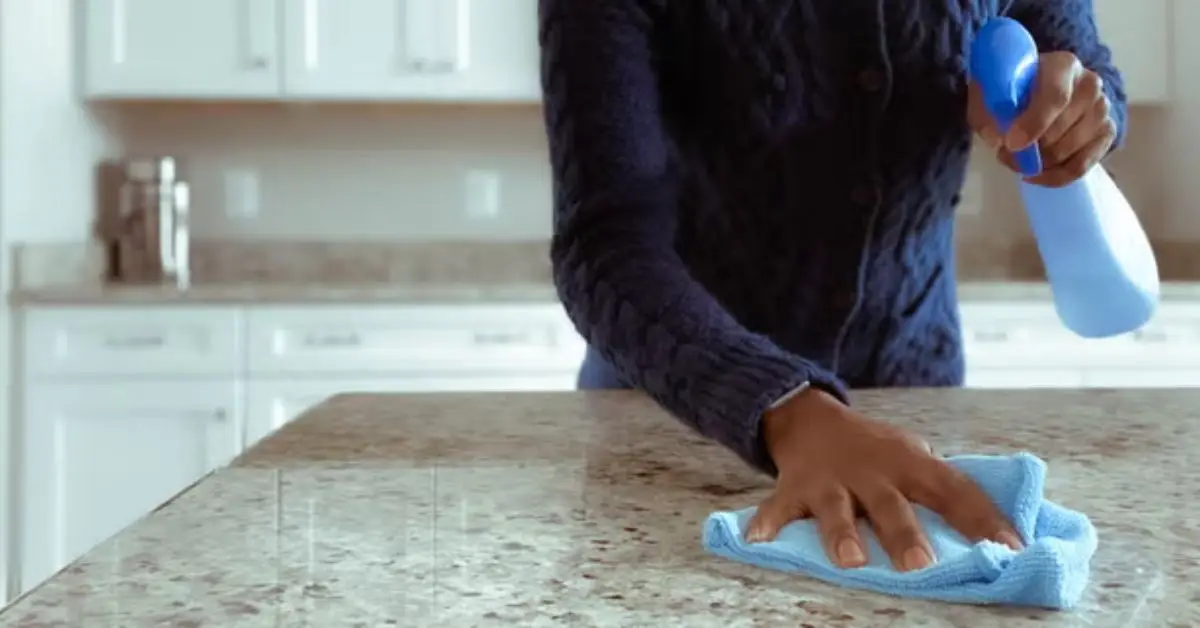
I’ve seen smart, motivated people quit this method — not because it doesn’t work, but because they approach it wrong.
Let’s fix that.
1. Waiting Until the Mess Is Massive
If you skip a week or two, the reset turns into a marathon.
Solution:
Even if you’re tired, do a lighter version. Momentum matters more than intensity.
2. Doing Everything at Once
Trying to detail baseboards, organize closets, and deep-clean appliances in one session is a fast way to hate the method.
Solution:
- Focus on high-impact areas
- Work room by room
- Stop when it feels reset — not showroom-ready
3. Ignoring Small Daily Resets
If you don’t manage daily buildup, the weekly clean becomes overwhelming.
Solution:
- Make nightly counter clearing non-negotiable
- Keep your sink empty before bed
That one habit alone reduces 30–40% of weekly stress.
A lot of these small habits aren’t new — they’re the same practical systems covered in my article on timeless cleaning habits your grandma swore by that still work today, and they work because they’re simple and repeatable.
4. Not Syncing Laundry With Your Reset
Laundry floating around midweek ruins the “closure” feeling.
Solution:
- Change sheets during your closing shift
- Fold and put away clothes before you finish
When laundry is complete, your brain registers the week as complete.
Tools & Checklist for a Better Weekly Closing Shift
If you want this to work long term, you need two things:
- A simple weekly checklist you actually follow
- The right tools that make cleaning faster, not harder
Once you reduce decision fatigue — “What do I do next?” — you cut your cleaning time and protect your energy. That’s exactly why systems like the one explained by The Spruce on the closing-shift cleaning method help make habits stick without stress.
Your Weekly Closing Shift Printable Checklist
Treat this like your reset roadmap:
Kitchen
- Clear and wipe counters
- Scrub the sink
- Wipe appliance fronts
- Toss expired food
- Take out trash
- Sweep + mop
Bathrooms
- Wipe sink and mirror
- Disinfect faucets and high-touch spots
- Scrub toilet
- Quick tub/shower wipe
- Fresh towels
Bedrooms
- Change sheets
- Clear nightstands
- Return stray clothes
- Vacuum/sweep
- Empty bin
Living Areas
- Declutter flat surfaces
- Dust electronics/shelves
- Vacuum/sweep
- Reset pillows/throws
Other Zones
- Entryway reset
- Pet area wipe
- Finish laundry
- Empty all trash
This isn’t perfection. It’s progress — consistent and predictable. And just as important — knowing what not to clean every week can save you serious time, which is why I wrote about the 6 home spots you can stop cleaning (experts explain why).
Tools That Change the Game
You don’t need a closet full of products. You need reliable basics:
- Vacuum (lightweight or cordless)
- Microfiber cloths (multiple)
- All-purpose spray
- Disinfectant wipes or spray
- Glass cleaner
- Mop or floor spray system
- Trash bags stocked
When your tools are ready before you start, your closing shift flows instead of dragging.
Time-Boxing Your Weekly Reset
One reason people quit this method is they don’t set limits.
Here’s how I time-box mine:
- Kitchen: 20–30 minutes
- Bathrooms (each): 10–15 minutes
- Bedrooms: 10 minutes each
- Living Areas: 15–20 minutes
- Other Zones: 10–15 minutes
Total? 60–90 minutes for most homes. Not perfect. Not exhausting. Just enough.
Set a timer, move with focus, and when the timer beeps — you’re done for the week.
Bonus: “Closing Shift” Method Variations for Different Lifestyles
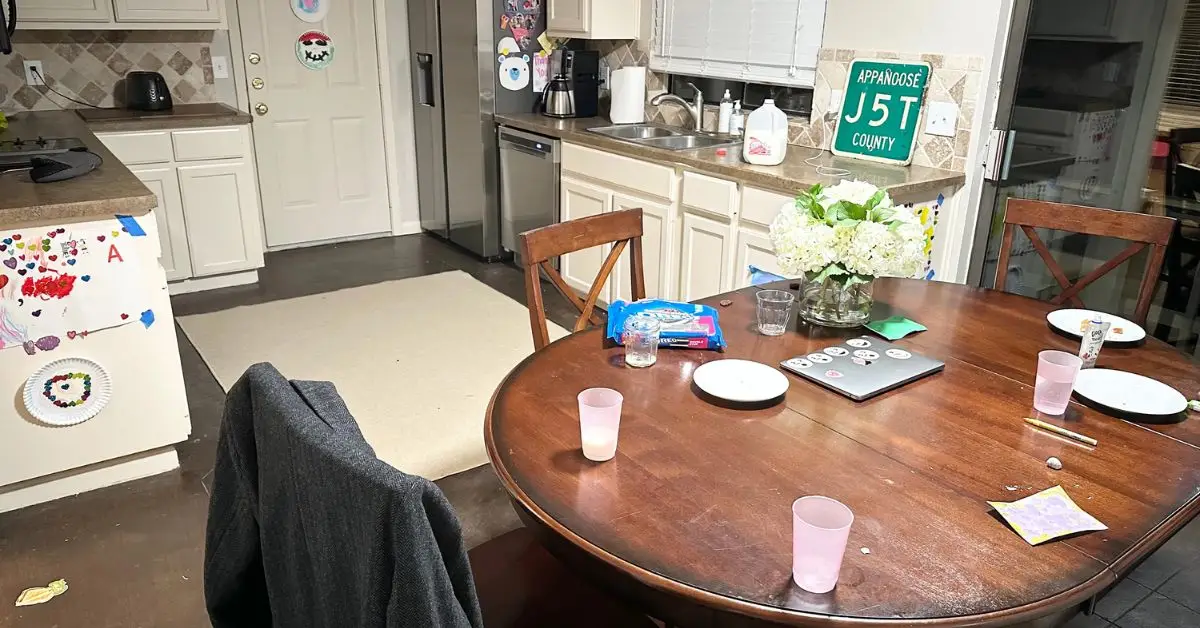
One thing I love about this method is that it flexes with your life. Your week isn’t the same as everyone else’s — your cleaning system shouldn’t be either.
For Couple Households
Divide by area, not by task type:
- One person starts with kitchen + trash
- The other hits bathrooms + living areas
You finish together, and that teamwork builds rhythm instead of resentment.
For Busy Professionals
Keep it lean and realistic:
- Do a 10-minute daily evening reset
- Your weekly shift stays under 60 minutes
- Prioritize high-impact zones only
Less is more when time is short.
For Families With Kids or Pets
The chaos is real — but so is the payoff:
Add these to your weekly reset:
- Toy pickup sprint
- Pet hair vacuum pass
- School bag + jacket zone reset
Involve the kids in small roles — a 5-minute timer can turn cleaning into a game.
For Minimalists vs. Deep Cleaners
Both can win — just differently:
If you lean minimalist:
- Your reset moves fast
- You focus on surfaces and visible calm
If you love detail:
- Add one “bonus” each week (fridge shelf, baseboards, pantry)
- Don’t try to do all details every time
Your goal isn’t perfection. It’s a clear, calm start to the next week.
Why This Method Works Better for Your Week
Most cleaning routines focus on tasks.
This one focuses on control.
When you run a weekly closing shift, you’re not just wiping counters. You’re deciding that your week doesn’t get to spiral. You’re setting a boundary between “what happened” and “what’s next.”
That’s powerful.
Financially, it protects your space. Regular resets prevent buildup, damage, and expensive deep cleans later. Small weekly maintenance is always cheaper — in time and money — than reactive cleaning.
Emotionally, it changes how your week starts.
You wake up Monday without visual stress.
You don’t waste mental energy thinking, “I should’ve cleaned.”
You don’t spend Saturday catching up on what piled up.
You move forward instead of playing defense.
That’s the real win.
The closing shift works because it creates rhythm. And rhythm creates stability. When your home feels handled, your decisions feel sharper. Your schedule feels lighter. Your week feels intentional.
Now I want to hear from you.
What’s the one area in your home that throws off your entire week when it’s messy? Drop it in the comments — I read every response.
And if you want more practical, no-fluff systems that actually improve your home and your routines, visit Build Like New. I share structured methods that help you stay ahead — not constantly catching up.
Your week doesn’t have to start in chaos.
You just need a better closing shift.
Disclaimer: This method is a practical routine, not a strict rulebook. Adjust it based on your home size, schedule, health needs, and family setup. Always follow manufacturer guidelines and safety instructions when using cleaning products. The goal is consistency and progress — not perfection.